Monday to Friday
Drop your queries
Round Rock, TX 78681,
United States
Head Office
Understand what is included in a roof replacement, including decking, underlayment, shingles, flashing, and ventilation. Learn the full process, costs, and signs you need a new roof.
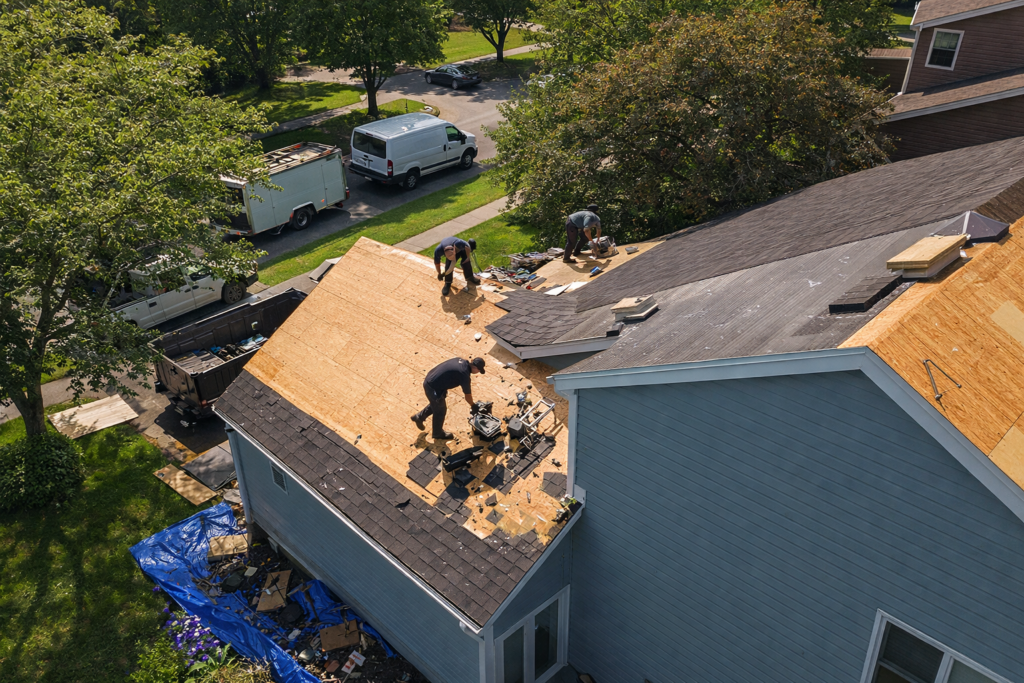
A roof replacement includes removing the old roofing materials and installing a complete new roofing system made up of multiple protective layers and components that work together to protect your home. This process goes beyond just replacing shingles. It involves inspecting and repairing the roof decking, installing underlayment and ice and water barriers, adding flashing and drip edge, securing materials with proper fasteners, and finishing with ventilation, ridge caps, and sometimes gutters and downspouts to ensure full functionality.
Each component in a roof replacement is necessary in durability, weather resistance, and energy efficiency. From the foundational decking to the outer roofing material, every layer is designed to prevent leaks, improve airflow, and extend the lifespan of your roof. Understanding what is included helps homeowners make informed decisions, ensures quality workmanship, and provides peace of mind knowing their home is fully protected from the elements.
A roof replacement is the process of completely removing an existing roof and installing a brand new roofing system to restore full protection and performance. Unlike minor fixes, this process replaces all major roofing components, ensuring the structure is secure, watertight, and built to last.
This process is needed for homeowners when a roof can no longer provide reliable protection due to age, widespread damage, or ongoing issues like leaks and energy loss. Over time, even small problems can develop into costly structural damage, mold growth, or reduced efficiency if not addressed. Replacing the roof ensures the home remains safe, improves overall performance, and helps prevent more expensive repairs in the future.
The difference between roof replacement and roof repair is that a roof repair fixes specific problem areas, while a roof replacement involves removing the entire existing roof and installing a completely new roofing system. Repairs are typically used to address localized issues such as leaks, missing shingles, or minor damage, whereas a replacement is a full solution that restores the entire roof’s structure and performance.
Understanding this difference is important for homeowners because choosing the wrong option can lead to ongoing problems and higher long term costs. Repairs may be more cost effective in the short term, but they do not address underlying issues that can continue to worsen over time. A roof replacement, while a larger investment upfront, provides a complete solution that improves durability, energy efficiency, and overall protection, reducing the need for frequent future repairs.
You need a roof replacement when your roof can no longer provide reliable protection due to age, widespread damage, or declining performance. Common indicators include missing or damaged shingles, persistent leaks, sagging areas, and signs of water damage inside the home, all of which suggest the roof is failing as a complete system.
Recognizing the right time for a replacement is important because delaying it can lead to more serious structural issues and higher repair costs. As problems worsen, they can affect insulation, increase energy bills, and cause damage to other parts of the home. Replacing the roof at the right time helps maintain safety, improve efficiency, and prevent costly complications in the future.
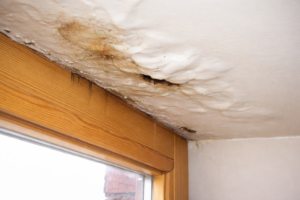
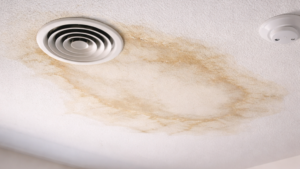
The signs that indicate the need for a roof replacement include visible damage, aging materials, and reduced performance that affect your roof’s ability to protect your home. Common warning signs include missing, cracked, or curling shingles, persistent leaks, water stains on ceilings or walls, sagging areas, and noticeable wear such as granule loss or mold growth on the roof surface.
Recognizing these signs early is important because they often point to deeper structural issues that repairs alone may not fix. As these problems progress, they can lead to water intrusion, higher energy costs, and damage to your home’s interior and framing. Identifying these indicators in time allows homeowners to take action before the damage becomes more extensive and costly.
The components included in a roof replacement consist of all the essential layers and materials that work together to create a complete, durable, and weather resistant roofing system. These components typically include roof decking, underlayment, ice and water shield, shingles or other roofing materials, flashing, drip edge, ventilation systems, ridge caps, fasteners, sealants and adhesives, and sometimes gutters and downspouts.
Each of these components plays a specific role in protecting your home and ensuring long term performance. From providing structural support and preventing water intrusion to improving airflow and securing materials in place, every part of the system is necessary for a properly functioning roof. Understanding these components helps homeowners see the full scope of a roof replacement and why each step is critical to the overall integrity of the roof.
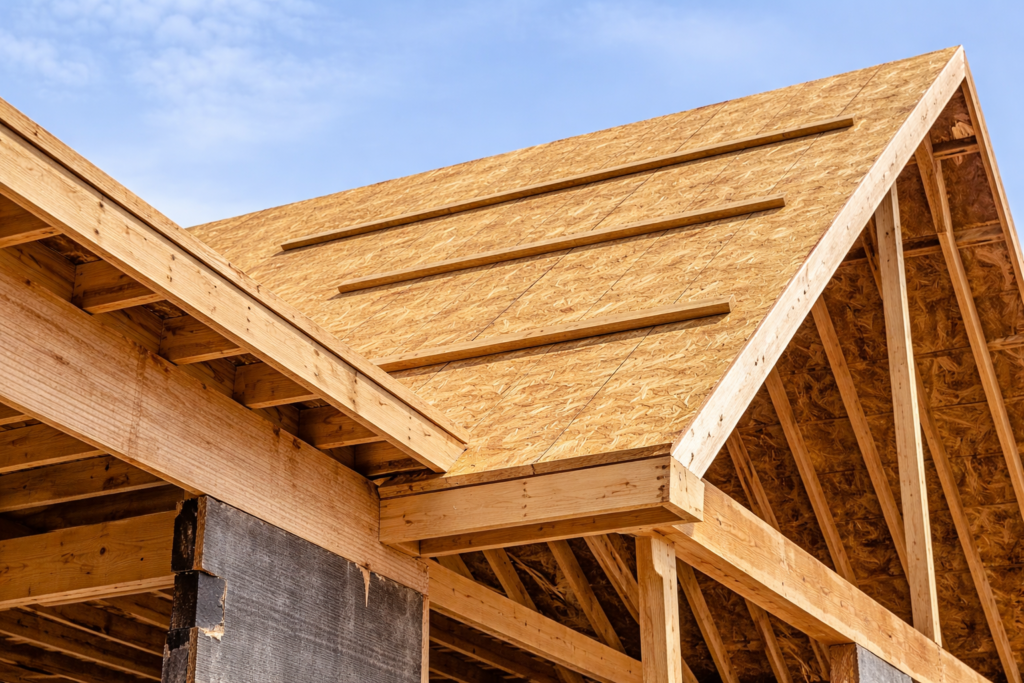
Roof decking is the structural foundation of your roof that supports all other roofing materials. It is typically made of plywood or oriented strand board and provides a solid, flat surface for installing underlayment and shingles. During a roof replacement, the decking is carefully inspected to ensure it is strong, stable, and free from damage before any new materials are installed.
If the decking is compromised by rot, moisture, or structural weakness, it must be repaired or replaced to maintain the integrity of the entire roofing system. A strong roof decking ensures proper installation, prevents future issues, and provides the support needed for your new roof to perform effectively and last for many years.
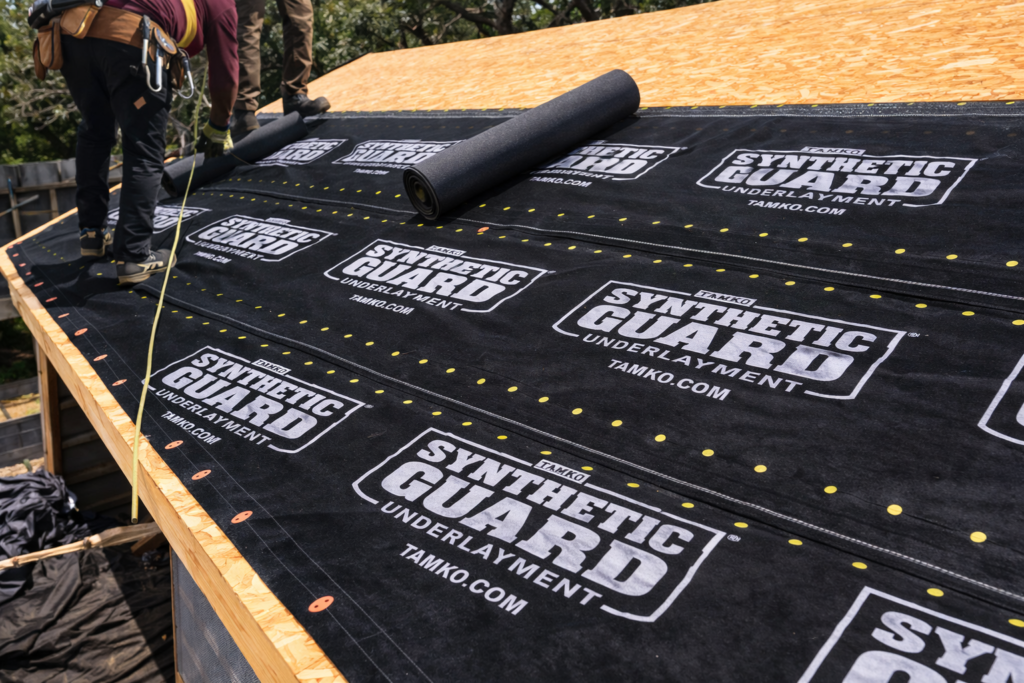
Roof underlayment is a protective layer installed directly on top of the roof decking that acts as a barrier against moisture. It sits beneath the shingles or roofing material and helps prevent water from penetrating into the structure of the roof. This layer is essential for providing an added level of protection, especially during heavy rain or in areas prone to harsh weather conditions.
There are different types of underlayment available, including traditional felt and modern synthetic options, each offering varying levels of durability and performance. By adding this layer, homeowners gain extra protection against leaks and water damage, helping extend the life of the roof and improve overall reliability.
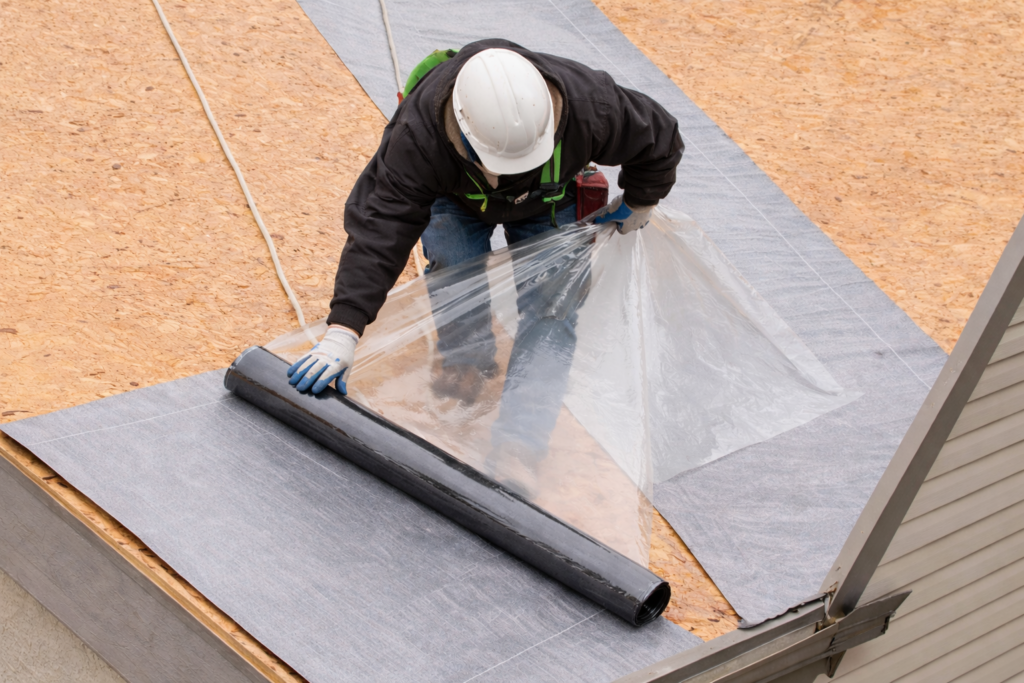
Ice and water shield is a self adhering waterproof membrane installed directly onto the roof decking in vulnerable areas. It is commonly applied along eaves, valleys, and around roof penetrations where water is more likely to collect or seep in. This layer creates a tight seal that helps prevent water from getting underneath the roofing materials.
This component is especially important for protecting against leaks caused by heavy rain, ice buildup, or wind driven water. By adding an extra layer of defense in high risk areas, ice and water shield helps protect the underlying structure of the roof and reduces the chances of costly water damage over time.
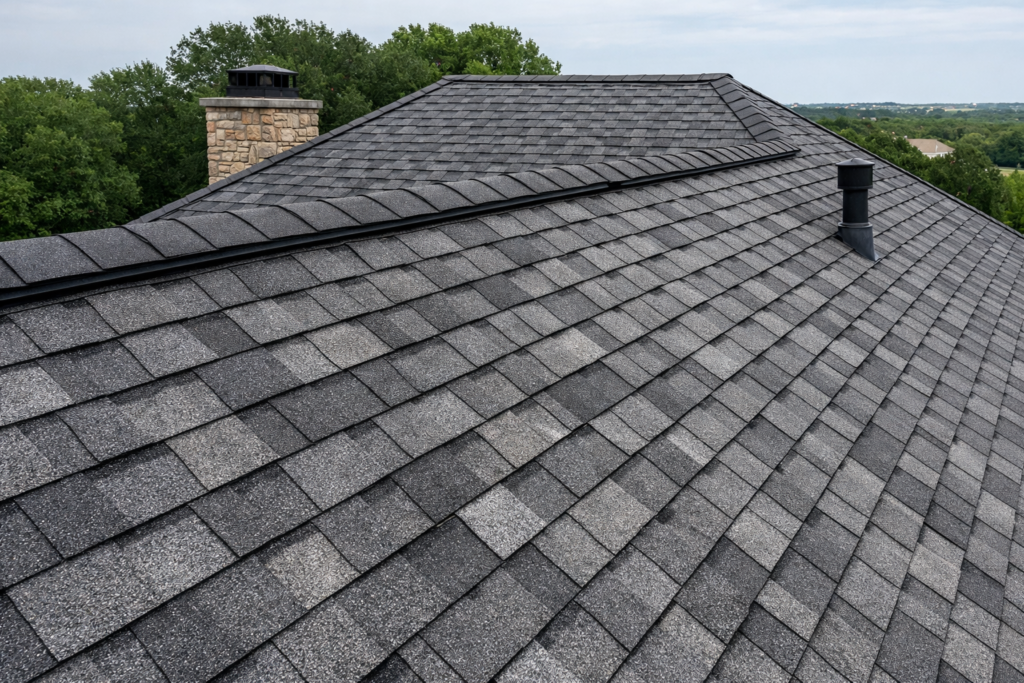
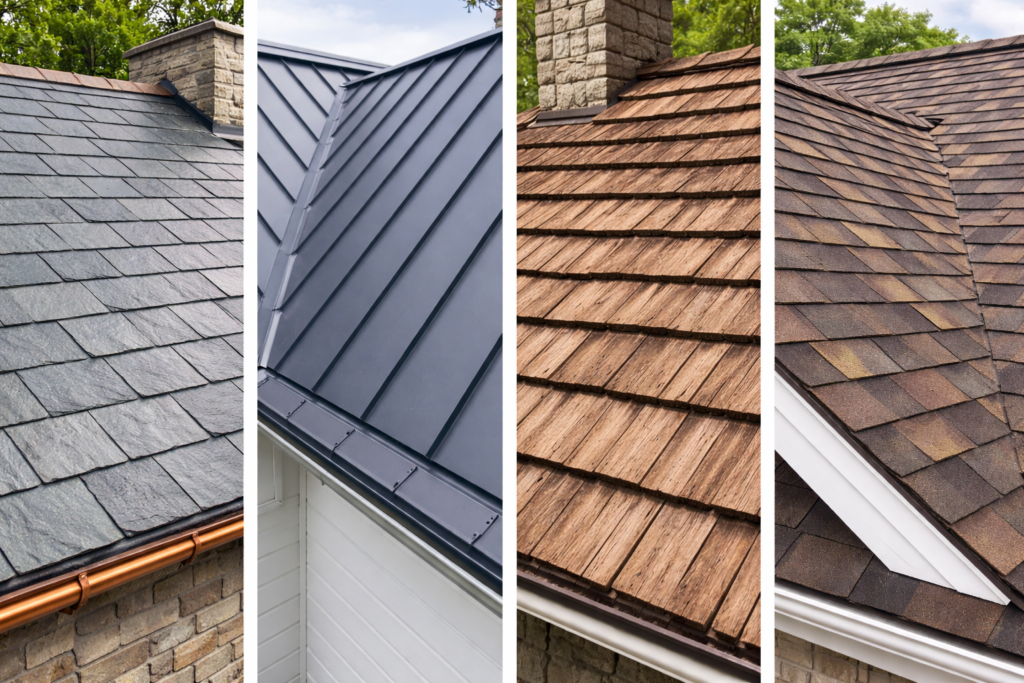
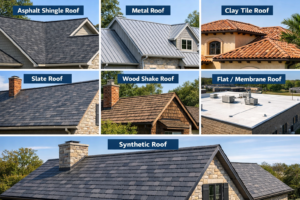
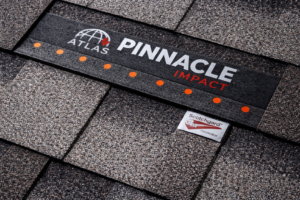
Shingles or roofing material are the outermost layer of the roof and serve as the primary barrier against weather elements such as rain, wind, and sunlight. This layer is what gives the roof its appearance and plays a major role in protecting the home from environmental damage. Common options include asphalt shingles, metal roofing, tile, wood, and slate, each offering different benefits in terms of durability, cost, and style.
Choosing the right roofing material is important because it affects the performance, lifespan, and energy efficiency of the roof. The material must be suitable for the local climate and properly installed to ensure maximum protection. A high quality roofing material not only enhances curb appeal but also helps maintain the structural integrity of the home for years to come.
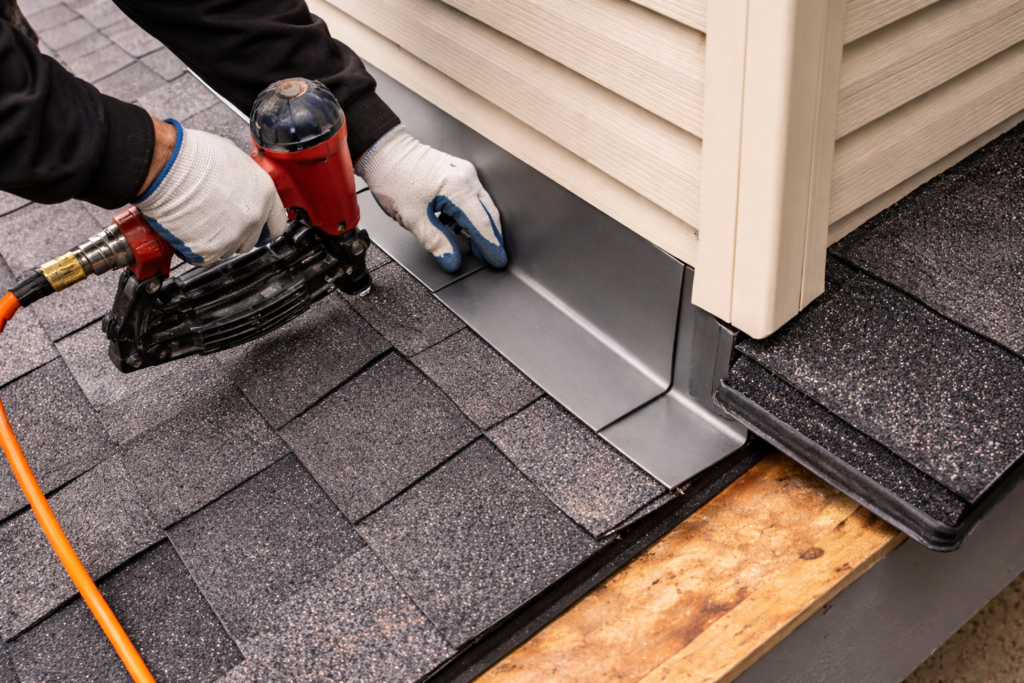
Flashing is a thin metal material installed in areas where the roof meets vertical surfaces or has openings, such as chimneys, vents, skylights, and valleys. Its main purpose is to direct water away from these vulnerable points and prevent it from seeping into the roof structure. Without proper flashing, these joints and transitions become common areas for leaks.
Properly installed flashing is essential for maintaining a watertight roof and protecting against long term damage. It helps seal critical areas, reduces the risk of water intrusion, and supports the overall durability of the roofing system. Ensuring flashing is correctly placed and sealed during a roof replacement is key to preventing future leaks and costly repairs.
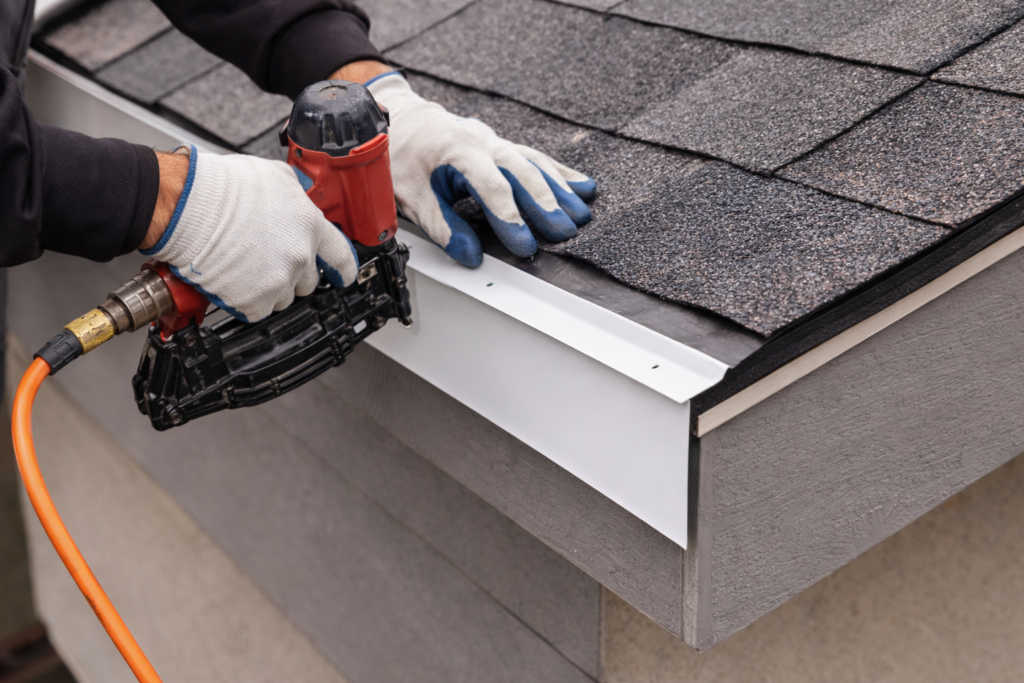
Drip edge is a metal strip installed along the edges of the roof that helps direct water away from the fascia and into the gutters. It is placed along the eaves and rake edges to guide rainwater off the roof in a controlled manner. This prevents water from seeping under the roofing materials or running down the sides of the home.
This component is important because it protects the edges of the roof from water damage, rot, and deterioration over time. By ensuring proper water flow into the gutter system, drip edge helps preserve the roof structure, reduce maintenance issues, and extend the lifespan of the entire roofing system.
Drip edge is a metal strip installed along the edges of the roof that helps direct water away from the fascia and into the gutters. It is placed along the eaves and rake edges to guide rainwater off the roof in a controlled manner. This prevents water from seeping under the roofing materials or running down the sides of the home.
This component is important because it protects the edges of the roof from water damage, rot, and deterioration over time. By ensuring proper water flow into the gutter system, drip edge helps preserve the roof structure, reduce maintenance issues, and extend the lifespan of the entire roofing system.
Roof ventilation is the system that allows air to flow in and out of the attic, helping regulate temperature and moisture levels inside the home. It typically includes components such as ridge vents, soffit vents, and other exhaust systems that work together to maintain proper airflow. This circulation prevents heat and moisture from becoming trapped beneath the roof.
Proper ventilation is essential for extending the life of the roof and improving overall energy efficiency. Without it, excess heat and moisture can lead to problems such as mold growth, insulation damage, and premature aging of roofing materials. A well ventilated roof helps maintain a balanced environment, reducing strain on the roofing system and keeping the home more comfortable year round.
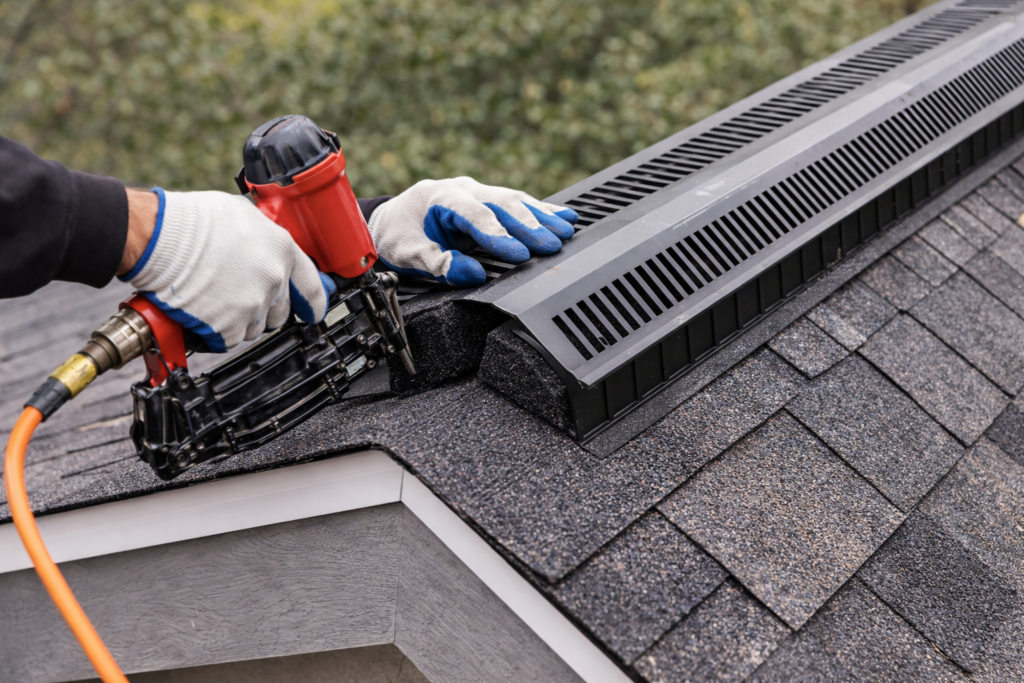
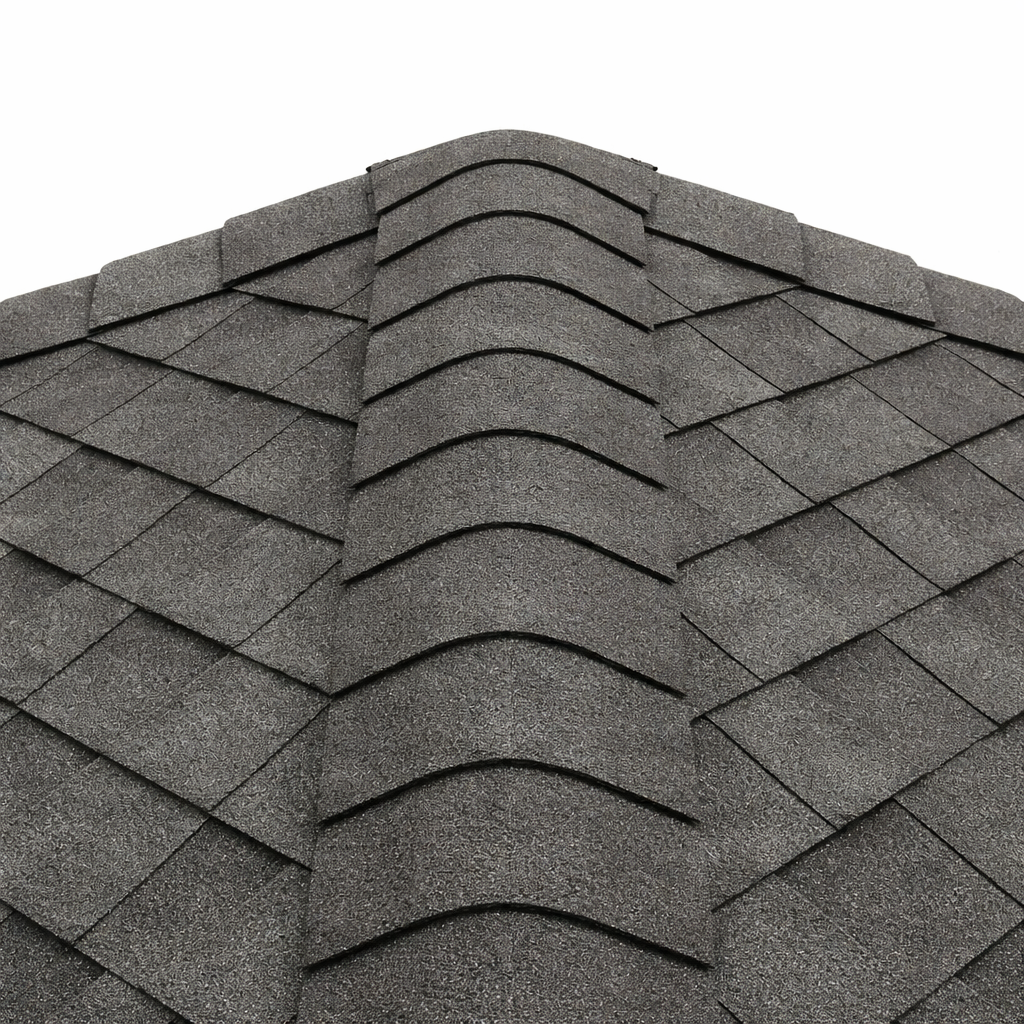
Ridge caps are specially designed shingles installed along the peak of the roof where two slopes meet. They cover the ridge line and provide a protective seal at one of the most exposed areas of the roof. In addition to protection, ridge caps also create a clean and finished appearance that enhances the overall look of the roof.
This component is important because the roof peak is highly vulnerable to wind and water intrusion. Properly installed ridge caps help prevent leaks, improve durability, and support ventilation systems when used with ridge vents. They play a key role in both the performance and final appearance of a roof replacement.
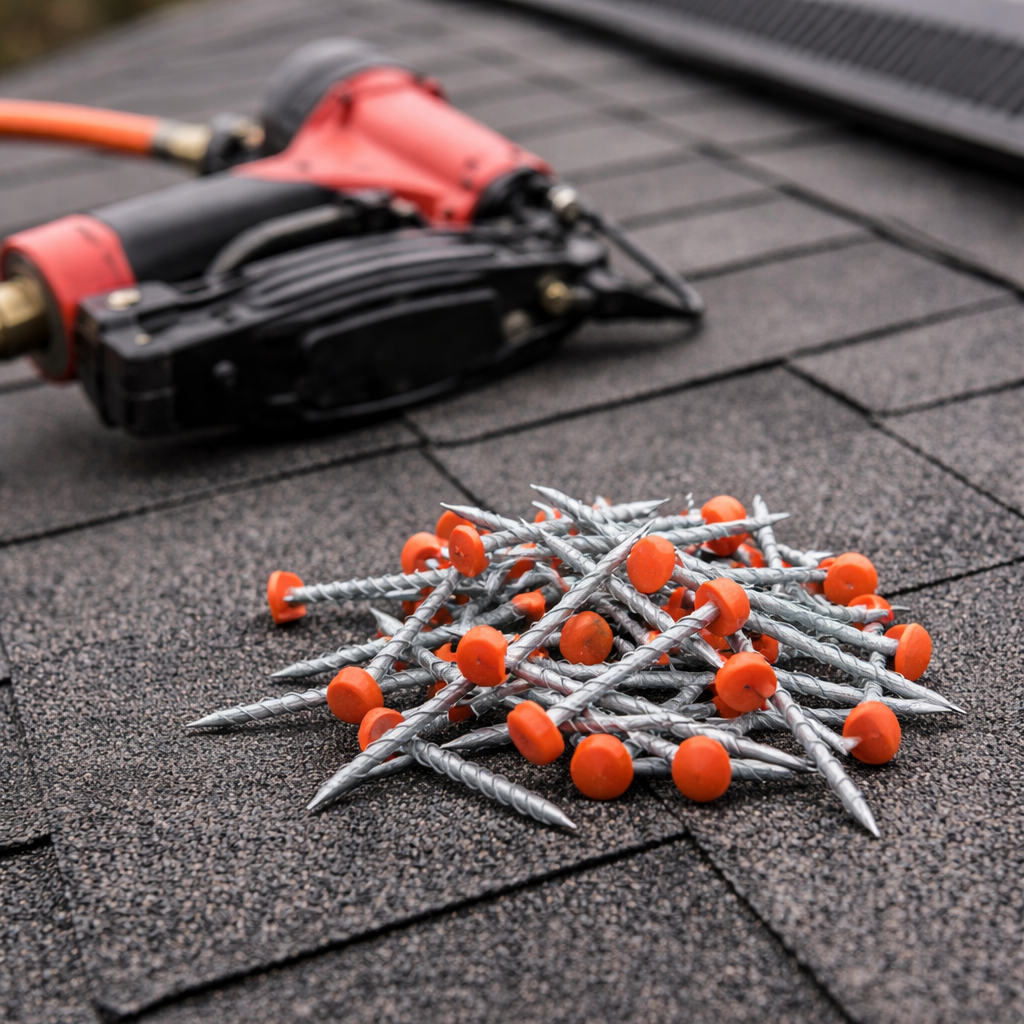
Fasteners are the nails or screws used to secure all roofing materials to the roof decking. They play a critical role in holding shingles, underlayment, and other components firmly in place. Proper placement and spacing of fasteners ensure that the roofing system remains stable and performs as intended under various weather conditions.
Using the correct type and quantity of fasteners is essential for the durability and longevity of the roof. High quality, corrosion resistant fasteners help prevent loosening, rust, and material failure over time. When installed correctly, they provide the strength needed to keep the roof intact, even in high winds and harsh environmental conditions.
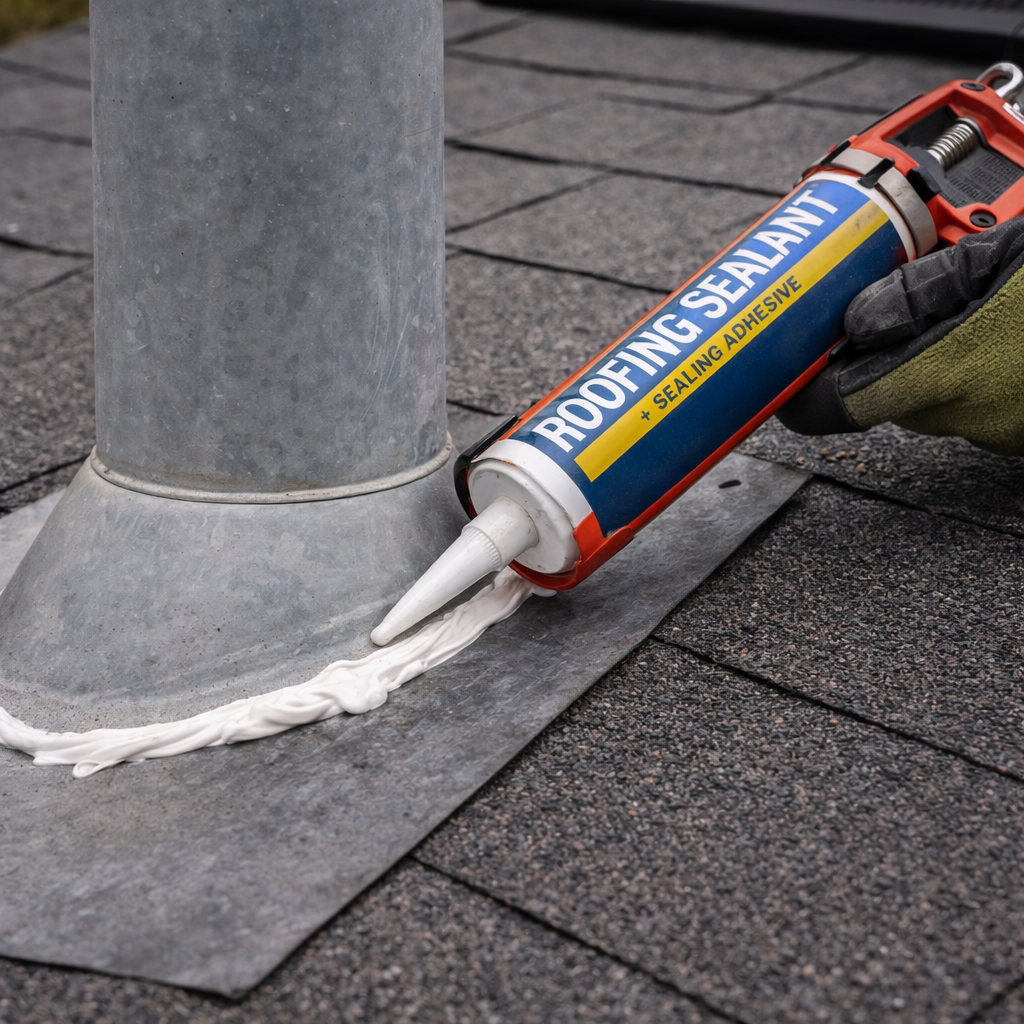
Sealants and adhesives are materials used to create watertight seals around critical areas of the roof, such as flashing, vents, and other penetrations. They help close small gaps and joints where water could potentially enter, adding an extra layer of protection to the roofing system. These materials are applied during installation to reinforce areas that are more vulnerable to leaks.
This component is important because even small openings can lead to water intrusion and long term damage if left unsealed. Proper use of sealants and adhesives helps ensure that all connections are secure and protected from moisture. By strengthening these key areas, they contribute to the overall durability and performance of the roof.
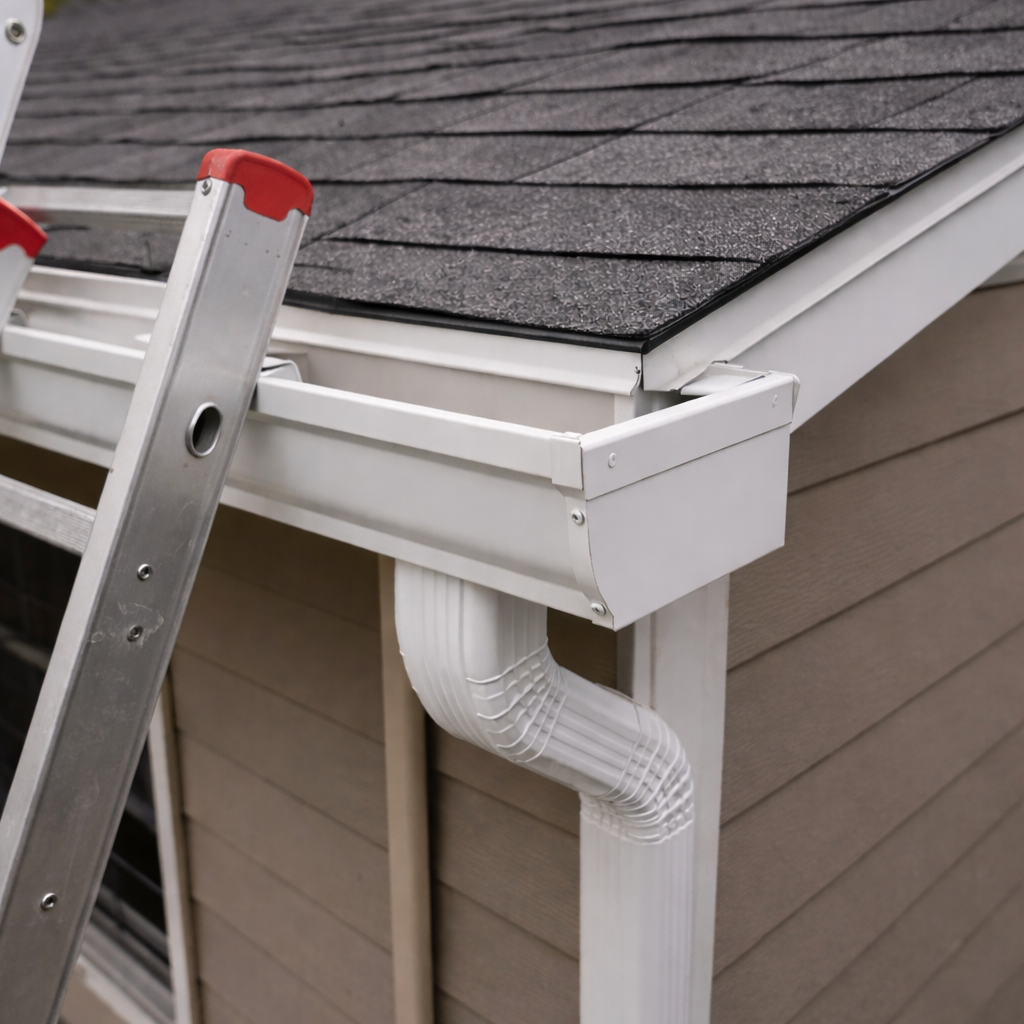
Gutters and downspouts are components that manage water runoff by directing rainwater away from the roof and foundation of the home. Gutters collect water along the roof edges, while downspouts carry it safely to the ground and away from the structure. Although they are not always replaced during every roof replacement, they are an important part of the overall roofing system.
Properly functioning gutters and downspouts help prevent water from pooling around the foundation, which can lead to structural damage, erosion, and leaks. They also protect siding, fascia, and landscaping from water damage. Ensuring these components are in good condition supports the performance of the entire roof and helps maintain long term protection for the home.
Preparing for a roof replacement involves evaluating your current roof condition, planning the project timeline, and making informed decisions about materials and contractors to ensure a smooth installation process. This includes scheduling a professional inspection, selecting the right roofing materials based on your needs and climate, and understanding the estimated costs involved.
Proper preparation helps prevent delays, unexpected expenses, and installation issues. An organized approach allows homeowners to manage the project efficiently and ensures the new roof is installed correctly for long term performance and reliability.
An initial inspection is the first step in preparing for a roof replacement, where a roofing professional evaluates the current condition of your roof. This process includes checking for visible and hidden damage such as leaks, weakened decking, missing shingles, and structural issues that could affect the installation of a new roof.
This step is important because it identifies any underlying problems that must be addressed before the replacement begins. A thorough inspection ensures that the new roofing system is built on a solid foundation, helping prevent future issues and ensuring the roof performs effectively over time.
Choosing the right roofing material involves selecting an option that fits your home’s needs, local climate, budget, and desired appearance. Common choices include asphalt shingles, metal roofing, tile, and other materials, each offering different levels of durability, cost, and performance.
This decision is important because the material directly affects the lifespan, energy efficiency, and overall protection of your roof. Selecting the appropriate material ensures better performance under local weather conditions and helps maintain long term reliability while enhancing the look and value of your home.
Estimating costs involves understanding the total expenses associated with a roof replacement, including materials, labor, permits, and any additional repairs that may be required. This step helps homeowners get a clear picture of the overall investment and allows for better financial planning before the project begins.
Having an accurate cost estimate is important because it helps prevent unexpected expenses and ensures the project stays within budget. Reviewing detailed estimates and comparing options allows homeowners to make informed decisions while ensuring the quality of materials and workmanship meets their expectations.
Pre replacement services are the preliminary steps and professional services performed before the actual roof replacement begins to ensure the project is completed safely and effectively. These services typically include a detailed roof inspection, assessment of structural conditions, and any necessary preparations such as identifying damage or areas that require attention before installation.
These services are important because they help uncover issues that could impact the success of the roof replacement if left unaddressed. Proper preparation ensures the new roofing system is installed on a stable and secure foundation, reducing the risk of delays, additional costs, and future problems.
Roof inspection and assessment involve a detailed evaluation of the roof’s condition to identify any damage, structural issues, or areas of concern before replacement begins. This process includes examining shingles, flashing, decking, and other components to determine the extent of wear and any necessary repairs.
This step is important because it ensures all underlying problems are addressed before installing a new roof. A thorough assessment helps prevent future issues, supports proper installation, and ensures the new roofing system performs reliably over time.
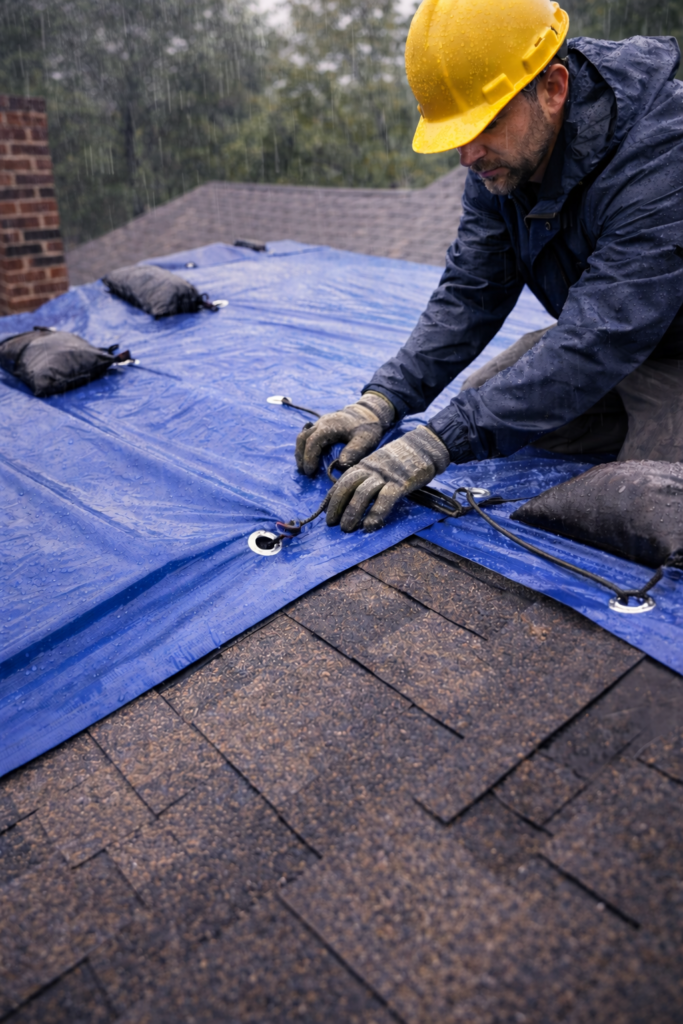
Temporary repairs are short term solutions used to protect your home when immediate roof replacement cannot be completed right away. These repairs may include sealing leaks, securing loose shingles, or covering damaged areas to prevent further exposure to weather conditions.
This step is important because it helps minimize additional damage while waiting for the full roof replacement to begin. Temporary repairs protect the interior of the home, reduce the risk of structural issues, and provide a level of safety until a permanent solution is completed.
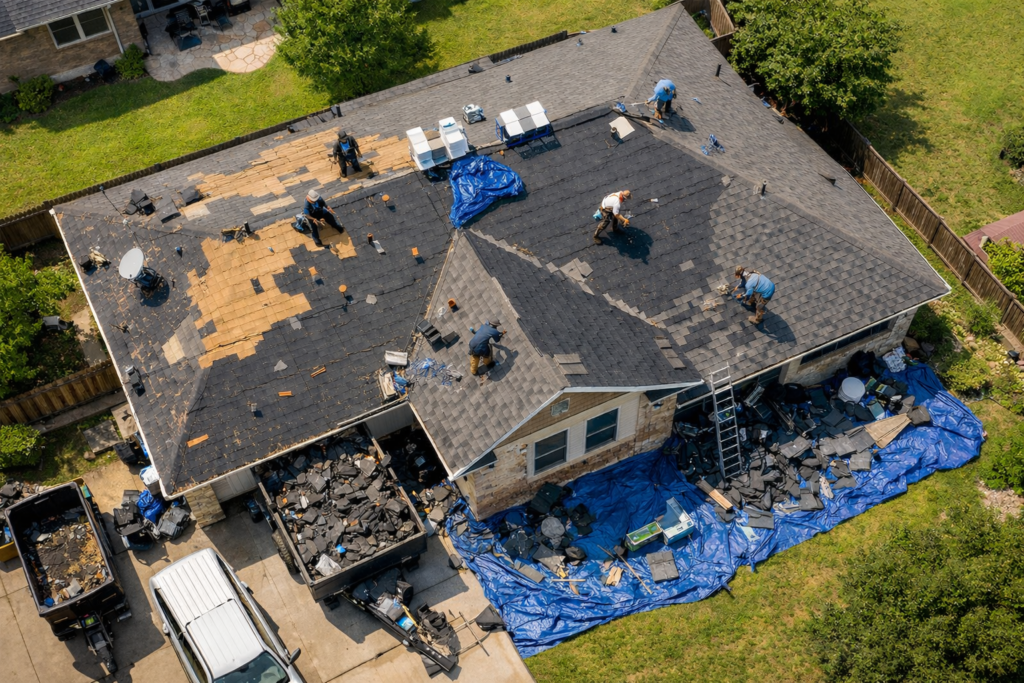
The roof replacement process involves removing the existing roof, making necessary structural repairs, and installing a new roofing system step by step to ensure proper protection and performance. This process typically includes planning and scheduling, tearing off old materials, repairing the decking if needed, and installing new layers such as underlayment, roofing materials, and finishing components.
Understanding what happens during the process is important because it helps homeowners know what to expect and ensures the work is done correctly. A well executed replacement follows a structured sequence that protects the home during installation, maintains safety, and results in a durable and reliable roofing system.
Scheduling and planning involve organizing the timeline, confirming material delivery, and coordinating the roofing project with your contractor before work begins. This step ensures that all necessary materials are available and that the project is set to start at a time that works for both the homeowner and the roofing team.
Proper scheduling is important because it helps prevent delays and ensures the project runs efficiently from start to finish. Clear planning allows homeowners to prepare for temporary disruptions and ensures the roofing team can complete the installation in a timely and organized manner.
Removing the old roof is the process of tearing off existing shingles, underlayment, and other roofing materials down to the decking. This step allows contractors to expose the underlying structure and assess its condition before installing the new roofing system.
This step is important because it reveals any hidden damage that cannot be seen from the surface. Identifying issues such as rot, moisture damage, or weakened decking ensures that all necessary repairs are completed before installation, creating a solid foundation for the new roof and preventing future problems.
Making necessary repairs involves fixing any damaged or weakened parts of the roof structure before installing the new roofing system. This typically includes replacing rotted or compromised decking, reinforcing structural components, and addressing any issues uncovered during the tear off process.
This step is important because a new roof can only perform well if it is installed on a strong and stable foundation. Repairing these underlying problems ensures proper installation, improves durability, and helps prevent future damage that could lead to costly repairs.
Installing the new roof is the process of building a complete roofing system by layering materials in the correct sequence to ensure protection and durability. This step includes placing underlayment, applying ice and water protection where needed, installing shingles or other roofing materials, and finishing with components such as flashing, ridge caps, and ventilation.
This step is important because proper installation determines how well the roof performs over time. Each layer must be correctly placed and secured to prevent leaks, withstand weather conditions, and maintain long term reliability. A properly installed roof provides consistent protection and ensures the entire system functions as intended.
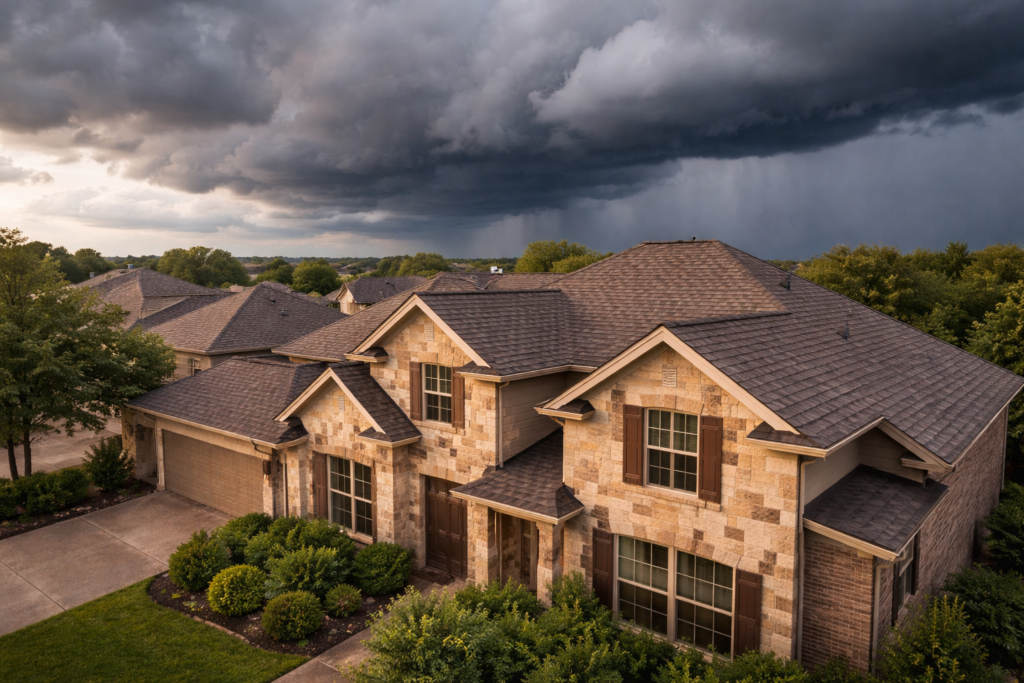
After a roof replacement, you should expect a final inspection, thorough clean up, and clear information about your roof’s warranty and maintenance requirements. The contractor will review the completed work, ensure all components are properly installed, and confirm that the roof meets quality and safety standards.
These steps are important because they ensure the project is completed correctly and your property is left in good condition. A proper post installation process helps identify any remaining issues, provides guidance on maintaining your new roof, and gives homeowners confidence that their investment will perform reliably over time.
A final inspection is the process of reviewing the completed roof replacement to ensure all components are properly installed and meet quality and safety standards. This includes checking critical areas such as flashing, ventilation, shingles, and roof penetrations to confirm everything is secure and functioning as intended.
This step is important because it verifies that the roofing system has been installed correctly and is ready to perform effectively. A thorough final inspection helps identify any minor issues that need adjustment, ensuring the roof provides long term protection and reliability.
Clean up is the process of removing all debris, leftover materials, and equipment from the property after the roof replacement is completed. This includes clearing shingles, nails, and other waste from the roof, gutters, and surrounding areas, as well as using tools like magnets to collect any stray fasteners from the ground.
This step is important because it ensures the property is safe, clean, and returned to its original condition. Proper clean up helps prevent hazards, protects landscaping and driveways, and gives homeowners confidence that the project has been completed with care and attention to detail.
Warranty and maintenance refer to the coverage provided for your new roof and the ongoing care required to keep it in good condition. Most roof replacements include warranties that cover materials and workmanship, giving homeowners protection against defects and installation issues. Maintenance involves routine inspections, cleaning, and minor upkeep to ensure the roof continues to perform properly.
This aspect is important because it helps protect your investment and extend the lifespan of your roof. Understanding your warranty ensures you know what is covered and how to maintain eligibility, while regular maintenance helps prevent small issues from becoming costly problems over time.
Roof replacement is a smart investment because it improves your home’s protection, increases property value, and enhances energy efficiency over the long term. A new roof strengthens the overall structure, prevents leaks and damage, and provides a more reliable barrier against weather conditions.
This investment is important for homeowners because it reduces the risk of costly repairs and improves the overall performance of the home. A well installed roof can lower energy costs, boost curb appeal, and make the property more attractive to potential buyers, ensuring lasting value and peace of mind.
How Do I Know If I Need a Roof Replacement?
You may need a roof replacement if your roof shows signs of aging, widespread damage, or reduced performance. Common indicators include missing or damaged shingles, leaks, sagging areas, mold growth, and increasing energy costs.
Recognizing these signs early helps prevent more serious structural damage and costly repairs. Replacing the roof at the right time ensures your home remains protected and avoids ongoing issues that repairs may not fully resolve.
What Materials Are Used in a Roof Replacement?
A roof replacement uses a combination of structural and protective materials including decking, underlayment, shingles or other roofing materials, flashing, drip edge, ridge caps, fasteners, and sealants. Optional components may include ventilation systems and gutters.
The choice of materials affects the durability, appearance, and energy efficiency of your roof. Selecting the right combination ensures better performance in your local climate and helps extend the lifespan of the roofing system.
How Long Does a Roof Replacement Take?
A roof replacement typically takes a few days to a week depending on the size of the roof, the complexity of the project, weather conditions, and the type of materials used.
Project timelines can vary, but proper planning and experienced installation help keep the process efficient. Understanding the timeline allows homeowners to prepare for temporary disruptions and ensures expectations are clear before work begins.
What Should I Do to Prepare for a Roof Replacement?
Preparing for a roof replacement involves clearing the area around your home, protecting belongings inside, and coordinating with your contractor before the project begins. Moving vehicles and outdoor items away from the work area is also recommended.
Taking these steps helps prevent damage to property and allows the roofing team to work safely and efficiently. Proper preparation reduces delays and ensures the project runs smoothly from start to finish.
How Much Does a Roof Replacement Cost?
The cost of a roof replacement depends on factors such as roof size, material selection, labor, and any repairs required during the project.
Understanding the cost breakdown helps homeowners plan their budget and avoid unexpected expenses. Getting detailed estimates and comparing options ensures you receive quality work while staying within your financial goals.
How Do You Address Roof Damage Before Replacement?
Addressing roof damage before replacement involves inspecting the roof, identifying structural issues, and documenting any damage caused by weather or wear.
Proper assessment ensures all problems are resolved before installation begins. Taking this step helps prevent future issues and ensures the new roofing system is built on a stable and secure foundation.
What Happens During the Roof Replacement Process?
Addressing roof damage before replacement involves inspecting the roof, identifying structural issues, and documenting any damage caused by weather or wear.
Proper assessment ensures all problems are resolved before installation begins. Taking this step helps prevent future issues and ensures the new roofing system is built on a stable and secure foundation.
How Can I Choose the Right Roofing Contractor?
Choosing the right roofing contractor involves checking experience, licensing, insurance, reviews, and the quality of their estimates and warranties.
Working with a qualified contractor ensures proper installation and long term reliability. Taking time to evaluate your options helps protect your investment and reduces the risk of future issues. Legacy Roofing Pros provides experienced, licensed professionals who deliver quality workmanship, transparent estimates, and dependable service you can trust.
What Are the Benefits of a Roof Replacement?
The benefits of a roof replacement include improved protection, increased property value, better energy efficiency, and reduced risk of future repairs.
A new roof enhances both performance and appearance while providing long term peace of mind. Investing in a replacement helps ensure your home remains safe, efficient, and well protected for years to come. Legacy Roofing Pros helps homeowners achieve these benefits with high quality materials, expert installation, and reliable roofing solutions built for long term performance.
CONTACT US TODAY!
Let Legacy Roofing Pros help! We are offering a free roof inspection and consultation to help you determine the best roofing solutions for your needs.
Fill out the form below to schedule your FREE ROOF INSPECTION today!
Tell us what’s going on and our team will follow up quickly.