Monday to Friday
Drop your queries
Round Rock, TX 78681,
United States
Head Office
Dealing with a leaking or damaged roof in your rental property can be stressful. Learn the exact steps Texas renters should take, how to communicate with landlords, and when to involve a roofing professional to protect your home and avoid bigger issues.
Renting a home in Texas has its advantages, you’re not responsible for property maintenance, and big repairs fall on the landlord. But what happens when the roof starts to show signs of trouble? Whether it’s a ceiling leak, missing shingles, or drafts creeping into your rental, roofing problems can disrupt your daily life and leave you feeling powerless.
As a renter, you might feel caught in a frustrating middle ground. You don’t own the property, so you can’t authorize repairs, but you also have to deal with the inconvenience of the damage. Add to that the possibility of landlords delaying repairs, and the whole situation becomes even more stressful.
Roofing issues need to be addressed quickly to prevent small problems from escalating into costly and dangerous repairs. If you’re a renter in Texas wondering what to do about a roofing problem, this guide will walk you through the steps to take. By following these recommendations, you can protect your living space and even turn the situation into a benefit for yourself.
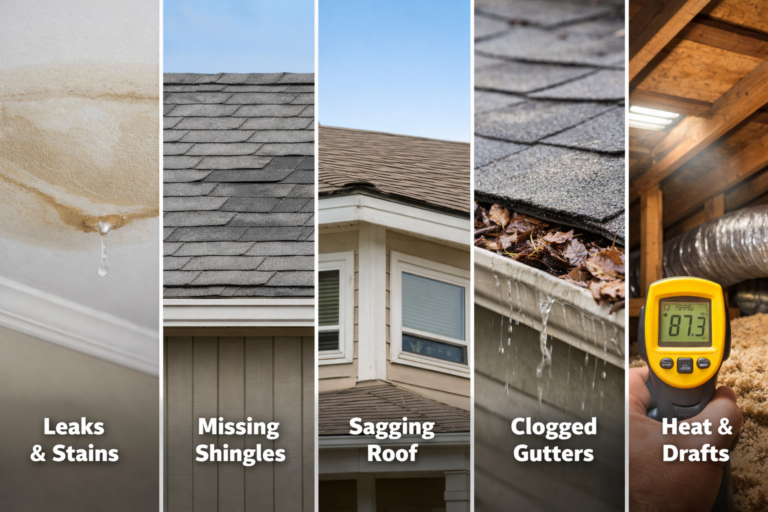
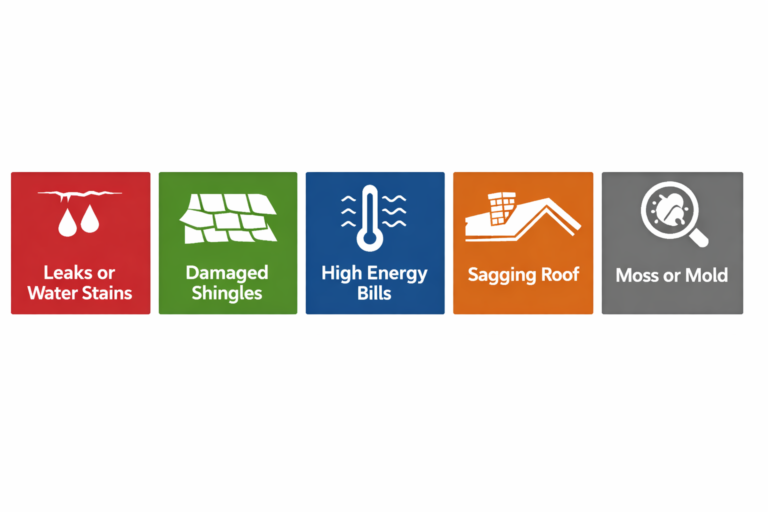
The signs your rental property’s roof might need repairs include water stains, drafts, damaged shingles, gutter issues, and sagging rooflines. These warning signals often appear before major damage occurs, giving property owners a chance to address problems early and avoid costly repairs. Before taking action, it’s important to recognize the signs of a roofing problem. Here’s what to look out for:
Water Leaks or Stains.
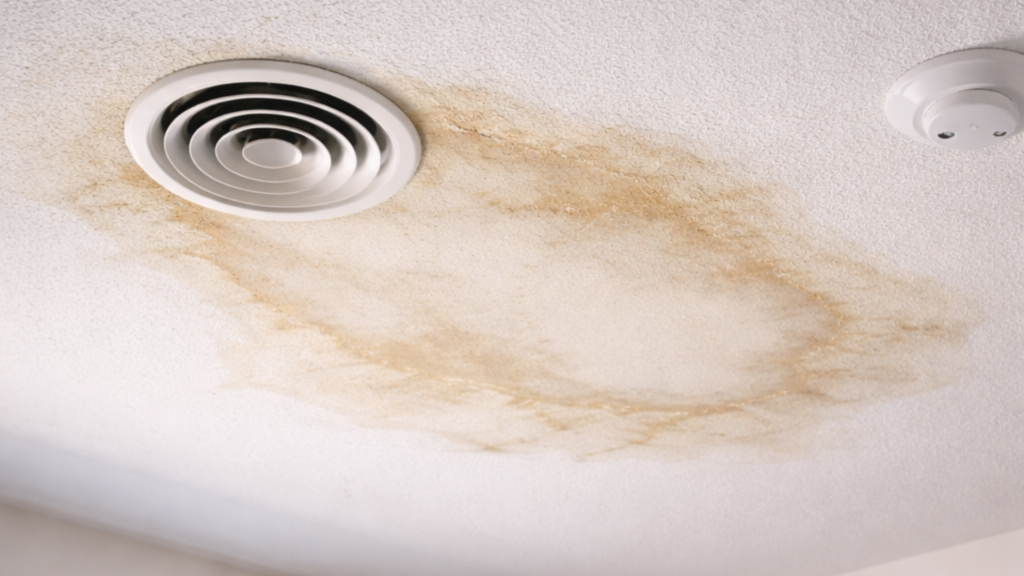
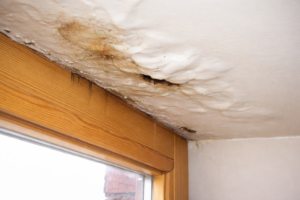
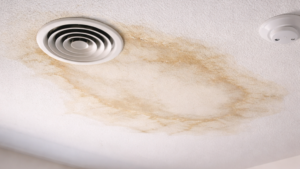
Water leaks or ceiling stains are one of the most common indicators of a roofing issue. Discoloration, brown spots, or peeling paint on ceilings and walls usually point to moisture intrusion from above. Even small stains can mean there is an active leak that may worsen over time if left unaddressed.
Drafts or Temperature Inconsistencies.
Drafts or temperature inconsistencies inside the property can also suggest roofing problems. Rooms that feel unusually hot or cold may indicate gaps, poor ventilation, or compromised roofing materials that are allowing outside air to enter.
Missing or Damaged Shingles.
Missing or damaged shingles are another visible sign. Shingles that are cracked, curling, or completely missing reduce the roof’s ability to protect the property from rain, wind, and sun exposure. This type of damage can often be spotted from the ground.
Overflowing or Damaged Gutters.
Overflowing or damaged gutters can contribute to roof issues as well. When gutters are clogged, broken, or not draining properly, water can back up and sit along the roofline. This pooling water increases the risk of leaks and edge deterioration.
Sagging Rooflines.
Sagging rooflines are a more serious warning sign that should not be ignored. An uneven or drooping appearance can indicate structural damage, weakened decking, or prolonged moisture exposure, all of which require immediate attention.
Recognizing these signs early helps protect your rental property, maintain tenant satisfaction, and prevent more extensive repairs down the line.
If your rental property’s roof needs repairs, you should document the issue, notify your landlord immediately, follow up in writing, and take temporary steps to prevent further damage. Acting quickly helps protect your living space and ensures the problem is addressed before it worsens. Here is the step-by-Step guide on what to do next:
You can document a roofing problem by taking clear photos and videos of all visible damage. Capture details such as water stains, sagging areas, missing shingles, or any signs of leaks.
Make sure the images are well-lit and show the extent of the issue from multiple angles. This documentation serves as evidence when communicating with your landlord and helps them understand the urgency of the situation.
You should notify your landlord immediately through a quick call or text, followed by a written message. In Texas, landlords are expected to maintain rental properties in a habitable condition, which includes addressing major roofing problems.
A clear and simple message helps communicate the issue effectively. For example:
“Hi [Landlord’s Name], I wanted to let you know about an issue with the roof in [your address]. I’ve noticed [describe the problem briefly], and I’m concerned it might worsen if not addressed. I’ve attached some photos for reference. Please let me know how you’d like to proceed.”
Providing photos and a brief explanation helps your landlord assess the situation faster.
Following up in writing is important because it creates a record of your request and communication. If your landlord does not respond promptly, sending a formal email or letter reinforces the urgency and documents your effort to report the issue.
Include your photos again and politely ask for a timeline for repairs. Keeping this record can be helpful if the situation needs to be escalated later.
While waiting for roof repairs, you can take small steps to reduce further damage inside the property. Place buckets or containers under leaks to catch water and prevent it from spreading.
Move furniture, electronics, and personal belongings away from affected areas to avoid water damage. These temporary measures help protect your belongings while the issue is being addressed.
Staying polite but persistent when following up with your landlord can help ensure the repairs are scheduled and completed in a timely manner.
You should involve a roofing contractor when the severity of the roof issue is unclear or when your landlord is not responding appropriately. A professional assessment can help confirm the problem and create urgency for necessary repairs.
You should understand your rights, escalate the issue if necessary, and maintain clear, professional communication if your landlord delays or disputes roof repairs. Taking the right steps helps protect your living conditions and strengthens your case. If your landlord doesn’t act quickly or disputes the need for repairs, you still have options:
You can help prevent future roofing issues by encouraging regular inspections and reporting small problems early. Staying proactive helps reduce the risk of major damage and keeps your living space in good condition.
Roofing problems can be a headache, but as a renter, you don’t have to face them alone. By taking the right steps—documenting the issue, communicating effectively with your landlord, and involving professionals when necessary—you can ensure your home remains safe and secure.
If you or your landlord need a trusted roofing contractor in Texas, Legacy Roofing Pros is ready to assist. Contact us today for a free inspection and consultation, and let’s work together to protect your rental property.
At Legacy Roofing Pros, we know how stressful it can be for renters to deal with roofing problems. While you might not have the authority to fix the issue, you can recommend a reliable roofing company to your landlord.
Here’s why we’re a great choice:
Whether you’re a renter trying to resolve an issue or a landlord looking for reliable contractors, Legacy Roofing Pros is here to help.
Renters in Texas need to understand their rights, responsibilities, and options when dealing with roofing repairs. Knowing how the process works helps you take the right steps, communicate effectively, and avoid unnecessary stress when issues arise.
Renters have the right to live in a safe and habitable property, which includes a roof that protects against water intrusion, structural risks, and weather exposure. Texas law requires landlords to address conditions that materially affect the health or safety of tenants.
This means that roofing problems are not just cosmetic concerns. Issues like leaks, moisture intrusion, or structural weakness can quickly impact indoor air quality, electrical systems, and overall living conditions. Understanding this helps renters recognize that reporting roof damage is not optional—it is a necessary step to maintain a livable home.
Unsafe roofing conditions include active leaks, ceiling stains, mold growth, sagging rooflines, soft spots in ceilings, or any damage that allows water or outside air to enter the home. These conditions directly affect the safety and habitability of the property.
Even small warning signs can point to larger hidden problems. A minor ceiling stain may indicate ongoing water intrusion above the surface, which can weaken decking, insulation, and framing over time. Addressing these early helps prevent more serious structural damage and costly repairs.
Landlords are expected to respond within a reasonable timeframe after being properly notified, especially when the issue affects health and safety. Urgent problems like active leaks or structural concerns typically require prompt attention.
The actual timeline can vary depending on the severity of the issue and availability of contractors. However, delays without communication or clear action can lead to worsening damage, including interior deterioration and higher repair costs. Consistent follow-ups help reinforce urgency and keep the process moving.
Renters can escalate the situation by documenting the issue, continuing written communication, and pursuing formal channels if necessary. Taking structured and documented steps strengthens your position and helps protect your rights.
Being proactive and organized is critical in these situations. Clear records of damage, timelines, and communication show that you have made reasonable efforts to resolve the issue, which becomes important if further action is required.
In Texas, renters generally cannot withhold rent unless they follow specific legal procedures outlined by state law. Withholding rent without proper steps can put the tenant at risk of eviction or legal consequences.
Before considering this option, it is important to understand the legal requirements or seek guidance from a tenant-rights attorney. Exploring safer alternatives, such as formal notices or repair requests, is usually the better first step.
Renters can file a complaint with their local housing authority or seek legal advice if the landlord refuses to address a roofing issue. These steps help enforce the landlord’s responsibility to maintain safe living conditions.
Providing thorough documentation, such as photos, written notices, and professional inspection reports, makes your case stronger. This evidence demonstrates that the issue is legitimate and that reasonable opportunities to resolve it were given.
Renters can communicate with roofing contractors and help facilitate inspections, but final decisions and approvals typically remain with the landlord as the property owner. Still, renters can play an important role in moving the process forward.
By helping coordinate inspections or sharing information, renters can reduce delays and ensure that the issue is properly evaluated. This involvement often helps bridge communication gaps between landlords and contractors.
Renters generally should not hire a roofing contractor without the landlord’s approval, since the landlord is responsible for the property and associated repairs. Unauthorized work may not be reimbursed and could create complications.
Getting written approval protects both parties and ensures that the work meets the property owner’s standards. It also avoids disputes over cost, scope, and responsibility after the work is completed.
Yes, renters can recommend a roofing contractor to help speed up the repair process. Suggesting a reputable company can make it easier for landlords to take action, especially if they are unsure who to contact.
Providing options. such as contractors that offer free inspections or detailed reports, can reduce hesitation and help move the process forward. It also shows initiative and cooperation, which can improve communication with your landlord.
Renters can help ensure repairs are handled properly by staying involved, asking for documentation, and reviewing the work after completion. Being informed reduces the risk of incomplete or temporary fixes.
Active participation does not mean managing the project, but it does mean paying attention to what is being done. Clear communication and follow-up help confirm that the original problem has been fully resolved.
Renters can verify repair quality by requesting before-and-after photos, inspection summaries, or a walkthrough of the completed work. These steps help confirm that the issue has been properly addressed.
Visual proof and documentation provide reassurance that the repair was not just a temporary patch. It also helps you understand what was fixed and whether any additional maintenance may be needed in the future.
Many roofing companies offer free roof inspections, especially after storms or when damage is suspected. These inspections provide a professional assessment without requiring upfront payment.
Free inspections are valuable because they give both renters and landlords a clear understanding of the problem. A detailed report can also support repair requests and help prioritize necessary work.
Landlords are typically responsible for maintaining and repairing the roof, including damage caused by weather, aging, or normal wear and tear. This responsibility is tied to their obligation to provide a habitable property.
Understanding this helps prevent confusion about who should take action. Renters are responsible for reporting issues, while landlords are responsible for fixing them.
Yes, landlords are generally responsible for repairing roof damage caused by storms, as it directly affects the safety and livability of the property.
Storm damage, such as hail impacts or wind-lifted shingles, can quickly lead to leaks and interior damage. Prompt repairs are important to prevent further deterioration and protect both the property and the tenant.
If roofing repairs significantly disrupt your ability to live in the property, landlords may need to provide reasonable accommodations depending on the situation. This could vary based on the severity of the repairs.
Clear communication is key in these situations. Discuss timelines, access to the property, and any temporary adjustments early to avoid confusion and ensure expectations are aligned.
CONTACT US TODAY!
Legacy Roofing Pros specializes in providing expert roofing services tailored to your needs.
Fill out our quick and easy form to schedule your FREE roof estimate. Our certified professionals will assess the condition of the roof, provide a detailed report, and work with you or your landlord to ensure the issue is resolved efficiently.

Tell us what’s going on and our team will follow up quickly.