Monday to Friday
Drop your queries
Round Rock, TX 78681,
United States
Head Office
Looking for a reliable roof estimate in Texas?
Legacy Roofing Pros offers free, detailed roof inspections and estimates for repairs, replacements, and storm damage.
Our certified professionals provide transparent pricing and expert assessments to help you make informed decisions.
Contact us today to schedule your free roof inspection and get started on securing your home or business.
CONTACT US TODAY!
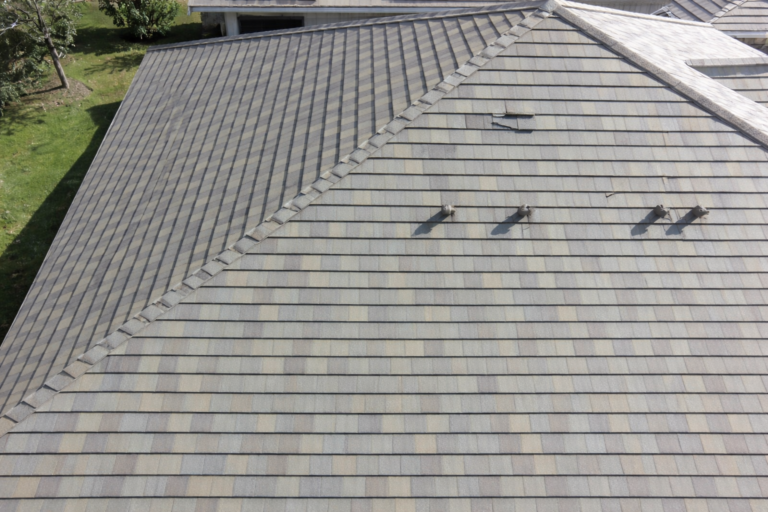
Homeowners in Texas often face unpredictable weather conditions, from intense sun to sudden storms that can damage their roofs. These issues make it necessary to keep your roof in good condition to protect your home and family. A damaged or aging roof can lead to leaks, structural problems, and skyrocketing repair costs if left unaddressed.
That’s where a free estimate from Legacy Roofing Pros can make a difference.
Legacy Roofing Pros’ free estimate ensures that every homeowner receives a complete picture of their roof’s current condition. A thorough inspection is conducted to check for visible and hidden issues, such as missing shingles, water damage, or wear caused by Texas’s intense weather conditions.
Following this evaluation, we compile a clear and actionable report, outlining recommended solutions tailored to your specific needs. With this information, you’ll have everything you need to make informed decisions about your roof.

A roofing calculator helps you estimate costs instantly with a quick ballpark price based on roof size, material, and regional averages. This saves time and gives an immediate cost range before scheduling a detailed inspection.
You enter details such as square footage, slope, and material type, then the calculator generates an estimated price range that covers labor and materials. Asphalt shingles often show a lower cost compared to metal, tile, or synthetic slate. This comparison helps plan budgets and evaluate which materials fit both short term affordability and long term durability.
The tool also lets you test different scenarios. You can adjust roof size or material selections to see how each factor changes the overall cost. The ability to experiment with options makes it easier to prepare financially and decide whether a repair, upgrade, or full replacement makes sense now.
The results provide a starting point only. The calculator cannot account for hidden damage, decking repairs, or local code requirements. The most reliable way to confirm costs is to request a free roof estimate from a certified roofing contractor in Texas.
Enter your details and select a material to see an instant range.
This is an estimate only and does not include hidden damage, decking repairs, specialty details, or local code upgrades. Contact Legacy Roofing Pros for a free, written estimate.
Ready for exact pricing? A certified Texas roofing expert can confirm your numbers after an on site check.
Contact UsA new roof in Texas typically costs between $8,000 and $25,000, depending on the size, materials, and complexity of the installation. The wide range exists because every home has different needs and challenges.
Roofing material is often the biggest factor that determines the final price. Asphalt shingles usually fall on the lower end of the spectrum, while metal, tile, or synthetic slate cost more but provide longer-lasting durability. The slope of the roof, accessibility, and any structural repairs needed can also influence the overall investment.
Texas homeowners also face regional cost adjustments. Areas that experience frequent hail or storm damage may see higher costs due to added reinforcements and stronger materials. Urban locations sometimes carry higher labor rates compared to smaller towns.
Although price is an important factor, homeowners should also weigh the long-term value. Premium materials may cost more upfront but can deliver decades of performance and reduce future repair bills. A free roof estimate helps clarify these numbers and shows which option best fits your home and budget.
Material is usually the largest cost driver. Asphalt shingles are the most affordable, while premium materials like metal, tile, or synthetic slate require a higher investment.
Roof size directly impacts cost because larger roofs need more materials and additional labor hours.
Skilled installation teams may cost more, but professional work ensures durability and compliance with building codes.
The condition of your current roof can increase costs. Hidden damage, rotten decking, or outdated ventilation systems may require repairs before installation.
Steep or complex designs are harder to work on, require additional safety measures, and increase labor time.
Hail-prone regions may need impact-resistant shingles or reinforcements, which can add to the final cost and improve long-term protection.
The price of a new roof is influenced by material choice, roof size, labor, and the condition of the existing structure. Each of these factors can raise or lower the overall cost.
Material is usually the largest cost driver. Asphalt shingles are the most affordable, while premium materials like metal, tile, or synthetic slate require a higher investment. Roof size directly impacts cost because larger roofs need more materials and additional labor hours.
Labor also plays a major role. Skilled installation teams may cost more, but professional work ensures durability and compliance with building codes. The condition of your current roof can increase costs as well. Hidden damage, rotten decking, or outdated ventilation systems often require repairs or upgrades before new materials can be installed.
Homeowners in Texas should also consider local weather demands. Roofs in hail-prone regions may need impact-resistant shingles or reinforcements, which can add to the final cost but provide better long-term protection.
Yes. The type of roofing material directly affects the price of a roof because each material has different costs for production, installation, and longevity. Asphalt shingles are generally the most budget-friendly option, while metal, tile, and synthetic slate fall into higher price ranges.
Materials like metal or synthetic slate not only cost more upfront but also require specialized installation, which increases labor expenses. On the other hand, asphalt shingles are easier to install and widely available, making them more affordable. Tile and slate are heavier, which may require additional structural support, further raising the cost.
Homeowners often choose materials by balancing immediate affordability with long-term value. While asphalt shingles may be cheaper at the start, premium options can last decades longer and may reduce maintenance and repair costs over time.
Yes. Roof size changes the final roofing estimate because larger roofs require more materials and labor to complete. Every additional square foot adds shingles, underlayment, flashing, and fasteners, which increases both material and installation costs.
A bigger roof also takes more time to install. More labor hours, safety equipment, and cleanup efforts are needed, all of which raise the overall price. Even the slope of the roof can affect cost, since steep or complex designs are harder to work on and require additional safety measures.
Smaller roofs generally result in lower estimates, but they still carry fixed costs like setup, disposal, and transportation. That means even modest-sized homes should expect some baseline expenses regardless of roof size.
Yes. Labor cost is different between roof repair and replacement because each job requires a different level of time, skill, and resources. Repairs usually involve targeted fixes like replacing shingles, sealing leaks, or patching flashing, which takes less time and fewer workers.
Roof replacement is more labor-intensive. The process involves removing old materials, inspecting decking, installing new underlayment, and laying the chosen roofing system. This requires a larger crew and more work hours, which raises the labor portion of the estimate.
Repairs may seem cheaper in the short term, but frequent fixes can add up over time. A full replacement carries higher labor costs initially but often provides better long-term value
A free roof estimate in Texas works by following a simple process that includes a request, inspection, cost calculation, and review of options. Each step gives homeowners a clear understanding of their roof’s condition and the costs involved without any obligation.
The process usually begins when a homeowner submits a request for an estimate. A roofing professional then schedules an inspection and visits the property to check the roof condition, measure dimensions, and identify visible or hidden damage. After collecting this information, the contractor prepares a detailed cost estimate that includes material choices, labor, and any additional services that may be required.
Once the estimate is ready, the homeowner reviews the findings and can ask questions or request adjustments. This final step ensures the homeowner fully understands the recommendations and available options before making a decision.
A free roof estimate is more than a number on paper. It acts as a guide, helping Texas homeowners see what work is necessary and how different materials or upgrades can protect their home from the state’s weather conditions.
Submit your details to start the process. A roofing professional will confirm and schedule a visit.
Roofers inspect your roof, check for damage, and record measurements for accuracy.
The contractor prepares an estimate that includes labor, materials, and any extra services.
Homeowners review the findings, ask questions, and consider materials or upgrades before deciding.
When you submit a free roof estimate request, a roofing professional contacts you to confirm details and schedule a convenient time for an inspection. This initial step sets the foundation for an accurate and personalized estimate.
The request usually requires basic information such as your address, the type of roofing you have, and any concerns you want checked. Some companies may also ask for recent photos of your roof to prepare ahead of time. Once the request is received, the estimator arranges a visit to your property.
During this stage, clear communication is important. Homeowners often receive a confirmation call or email with appointment details, so they know exactly when to expect the inspection. This step also gives you the chance to ask preliminary questions about materials, timing, or the overall process.
Submitting a request is simple but valuable. It ensures that the estimator arrives prepared and that you receive a free roof estimate that reflects your specific home and roofing needs in Texas.
Roofers inspect and measure your roof by checking its overall condition, identifying signs of damage, and recording accurate dimensions. This step ensures that the estimate reflects both the size of the roof and any issues that need attention.
An inspection often begins with a walk around the property to look for missing shingles, sagging areas, or damage caused by wind and hail. Roofers also check flashing, gutters, vents, and skylights to see if water penetration or structural wear is present.
Once the roof is visually inspected, the roofer measures its dimensions. Measurements may be taken manually with tools or through advanced methods such as drone technology and satellite imaging. These measurements are used to calculate the number of shingles or panels required, the amount of underlayment needed, and the labor hours involved.
Accurate inspection and measurement are critical. A roof that is not properly measured can lead to cost errors and material shortages. By taking careful measurements and checking for hidden damage, roofers provide a detailed foundation for a free roof estimate that homeowners can rely on.
A free roof estimate includes the costs of labor, materials, and disposal, along with a breakdown of available roofing options. This detailed information helps homeowners understand exactly what they are paying for and which choices best fit their needs.
Labor costs cover the work involved in removing old materials, preparing the surface, and installing the new roofing system. Material costs depend on the type of roof selected, whether it is asphalt shingles, metal panels, tile, slate, or synthetic options. The estimate may also account for underlayment, flashing, ventilation components, and sealants.
Additional items such as permits, decking repairs, and cleanup are usually listed separately to give a complete picture. By including these details, the estimate prevents unexpected expenses and allows homeowners to compare quotes fairly.
Material options are presented with different price ranges, durability levels, and style considerations. This allows homeowners to see the difference between an affordable short-term solution and a premium option designed for decades of protection.
After receiving a free roof estimate, the next step is reviewing the details carefully and asking questions about anything that is unclear. This ensures you fully understand the scope of work, the pricing, and the material options being presented.
Once you are comfortable with the estimate, you can decide whether to move forward with the recommended repairs or replacement. Some homeowners use this stage to compare quotes from different contractors. This comparison helps confirm that the pricing is fair and that the company you choose offers the quality and service you expect.
If you decide to proceed, the contractor will schedule the project, order materials, and prepare your property for the work. At this stage, you may also be given options for warranties, financing, or additional upgrades such as impact resistant shingles or energy efficient materials.
The free estimate serves as both a guide and a commitment point. It allows you to move forward with confidence, knowing the project has been clearly outlined and tailored to your specific roofing needs in Texas.
A free roof estimate usually includes a breakdown of labor, materials, and additional services needed to complete the job. This information gives homeowners a clear picture of the project’s total scope and expected costs.
The estimate outlines labor charges for removing old roofing, preparing the surface, and installing the new system. Material costs are detailed by type, showing how asphalt shingles, metal, tile, slate, or synthetic products differ in price. Many estimates also include underlayment, flashing, fasteners, and sealants, which are essential for a durable installation.
Additional services such as permits, decking repairs, or disposal of old materials are often listed separately. This level of detail helps prevent hidden fees and makes it easier to compare estimates from multiple contractors.
By showing both standard inclusions and potential extras, a free roof estimate acts as a transparent guide. It allows homeowners in Texas to plan ahead, choose the right materials, and feel confident about the investment before any work begins.
A free roof estimate calculates the cost of materials, labor, and tear-off to give homeowners a full picture of the project. These three categories represent the core of most roofing estimates.
Material costs cover the shingles or panels, underlayment, flashing, nails, and ventilation components. The price varies depending on the type of roofing selected, such as asphalt shingles, metal, tile, or synthetic slate. Each option comes with different durability levels and warranties, which also influence cost.
Labor costs reflect the crew’s time and expertise. This includes removing old roofing, preparing the roof deck, and installing the new system. Skilled crews may charge more, but professional work ensures the roof is installed correctly and meets local code requirements.
Tear-off costs account for removing and disposing of the old materials. This step is necessary for most roof replacements, as it allows roofers to inspect the decking for damage before installing new products. The amount of waste generated and the type of roofing removed both affect this part of the estimate.
By breaking down these costs, a free roof estimate shows exactly where the money goes and helps homeowners make informed decisions about the project.
Homeowners should expect permits, decking repairs, and possible hidden costs to appear in a free roof estimate. These items are not always obvious at first but often play an important role in the overall price.
Permits are required in many Texas cities before roofing work begins. Fees vary depending on the municipality, and contractors typically include them in the estimate to ensure compliance with local building codes.
Decking repairs are another common cost. When old shingles or panels are removed, roofers may find rotted or weakened wood underneath. Replacing damaged decking is necessary to create a solid foundation for the new roof and to keep the structure safe.
Hidden costs may also arise from factors like flashing replacement, additional ventilation, or disposal of larger amounts of debris. Some older homes may require code upgrades, which can also influence the final total.
By listing these potential expenses upfront, a free roof estimate helps prevent unpleasant surprises and allows homeowners to prepare for the true cost of the project.
A free roof estimate allows homeowners to compare roofing options by material, showing the differences in cost, durability, and appearance. This comparison helps you choose the best balance between budget and long-term value.
Asphalt shingles are often the most affordable choice and remain popular for residential properties across Texas. They are available in different styles and grades, making them versatile for various budgets. Metal roofing costs more upfront but delivers excellent durability, energy efficiency, and resistance to hail and wind.
Tile and slate are premium materials that offer long lifespans and distinctive curb appeal. However, they are heavier and may require structural reinforcement, which adds to the overall cost. Synthetic products, such as DaVinci slate or shake, combine the look of natural materials with lighter weight and advanced weather resistance.
By reviewing these options side by side, the estimate provides transparency. Homeowners can clearly see how each material affects both the price and the performance of their new roof.
A roof replacement in Texas usually costs between $8,000 and $25,000, with the final price depending on roof size, material selection, and project complexity. This wide range reflects the different needs of homes across the state.
Asphalt shingles are the most affordable option and generally fall at the lower end of the range. Metal, tile, or synthetic slate increase costs but provide greater durability and curb appeal. Roofs with steep slopes, multiple levels, or unique architectural features require more labor, which also raises the estimate.
Location can influence the price as well. Areas that experience frequent hailstorms may require stronger materials or reinforcements, while larger cities often have higher labor costs compared to smaller towns.
A free roof estimate takes these factors into account and gives homeowners a personalized figure. Seeing the projected costs in detail helps you decide whether to move forward with repairs, upgrades, or a complete replacement.
Most affordable; wide style range for budgets.
Budget-friendlyStanding seam or corrugated; strong hail and wind resistance.
LongevityDistinct style, long lifespan; may need structural reinforcement.
Premium lookHigh curb appeal and durability; lighter synthetics reduce weight.
High-endAverage roof replacement costs by material in Texas vary because each option carries different pricing for materials and labor. Asphalt shingles usually cost between $3 and $6 per square foot installed, making them the most affordable choice for homeowners.
Metal roofing generally ranges from $7 to $14 per square foot, depending on whether you choose standing seam panels or corrugated sheets. Tile roofing costs between $10 and $18 per square foot, offering a long lifespan and distinct style but often requiring extra structural support. Slate and premium synthetic materials such as DaVinci typically range from $12 to $20 per square foot or more, reflecting their durability and curb appeal.
These averages give homeowners a way to compare options before making a decision. Asphalt shingles may cost less upfront, while higher-end materials often last decades longer and include stronger warranties. A free roof estimate highlights these differences clearly so you can select the material that offers the right balance of value and performance for your home.
Homeowners should watch out for additional or hidden roofing costs such as permits, decking repairs, flashing replacement, and disposal fees. These expenses may not appear obvious at first but often play a role in the total project price.
Permits are required in many Texas cities before roofing work can begin. The cost depends on the municipality, and contractors typically include this fee in the estimate. Decking repairs are another common expense. When the old roof is removed, roofers may find rotted or weakened wood that needs to be replaced to create a solid foundation.
Other hidden costs can come from replacing flashing around chimneys, skylights, or vents. Proper flashing is critical to preventing leaks and keeping the roof system watertight. Disposal of old shingles or panels also adds to the price, especially for larger roofs or heavier materials such as tile.
Knowing about these possible extras ahead of time helps you prepare a more accurate budget. A free roof estimate that lists these items clearly gives homeowners confidence and reduces the chance of surprise charges later.
You measure a roof for an estimate by calculating its total surface area and recording the details needed for material and labor planning. Roofers use this measurement to determine how many shingles, panels, or tiles are required, as well as the time and crew size needed to complete the job.
The process usually starts with finding the roof’s square footage. Contractors either measure each section manually or use advanced methods such as drones and satellite tools to capture accurate dimensions. Roof pitch is also included in the calculation because steeper roofs require more material and additional labor for safety and installation.
Homeowners can try online calculators to get a rough idea of roof size, but professional measurements are more reliable. A trained roofer checks every detail, including overhangs, valleys, and dormers, which are easy to overlook but important for accuracy.
Accurate measurements ensure that the free roof estimate reflects the true cost of the project. Without precise numbers, the estimate may underestimate material needs or labor time, leading to unexpected expenses.
Contractors measure each roof section manually or with satellite tools to capture surface area.
Steeper slopes require more material and extra labor for safe installation.
Overhangs, valleys, and dormers are counted to avoid underestimating material needs.
Professional inspection ensures numbers are precise, preventing surprise costs later.
Online roofing calculators help you estimate your roof by giving a quick cost range based on size, pitch, and material choice. These tools are convenient for homeowners who want a ballpark figure before scheduling a professional estimate.
Most calculators work by asking for simple details such as square footage, roof slope, and preferred material. Once entered, the tool provides an estimated price range that combines labor and material costs. Asphalt shingles usually appear at the lower end of the scale, while metal, tile, or synthetic products show higher ranges.
Homeowners use these calculators to compare materials and test different scenarios. Adjusting the size or switching from shingles to metal, for example, shows how much the final cost could change. This makes budgeting easier and helps homeowners set realistic expectations.
While calculators are helpful for planning, they cannot detect hidden issues like storm damage, rotten decking, or local code requirements. For a reliable figure, the best next step is to request a free roof estimate from a certified roofing contractor in Texas.
Contractors calculate roof size accurately by combining precise measurements with knowledge of roof design and slope. They measure each section of the roof to capture the full surface area, including ridges, valleys, and overhangs that add to material requirements.
Many contractors use measuring tapes, laser tools, or drones to ensure accuracy. Satellite imagery has also become common, allowing roofers to create digital models of a property. These tools improve efficiency and reduce errors that can lead to material shortages or added costs.
Roof pitch plays an important role in these calculations. A steep slope increases surface area compared to a flat section of the same width and length. Contractors factor this in to determine how much roofing material is needed and how labor-intensive the installation will be.
Accurate calculations matter because even small errors can lead to ordering too few or too many materials. A professional measurement ensures the free roof estimate reflects the true cost of the project and helps homeowners budget with confidence.
You should use a roof measuring app for estimates when you want a quick calculation of roof size before speaking with a contractor. These apps are helpful for homeowners who prefer to gather basic information about their roof’s dimensions in advance.
A measuring app uses satellite images or drone integration to calculate roof area and slope. By entering your address or uploading photos, the app provides an estimate of square footage and sometimes even a cost range. This makes it a convenient option if you want to compare rough numbers between materials like shingles, metal, or tile.
An app is also useful for checking measurements when planning home improvements. Homeowners often use these tools to prepare for conversations with contractors or to double-check numbers after receiving a quote.
Although apps are convenient, they are not as reliable as a professional inspection. They cannot detect hidden damage, weak decking, or other structural issues. For accuracy and peace of mind, the best approach is to use a measuring app as a starting point and then request a free roof estimate from a trusted roofing company in Texas.
A free roof estimate benefits homeowners by removing guesswork, improving planning, and building trust with the contractor. This service provides clarity without requiring any financial commitment.
Homeowners gain a clear picture of expected costs. Estimates include labor, materials, and potential extras, which helps avoid surprises and makes it easier to compare contractors fairly.
Another benefit comes from early detection of roof problems. During the inspection, roofers may discover hidden damage such as leaks, rotted decking, or weakened flashing. Identifying these issues early allows for timely repairs that prevent more expensive damage later.
Free estimates also provide flexibility. Homeowners can review several quotes, compare warranties, and evaluate different material options before making a decision. This transparency builds confidence that the chosen contractor is reliable and offers real value.
Here are the main benefits of requesting a free roof estimate:

Strong Texas storms can leave roofs vulnerable to leaks. We provide emergency tarping to protect your home from further water damage until permanent repairs can be made.

A well-maintained roof enhances both curb appeal and property value. Our estimate helps you understand the necessary improvements to maximize your Texas property’s resale potential.
Hailstorms are common in Texas and can cause dents, cracks, and granule loss. We inspect and repair hail-damaged roofs to restore their durability and longevity.

Knowing your roof’s condition ensures safety and security for your family. Our free estimate identifies risks early, offering peace of mind for homeowners throughout Texas.

A professional estimate equips you to decide whether your roof requires repair, maintenance, or replacement, ensuring proactive steps for properties anywhere in Texas.
Our estimates detect vulnerabilities, helping you avoid costly emergency repairs caused by Texas’s unpredictable weather, from hurricanes to intense summer heat.
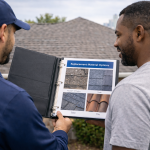
During our free estimate, we offer options suited to Texas’s diverse climates, from heat-resistant materials for arid regions to storm-durable options for areas prone to severe weather.
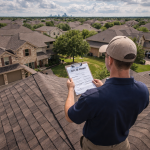
Our roofing professionals are experts in building codes and regulations across Texas. A free estimate ensures your roof complies with all local and state standards, preventing compliance issues.

If your roof has suffered damage from hail or storms, our estimate serves as essential documentation for insurance claims, simplifying the process for homeowners across Texas.

With a free roof estimate from Legacy Roofing Pros, you receive honest, expert guidance from certified professionals, giving you confidence in your roofing project anywhere in Texas.
Homeowners can save money on a roofing estimate by comparing multiple quotes, choosing materials wisely, timing the project strategically, and considering financing options. Each of these steps can lower costs without reducing quality.
Comparing estimates from different contractors helps identify fair pricing and exposes hidden fees. This also ensures that you receive competitive offers and can choose the company that provides the best value. Selecting the right material is another way to save. Asphalt shingles cost less than metal, tile, or slate, but even within shingles, there are budget-friendly and premium grades to fit different needs.
Timing also influences the price. Scheduling work during off-peak seasons, such as late fall or early winter, may reduce labor costs since contractors are less busy. Some companies also offer promotions during slower months.
Financing and payment plans are additional ways to make a roofing project more affordable. Instead of paying the entire cost upfront, homeowners can spread expenses over time with flexible terms that fit their budget.
Review scope, permits, decking repairs, and disposal fees so you can spot missing or inflated items.
Find fair pricingAsphalt shingles are budget friendly. Premium grades or metal add lifespan and performance at higher cost.
Budget vs longevityPlan during late fall or early winter when schedules are lighter and promos are more likely.
Off-peak savingsBreak the project into manageable payments and unlock better materials without a lump-sum strain.
Flexible paymentsYou should compare multiple roofing quotes to ensure you receive fair pricing, transparent details, and quality service. Looking at estimates from different contractors helps you spot major differences in cost, scope, and warranties.
A single quote may not show whether the price is competitive. By comparing several, you can see which contractors include important details such as permits, decking repairs, or disposal fees. This prevents surprise charges later and gives you a clearer understanding of the true cost.
Comparing quotes also helps evaluate professionalism. A thorough, well-organized estimate often signals that the contractor is experienced and trustworthy. If one quote seems vague or leaves out important details, that may be a sign to look elsewhere.
Homeowners in Texas benefit from this process because roofing costs can vary widely by material, labor, and regional demand. Reviewing multiple quotes ensures you find the right balance of price, reliability, and long-term value.
You choose the right roofing material for budget and climate by balancing upfront cost, durability, and how well the product performs in your local weather conditions. Each material offers different advantages depending on your priorities.
Asphalt shingles are the most budget-friendly option and work well for many Texas homes. They are widely available and easy to install, but they may wear out faster under extreme heat or frequent hail. Metal roofing costs more initially but delivers excellent resistance to wind and hail, along with energy savings during hot summers.
Tile and slate roofs are premium choices that last for decades and enhance curb appeal. However, they are heavier, which can require additional structural support, and they carry higher installation costs. Synthetic options, such as DaVinci products, combine the look of slate or shake with lighter weight and strong storm resistance.
Choosing the right material means considering both short-term affordability and long-term value. A free roof estimate gives you the opportunity to compare materials side by side, ensuring you select the best fit for your budget and the Texas climate.
The best time to schedule a roof replacement for savings is during off-peak seasons when contractors are less busy. In Texas, late fall and early winter often provide the best opportunities for reduced labor rates and promotional offers.
Roofing companies usually experience high demand in spring and summer after severe storms. Prices may rise during those times because of material shortages and packed schedules. By planning a replacement outside of peak storm season, you can avoid these cost increases and secure more flexible scheduling.
Cooler months also give crews better working conditions, which can improve efficiency and reduce delays. While weather can be unpredictable, contractors are often more available and may offer seasonal discounts to keep projects moving.
Scheduling your roof replacement strategically can lead to meaningful savings without sacrificing quality. A free roof estimate helps you plan ahead and lock in a timeline that fits both your budget and your home’s needs.
Yes. Financing and payment plans can lower the cost of a new roof by spreading expenses into smaller, manageable installments instead of requiring full payment upfront. This approach makes roof replacement more accessible for homeowners who need urgent work but want to avoid large one-time costs.
Many roofing companies in Texas offer flexible financing programs that include low-interest rates or extended payment terms. These options allow you to choose a plan that fits your budget while still completing the project on time. Payment plans may also come with quick approval processes, which helps homeowners move forward without delays.
The ability to spread costs over several months or years means you can invest in higher-quality materials that last longer and reduce repair expenses in the future. A free roof estimate often includes details about available financing so you can explore affordable ways to protect your home.
Warranties and guarantees that should be part of a roofing estimate include coverage for workmanship, materials, and manufacturer-backed protection. These assurances give homeowners confidence that their investment is protected both immediately and long term.
A workmanship warranty covers the quality of installation. If errors occur during the process, the contractor is responsible for correcting them. Material warranties come from manufacturers and protect against defects in shingles, metal panels, or synthetic products. Some premium options, like DaVinci or TAMKO, also offer extended system warranties when installed by certified contractors.
Guarantees may include cleanup commitments, code compliance, and satisfaction pledges that ensure the project meets expectations. Having these written into the estimate prevents confusion and sets clear standards for accountability.
When a free roof estimate outlines warranty and guarantee details, homeowners can compare contractors more fairly. This transparency makes it easier to choose the roofing company that offers the best balance of protection, reliability, and value.
Coverage for installation errors, ensuring leaks or poor sealing are corrected by the contractor.
Manufacturer warranties for shingles, metal, or synthetic products that fail before their expected lifespan.
Cleanup commitments, code compliance, and satisfaction pledges written directly into your estimate.
Workmanship warranties typically cover issues caused by installation errors, such as leaks, improper sealing, or poor alignment of roofing materials. These warranties are designed to protect homeowners from problems that result from mistakes during the installation process rather than from the roofing materials themselves.
Coverage often includes repairs for leaks that occur due to faulty flashing, incorrect fastening, or inadequate sealing around vents and chimneys. Some warranties also extend to problems with ventilation or underlayment if they were part of the contractor’s installation.
The length of coverage varies by contractor. Some may offer one to five years, while certified installers backed by manufacturers may provide longer terms. Regardless of the duration, the goal is to give homeowners peace of mind that their roof was installed correctly and will be repaired if installation errors appear.
Manufacturer warranties add long-term protection by ensuring roofing materials perform as expected throughout their service life. These warranties safeguard homeowners against defects that could otherwise lead to early failure and costly repairs.
Coverage typically includes repair or replacement of defective shingles, panels, or tiles. If products wear out prematurely by cracking, curling, or losing granules, the manufacturer provides replacement materials. Some warranties also extend partial labor coverage, especially when certified contractors handle the installation.
The duration of coverage depends on the product. Standard asphalt shingles often come with warranties of 20 to 30 years. Premium products such as metal, tile, or synthetic slate can extend coverage to 40 years or longer. Enhanced protection from brands like TAMKO or DaVinci may offer even greater value when installed by certified professionals.
Warranty coverage is important when comparing estimates because it protects your investment and helps you evaluate the true long-term value of a roofing project. Without warranty details, two estimates that look similar in price may differ greatly in overall protection.
A strong workmanship warranty ensures that installation errors are corrected without additional cost to the homeowner. A manufacturer warranty adds another layer of protection by covering material defects and premature failures. Together, these warranties reduce financial risk and provide confidence that the roof will last as intended.
Comparing warranty terms also highlights differences between contractors. Some may offer only short coverage, while certified professionals can extend warranties through partnerships with manufacturers. This distinction can be a deciding factor for homeowners who want peace of mind and reliable protection.
After receiving a free roof estimate, you review the details to understand the costs, materials, and services included. This review allows you to confirm that the estimate fits your needs and budget.
Homeowners often use this stage to ask questions about the proposed work. You can request clarification on materials, warranties, or optional upgrades. Many also compare the estimate with other contractors to confirm fair pricing and reliable service.
Once you feel confident about the estimate, you decide whether to move forward. Contractors then schedule the project, order materials, and prepare for installation. At this point, you may also explore financing, warranty options, or add-on services.
A free roof estimate gives you more than just numbers. It provides a roadmap for next steps so you can make an informed decision about protecting your home.
Yes. Roofers give free estimates to help homeowners understand the cost of repairs or replacements before committing to a project. These estimates outline labor, materials, and additional services so you can plan with confidence.
Contractors use the estimate process to show transparency and build trust. By providing a no-cost quote, they give you the chance to compare options and decide if their services match your budget and expectations.
Free estimates also benefit roofers because they allow them to demonstrate professionalism and explain the value of their work. When handled clearly, this step often helps homeowners feel more comfortable moving forward with the project.
Yes. A roofing estimate is really free when offered by reputable contractors, and it comes with no obligation to hire their services. The purpose is to give homeowners a clear idea of costs before making a decision.
Contractors provide these estimates to build trust and to help homeowners compare options. The estimate usually includes a breakdown of labor, materials, and any potential extras such as permits or disposal.
Free estimates allow you to gather information without financial risk. By reviewing the details, you can plan your budget, explore material choices, and decide whether the contractor is the right fit for your project.
No. You do not have to hire a contractor after getting a roof estimate because the service is provided without obligation. The estimate is meant to inform you about costs and options, not to lock you into a contract.
Homeowners often request multiple estimates before choosing a company. This comparison helps confirm fair pricing, quality of service, and available warranties. A professional contractor respects your decision-making process and does not pressure you into signing.
Reviewing estimates gives you time to consider budget, materials, and long-term value. When you are ready, you can select the contractor who best fits your needs and proceed with confidence.
Yes. A roofing estimate can change later if the inspection reveals hidden damage, code requirements, or additional work that was not visible at first. Estimates are based on the information available during the initial inspection, and some conditions only appear once the old roof is removed.
Common changes include replacing rotten decking, upgrading ventilation, or adding flashing around chimneys and skylights. These adjustments protect the structure and ensure the roof meets safety and building standards.
Reputable contractors explain these possibilities up front and update the estimate before proceeding. This transparency gives you the chance to approve changes and understand why the cost has shifted.
No. A roof estimate is not the same as a roof inspection because each serves a different purpose. An estimate outlines projected costs for labor, materials, and services, while an inspection evaluates the current condition of the roof.
During an inspection, a roofer checks for damage, wear, and structural issues. This process helps determine what repairs or replacements are needed. The estimate then uses those findings to provide pricing and options.
Homeowners often receive both at the same time, but they should understand the difference. The inspection identifies the problems, and the estimate explains the cost of fixing them. Together, they give a complete picture of what the project involves.
Yes. You can get a free roof estimate online by submitting your address, roof details, and contact information through a contractor’s website. Many roofing companies in Texas also offer calculators or digital request forms that give you an initial cost range.
An online estimate is convenient because you can start the process anytime without scheduling a phone call. Some tools use satellite images to measure your roof, while others request basic details such as size, slope, and material preference.
Although online estimates are quick, they are only approximations. A professional inspection is still necessary to confirm the condition of the decking, flashing, and ventilation. The combination of an online estimate and an in-person inspection provides the most accurate pricing.
Warranties and guarantees that should be part of a roofing estimate include coverage for workmanship, materials, and manufacturer-backed protection. These assurances give homeowners confidence that their investment is protected both immediately and long term.
A workmanship warranty covers the quality of installation. If errors occur during the process, the contractor is responsible for correcting them. Material warranties come from manufacturers and protect against defects in shingles, metal panels, or synthetic products. Some premium options, like DaVinci or TAMKO, also offer extended system warranties when installed by certified contractors.
Guarantees may include cleanup commitments, code compliance, and satisfaction pledges that ensure the project meets expectations. Having these written into the estimate prevents confusion and sets clear standards for accountability.
When a free roof estimate outlines warranty and guarantee details, homeowners can compare contractors more fairly. This transparency makes it easier to choose the roofing company that offers the best balance of protection, reliability, and value.
Workmanship warranties typically cover issues caused by installation errors, such as leaks, improper sealing, or poor alignment of roofing materials. These warranties are designed to protect homeowners from problems that result from mistakes during the installation process rather than from the roofing materials themselves.
Coverage often includes repairs for leaks that occur due to faulty flashing, incorrect fastening, or inadequate sealing around vents and chimneys. Some warranties also extend to problems with ventilation or underlayment if they were part of the contractor’s installation.
The length of coverage varies by contractor. Some may offer one to five years, while certified installers backed by manufacturers may provide longer terms. Regardless of the duration, the goal is to give homeowners peace of mind that the roof was installed correctly and will be repaired if installation errors appear.
When included in a free roof estimate, workmanship warranties provide assurance that the contractor stands behind the work and is committed to long-term reliability.
Manufacturer warranties add long-term protection by ensuring roofing materials perform as expected throughout their service life. These warranties safeguard homeowners against defects that could otherwise lead to early failure and costly repairs.
Coverage typically includes repair or replacement of defective shingles, panels, or tiles. If products wear out prematurely by cracking, curling, or losing granules, the manufacturer provides replacement materials. Some warranties also extend partial labor coverage, especially when certified contractors handle the installation.
The duration of coverage depends on the product. Standard asphalt shingles often come with warranties of 20 to 30 years. Premium products such as metal, tile, or synthetic slate can extend coverage to 40 years or longer. Enhanced protection from brands like TAMKO or DaVinci may offer even greater value when installed by certified professionals.
Including manufacturer warranties in a free roof estimate allows homeowners to compare materials not only by cost but also by long-term reliability. This assurance strengthens confidence that the investment will last.
Warranty coverage is important when comparing estimates because it protects your investment and helps you evaluate the true long-term value of a roofing project. Without warranty details, two estimates that look similar in price may differ greatly in overall protection.
A strong workmanship warranty ensures that installation errors are corrected without additional cost to the homeowner. A manufacturer warranty adds another layer of protection by covering material defects and premature failures. Together, these warranties reduce financial risk and provide confidence that the roof will last as intended.
Comparing warranty terms also highlights differences between contractors. Some may offer only short coverage, while certified professionals can extend warranties through partnerships with manufacturers. This distinction can be a deciding factor for homeowners who want peace of mind and reliable protection.
When a free roof estimate clearly explains warranty coverage, it becomes easier to judge which contractor offers the best balance of cost and long-term security.
Call for fast emergency roof help.
Legacy Roofing Pros provides free roof estimates in Texas through professional inspections, clear pricing, and the use of modern tools. The company designs this process to give homeowners a full understanding of their roof condition and the cost of repair or replacement without obligation.
The process begins with a detailed inspection that identifies visible and hidden issues. The team measures the roof accurately, checks for storm damage, and evaluates the structure. This information creates the foundation of the written estimate.
Homeowners then receive a complete breakdown of material choices, labor costs, and possible extras such as decking repair or ventilation improvements. Including these items in the estimate prevents unexpected charges and makes comparisons easier.
The company also uses advanced technology such as drones, AI reports, and a mobile app that allows homeowners to monitor progress. These tools improve accuracy and provide updates from the estimate stage through to project completion.
A free roof estimate from Legacy Roofing Pros serves as a clear guide. It helps homeowners in Texas protect their property and plan their investment with confidence.
Legacy Roofing Pros ensures accuracy and transparency by completing thorough inspections, maintaining clear communication, and providing written estimates that explain every part of the project. The team explains the process in simple terms so homeowners understand the roof condition and the costs involved.
Inspectors measure each section of the roof with precision, check for storm damage, and evaluate the structure for hidden issues. The estimate reflects these findings and lists material options, labor charges, and possible extras such as decking or flashing repairs.
Transparency also comes from open communication. Team members answer questions, explain recommendations, and adjust the estimate if the homeowner wants to explore different materials or upgrades.
Legacy Roofing Pros combines careful inspections with clear explanations to give homeowners confidence that the estimate is accurate and free from hidden costs.
Yes. Legacy Roofing Pros provides written estimates for every project to ensure homeowners have a clear record of costs and services. Each estimate outlines the scope of work, the material options, and the labor required.
Homeowners receive a document that explains what is included in the project and what additional work may be necessary. This written approach prevents confusion and makes it easier to compare options with other contractors.
The written estimate also serves as a reference point for both the homeowner and the roofing team. If questions arise during the project, the estimate provides a reliable guide to resolve them quickly.
Yes. All free estimates with Legacy Roofing Pros are truly no obligation, which means homeowners can review the information without pressure to move forward. The estimate serves as a guide to help you understand costs, materials, and project options.
Homeowners often request several estimates before making a decision. Legacy Roofing Pros respects this process and provides the information you need to compare contractors with confidence.
The no obligation approach gives you time to evaluate the estimate, ask questions, and decide when the right time is to begin the project. This ensures that every step moves forward on your terms.
Legacy Roofing Pros supports the free roof estimate process with advanced tools and modern technology that improve accuracy and efficiency. The team uses drones, satellite imagery, and digital reporting to capture precise measurements and identify problem areas.
Drones provide a clear aerial view of the roof, making it possible to spot storm damage or wear that might be difficult to see from the ground. Satellite imagery allows the team to measure roof dimensions without delay, which speeds up the estimating process.
The company also offers a mobile app that lets homeowners track updates and stay informed about the status of their estimate and project. Digital reports combine photos, measurements, and notes so homeowners can review details easily.
By combining these tools with professional expertise, Legacy Roofing Pros delivers estimates that are both reliable and transparent.
Legacy Roofing Pros adds extra value to free roof estimates by including free inspections, offering material recommendations, and guiding homeowners through storm damage documentation. These services go beyond standard estimates and provide meaningful support.
Inspectors check for storm damage, leaks, and structural issues at no additional cost. The team then explains repair or replacement options with a clear breakdown of costs. This thorough approach helps homeowners avoid unexpected problems later.
Homeowners also receive expert advice on material options that fit their budget and local climate. Recommendations often include impact resistant shingles, energy efficient products, or premium synthetic materials that perform well in Texas weather.
The company also assists with documentation when storm damage is present. By providing detailed reports with photos and notes, Legacy Roofing Pros helps homeowners understand the condition of their roof and prepare for next steps.
Yes. A free roof estimate includes material recommendations that help homeowners choose products suited to their budget and climate. Contractors present different options such as asphalt shingles, metal roofing, tile, or synthetic alternatives.
Homeowners see how each material compares in cost, durability, and appearance. For example, asphalt shingles may be the most affordable option, while synthetic slate provides premium performance and longer life.
Material recommendations also highlight energy efficiency, storm resistance, and warranty coverage. These details make it easier for homeowners to weigh short-term costs against long-term value.
Yes. A free roof estimate helps with storm damage documentation by providing detailed findings that outline the condition of your roof. Contractors record visible damage, measure affected areas, and take photos that clearly show the issues.
This documentation gives homeowners a clear understanding of the extent of the damage. It also creates a reliable record that can be kept for future reference. Many homeowners use these reports to guide repair decisions and to stay informed about the health of their roof.
Storm damage documentation from a free roof estimate ensures that nothing goes unnoticed and that homeowners have the information they need to protect their property.
CONTACT US TODAY!
Getting started is easy. Complete our online form today to schedule your free roofing estimate. Once submitted, our team will contact you to set up a convenient time for your inspection and provide detailed recommendations to help you make the best decisions for your roof.
Tell us what’s going on and our team will follow up quickly.