Monday to Friday
Drop your queries
Round Rock, TX 78681,
United States
Head Office
Legacy Roofing Pros provides professional roof coating services in Texas designed to protect roofs from leaks, heat, and weather damage. Our coatings extend roof lifespan, improve energy efficiency, and restore aging roofing systems. Schedule a free roof inspection today.


CONTACT US TODAY!







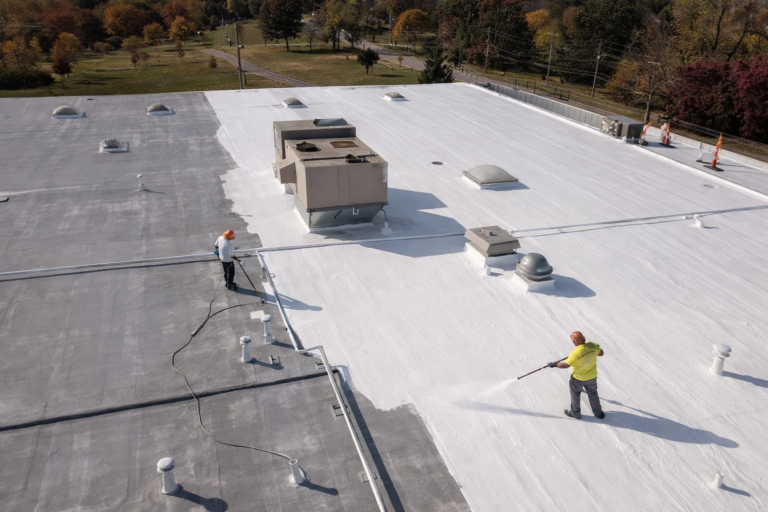
Texas roofs face heat, sun, and sudden storms, and roof coating gives building owners a practical way to protect the structure, lower cooling costs, and extend roof life without a full tear off. This service applies a liquid membrane that seals seams, stops minor leaks, and reflects harsh UV. Many projects land well below the cost of replacement, with totals that can be 30 to 50 percent less depending on roof size and condition.
Property managers choose coating to reduce downtime and keep operations moving. Crews clean, repair, and prep the surface, then apply the system by roller or spray to create a continuous waterproof layer. The result helps control interior temperatures during long Texas summers and adds resilience when wind and hail season arrives.
A well planned coating also improves maintenance and budgeting. The system is inspected and serviced on a schedule, touch ups stay simple, and future recoat options keep the roof performing for years. When the existing roof is a good candidate, coating delivers a smart balance of protection, efficiency, and value for commercial and large residential buildings across Texas.
Homeowners and business owners in Texas need roof coating services to prevent leaks and water damage caused by heavy rains that seep into cracks, leading to mold and structural issues. Reflective roof coatings help reduce energy costs by keeping buildings cooler and lowering air conditioning usage.
A high-quality coating extends the roof’s lifespan by acting as a protective shield against UV rays, hail, and debris while minimizing maintenance costs by reducing the frequency of repairs. Additionally, roof coatings preserve structural integrity by adding an extra layer of protection that enhances the strength and longevity of both residential and commercial buildings. Our Roof Coating Services Include:
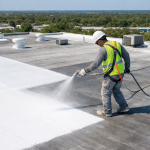
Designed to withstand Texas’ extreme heat and temperature fluctuations, this flexible coating expands and contracts with the roof, preventing cracks and leaks. Ideal for commercial and residential properties exposed to harsh UV rays.
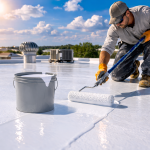
A top choice for Texas roofs facing frequent heavy rains and intense sun exposure. This waterproof, UV-resistant coating prevents ponding water issues, common in areas with unpredictable storms and high humidity.
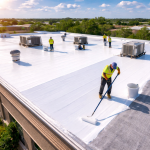
A cost-effective solution for combating Texas’ scorching summers, this reflective coating reduces heat absorption, helping businesses and homeowners lower cooling costs while extending the lifespan of their roof.
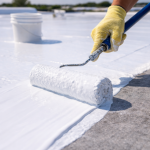
Built to handle Texas’ strong winds and occasional hailstorms, this tough, impact-resistant coating is perfect for high-traffic commercial roofs or structures needing extra protection from severe weather.
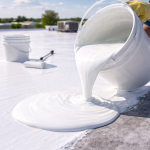
Essential for Texas properties battling extreme heat, this energy-efficient coating reflects sunlight, reducing interior temperatures and cutting down on air conditioning costs—ideal for homes and businesses in cities like Austin, Dallas, and Houston.
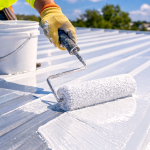
Texas’ rapid weather changes can cause metal roofs to expand and contract, leading to rust and leaks. This coating provides long-lasting protection against corrosion, sealing small gaps and reinforcing the roof’s durability.
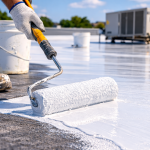
Many commercial buildings in Texas have flat roofs that suffer from pooling water and heat retention. A seamless, waterproof coating prevents leaks, enhances insulation, and protects against UV damage.
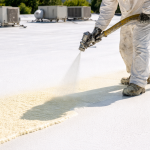
A game-changer for Texas businesses looking for both insulation and durability. This system creates a seamless, energy-efficient barrier that reduces cooling costs while protecting against leaks caused by heavy rain or hail.
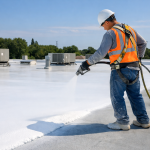
Ideal for older Texas buildings where traditional roofing materials are showing wear. This liquid-applied membrane creates a smooth, watertight layer that withstands extreme temperatures and sudden downpours.
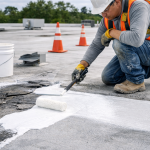
Texas is no stranger to severe storms, hail, and sudden leaks. Our rapid-response roof coating services provide immediate sealing solutions to prevent further damage, protecting homes and businesses from costly repairs.
Call for fast emergency roof help.
Homeowners across Texas can work with Legacy Roofing Pros for professional roof coating services. Coverage includes Central Texas and the Texas Hill Country, and service availability can be confirmed quickly based on your city and schedule needs.
Roof coating is a liquid applied membrane that cures into a seamless layer over the existing roof to restore waterproofing and add UV protection for Texas conditions. The system fills hairline gaps, seals seams and fasteners, and creates a continuous barrier that resists standing sun and seasonal storms. When the underlying roof is sound, a coating can extend service life and delay a full tear off.
The process starts with an inspection to confirm the roof is a good candidate. Teams look for saturated areas, open seams, failed flashing, and drainage problems that must be fixed before any coating goes down. A thorough wash removes dirt, chalk, and biological growth so primers and top coats bond correctly.
Application uses rollers or airless spray to build the membrane to the specified thickness. Primers improve adhesion on tricky surfaces, reinforcing fabric may bridge larger seams or transitions, and detail coats protect penetrations and edges. The cured film reflects a large share of solar radiation, lowers surface temperature, and helps stabilize interior comfort during long Texas summers.
A liquid applied membrane differs from traditional roofing because it cures into a seamless layer that restores the existing surface instead of adding new seams, laps, or fasteners. The coating flows around penetrations, pipe boots, curbs, and skylight bases to form one continuous film. When the roof qualifies, this approach reduces materials sent to the landfill and limits disruption compared with a full tear off.
Traditional systems rely on sheets or shingles that must be stitched together, which creates thousands of linear feet of potential leak paths. A coating system eliminates those joints and focuses attention on details that matter most in Texas, such as edges, penetrations, drains, and seams. Fabric reinforcement and primers are targeted only where needed, which keeps the build simple and efficient while meeting manufacturer requirements.
Another difference is thermal behavior. Texas roofs cycle through wide temperature swings, and a monolithic elastomeric film stretches and recovers with the deck rather than pulling at fasteners or opening at laps. High reflectivity lowers surface temperature under intense sun, which helps reduce heat gain and eases thermal stress on the assembly through long summers.
Application methods also set coatings apart. Instead of staging a large tear off, crews clean, repair, prime where required, and apply the membrane by roller or spray to a specified thickness. That means fewer deliveries, less noise, and a shorter project footprint for busy facilities. Weather windows and cure times still matter, so planning considers humidity, temperature, and rain risk to ensure the film bonds and performs as intended.
The most common roof coating materials in Texas are acrylic, silicone, and urethane or polyurea, each chosen for a specific set of roof conditions. Acrylics deliver strong reflectivity and UV resistance for hot, sunny climates. Silicones handle ponding water well on flat and low slope roofs. Urethane and polyurea systems add impact and abrasion resistance where foot traffic and equipment use are common.
Acrylic coatings suit many substrates, including metal, single ply, and modified bitumen. These water based products are easy to apply, cure into an elastic film, and offer high solar reflectance to help lower surface temperatures. They usually pair with primers that fit the exact substrate and may use fabric at seams to add strength.
Silicone coatings excel where water sits longer after storms or where drainage is imperfect. The cured film resists softening under standing water and stays flexible across temperature swings. Urethane and polyurea add toughness for busy roofs. These materials often go on as base or top coats where carts roll, technicians walk, or hail risk is higher, and they can be combined with other layers to balance reflectivity, durability, and cost.
Yes, acrylic is a good choice for sun and heat in Texas because its high reflectivity helps shed solar load and reduce roof temperature. The bright finish reflects a large share of UV and infrared, which can ease cooling demand inside the building. This thermal benefit also reduces stress on the roof assembly over long summers.
Acrylics are versatile and can be tuned with primers and fabrics to fit many roof types. Crews can reinforce seams and transitions, then build the film to the thickness the manufacturer specifies. Proper surface prep matters, including a thorough wash and any repairs to open seams or failed flashing before coating begins.
Project planning should consider weather windows since acrylics are water based. Warm, dry days support good cure and adhesion. In areas with frequent afternoon storms, scheduling earlier starts and watching humidity helps. When the roof drains well and does not hold water for long periods, acrylic offers a balanced mix of performance, cost control, and energy benefits.
Yes, silicone is often better for areas with ponding water because it resists long term moisture exposure without softening. The cured film maintains integrity where water collects around drains or low spots, making it a strong option for flat or low slope roofs that do not dry quickly after storms.
Silicone coats many substrates and bonds well with the right primer and prep. Crews still need to correct leaks, secure flashing, and solve major drainage issues before application. Once in place, the coating forms a continuous barrier that flexes with temperature changes and helps protect the assembly through Texas storm cycles.
Color choice influences heat performance. White silicone improves reflectivity and helps control surface temperature, while gray and other tints may be used where dirt pickup is a concern. Maintenance remains straightforward. Regular cleaning and touch ups at high stress details keep the system performing, and future recoats can renew the surface when aging appears.
Yes, urethane or polyurea is the right pick for high traffic and impact because these chemistries build a tougher film that resists abrasion and dents. Roofs that see frequent service visits, rolling carts, or hail exposure gain extra durability from these systems. They are often used as base coats or top coats in a layered approach.
Urethane adheres strongly and handles mechanical stress well, which helps at walk paths, around equipment platforms, and near ladder landings. Polyurea cures very fast and creates a dense, resilient surface that stands up to wear. These materials can be paired with reflective finishes to keep temperatures down while preserving toughness where it counts.
Project design should balance cost and performance. Not every square foot needs the highest impact rating. Placing tougher coats at known stress zones and using more reflective or cost friendly layers elsewhere keeps budgets in line. Clear walk path layouts, protection pads at service points, and routine inspection complete the plan for long term durability.
Texas weather favors roof coatings because long seasons of heat and sun accelerate aging on exposed membranes and metals. A reflective coating drops surface temperature, slows UV breakdown, and eases thermal movement at seams and fasteners. That translates to fewer splits, tighter details, and a roof that lasts longer before major work is needed.
Storm patterns add another reason to restore the surface. Sudden downpours test seams, penetrations, and flashings in a short window. A monolithic coating bridges small gaps and creates one continuous layer that sheds water more predictably. Correct prep and targeted reinforcement at drains, curbs, and transitions strengthen the system where storms apply the most stress.
Regional differences also matter across Texas. Gulf Coast humidity and salt air ask for coatings with strong moisture resistance and proven adhesion. Central and North Texas hail calls for tougher film builds and walk paths that steer traffic to protected zones. West Texas temperature swings reward elastic membranes that stretch and recover without opening up details.
Yes, UV exposure is the main threat that coatings help address in Texas because intense sunlight drives oxidation, chalking, and brittleness on many roof surfaces. A high reflectance finish bounces a large share of solar energy away, lowering the temperature of the roof field. Lower heat reduces material fatigue and slows the chain of small failures that often become leaks later.
UV protection pairs with color stability and film thickness. White or cool gray coatings deliver better solar performance than darker tones, and proper dry film thickness improves durability. Primers and fabric at seams help the membrane maintain integrity as the deck expands and contracts through hot afternoons and cooler nights.
Regular cleaning keeps reflectance high and supports long term results. Dust, pollen, and soot can dull the surface and reduce thermal benefit. A simple rinse schedule and quick touch ups at high stress details protect both energy performance and waterproofing, keeping the roof in better shape between seasons.
Yes, wind and hail resistance can improve with the right coating system because a continuous film reduces edges and laps that wind can lift. Strong adhesion, correct primers, and reinforced details at perimeters and penetrations help the membrane stay bonded during gusty events. Fewer weak points mean less chance of water intrusion when storms pass through.
Hail performance comes from material choice and strategic build up. Urethane or polyurea adds impact resilience in known hail corridors, while acrylic or silicone layers provide reflectivity and weathering protection. Walk paths, pads at service points, and added thickness at corners and seams create a tougher surface where damage commonly starts.
Good prep remains the foundation for wind and hail readiness. Tight fasteners, sealed flashings, corrected low spots, and clean surfaces allow the coating to form a strong, even film. Routine inspections after major weather help catch scuffs or dents early, so small repairs prevent larger problems during the next round of storms.
Roof coating is often chosen over full replacement in Texas because it restores waterproofing and reflectivity at a lower cost with far less disruption to daily operations. The system turns a sound existing roof into a seamless surface that manages sun, heat, and storms more predictably. Owners gain time, control budgets, and keep facilities running while improving weather readiness.
Cost and schedule drive many decisions. Coating projects avoid large tear off crews, heavy debris loads, and extended closures that replacement can require. Material usage is focused on the membrane and targeted repairs, which keeps totals lean while still delivering measurable performance gains.
Risk and maintenance also tip the scale. A monolithic film removes thousands of seams and fastener heads from the equation. That simplification makes routine care easier, helps prevent small issues from spreading, and supports clear warranty paths with manufacturers that stand behind tested systems.
A coating project can save a meaningful share compared with replacement because it preserves the existing deck and many components while renewing the weathering surface. The scope emphasizes cleaning, repairs, primers, and membrane build rather than full demolition and rebuild. That shift removes large labor and disposal lines from the budget.
Savings vary with roof size, access, substrate, and how much repair work is needed. Buildings with wide open roof fields and basic details often see better unit costs, while highly cut up roofs or roofs that need structural fixes narrow the gap. Accurate measurements, moisture checks, and a photo backed scope give the clearest picture of expected totals.
The financial story improves when energy and maintenance are included. A reflective surface can reduce heat load during long summers, which lowers cooling demand. Fewer seams and penetrations to manage translate into faster inspections and fewer service calls. Those ongoing benefits add to the upfront price advantage and improve overall value.
Roof coatings reduce downtime because they work over the existing assembly and limit demolition that interrupts building use. Crews stage cleaning equipment, repair tools, and spray or rolling gear without heavy tear off logistics. Traffic flow under the roof keeps moving while the membrane is built in sections.
The work sequence focuses on surface prep and targeted detailing that can be planned around business hours. Sections can be isolated so entrances, loading zones, and parking remain open. Noise stays lower than full replacement since saws, pry bars, and large dumpsters are not the main activity.
Weather windows and cure times are coordinated to avoid surprises. Production teams track temperature, humidity, and rain risk, and they select areas that can be completed and protected the same day. That planning prevents open transitions and allows operations to continue with minimal impact.
Reflective coatings improve energy performance in Texas heat because they bounce a large share of solar energy away from the building. Lower roof surface temperature reduces heat gain to the interior and eases cooling demand during long afternoons. That thermal relief helps stabilize comfort and can reduce peak loads.
The benefit depends on color, film thickness, and cleanliness. Bright white or cool gray finishes perform better under strong sun, and reaching the manufacturer specified thickness supports long term reflectivity. Routine washing keeps the surface from dulling with dust or soot, which protects the energy advantage.
HVAC equipment performance can also improve. Cooler intake air around rooftop units and reduced deck temperature lessen strain on components. The combination of reflectivity and a well balanced ventilation strategy within the building produces steadier interior conditions and supports lower utility costs over time.
Coatings extend service life by sealing seams, fasteners, and small gaps that are common leak paths on aged roofs. The cured film stretches with temperature changes and returns to shape without opening at joints, which slows the cycle of crack and patch that many roofs experience. Owners gain years of performance before heavier work is needed.
Maintenance becomes more predictable on a coated roof. Inspections focus on drains, edges, penetrations, and designated walk paths. Touch ups are localized, quick to complete, and inexpensive relative to replacing field sheets or shingles. Photographs and thickness checks document condition and keep warranty coverage in good standing.
Future recoats are part of the plan. When the film shows wear in later years, a cleaning, small repairs, and another top coat can renew the surface. That repeatable path gives owners a maintenance ladder rather than a cliff, which supports capital planning and avoids emergency replacements.
Coatings support sustainability because they renew a roof in place and keep large volumes of old material out of landfills. The process targets only what is needed to restore performance, which cuts debris, trucking, and site impact. A cleaner job site also reduces risk to landscaping and building finishes.
Energy use improves when a reflective membrane lowers heat gain. Reduced cooling demand during long summers lowers utility consumption and trims associated emissions. Keeping rooftop equipment cooler can extend component life, which avoids early equipment disposal and replacement.
Many coating systems are designed with low VOC options and tested fire ratings. Manufacturers publish data sheets for reflectance, emissivity, and chemical content so owners can compare products to goals. Selecting systems that balance durability, reflectivity, and environmental considerations aligns maintenance with broader sustainability targets.
Yes, tear off is usually avoided with a coating system when the existing roof is dry, sound, and eligible under manufacturer guidelines. The approach restores the weather surface and details instead of removing the entire assembly. That path keeps debris low and shortens the project schedule.
Exceptions exist when saturated insulation, structural issues, or severe substrate failure are discovered. Those conditions require replacement of affected areas before coating proceeds. A moisture survey, core samples, and a thorough inspection confirm whether the roof qualifies.
When the field qualifies but limited sections are compromised, a hybrid plan can work. Crews replace small saturated areas, re secure details, and then coat the complete roof to create a uniform membrane. This combination protects budgets while still addressing problem zones the right way.
Texas properties have several roof coating options that match different roof types, drainage patterns, and durability needs. Acrylic, silicone, and urethane or polyurea systems form the core choices, and each one can be tuned with primers, fabrics, and thickness targets. A hybrid design often blends strengths across zones so the entire roof does not pay for heavy duty specs where they are not needed.
Selection always starts with eligibility. A dry, sound substrate with manageable repairs opens the door for restoration, while widespread saturation or structural issues point to replacement in affected areas first. Drainage is the next decision point because roofs that dry fast often lean acrylic or urethane, and roofs with ponding areas benefit from silicone.
Project goals shape the final mix. Energy savings may call for a highly reflective field, while equipment corridors and ladder landings need tougher films. Matching chemistry to real site behavior creates a roof that handles Texas heat, sudden storms, and daily use without unnecessary cost.
Texas roofs benefit most from acrylic, silicone, and urethane or polyurea coatings, each fitting a different set of conditions and goals. Acrylic suits sunny, well draining roofs where reflectivity and cost control matter. Silicone fits flat or low slope roofs that see ponding water after storms. Urethane and polyurea add toughness where traffic, equipment, or hail calls for more impact resistance.
Selection starts with the roof’s current condition, drainage, and substrate. A dry, sound surface opens the door to restoration, while saturated insulation or failing decks call for repair or partial replacement before any coating. Drainage tells you a lot as well. Fast drying roofs welcome acrylic or urethane builds, and slow drying roofs often lean silicone.
Budget and operations round out the decision. Acrylic often delivers the best price to performance for large square footage in strong sun. Silicone trims risk where water sits. Urethane or polyurea targets walk paths and service zones so the whole system does not need a heavy duty spec. Matching the chemistry to the roof’s real world stress creates a reliable result.
Acrylic roof coatings are water based, highly reflective, and well suited to Texas heat when the roof drains properly. The bright finish pushes back a large share of solar energy, which helps lower surface temperature and can ease cooling demand. This performance supports longer service life for many substrates, including metal, single ply, and modified bitumen.
Surface preparation drives success with acrylic. A thorough wash removes dust, chalk, and growth so the primer and top coat can bond. Seams and transitions benefit from fabric reinforcement, and the final film must reach the manufacturer’s dry thickness to deliver weathering and UV protection through hot seasons.
Weather windows matter for planning. Warm, dry conditions support cure and adhesion, while high humidity or frequent showers slow the schedule. When timing is right and the roof dries quickly after rain, acrylic gives Texas owners a balanced mix of cost control, reflectivity, and straightforward maintenance.
Silicone outperforms other options on roofs that hold water after storms or have persistent low spots that are hard to correct. The cured film resists long term moisture exposure and stays intact where ponding is common around drains or sagging areas. This trait makes silicone a strong match for many flat and low slope roofs across Texas.
Silicone also tolerates temperature swings and sun without getting brittle. White finishes improve reflectivity and help limit heat gain, while tinted versions can be used where dirt pickup is a concern. Primers are chosen for the exact substrate, and details around penetrations and edges receive extra attention to ensure a uniform, watertight surface.
Maintenance remains simple. Periodic cleaning preserves reflectance, and touch ups at scuffs or high stress details keep the system tight. When the film shows wear years later, a wash and recoat can restore performance. This renewal path is one reason silicone is trusted for long runs with minimal downtime.
Urethane and polyurea deliver the best value in zones that see regular traffic, equipment movement, or higher impact risk from hail. These chemistries form dense, tough films that resist abrasion and dents better than most acrylic or silicone layers. Walk paths, ladder landings, service corridors, and equipment pads are common targets for these systems.
Design often uses a hybrid approach to control cost. A tough urethane or polyurea base or top coat is placed where stress is highest, while acrylic or silicone finishes cover the wider roof field for reflectivity and weathering. This blend keeps budgets in line while protecting the areas that take the most abuse.
Application quality is key. Adhesion testing confirms the build will stay put, and thickness checks ensure the system meets the specification. Clear traffic plans, protection mats near service points, and routine inspections help these durable zones perform year after year in Texas conditions.
Roof substrate guides the coating choice because each surface bonds and weathers differently. Metal often pairs well with acrylic or silicone once fasteners, seams, and rust are addressed. Single ply membranes need primers and targeted seam reinforcement to hold a uniform film. Built up and modified bitumen accept restoration when the surface is dry and well prepared.
Moisture mapping and core sampling reveal whether the roof is ready for coating or if repairs come first. Dry insulation, tight flashing, and sound decks lay the groundwork for a lasting membrane. Primers are selected by substrate type to promote adhesion, and details at drains, parapets, and transitions receive reinforcement that suits the material beneath.
Climate and use then refine the pick. Sunny, well draining metal can excel with acrylic. Flat single ply that holds water often leans silicone. Busy service areas on modified bitumen may benefit from a urethane layer for added toughness. The right pairing of chemistry and substrate produces a system that fits Texas heat, storms, and daily operations.
Yes, metal is a strong candidate for roof coating in Texas when seams, fasteners, and rust are corrected before application. Coatings seal exposed screws and standing seams, reduce thermal movement at joints, and reflect intense sun to lower surface temperature. The result helps control expansion and contraction that can loosen details over time.
Prep sets the stage on metal. Crews tighten or replace fasteners, treat rust, and seal gaps at penetrations. A compatible primer promotes adhesion on bare or aged metal, and seam reinforcement ensures movement does not open the system during heat cycles.
Acrylic and silicone are frequent choices on metal. Acrylic excels at reflectivity on roofs that dry quickly, while silicone offers added assurance around areas that see water sit longer after storms. Regular cleaning and targeted touch ups keep the bright finish performing through long summers.
Yes, single ply membranes like TPO, PVC, or EPDM can be a good match for coatings when surfaces are clean, dry, and mechanically sound. A primer designed for the specific membrane supports adhesion, and seam reinforcement with fabric or detail coats helps the new film bridge joints reliably.
Coating choice depends on drainage and project goals. Silicone suits flat areas that hold water after rains, while acrylic can work well where the roof dries quickly and high reflectance is the priority. Thickness and coverage must follow the specification so the film remains elastic and protective across temperature swings.
Testing helps confirm results. Adhesion pull tests on sample spots show how the system will bond. Moisture surveys catch saturated insulation that must be repaired before coating. With these steps in place, single ply restorations can extend service life while limiting disruption.
Yes, built up and modified bitumen roofs are often restorable with coatings when the surface is dry and the plies remain bonded. Coatings fill minor cracks, seal granule loss zones, and create a reflective film that slows further aging under Texas sun. This approach can delay a costly tear off and keep operations moving.
Surface preparation includes a thorough wash, repair of blisters or open laps, and reinforcement at seams and transitions. Primers tailored to asphaltic substrates help the coating bond, and added thickness at drains and edges handles stress where water and wind focus their force.
Project fit improves with honest evaluation. Saturated sections should be replaced before coating, and areas with uplifted plies need correction to avoid telegraphing problems through the new film. When the field is sound, a coating system restores weathering and sets up a clear maintenance path.
Yes, spray foam can receive a coating renewal when the foam is dry, stable, and properly prepared. A bright, reflective top coat protects foam from UV and weathering, and renewal coats in later years keep the assembly performing. This maintenance cycle is part of foam roofing best practice and aligns well with Texas climate.
Inspection focuses on the foam’s surface integrity. Crews address areas with damage or exposed foam, seal transitions, and clean the field to remove dust and chalk. Primers and top coats are selected for compatibility, and thickness targets are reached to meet weathering and reflectivity goals.
Routine care after renewal is straightforward. Regular cleaning keeps reflectance high, touch ups at high traffic points prevent early wear, and scheduled inspections catch small issues before they expand. With these steps, coated foam roofs maintain thermal and weather performance for long durations.
The roof coating process in Texas moves from inspection to warranty through a clear sequence that confirms eligibility, restores the surface, verifies performance, and documents coverage. An experienced team inspects the entire roof, maps moisture, photographs conditions, and writes a photo backed scope that lists repairs, primers, and target thickness. This step sets expectations for schedule, access, and how crews will protect entrances, landscaping, and equipment.
Preparation converts the plan into a bondable surface. Crews wash the roof, correct open seams, tighten fasteners, rebuild flashings, and replace any saturated insulation. Primers are matched to the substrate, seams and transitions receive fabric reinforcement, and test patches confirm adhesion. With the field ready, teams apply the membrane by roller or spray, check wet mil thickness, and finish details around drains, parapets, curbs, and penetrations while working within safe weather windows.
Closeout ties the system to warranty and future care. The contractor records batch numbers, thickness readings, adhesion results, and progress photos, then submits the package for manufacturer approval when required. Owners receive warranty documents, a maintenance schedule, and simple care instructions such as seasonal cleaning and quick touch ups at high traffic points. Recoat timing is noted so the roof can be renewed before the film reaches the end of its service window, which keeps coverage active and budgets predictable.
A free roof coating inspection confirms whether the roof is a good candidate and outlines the scope to restore waterproofing. Inspectors walk the entire field, check seams and penetrations, and note drainage patterns that affect coating choice. Photos and measurements support an accurate estimate and help set expectations for schedule and access.
Moisture checks identify saturated areas that must be repaired before any coating begins. Core samples or non destructive tools reveal wet insulation, loose plies, or rust that would undermine adhesion. Drains, scuppers, and gutters are reviewed to understand how fast water clears after storms.
The evaluation also maps details that require reinforcement. Edges, parapets, curb transitions, equipment supports, and skylight bases are marked for fabric, mastics, or extra film build. This detail work becomes part of the written scope so owners see how the system will be strengthened where failures are most common.
Cleaning, repairs, and primers are planned to create a clean, dry, and sound surface that allows the coating to adhere for the long term. The crew selects washing methods that remove dirt, chalk, and growth without driving water into the assembly. Sensitive areas are protected and drains are cleared so wash water exits quickly.
Repairs address the root of leaks before the coating is applied. Open seams are sealed, loose fasteners are tightened, damaged flashings are rebuilt, and blisters are cut and patched. Any saturated insulation or rusted metal is replaced so the substrate does not continue to fail under the new film.
Primers are matched to the exact roof type and condition. Metal, single ply, asphaltic, and foam surfaces each benefit from different primer chemistries and rates. The plan includes fabric at seams and transitions, along with specified dry film thickness targets, so the coating bonds uniformly across the roof.
Application methods are chosen based on roof size, access, surrounding areas, and the coating manufacturer’s specification. Rolling is common on smaller roofs, tight sites, and locations with sensitive surroundings where overspray risk must be avoided. Spraying excels on wide open roofs where production speed and even film build are priorities.
The decision also considers detail density. Roofs with many curbs, penetrations, and small transitions often use a hybrid approach with rolled details and sprayed or rolled fields. Crews maintain wet film gauges and follow pass patterns that help achieve the target thickness without runs or thin spots.
Safety and logistics influence the choice as well. Wind, nearby vehicles, and public areas may limit spray windows, while high walls or parapets can shield the work area and allow careful spraying. The chosen method is documented in the scope so owners understand how crews will stage, protect, and complete each section.
Texas owners should expect weather windows that favor warm, dry conditions with stable temperatures during application and cure. Coatings perform best when the surface is clean, the deck is dry, and rain is not forecast within the initial cure period. Temperature and humidity ranges from the product data sheet guide the daily go or no go decision.
Cure time varies by chemistry, film thickness, and weather. Acrylics generally need dry conditions and adequate warmth, silicones cure in a wider humidity range, and urethanes and polyureas can set very quickly under the right conditions. Crews plan sections that can be completed and protected within a day to avoid overnight exposure.
Production calendars include weather contingencies. Alternate areas are selected so teams can shift when a storm system moves in, and materials are stocked to take advantage of favorable windows. This planning keeps the project moving while protecting adhesion and finish quality.
After application, owners receive warranty documents that outline coverage, maintenance requirements, and inspection intervals. Manufacturers specify cleaning schedules, repair methods, and record keeping that keep coverage active. Photos, thickness logs, and product batch records are stored as part of the closeout package.
Routine care focuses on drains, edges, and high traffic paths. Seasonal cleaning keeps reflectivity high and removes debris that could pond water. Small scuffs or cuts at service points are touched up with compatible materials so the film remains continuous between scheduled inspections.
Recoat timing is planned well in advance. Many systems can be renewed with a cleaning, minor repairs, and another top coat before the original film reaches the end of its service window. This renewal path extends roof life, stabilizes budgets, and avoids the disruption of frequent replacements.
Yes, a moisture survey or infrared scan is recommended before coating because it reveals hidden wet insulation and areas that require repair. Wet zones undermine adhesion and can trap vapor that leads to blisters or failure under a new film. Finding and fixing those areas protects the investment.
Survey methods range from infrared imaging during the right temperature conditions to electronic impedance tools or strategic core cuts. Each method helps confirm the roof’s readiness and keeps guesswork out of the scope. Marked locations are repaired or replaced so the field is dry and uniform.
Documentation from the survey becomes part of the project record. Photos, sketches, and repair notes show that the roof qualified for coating under manufacturer guidelines. This evidence supports warranty approval and provides a reference for future inspections.
Yes, a pull test or adhesion test is required on many projects to verify that the selected primer and coating will bond to the existing roof. Sample patches are applied, allowed to cure, and then measured for adhesion strength using the procedure recommended by the manufacturer. Results guide final product selection and any surface prep adjustments.
Adhesion testing is especially helpful on aged or previously coated roofs where chemistry can be mixed. A small trial reveals whether cleaning and priming steps are sufficient or whether a different primer is needed. This step avoids surprises after the full application begins.
Test results are recorded along with weather conditions and cure times. Passing values provide confidence that the field application will perform, and they become part of the closeout documentation that supports warranty coverage.
Roof coating in Texas typically runs $2.50 to $6.50 per square foot installed on commercial specs, with planning ranges by chemistry that often look like acrylic: $0.50 to $3.00 per sq ft, silicone: $1.50 to $4.50 per sq ft and sometimes higher for premium systems, and urethane or polyurea: roughly $1.50 to $4.00+ per sq ft depending on build and traffic needs. These figures align with national cost trackers and Texas providers that publish price bands for installed systems.
Cost varies with roof size, access, and detail density. Large open fields price more efficiently than cut up roofs with many penetrations. Substrate and prep move the number as well because metal, single ply, and asphaltic systems use different primers, reinforcements, and film thickness targets. For context, consumer cost guides place overall roof coating jobs from about $0.65 to $5.00 per sq ft depending on scope and material, which overlaps the Texas ranges above.
Coating makes financial sense when the existing roof is dry, structurally sound, and eligible for restoration because it avoids tear off and heavy disposal. As a comparison point for planning, commercial roof replacement in Texas frequently totals about $8.00 to $20.00 per sq ft depending on system and complexity, and other calculators show single-ply replacements commonly in the $3.50 to $7.75 per sq ft band before upgrades. Add the potential cooling benefit from reflective coatings during long Texas summers and the option to recoat in the future, and the lifecycle math often favors restoration when the assembly qualifies.
The factors that drive price per square for a Texas coating project are roof size, condition, substrate, access, and required film thickness. Larger roofs usually land a better unit rate because crews can work in steady passes and waste less time on setup. Small roofs or roofs with many details take more time per square foot and cost more to coat.
Condition affects cost because repairs set the stage for adhesion and long life. Open seams, failed flashing, rust, and wet insulation must be corrected before primer and top coat go down. A roof that needs many spot repairs or partial tear out will price higher than one that is clean and dry.
Substrate and specification also move the number. Metal, single ply, modified bitumen, and foam require different primers, fabrics, and thickness targets. A system that calls for fabric at every seam, heavier film at edges, and multiple passes for the field will add materials and labor compared with a light spec on a simple roof.
You can estimate return on investment and payback from energy savings by combining expected cooling load reduction with the project’s total installed cost. A reflective coating lowers roof surface temperature, which reduces heat gain into the building and trims air conditioning demand during Texas summers. The gap between pre project and post project energy use forms the basis of your payback math.
A practical method starts with recent utility bills and degree day data for the site. If your building has high afternoon cooling peaks, a reflective roof can reduce those peaks and lower overall consumption. Adding HVAC nameplate data and operating hours improves the estimate, and utility interval data, when available, gives a clearer view of peak demand reductions.
Maintenance savings also play a role in ROI. A monolithic film simplifies inspections and usually lowers the frequency and cost of emergency calls. When you include those savings along with energy improvements, the payback period shortens and the long term value of restoration becomes easier to see on paper.
Restoration is recommended when the roof is dry, the deck is sound, and leaks can be addressed with repairs and detailing prior to coating. A roof in this condition can be cleaned, reinforced at seams and transitions, and coated to create a continuous waterproof layer that extends service life. This path keeps debris low and limits disruption to daily operations.
Full replacement is the better call when widespread saturation, severe blistering, loose plies, or structural issues appear across the field. These conditions prevent reliable adhesion and point to deeper failure that a coating cannot solve. Replacement also becomes appropriate when the roof has already reached layer limits that local code will not allow to be exceeded.
A hybrid plan can work when only isolated areas are compromised. Crews can remove and rebuild the failed sections, then coat the entire roof to create a uniform membrane. This approach protects budgets while still solving the underlying issues that would otherwise shorten the life of a coating.
Yes, roof coating is not recommended when the substrate is wet, delaminated, or structurally unsound. Saturated insulation, loose plies, or soft decking prevent adhesion and can trap vapor that blisters a new film. In these cases the affected areas need replacement before any coating is considered.
Yes, coating is also a poor fit when rust has advanced to the point of metal loss or when single ply seams are failing across broad zones. These problems call for more than surface restoration and suggest a need for deeper repair or replacement work to stabilize the assembly.
Yes, a coating should be paused if prior coatings or contaminants cannot be cleaned or primed successfully. Adhesion tests will reveal this risk. If primers and surface prep do not produce the required bond, moving forward would not be wise, and a different plan is needed.
Yes, hail damage is a disqualifier for coating without repairs first because dents, cracks, and punctures undermine the surface you are trying to seal. Impact points on metal, asphaltic, or single ply roofs must be evaluated and corrected so the new film does not bridge over active failures. Skipping repairs will shorten the life of the coating.
Yes, coatings can still be part of the solution after repairs. Once punctures are patched, seams are reinforced, and dented areas are stabilized, a coating can restore uniform weathering and add reflectivity. This sequence gives the roof a fresh monolithic surface and improves performance for future storms.
Yes, documentation of repairs supports warranty approval and insurance records. Photos, invoices, and material data for both repairs and coating help prove that the roof was returned to sound condition before restoration. This record reduces future disputes and keeps coverage clear.
Yes, insurance can be supportive of a coating approach after a storm when the adjuster and contractor agree that the roof can be restored to pre loss condition with repairs and a coating. The claim must show that damaged areas were fixed and that the coating is an accepted method to return the roof to service. Clear scopes and photos help make the case.
Yes, coverage rules vary by policy and carrier, so cooperation and documentation matter. A detailed estimate, repair receipts, adhesion test results, and product data sheets show that the solution is appropriate for the substrate and climate. These details reduce friction and help align expectations.
Yes, there are limits. If the carrier determines that the roof was already beyond its service life or suffered structural harm, they may require replacement rather than restoration. An honest inspection and open communication with all parties keep decisions grounded and avoid costly rework later.
Selecting a roof coating contractor in Texas starts with verifying local experience, technical training, and a clear process from inspection to warranty. A good partner understands Texas climate, codes, and the realities of working on active facilities. The team should show how they evaluate roofs, prepare surfaces, and document every step for warranty approval.
Transparent communication matters just as much as technical skill. Look for photo backed scopes, written schedules, and a single person you can reach for daily updates. Ask how crews will protect entrances, landscaping, and equipment during cleaning and application, and how they handle weather shifts without leaving open areas exposed.
Strong documentation closes the loop. Expect product data sheets, adhesion test results, wet and dry film readings, and completion photos in your closeout packet. These records support warranty coverage and make future maintenance straightforward.
Local experience means the contractor has completed coating projects on Texas buildings with similar roof types, sizes, and operational needs. Ask for examples in Central Texas, North Texas, the Gulf Coast, or West Texas, and note how they solved heat, wind, or ponding challenges. A team that speaks to regional weather patterns is more likely to design a system that lasts.
Code knowledge helps avoid delays and rework. A qualified contractor understands fire ratings, energy requirements, and any permit needs for your city or county. They should explain inspection points and how the coating specification satisfies those rules without guesswork.
Seasoned crews know how to plan work around Texas weather. You want a partner who monitors temperature, humidity, and rain risk, stages materials for quick shifts, and selects sections that can be completed and protected within a day. That approach keeps facilities running while the roof gains a uniform, durable film.
Manufacturer programs matter because they align installation steps with the exact chemistry on your roof. Approved applicator status often unlocks stronger warranties and faster tech support when questions arise. Ask which brands the contractor is approved to install and request a contact at the manufacturer to confirm standing.
Safety standards protect people and property. Crews should follow fall protection rules, electrical safety near rooftop units, and safe handling for cleaning and coating materials. A written safety plan, daily toolbox talks, and documented training show that the company takes site risks seriously.
Quality control ties everything together. Look for a process that includes adhesion testing, wet mil checks during application, and dry film thickness confirmation at close. These checkpoints reduce surprises and give the warranty team confidence that the system meets the specification.
A useful portfolio shows roofs like yours, not only highlight reels. Ask for three Texas projects that match your roof substrate and complexity, along with contact names and phone numbers. Photos should include before images, surface prep, detail reinforcement, mid application film checks, and finished results.
References should speak to schedule reliability, job site protection, and communication. Facility managers can tell you how crews handled access, noise, and cleanup. Listen for comments about punctual starts, clear updates, and quick response when weather changed the plan.
Results matter most. Invite the contractor to share any measurable outcomes, such as temperature readings before and after coating or maintenance savings in the first year. Even simple metrics help confirm that the installed system delivered the promised performance.
Start with materials. Ask which coating chemistry they recommend for your drainage and substrate, which primer will be used, and how many passes are needed to reach the dry film thickness. Request the product data sheets and confirm that the system is rated for your roof type.
Clarify the scope. Ask how the crew will correct seams, flashings, blisters, rust, and wet insulation before coating. Request a photo backed scope that marks each repair area, the reinforcement plan for edges and penetrations, and the target thickness for fields and details.
Map the timeline and disruption plan. Ask how entrances, loading zones, and parking will stay open during work, how overspray will be prevented, and what steps protect landscaping and walls. Request a daily schedule, weather contingency steps, and the name and number of the person responsible for updates.
Yes, a manufacturer backed warranty is available for many coating systems when an approved applicator follows the specification and documents the work. The coverage can include material or system terms, with lengths that vary by product and film thickness. Approval often requires pre job photos, adhesion tests, and final inspections.
Yes, warranty strength depends on design and execution. The manufacturer may set minimum dry film thickness, required reinforcement at seams and penetrations, and primer selection by substrate. Wet mil checks during application and dry film readings after cure help prove that the system meets those targets.
Yes, documentation matters. Keep the product data sheets, batch numbers, application logs, adhesion results, and completion photos in a single packet. These records support future claims and guide maintenance so coverage stays in effect through the term.
Yes, a daily point of contact should be provided during production so decisions move quickly and site issues are resolved without delays. This person confirms start times, areas of focus, and any access changes each morning. You always know who to call if weather or operations require a shift.
Yes, the point of contact coordinates updates with photos that show completed prep, reinforcement, and film build. Clear notes confirm wet mil readings, weather conditions, and any punch items planned for the next day. This rhythm keeps everyone aligned and prevents surprises.
Yes, that role continues through closeout. The same person should deliver the completion packet, explain maintenance basics, and schedule the first inspection under the warranty plan. A single line of communication makes service smoother and protects the investment over the long run.
The right coating depends on how your roof behaves day to day. If the surface dries quickly after storms and you want strong reflectivity at a fair price, acrylic is a solid fit. If water lingers around drains or in low spots, silicone handles standing moisture better and keeps the membrane intact. If traffic and hail are part of your reality, urethane or polyurea brings extra toughness where carts roll and technicians work.
Start by checking drainage and sun exposure. Fast drying roofs in bright sun often lean acrylic for high reflectance and easier budgeting. Slow drying areas that stay damp point toward silicone for moisture resistance and flexible performance. Service corridors, ladder landings, and equipment zones benefit from urethane or polyurea placed only where you need it, with a reflective field coat across the rest.
Plan for care before you choose. All coatings need seasonal cleaning and quick touch ups at high stress details. Acrylic rewards steady washing to keep reflectance high. Silicone still benefits from a rinse and a check at edges and drains. Urethane or polyurea protects busy zones and pairs well with a reflective field to keep temperatures down while limiting wear.
Acrylic fits sunny, well draining roofs where high reflectance and value matter. The film reflects a large share of solar load, which lowers surface temperature and can help with cooling demand. Lifespan depends on thickness, prep quality, and maintenance, with renewal available through planned recoats later.
Silicone excels where ponding water is a recurring theme. The cured film resists long term moisture exposure and stays flexible through heat and cold. Owners pick silicone to stabilize flat or low slope roofs that do not dry quickly after Texas storms. Lifespan is tied to correct film build and steady care of drains and edges.
Urethane or polyurea brings toughness to service areas and hail exposed zones. These chemistries resist abrasion and impacts better than most reflective coatings on their own. Many projects blend a tough base or top coat at walk paths and equipment zones with reflective layers across the wider field. Costs vary with thickness and scope, and targeted placement keeps budgets under control.
Metal roofs pair well with acrylic or silicone after fasteners, seams, and rust are corrected. Acrylic offers strong reflectivity for sunny sites that dry fast, while silicone adds assurance near areas that tend to collect water. Primers and seam reinforcement help both systems move with thermal expansion without opening joints.
Single ply membranes like TPO, PVC, and EPDM accept coatings when surfaces are clean, dry, and primed correctly. Silicone is often favored where water lingers, while acrylic can serve well on roofs with solid drainage and strong sun exposure. Fabric at seams and detail coats at penetrations tighten the system for daily movement.
Built up and modified bitumen roofs are commonly restored with coatings when plies are bonded and insulation is dry. Acrylic provides reflectivity and UV protection on well draining roofs. Silicone steps in when low spots are hard to correct. Urethane can be placed at ladder landings and walk paths to shrug off wear while a reflective field coat manages heat.
White finishes generally deliver the highest solar reflectance, which helps control roof temperature and can lower cooling demand during long Texas summers. Bright white coatings reject a large share of sunlight and keep the membrane cooler in the afternoon. That temperature drop reduces stress on the assembly and supports longer service life.
Cool gray finishes offer a middle path where owners want a cleaner look with better dirt hiding. Modern tinted options can retain strong reflectivity while reducing visible staining between washes. The difference in energy performance narrows when roofs are cleaned on schedule, so maintenance plans matter as much as color choice.
Reflective value must be preserved with regular care. Dust, pollen, and soot dull the surface over time. A seasonal rinse restores reflectance and keeps energy savings on track. Pairing the right color with a simple cleaning routine produces steady thermal benefits across seasons.
High heat and large temperature swings affect coating choice because the membrane must reflect sun, tolerate movement, and hold its bond through daily cycles. Reflective systems reduce surface temperature, which lowers thermal stress on the roof field and details. A chemistry with strong elongation and recovery helps the film flex without cracking as temperatures rise and fall.
Material behavior changes with heat. Acrylic delivers strong reflectivity for hot, dry conditions when the roof drains well. Silicone handles heat while resisting moisture in areas that stay damp longer after storms. Urethane or polyurea adds toughness at walk paths and near equipment where thermal movement and foot traffic combine.
Thickness targets and reinforcement complete the plan. Building the film to specification protects against UV and assists with movement across the day. Fabric at seams, perimeters, and transitions spreads stress so the coating does not thin or pull at corners. These steps keep the roof stable through Texas heat waves and cool nights.
Hail and wind patterns in Texas change system design details because impact and uplift forces concentrate at edges, seams, and service zones. Tougher chemistries such as urethane or polyurea are used at walk paths, ladder landings, and equipment areas to resist dents and scuffs. The wider field can remain reflective with acrylic or silicone while critical zones receive added protection.
Perimeter detailing is adjusted for wind. Secure adhesion at the edge, reinforced terminations, and extra film build at corners reduce the chance of peeling during gusts. Penetrations and curbs gain fabric and targeted coats so flashing does not become a weak point when storms arrive.
Inspection habits adapt to local weather. After major hail or high wind events, crews check known stress points and touch up scuffs before water finds a path. This quick attention keeps the system whole and holds long term performance steady between seasons.
Regional differences across Texas guide selection because humidity, salt, temperature ranges, and storm types vary by area. Gulf Coast sites face higher humidity, salt laden air, and frequent rain, which favor coatings with proven moisture resistance and strong primers. Central and North Texas experience hail and strong winds more often, which calls for tougher films at impact zones and reinforced edges.
West Texas sees wider temperature swings and high sun exposure. An elastomeric system with excellent elongation and recovery maintains seals through daily cycles, and a bright finish helps control surface temperatures. Drainage still matters, so roofs that dry fast can use acrylic, while roofs with stubborn low spots benefit from silicone.
Local service patterns influence design too. Facilities with frequent rooftop visits need durable walk paths and protection pads regardless of region. Matching the chemistry to weather while planning for daily use creates a coating system that performs across Texas without adding unnecessary cost.
A simple, scheduled maintenance plan keeps a coated roof performing in Texas by pairing seasonal cleanings with quick inspections and documented touch ups. Regular care protects reflectivity, preserves adhesion at details, and keeps warranty coverage in good standing. The plan is lightweight to run and saves money by catching small issues before they become leaks.
Start with a calendar that fits your building’s use and local weather. Spring and fall are natural checkpoints because they bracket storm seasons and heavy pollen or dust cycles. Each visit covers cleaning, drains, edges, and penetrations, followed by photos that confirm condition and any minor corrective work completed.
Documentation matters as much as the work itself. Keep a simple log with dates, photos, areas serviced, and materials used for touch ups. This record supports warranty terms, helps future technicians understand past conditions, and makes budgeting easier because trends become visible across seasons.
Seasonal checks focus first on drainage. Clear debris from gutters, scuppers, and internal drains so water exits quickly after storms. Standing water shortens coating life and invites dirt to settle, which reduces reflectivity and stresses seams and edges.
Cleaning restores thermal performance and appearance. A gentle wash removes dust, pollen, and soot so the reflective film can do its job under Texas sun. Use the cleaning method the manufacturer recommends and avoid harsh tools that could scar the membrane. Rinse thoroughly so residue does not attract new dirt.
A quick detail audit closes the loop. Inspect perimeters, penetrations, equipment curbs, skylight bases, and any reinforced seams. Look for scuffs, small cuts, or dull patches where foot traffic or hail has left marks. Note locations, take photos, and address them with the correct sealant or coating so the surface stays continuous.
Small repairs that prevent bigger issues start with sealing minor cuts or nicks in the film. A compatible sealant or a dab of the same coating closes the opening and prevents water from reaching the substrate. Treat these spots the moment they appear so they do not widen with thermal movement.
Reinforce high traffic zones before they show wear. Add walk pads at ladder landings, service corridors, and near rooftop equipment where technicians stand and set tools. A narrow band of tougher coating at corners, edges, and drain bowls also helps resist abrasion where force concentrates.
Protect fasteners and transitions on metal or detailed roofs. Tighten loose screws, reseal exposed heads, and renew seam tape or fabric where movement has begun to telegraph. These quick actions keep the membrane intact, maintain adhesion, and extend the life of the system through storm cycles and long
Yes, annual or semiannual inspection is recommended for coated roofs to catch small issues early and keep warranty terms in good standing. A spring review confirms that winter wind and early storms did not open edges or seams. A fall review clears debris, restores drainage, and prepares the roof for cooler weather.
Inspection cadence depends on the building and location. Facilities with frequent rooftop traffic or sites in hail and high wind corridors benefit from two visits per year, while quieter properties with limited access usually perform well with one planned visit. Add an extra inspection after major weather so hidden damage does not remain in place.
Each inspection should produce clear documentation and simple follow through. Photos, notes, and a short action list with materials used make maintenance predictable. Keep this record with warranties and product data sheets, then schedule quick touch ups to close cuts, seal fasteners, and reinforce high traffic spots so performance stays steady across seasons.
Texas property owners should ask about service life, eligibility to coat over an existing roof, total cost, energy savings, and when replacement is the better choice. These questions focus on budgets, downtime, and how a coating will stand up to sun, heat, wind, and sudden storms. Clear answers help compare restoration with a full tear off and keep planning grounded in real site conditions.
Owners also ask which coating chemistry fits their roof, whether acrylic, silicone, or urethane makes the most sense, and how substrate type and drainage shape that decision. They want to know what the inspection includes, how moisture and adhesion are tested, and which repairs must be completed before coating begins. Details about film thickness, reinforcement at edges and penetrations, and cure windows matter because they influence durability and schedule.
Documentation and warranty come up in nearly every discussion. Property teams want to see photo backed scopes, wet and dry mil logs, product data sheets, and the steps required to keep coverage active after the job. Maintenance expectations are part of the picture too, including seasonal cleaning, quick touch ups at walk paths, and when to plan a recoat so the roof stays in good shape over the long term.
Service life for roof coatings in Texas generally ranges from about ten to twenty years depending on chemistry, film thickness, and upkeep. Acrylic, silicone, and urethane or polyurea perform well when the specification is followed and the roof fits the product’s strengths. Recoat options extend that timeline without starting over.
Performance hinges on preparation and thickness. Clean, dry substrates, correct primers, reinforced seams, and verified wet and dry mil readings set the foundation for long life through heat and storms. A membrane that reaches the manufacturer’s target thickness resists UV, tolerates daily movement, and sheds water predictably.
Maintenance keeps results on track. Seasonal cleaning preserves reflectance, quick touch ups at service paths prevent scuffs from spreading, and periodic inspections confirm that drains and edges are sound. When aging appears years later, a renewal coat can restore the finish and reset the clock with far less disruption than a replacement.
Yes, it is possible to apply a coating over an existing roof without removal when the substrate is dry, structurally sound, and eligible under the manufacturer’s guidelines. The approach restores waterproofing on top of the current assembly, which trims debris and keeps facilities operating.
Yes, preparation still matters. Crews wash the surface, repair open seams, rebuild failed flashing, and replace any saturated insulation before priming and coating. Adhesion tests confirm the system will bond, and reinforced details at edges and penetrations close common leak paths.
Yes, exceptions exist. Widespread saturation, delamination, or structural issues require repair or partial replacement before coating proceeds. A moisture survey and core checks provide the facts needed to make the right call.
Metal, single ply membranes like TPO, PVC, and EPDM, and asphaltic systems such as modified bitumen and built up roofing are frequent candidates for restoration. These roofs accept primers and detail reinforcement that allow a new film to bond and perform through heat and storms. Foam roofing also benefits from renewal coats that protect against UV.
Eligibility depends on current condition and drainage. Dry insulation, tight seams, secure flashing, and stable decks point toward coating, while chronic saturation or uplifted plies suggest deeper repair. Roofs that dry quickly after storms fit acrylic or urethane designs, and roofs that hold water longer often favor silicone.
A short assessment clarifies fit. Inspectors map repairs, measure slopes and low spots, and recommend chemistries that match real site behavior. That pairing produces a system that fits Texas weather and daily use without overspending on the wrong materials.
Metal, single ply membranes like TPO, PVC, and EPDM, and asphaltic systems such as modified bitumen and built up roofing are frequent candidates for restoration. These roofs accept primers and detail reinforcement that allow a new film to bond and perform through heat and storms. Foam roofing also benefits from renewal coats that protect against UV.
Eligibility depends on current condition and drainage. Dry insulation, tight seams, secure flashing, and stable decks point toward coating, while chronic saturation or uplifted plies suggest deeper repair. Roofs that dry quickly after storms fit acrylic or urethane designs, and roofs that hold water longer often favor silicone.
A short assessment clarifies fit. Inspectors map repairs, measure slopes and low spots, and recommend chemistries that match real site behavior. That pairing produces a system that fits Texas weather and daily use without overspending on the wrong materials.
Total cost is driven by roof size, condition, substrate, access, and the specified film thickness. Large open fields price efficiently, while cut up roofs with many curbs and penetrations take more time per square foot. Repair scope and primer selection vary by substrate and affect materials and labor.
Preparation often sets the pace. Washing, repairs, rust treatment, and seam reinforcement create a bondable surface and add predictable hours to the job. A roof in good shape before coating will price lower than a roof that needs widespread fixes.
Specification choices round out the number. Systems that call for heavier thickness at perimeters, multiple passes in the field, or tougher coats at walk paths will add cost but also improve durability. A clear, photo backed scope keeps estimates transparent and aligns expectations with the finished product.
Primary benefits include restored waterproofing, improved thermal performance, and reduced disruption compared with tear off. A monolithic film seals seams and fasteners, which lowers leak risk and simplifies maintenance. Reflective finishes drop roof surface temperature under strong sun and can ease afternoon cooling demand.
Operational continuity stands out for busy facilities. Work proceeds over the existing assembly with limited debris, lower noise, and fewer access interruptions. Entrances, loading zones, and parking stay available while crews complete sections on a planned schedule.
Longer term planning becomes simpler. Routine inspections and scheduled touch ups maintain performance, and a renewal coat later extends service life again. This maintenance ladder reduces surprises and supports steadier capital budgeting.
Yes, roof coatings are able to lower energy bills in Texas by reflecting a large share of solar energy and reducing roof surface temperature during hot afternoons. Lower heat gain eases air conditioning load and can reduce peak demand in buildings with substantial cooling use.
Yes, results depend on color, film thickness, and cleanliness. Bright finishes with verified dry mil thickness deliver stronger reflectance, and regular washing keeps the surface from dulling with dust or soot. A steady maintenance routine preserves the thermal benefit across seasons.
Yes, combining reflectivity with good drainage and balanced ventilation produces the most reliable comfort gains. Cooler rooftop conditions can also reduce strain on HVAC equipment, which may help with service life and maintenance costs.
Yes, replacement is a better option when the roof has widespread saturation, structural issues, delamination, or code constraints that limit additional layers. These conditions prevent a coating from bonding and performing as intended and call for deeper repair to stabilize the assembly.
Yes, replacement also fits when the roof has reached the end of its allowable layers or when damage is severe across multiple slopes. In these cases, new insulation, decking repair, and a fresh membrane or panel system provide a reliable reset.
Yes, a hybrid plan can still help budgets. Crews can replace failed sections and then coat the entire roof to create a uniform surface. This combination addresses problem zones while retaining the advantages of restoration across the wider field.
Start with eligibility and chemistry. Ask how they confirmed the roof is dry and sound, which moisture and adhesion tests were performed, and why the recommended coating fits your drainage and substrate. Request product data sheets and the target dry film thickness for the field and details.
Clarify preparation and protection. Ask how seams, flashings, rust, and low spots will be handled, how entrances and landscaping will be protected, and what steps prevent overspray near vehicles and walls. A written schedule with weather contingencies and a daily point of contact keeps decisions moving.
Confirm documentation and warranty. Ask for examples of photo backed scopes, wet and dry mil logs, batch records, and closeout packets from past jobs. Verify whether the contractor holds approved applicator status with the chosen manufacturer and what warranty terms are available for your project.
Commercial roof coating services in Texas address business needs by restoring waterproofing, improving reflectivity, and limiting downtime so operations continue while the roof is upgraded. The approach renews the existing assembly with a seamless membrane that suits long spans, complex penetrations, and active loading zones. Facility teams get a predictable schedule, a safer site, and documentation that supports warranty and maintenance.
The process begins with an eligibility check that maps repairs, moisture findings, and drainage behavior. A photo backed scope explains how seams, curbs, edges, and drains will be reinforced, which primer will be used, and the target thickness for the field and details. That clarity turns a large commercial roof into manageable phases that fit business hours.
Execution focuses on protecting entrances, signage, vehicles, and inventory. Sections are isolated, wash water is controlled, and application proceeds in passes that reach the specified thickness. Crews finish and secure each area the same day so there are no open transitions if a storm rolls in. The result is a cooler, tighter roof and a project that runs without disrupting customers or teams inside.
Warehouses, retail centers, and industrial roofs fit different coating options based on drainage, traffic, and substrate. Acrylic serves large, well draining fields where high reflectance and value matter. Silicone suits flat or low slope areas that hold water around drains or long low spots. Urethane or polyurea adds toughness where carts roll, technicians work, or hail risk is higher.
Substrate has a big say in the plan. Single ply membranes accept coating with the correct primer and seam reinforcement, metal benefits from tightened fasteners and rust treatment under reflective or moisture tolerant films, and modified bitumen is often restorable when the surface is dry and plies are bonded. Mixing chemistries across zones is common so each area gets the performance it needs.
Project goals round out the choice. If cooling peaks strain the building during summer, a high reflectance finish across most of the field helps stabilize interior conditions. If the roof hosts heavy service near equipment platforms, a tougher layer in those corridors reduces wear. Matching chemistry to real site behavior gives the best return.
Project phasing keeps entrances and loading docks open by dividing the roof into logical sections and finishing each one to a secure state the same day. The sequence avoids customer doors, HVAC air intakes, and critical vents during peak hours. Areas above docks are scheduled when shipping traffic is light, and access routes are planned with the facility team.
Staging and protection make phasing work. Barriers guide foot traffic below, signage marks temporary closures, and overspray controls isolate spray zones when conditions allow. When wind or nearby vehicles raise risk, rolling is selected for those edges while spraying continues on wide, sheltered fields.
Communication keeps the plan steady. A daily point of contact confirms start times, areas of focus, and any weather changes. Photos at midday and close of day show progress on cleaning, reinforcement, and film build. This rhythm prevents surprises and lets managers adjust staffing or deliveries as needed.
Specifications support long spans and service areas by combining targeted reinforcement with the right film thickness for the field. Seams, perimeters, curbs, and penetrations receive fabric and detail coats so the system moves with temperature swings without opening. Walk paths gain tougher coats or pads that handle foot traffic and tool placement.
Thickness targets are chosen to balance durability and cost. The open field hits the manufacturer required dry film thickness for weathering and reflectivity, while corners, edges, and drain bowls receive additional build. This distribution protects stress points and keeps the wider roof efficient to maintain.
Clear walk path maps help future teams stay on the protected lanes. Color contrast or granule broadcast adds visibility. Labeled access routes and QR linked roof plans shorten training for vendors and staff, which reduces accidental wear and speeds troubleshooting if a service call is needed later.
FM Approvals, fire ratings, and local codes are met by selecting coatings and primers that are listed for the existing assembly and by following the manufacturer specification. The submittal package includes product data sheets, listing reports, and installation instructions that tie directly to your substrate and building use. Inspectors see tested materials and a clear plan that aligns with adopted codes.
Field practice mirrors the specification. Primers match the roof surface, required reinforcement is placed at seams and penetrations, and thickness is verified with wet and dry readings. When a permit is required, the team schedules inspections and keeps documents on site so visits move quickly.
Facility safety rules are part of compliance. Fall protection, controlled access, and chemical handling procedures are planned before work begins. Daily briefings and a job hazard analysis keep crews alert to roof edges, electrical service, and public areas around entries and parking.
Facility managers should track roof surface temperature on comparable sunny days, leak call frequency, and cleaning intervals that preserve reflectivity. A few quick readings near midafternoon before and after coating show thermal change, and a simple log captures how often drains and edges need touch ups. These metrics tie daily performance to the investment.
HVAC behavior offers another indicator. Peak demand on hot days often dips after a reflective film goes down, and rooftop unit service calls may trend lower when intake air is cooler around the units. Recording these changes helps explain utility variations and supports future budgeting.
Documentation completes the picture. Keep progress photos, film thickness readings, and warranty papers with a maintenance log that lists dates, locations, and materials used. This file protects coverage, speeds vendor onboarding, and makes the next recoat straightforward years down the road.
Yes, night or after hours work is available for high traffic facilities to keep customer areas and docks open during the day. The schedule aligns with quieter periods so cleaning and application do not interfere with operations or public access.
Crews stage lighting, access control, and protection so the site stays safe while production continues off hours. Areas completed at night are inspected again in daylight to confirm finish quality and cleanup.
The approach is planned in advance with building management. Deliveries, alarm access, and security contacts are coordinated so the team can move between sections without delays or noise concerns near occupied zones.
Yes, overspray control is planned near fleets, public roads, and customer areas so vehicles and finishes remain clean. Wind monitoring, temporary barriers, and rolling at sensitive edges reduce risk where spray would be impractical.
Crews choose spray tips and pressures that limit mist, and they pause or shift to another section if conditions change. Nearby vehicles and signage are shielded or relocated when possible.
The plan is documented in the scope and reviewed each morning. This precaution protects property and keeps the project moving without complaints or cleanup delays.
Yes, a manufacturer system warranty is offered for commercial projects when an approved applicator follows the specification and documents thickness, adhesion, and details. Terms vary by product line and dry film thickness.
Warranty approval includes pre job photos, adhesion test results when required, wet mil logs, and final dry film readings. These records show the system was installed as tested.
Owners receive the certificate and maintenance guidelines. Seasonal cleaning and quick touch ups keep coverage in place for the full term.
Yes, roof access orientation is provided for vendor and maintenance teams so future visits stay on safe, protected paths. A simple map marks ladders, walk paths, drains, and sensitive zones.
Labels or QR codes can link to the roof plan and warranty basics. New staff and service partners learn where to stand, how to cross details, and which pads handle tool placement.
This short orientation prevents accidental damage, supports safety, and preserves the finish quality that keeps the roof performing through Texas seasons.
Residential roof coating services help large homes and low slope areas in Texas by sealing small leak paths, reflecting heat, and avoiding disruptive tear off near living spaces. The system is ideal for flat sections over additions, porches, patios, and garage apartments that bake in the sun or collect water after storms. Homeowners gain comfort, a quieter project, and a simple care routine.
Assessment starts with drainage and surface condition. Low slope areas that dry quickly often lean acrylic for reflectivity, while stubborn low spots benefit from silicone that tolerates standing water. Metal patio covers or guest house roofs can also be renewed when fasteners and seams are tightened and primed.
Work is planned around daily life. Protection covers landscaping, patios, and pools, crews stage in small sections, and rolling is used near delicate finishes to avoid overspray. The result is a cooler, watertight surface that blends into the home with minimal disruption.
Flat sections over additions, porch roofs, patio covers, and balcony decks benefit most because they see concentrated sun and complex edges that age faster. Coating forms a continuous film that closes small gaps at metal seams, modified bitumen laps, and transitions around posts or walls.
Garage apartments, sunrooms, and covered outdoor kitchens see similar gains. These areas often have limited slope and many penetrations for lighting or vents. A targeted reinforcement plan with fabric at transitions and extra build at corners keeps water out when storms arrive.
Color choice can improve comfort. A bright, reflective finish helps control heat where people gather under a low roof. Clean edges and a smooth field provide a neat look that pairs with the main roof while still delivering thermal relief on summer afternoons.
Coatings pair well with residential metal when fasteners are tightened, rust is treated, and a compatible primer is applied. The reflective film reduces heat gain, and sealed seams limit drips at fastener lines after hard rain. A gentle wash and careful masking around walls protect paint and trim.
Modified bitumen accepts coating when the surface is dry and plies are bonded. Seams and corners receive fabric, and the field reaches the specified thickness for UV protection. This renewal path delays replacement and avoids debris near gardens and patios.
Foam systems rely on a protective top coat to resist UV. Renewal coats keep the assembly intact, restore reflectivity, and are planned for a calm window so cure is consistent. The maintenance cycle is simple and fits a homeowner schedule.
The process protects landscaping, patios, driveways, and pools by using a catch all system and careful staging. Netting and covers shield plants and outdoor furniture, and ground paths are laid for crew movement to avoid lawn ruts or stone damage. Wash water is routed to drains so it does not splash walls or collect in beds.
Work near pools and decorative concrete is rolled rather than sprayed when wind or overspray risk is present. Temporary barriers and clean drop zones keep surfaces pristine. Daily cleanup checks for debris or residue and resets protection for the next section.
Neighbors and HOA guidelines are respected. Start and stop times, parking, and access routes are coordinated so noise and disruption stay low. Clear communication with the homeowner keeps the site orderly from start to finish.
Maintenance and recoat timing fit a homeowner schedule through simple seasonal routines and long renewal cycles. A spring and fall rinse removes dust and pollen so reflectivity stays high. Quick touch ups at corners, ladder landings, and service points prevent small scuffs from growing.
Inspections are short and focused. Drains or scuppers on low slope sections are cleared, edges and penetrations are checked, and photos record the condition. These habits keep warranty coverage intact and make future service easy to approve.
Recoat planning is straightforward. Years later, when the film shows wear, a cleaning, small repairs, and a renewal coat restore performance without major disruption. The roof remains watertight and reflective, and the project fits easily around family schedules.
Yes, coating is a good option for low slope sections that do not drain well when silicone is selected and prep corrects obvious ponding issues. The film tolerates standing water that lingers after storms and stays flexible through heat and cool nights.
Drainage improvements still help. Clearing outlets, trimming minor high spots, and adding crickets at problem areas reduce standing water so the system lasts longer.
Adhesion testing and primer choice confirm the film will bond. With those steps in place, stubborn roof areas gain a durable, watertight surface without a tear off.
Yes, a reflective finish is able to reduce attic heat during Texas summers by lowering roof surface temperature and cutting heat transfer into the structure. Cooler roof fields lessen thermal load on insulation and improve comfort in top floor rooms.
HVAC strain can also ease when intake air and surrounding surfaces are not as hot. That relief supports steadier interior temperatures during long afternoons.
The benefit holds best with a clean surface. A quick seasonal rinse keeps reflectance high and preserves the temperature drop across the hottest months.
Yes, financing or a payment plan is available for many residential projects so upgrades can start without delaying other household priorities. Options range from short, same as cash periods to longer fixed payments.
Approval processes are simple and coordinated with scheduling. Homeowners select a plan that fits their budget and timeline, then the project begins within the preferred weather window.
Clear paperwork and a transparent scope keep billing predictable. Milestones match completed sections so progress and payments stay aligned.
Yes, a quiet, low impact setup is used to respect neighborhoods and HOA rules so daily life continues smoothly. Crews plan start times, parking, and equipment placement to minimize noise and visual clutter.
Rolling replaces spraying near shared drives, patios, or windy exposures. Temporary barriers stay neat, and daily cleanup returns the property to its normal look each evening.
HOA requirements on work hours and site appearance are followed. Notices and friendly updates keep neighbors informed and comfortable while the project proceeds.
Legacy Roofing Pros offers roof coating services in Texas through a clear, step by step program that confirms eligibility, restores waterproofing, and documents warranty from start to finish. The team begins with an on site evaluation that maps repairs, checks moisture, and matches chemistry to the roof’s drainage and substrate. This plan allows business operations to continue while the roof gains a continuous, reflective membrane.
Process control keeps the experience predictable for owners and facility teams. Crews clean, repair, prime, and reinforce details before building the film to the specified thickness by roller or spray. Work areas are staged in sections with weather contingencies so entrances, loading, and parking remain available.
Closeout provides the records owners need for warranty and maintenance. You receive product data sheets, batch numbers, adhesion results, wet and dry film readings, and a photo log that shows what was done and where. A simple maintenance plan and recoat timing round out the package so budgeting stays clear in future years.
Legacy Roofing Pros follows an end to end process that starts with eligibility checks and ends with warranty activation and maintenance scheduling. Inspectors walk the field, photograph conditions, and mark repairs at seams, penetrations, edges, and drains. Moisture surveys and core checks confirm that insulation and decking are sound where the coating will be applied.
Surface preparation converts the plan into a bondable roof. The crew performs a thorough wash, corrects open seams, secures flashing, replaces any saturated sections, and installs primers tailored to the substrate. Detail reinforcement with fabric is added where movement and water stress are highest so the system has a strong foundation.
Application matches the specification. Teams use roller or airless spray to reach the target dry film thickness and record wet mil readings as work progresses. Sections are completed and protected the same day. After cure, quality checks verify adhesion and thickness, and closeout documents warranty terms and maintenance tasks that keep coverage active.
Yes, a free roof coating inspection and a photo backed scope are provided so you can see exactly what is needed and why. The visit covers the field, seams, penetrations, drains, and perimeters, with measurements and notes that tie each repair to a location. You receive clear photos that show conditions before any work begins.
Yes, the scope lists primers, reinforcement, and target thickness for the field and details. That level of clarity makes pricing transparent and prevents surprises during production. You can review the sequence, staging areas, and protection steps planned for entrances and loading zones.
Yes, if the roof is not a candidate for coating, the inspection explains the reason with images and options. Saturated insulation, delamination, or structural issues are flagged so a better plan can move forward with confidence and accurate budgeting.
Legacy Roofing Pros evaluates roofs using precise measurements, moisture testing, and documentation that supports a go or no go decision. Laser or tape mapping records roof size, slope, and detail density so quantities and access are correct from the outset. This mapping helps stage production in logical sections that fit your operating hours.
Moisture surveys and core samples confirm whether insulation is dry and plies are bonded. Infrared scans may be used under suitable conditions to highlight suspect areas that warrant a closer look. Any wet sections are marked for replacement before coating so the new film bonds to a stable substrate.
Findings are organized in a simple report. Photos, sketches, and notes show what will be repaired, which primer is recommended, and where reinforcement will be placed. This package ties directly to the estimate and later becomes part of the warranty file so records stay complete.
Yes, an adhesion test or pull test is completed when needed to verify that the primer and coating will bond to the existing surface. Sample patches are applied in representative areas, allowed to cure, and then measured for bond strength using manufacturer approved methods. Results guide final primer choice and confirm readiness for full production.
Yes, adhesion testing is especially useful on aged membranes, previously coated roofs, and mixed substrates. The test reveals whether additional cleaning, a different primer, or a surface adjustment is required. This step prevents surprises and keeps the project in specification.
Yes, the values and locations are documented and included in the closeout packet. Along with weather notes during the test window, these records support warranty approval and provide a reference for future service.
Legacy Roofing Pros uses proven acrylic, silicone, and urethane or polyurea systems that match Texas drainage patterns and roof substrates. Acrylic delivers reflectivity and value on well draining roofs. Silicone handles ponding around drains and low spots on flat or low slope roofs. Urethane or polyurea adds toughness at walk paths and service zones.
Manufacturer relationships bring technical support and clear specifications. Approved applicator status with selected brands enables access to system warranties and on site guidance when a detail needs a specific treatment. Product data sheets and listing reports are shared with owners so decisions stay transparent.
System design often blends strengths. A reflective field coat may pair with a tougher layer at ladders, equipment platforms, and corners. This targeted approach keeps budgets controlled while raising durability where daily use and weather apply the most stress.
Yes, a manufacturer backed warranty is available through Legacy Roofing Pros when the system specification is followed and documentation is complete. Coverage varies by chemistry and dry film thickness, with terms aligned to the product line and tested assemblies. Approved applicator status helps streamline the review and approval process.
Yes, warranty requirements include pre job photos, adhesion test results, wet mil logs, and dry film readings after cure. The team records batch numbers and application conditions so the file shows exactly how the system was installed. These steps protect coverage and shorten response times if support is needed later.
Yes, owners receive the warranty certificate along with maintenance guidelines that keep coverage active. Seasonal cleaning, quick touch ups at scuffs, and periodic inspections are simple tasks that preserve performance for the full term.
Project management keeps communication clear through a single point of contact, written schedules, and daily updates with photos. You know start times, areas of focus, and any adjustments needed for weather or operations. This rhythm prevents surprises and allows busy facilities to plan around entrances and loading zones.
Site protection is addressed before work begins. A catch all system shields landscaping and walls, access routes are defined, and overspray prevention is planned when spraying is used. The crew isolates sections so cleanup and protection occur as each area is completed.
Quality control runs alongside production. Wet mil checks, detail verifications, and end of day walk throughs confirm progress and punch items. This feedback loop keeps the specification on track and ensures the roof is left secure each evening.
Yes, a single point of contact is assigned for daily updates so decisions move quickly and information stays consistent. This person confirms the plan for each morning, shares progress photos in the afternoon, and notes any weather shifts that affect the next steps. You always know whom to call.
Yes, the daily contact coordinates access, parking, and staging with your team. When areas need to be roped off or reopened, the change is communicated in advance. This approach limits disruption and keeps traffic flowing.
Yes, the same person delivers the closeout packet and explains maintenance tasks after completion. Continuity from first visit to final handoff minimizes gaps and supports a smooth warranty process.
Yes, a catch all system is used to protect landscaping and property so the job site stays clean and safe. Protective netting and barriers shield plants, windows, and finishes from debris and overspray. Walk paths and entrances are covered so foot traffic remains clean during washing and application.
Yes, protection is adjusted to match each site. High visibility zones near customer entries receive extra care, and sensitive equipment areas are tented or shielded as needed. The crew removes protection as sections are finished to keep the property looking neat.
Yes, daily cleanup accompanies protection. Surfaces are checked before the crew leaves, and any temporary barriers are repositioned for the next day’s work. This attention prevents small issues from lingering and maintains a professional environment.
After application, Legacy Roofing Pros completes quality checks, submits warranty documentation, and reviews maintenance steps with your team. The closeout packet includes film readings, adhesion results, batch records, and completion photos at edges, penetrations, and drains. This file supports warranty activation and future service.
A maintenance overview sets expectations for seasonal cleaning and quick touch ups at service paths. The crew explains which materials to use for minor repairs and how to log dates and locations for warranty continuity. Simple routines keep reflectivity high and details tight.
Future planning includes recoat timing so budgets remain predictable. When the film ages years later, a cleaning, small repairs, and a renewal coat return performance without major disruption. This path avoids emergency projects and helps facilities plan around operations.
Yes, an annual or semiannual maintenance plan is offered to keep the roof performing and warranty terms in good standing. The plan includes seasonal cleaning, drain clearing, and inspection of perimeters, penetrations, and walk paths. Small touch ups are completed on the spot to prevent wear from spreading.
Yes, visit cadence matches site needs. Facilities with frequent rooftop service and locations in hail or high wind corridors benefit from two visits per year. Quieter sites with limited access often do well with one scheduled visit, plus an extra check after major weather.
Yes, each visit produces a short report with photos, notes, and materials used. These records stay with the warranty certificate and product data sheets so service decisions are quick and straightforward later.
Legacy Roofing Pros provides roof coating services across Texas, focusing on regions where heat, storms, and daily operations demand predictable solutions. Coverage includes Central Texas, the greater Austin and San Antonio areas, and adjacent markets that share similar climate and building types. Projects are scheduled to match local weather windows for reliable cure and quality.
Service extends to North Texas and the I 35 corridor in coordination with facility schedules. Teams plan sections to keep entrances and loading active while work progresses. Communication with building managers ensures that site specific needs are met during cleaning and application.
Requests from Gulf Coast and West Texas are handled with attention to regional conditions. Moisture and salt air on the coast and wider temperature swings in the west shape primer and coating choices. The goal is a specification that reflects how the roof behaves in real weather, not assumptions.
Yes, service is available in Central Texas, the Austin metro, San Antonio, and the Gulf Coast. Scheduling considers seasonal weather so application and cure align with favorable windows. This planning supports adhesion, finish quality, and smooth production.
Yes, coordination with property teams keeps operations moving. Entrances, parking, and loading zones remain available by staging work in defined sections. Protection measures are tailored to customer facing sites and sensitive equipment areas.
Yes, the same process applies across regions. Inspection, moisture testing, surface prep, and documentation follow the same framework so outcomes are consistent. Regional differences drive material choice and reinforcement details, not the quality of the workflow.
Owners can request a free inspection and quote by choosing a preferred time, sharing access notes, and highlighting any leaks or hot spots to review. A coordinator confirms the visit, the staging plan, and the areas that matter most for your operations. The goal is a visit that answers eligibility and scope in one pass.
During the inspection, the team walks the field, checks moisture, photographs details, and recommends the chemistry that fits your roof’s drainage and substrate. You receive a photo backed scope with repairs, primers, reinforcement, and target film thickness for the field and details. A clear estimate accompanies the scope so you can compare restoration to replacement.
Follow up includes a call to review the plan and schedule. If the roof qualifies, production dates are set with weather contingencies. If replacement is the smarter path, options are explained with images so you can proceed with confidence.
Yes, an online form and a phone option are available for inspection requests, so you can book in the way that fits your day. The form collects contact details, site address, roof access notes, and preferred dates. A confirmation follows with next steps and the name of your point of contact.
Yes, a quick call works just as well. A coordinator schedules the visit, notes business hours, and records any safety or access requirements. You can also flag recent leaks or areas that need extra attention during the walk.
Yes, both methods produce the same outcome. You receive a documented inspection, a photo backed scope, and a transparent estimate. From there, scheduling and protection plans are aligned with your operations so the project moves forward without unnecessary disruption.
CONTACT US TODAY!
Protect your roof and extend its lifespan with Legacy Roofing Pros’ expert roof coating services in Texas. Whether you’re a homeowner looking to improve energy efficiency or a business owner needing superior waterproofing, our high-quality coatings provide lasting protection against harsh weather conditions.
Get started with a free, no-obligation estimate! Simply fill out our quick form, and our roofing specialists will assess your needs and provide a customized solution.
Tell us what’s going on and our team will follow up quickly.
Tell us what’s going on and our team will follow up quickly.