
Monday to Friday
Drop your queries
Round Rock, TX 78681,
United States
Head Office
Legacy Roofing Pros provides expert roof repair in Texas, including storm damage restoration, leak repair, shingle replacement, flashing repair, and emergency tarping. Residential and commercial services with free inspections and detailed estimates.


CONTACT US TODAY!







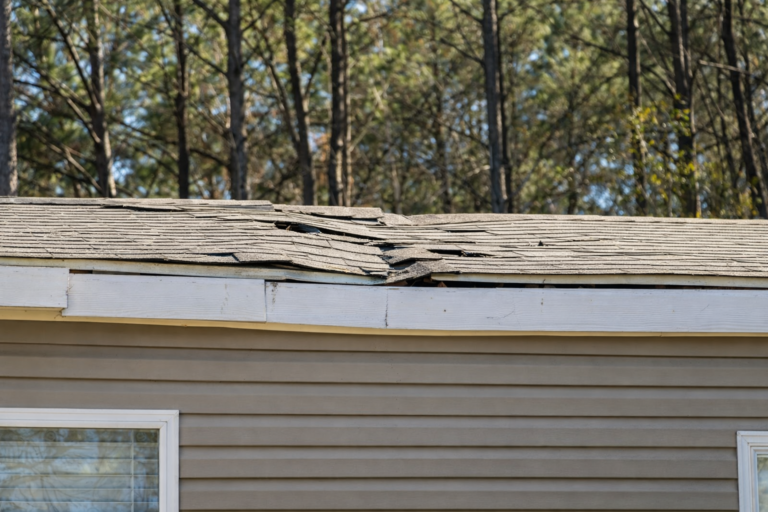
Roof issues in Texas often appear after hail, heavy rain, or weeks of intense heat. A missing shingle, a small leak, or a water stain may not seem urgent at first, but these warning signs can quickly lead to bigger and more expensive problems.
Texas weather is unpredictable, and your roof takes the impact. Hail can bruise shingles, wind can lift flashing, and rain can find even the smallest weak spot. Without timely repairs, these problems can cause interior damage, shorten your roof’s lifespan, and affect the value of your home.
Roof repair services in Texas include a detailed inspection, targeted damage repairs, sealing and reinforcement of vulnerable areas, and preventative work designed to protect your home from wind, hail, and heavy rain. The goal is to restore performance without replacing the entire roofing system.
Most roof repair projects address missing or damaged shingles, leaks, flashing issues, ventilation problems, and storm-related damage. Texas weather can shift quickly, and even small roofing problems can turn into larger repairs if ignored. A professional repair service focuses on correcting the issue at its source while helping extend the life of the existing roof system. Roof repair services typically include:

Full evaluation of shingles, flashing, decking condition, and ventilation performance.
A thorough inspection identifies the root cause of leaks, shingle failure, or moisture intrusion. Clear documentation helps homeowners understand what needs attention and what can safely remain in place.
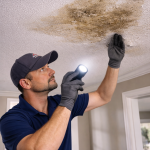
Locating the source of leaks and sealing affected areas.
Water can travel before it becomes visible inside the home. Leak repair includes replacing damaged shingles, sealing penetrations, and reinforcing vulnerable flashing to prevent recurring problems.
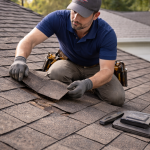
Replacing cracked, curled, lifted, or missing shingles.
Wind and hail often loosen or fracture shingles. Repairs focus on matching materials, restoring proper sealing, and protecting the underlayment from exposure.
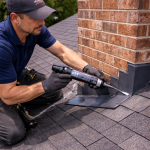
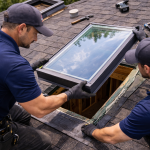
Repairing or replacing flashing around chimneys, vents, skylights, and valleys.
Flashing directs water away from seams and roof penetrations. Damaged flashing is resealed or replaced to prevent long-term water intrusion.
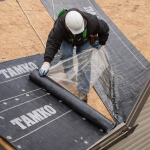
Reinforcing roof valleys and repairing compromised underlayment.
Valleys handle heavy water flow during Texas storms. Repairs strengthen these areas with proper sealing and moisture barriers.
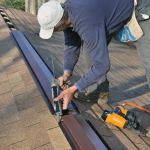
Repairing ridge vents, soffit vents, turbine vents, and attic airflow systems.
Proper ventilation helps regulate attic temperature and reduce moisture buildup. Vent repairs improve airflow and help extend the life of the roofing system.
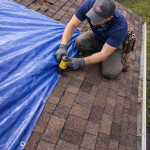
Temporary protective covering after severe weather.
Emergency tarping prevents further interior damage while permanent repairs are scheduled. Quick response reduces the risk of structural and insulation damage.
Targeted repairs for hail strikes, lifted shingles, and wind damage.
Storm repairs restore protection without requiring full replacement when damage is limited. Detailed assessments determine whether repair is appropriate or if replacement should be considered.
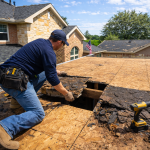
Repairing soft spots or compromised decking sections.
Damaged decking is reinforced or replaced in affected areas to ensure the roof remains stable and secure.
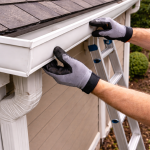
Fixing detached, clogged, or damaged gutters and downspouts.
Proper drainage protects siding, fascia, and foundations. Gutter repairs prevent water backup that can affect the roof edge.
Resealing skylights, vents, and roof penetrations.
Texas heat and storms can break seals over time. Repairs restore watertight protection while maintaining natural light and airflow.
Routine minor repairs and seasonal maintenance.
Preventative service addresses small concerns before they become expensive repairs. Scheduled maintenance helps extend roof lifespan and reduce unexpected damage.
Call for fast emergency roof help.
Homeowners across Texas can work with Legacy Roofing Pros for professional roof repair services. Coverage includes Central Texas and the Texas Hill Country, and service availability can be confirmed quickly based on your city and schedule needs.
Exterior warning signs are often the first clue that your roof may need repair. Texas homeowners should check their roofs after hail, high winds, or heavy rains, as well as during routine upkeep. The following issues are common indicators that repairs may be required.
Yes. Missing shingles leave the roof’s underlayment and decking exposed to direct weather. Rainwater can seep through these vulnerable areas, leading to leaks inside your home. Even one or two missing shingles can weaken the surrounding ones, causing more to loosen or blow away during the next storm. In Texas, where high winds and hail are frequent, acting quickly to replace missing shingles prevents small problems from turning into widespread roof damage.
Yes. Cracked, curling, or brittle shingles no longer create a watertight seal. When shingles lift at the edges, strong gusts can break them off completely, exposing the roof beneath. Curling often develops after years of sun exposure and heat, both of which are intense in Texas. Once shingles lose flexibility, they allow moisture to penetrate the roof layers, creating leaks, mold growth, and insulation problems.
Yes. Asphalt shingles are coated with protective granules that shield them from UV rays and reduce weathering. If you notice a large amount of granules in your gutters or at the base of downspouts, it is a sign that shingles are wearing out. Granule loss reduces the effectiveness of shingles, making them more vulnerable to hail strikes, cracking, and premature aging. This problem often appears after hailstorms in Texas, where the impact knocks granules loose in large patches.
Yes. A sagging roofline is one of the most serious signs of roof trouble. It often indicates damage to the decking, rafters, or trusses. These are the structural components that support your roof. Causes may include water infiltration, rotting wood, or heavy debris buildup. A sagging section of roof requires immediate professional inspection, as the structure could weaken further and increase the risk of collapse during a storm.
Yes. Flashing is the thin metal installed around chimneys, skylights, vents, and valleys to keep water out of seams and joints. When flashing corrodes, cracks, or pulls away, rainwater can seep in at these vulnerable points. In Texas storms, wind-driven rain often finds its way under damaged flashing, leading to leaks that spread into walls, attics, and ceilings. Prompt flashing repair is important to prevent interior water damage.
Yes. Gutters are designed to move water safely away from your roof and foundation. When they are clogged with leaves or broken from storm debris, water backs up under shingles, saturates fascia boards, and causes roof edges to rot. Overflowing gutters can also push water toward your home’s foundation, leading to more costly structural issues. Keeping gutters in good repair helps protect both your roof and your home’s overall integrity.
Exterior warning signs are often the first clue that your roof may need repair. Texas homeowners should check their roofs after hail, high winds, or heavy rains, as well as during routine upkeep. The following issues are common indicators that repairs may be required.
Yes. Brown or yellow stains on ceilings or walls usually indicate water is making its way through the roof. Even small stains can grow quickly, especially during heavy Texas rains. Stains are a warning that the roof covering or flashing has been compromised and should be inspected before leaks cause more extensive damage.
Yes. Mold or mildew inside the home, particularly in the attic or upper walls, is often linked to a leaking roof. Persistent moisture provides the perfect environment for growth, which can damage building materials and affect indoor air quality. In humid Texas climates, this issue tends to worsen if left untreated.
Yes. When moisture seeps in behind walls or ceilings, paint may peel and wallpaper may bubble. While these signs can sometimes be linked to plumbing leaks, they often point to water intrusion from above. If the roof is the source, repairs are needed to prevent further deterioration.
Yes. A damaged roof can let hot air in during summer and cold air in during winter, forcing your heating and cooling system to work harder. Rising energy bills without other explanation may indicate that your roof is no longer insulating your home effectively and needs repair.
Yes. Drafts in the attic suggest that gaps or openings exist in the roof structure. These gaps may allow not only air but also moisture, pests, and dust to enter. Over time, this weakens insulation and can create the conditions for leaks or mold growth.
Storms in Texas can cause damage that ranges from surface-level wear to serious structural problems. Hail, wind, and heavy rain each affect your roof differently, but all can leave behind issues that may not be obvious at first glance. Knowing what to look for after severe weather helps you act before hidden damage worsens.
Yes. Even hail smaller than a quarter can bruise shingles, loosen granules, and weaken protective layers. Over time, these weakened spots can develop into leaks. Hail can also crack tile roofs, dent metal panels, and damage gutters or flashing. Because hail damage is often subtle, a professional inspection is the best way to confirm the condition of your roof after a storm.
Yes. Strong wind gusts, even outside of a major storm, can lift shingles and break their seal. Once a shingle is lifted, it becomes more vulnerable to tearing off completely. Wind can also shift flashing, loosen ridge caps, and expose areas where water can seep in. In Texas, where winds can be powerful year-round, shingles that are already worn or aged are more likely to be affected
Yes. Heavy rainfall can quickly expose weaknesses in shingles, flashing, or roof decking. Water may find its way through small cracks or gaps and cause leaks that spread into ceilings or walls. In some cases, leaks remain hidden in the attic until they grow large enough to cause visible stains indoors. Because Texas storms often bring prolonged downpours, roof leaks can appear suddenly and cause damage faster than homeowners expect.
Homeowners and business owners in Texas rely on a range of repair services to keep their properties safe from the state’s extreme weather. Repair solutions vary depending on the type of property, the extent of the damage, and the materials used on the roof.
Residential roof repairs address the everyday problems that can leave a home vulnerable. From leaks and missing shingles to storm-related damage, these repairs restore the roof’s ability to shield the home from water, wind, and heat. By repairing problems early, homeowners can prevent interior damage, extend the life of the roof, and protect property value.
Yes. In many cases, small leaks can be repaired by sealing or replacing damaged shingles, flashing, or underlayment. A targeted repair stops water intrusion and prevents mold growth or structural damage, without the cost of a full roof replacement.
Yes. Replacing damaged or missing shingles helps preserve the roof’s integrity. A few timely replacements can slow overall wear, maintain a uniform appearance, and extend the lifespan of the roof until a full replacement is eventually needed.
Yes. Preventive repairs, such as resealing flashing or reinforcing vulnerable areas, help reduce the chance of future leaks or storm damage. These proactive steps are especially valuable in Texas, where hail and heavy winds frequently put roofs to the test.
Commercial roof repairs often involve larger surfaces, different roofing systems, and more complex needs compared to residential roofs. Many commercial buildings in Texas use flat or low-slope roofing, which requires specialized materials and repair methods. Repair work on commercial properties also prioritizes minimizing business downtime and ensuring energy efficiency.
Yes. Commercial roofs typically endure more wear due to their size, exposure, and flat design. Regular inspections and routine maintenance help prevent leaks, ponding water, and energy loss. Businesses benefit from addressing problems early to avoid costly disruptions.
Yes. Flat roofs present unique challenges because water does not drain as quickly as it does on pitched roofs. Repairs often involve sealing, coating, or replacing membrane systems like TPO or EPDM. Proper drainage solutions are also key to extending the roof’s life.
Yes. Roof coatings are a cost-effective way to repair and reinforce commercial roofs. Coatings provide a waterproof layer, improve energy efficiency by reflecting heat, and extend the lifespan of flat or low-slope roofing systems.
Texas storms bring hail, strong winds, and heavy rain that can leave both visible and hidden damage. The type of repair needed often depends on which part of the storm caused the most impact.
Hail is one of the most common causes of roof damage in Texas. It can bruise shingles, crack tiles, dent metal panels, and strip protective granules. Even smaller hailstones can shorten the life of roofing materials.
Yes. Hail can knock granules loose, leaving shingles vulnerable to sun exposure and water intrusion. Larger hail may even puncture or crack shingles. Prompt repair keeps minor hail impacts from developing into widespread roof leaks.
Yes. Gutters and flashing are essential for water control. When hail dents or cracks them, water can overflow, back up under shingles, or leak at seams around chimneys and vents. Repairs restore proper drainage and prevent leaks.
Yes. After a hailstorm, large amounts of granules in gutters or around downspouts often mean shingles have been compromised. Without their protective coating, shingles wear out faster and are more likely to fail during future storms.
High winds can lift shingles, loosen flashing, and weaken roof structures. Even when shingles remain in place, broken seals may leave them vulnerable to water.
Yes. Shingles torn away by wind expose roof decking to rain and debris. Even lifted shingles that remain attached may no longer provide full protection, making repair or replacement necessary.
Yes. Wind often loosens flashing around vents, chimneys, and skylights. Once flashing is compromised, water can seep in at seams and create hidden leaks that spread over time.
Yes. Strong winds can stress rafters, decking, and fasteners. Over time, this strain may cause sagging or instability. Structural issues should be addressed quickly to avoid safety risks.
Texas rainstorms can last for hours, putting extra pressure on already weakened roofs. Rain often reveals leaks and can worsen hidden problems.
Yes. A leak during a storm is a sign that the roof has already failed in one or more areas. Immediate repair is needed to stop water damage to ceilings, walls, and insulation.
Yes. Standing water is common on flat or low-slope roofs. Over time, ponding water can weaken roofing membranes, cause leaks, and add weight that stresses the structure
Yes. Moisture trapped under shingles or decking causes wood to rot and lose strength. Soft spots on a roof should always be inspected, as they often signal serious underlying damage.
Texas rainstorms can last for hours, putting extra pressure on already weakened roofs. Rain often reveals leaks and can worsen hidden problems.
Yes. A leak during a storm is a sign that the roof has already failed in one or more areas. Immediate repair is needed to stop water damage to ceilings, walls, and insulation.
Yes. Standing water is common on flat or low-slope roofs. Over time, ponding water can weaken roofing membranes, cause leaks, and add weight that stresses the structure
Yes. Moisture trapped under shingles or decking causes wood to rot and lose strength. Soft spots on a roof should always be inspected, as they often signal serious underlying damage.
Storms affect more than shingles and decking. Damage to accessories and surrounding structures can also lead to repair needs.
Yes. Skylights or vents cracked by hail or debris can allow water into the attic and living spaces. Repair or replacement ensures proper sealing and ventilation.
Yes. Gutters and downspouts that are dented, clogged, or torn away by storms can cause water to pool at the roofline. This often leads to leaks, fascia damage, and roof edge deterioration.
Yes. When siding or fascia is torn, cracked, or loosened by wind or hail, water can seep into roof edges and attic spaces. Repairing these areas is important for complete storm recovery.
Not all roofs are built the same, and the type of material plays a major role in how repairs are handled. Asphalt shingles, metal, tile, flat roofing, and premium synthetic systems each require different methods and expertise.
Asphalt shingles are the most common roofing material in Texas. Repairs often involve replacing damaged shingles, resealing flashing, or reinforcing vulnerable areas. These repairs are generally straightforward and cost-effective, but they need to be done promptly to prevent water intrusion.
Yes. Damaged or missing shingles can often be replaced individually, especially when the rest of the roof is in good condition. This targeted approach helps extend the life of the roof without the expense of a full replacement.
Yes. Hail can bruise or crack shingles, strip granules, and leave them vulnerable to sun and rain. Over time, this accelerates wear and reduces the overall lifespan of the roof, making timely repair important.
Yes. Many Texas homeowners choose to upgrade to impact-resistant shingles after storm damage. These shingles are designed to withstand hail and strong winds better than standard ones and may qualify for insurance discounts.
Metal roofs are known for their durability, but they still require specialized repair when damaged. Issues may include dented panels, loose fasteners, or rust spots. Repairs focus on resecuring panels, sealing seams, and treating or replacing affected sections.
Yes. Individual panels can often be repaired or replaced without disturbing the entire roof. This makes metal roof repair a practical option when damage is limited to one area.
Yes. Rust is a warning that protective coatings have failed. If not addressed quickly, rust can spread and weaken panels, leading to leaks or structural damage.
Yes. Metal roofs generally perform better in hail than asphalt shingles. However, large hail can still cause dents, especially in softer metals like aluminum. While dents may be mostly cosmetic, severe impacts can weaken panels or seams.
Tile roofs, whether clay or concrete, are valued for their durability and style. Repairs usually involve replacing cracked or broken tiles and ensuring flashing is properly sealed. Tile work requires careful handling to avoid breaking additional tiles during repair.
Yes. Damaged tiles can often be swapped out for new ones, restoring both function and appearance. Quick replacement helps prevent water from seeping into the underlayment.
Yes. Tile repairs often require matching materials and adhesives designed specifically for clay or concrete. Using the correct products ensures durability and a consistent look.
Yes. Flashing around chimneys, valleys, and skylights is a common weak point in tile roofs. When flashing fails, water can bypass tiles and damage the underlayment. Prompt repair is necessary to prevent leaks.
Flat and low-slope roofs are common on commercial buildings in Texas and require different repair methods. Repairs often focus on sealing seams, improving drainage, and applying protective coatings to extend roof life.
Yes. Ponding water is one of the biggest problems for flat roofs. Standing water adds weight, strains the structure, and leads to leaks if not corrected.
Yes. Elastomeric, silicone, or acrylic coatings can seal and reinforce flat roofs, preventing leaks and improving energy efficiency. Coatings are often a cost-effective way to restore older roofing systems.
Yes. Flat roof repairs often involve membrane systems such as TPO, EPDM, or PVC. Each system requires specific repair methods, from seam welding to patching, to ensure proper waterproofing.
Synthetic roofing products like DaVinci slate and shake are designed to mimic natural materials while offering greater resilience. Repairs require specialized knowledge of the product to ensure long-lasting results.
Yes. Ponding water is one of the biggest problems for flat roofs. Standing water adds weight, strains the structure, and leads to leaks if not corrected.
Yes. Elastomeric, silicone, or acrylic coatings can seal and reinforce flat roofs, preventing leaks and improving energy efficiency. Coatings are often a cost-effective way to restore older roofing systems.
Yes. Flat roof repairs often involve membrane systems such as TPO, EPDM, or PVC. Each system requires specific repair methods, from seam welding to patching, to ensure proper waterproofing.
CONTACT US TODAY!
Protect your home with the expert services of Legacy Roofing Pros. Our team specializes in residential roofing, ensuring top-quality workmanship and reliable solutions.
Don’t wait until it’s too late, schedule your FREE roof inspection now and let our professionals assess the condition of your roof, providing you with peace of mind and a plan for any necessary repairs or upgrades.
Tell us what’s going on and our team will follow up quickly.