
Monday to Friday
Drop your queries
Round Rock, TX 78681,
United States
Head Office
Protect your home with professional roof replacement services in Texas. Legacy Roofing Pros provides free inspections, detailed estimates, and storm ready roofing systems built for Texas heat, hail, and high winds.


CONTACT US TODAY!







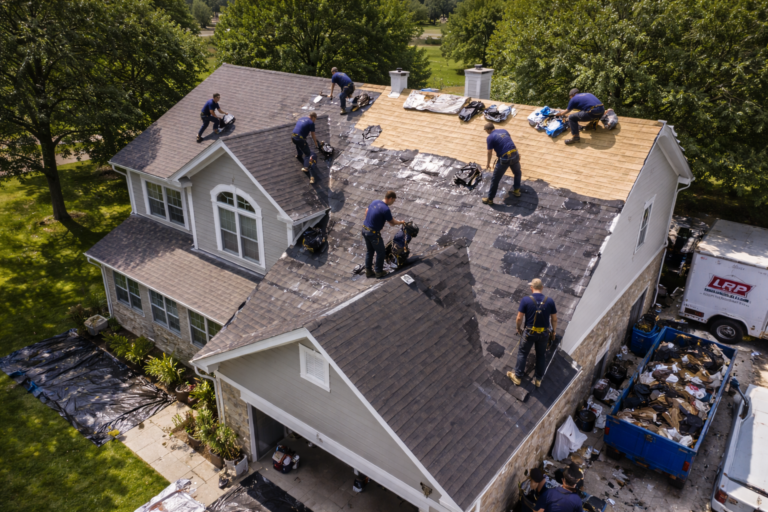
A roof replacement is one of the most important projects a Texas homeowner can take on. Roofs in this state face tough conditions year-round, from intense heat to heavy storms with hail and wind. Over time, these challenges can weaken a roof beyond simple repairs. When that happens, replacement is the step that restores peace of mind, improves protection, and helps maintain your property’s value.
Choosing to replace your roof is not just about fixing damage. It is also about investing in your home’s future comfort, efficiency, and appearance. The right replacement can lower energy costs, enhance curb appeal, and provide lasting defense against Texas weather. With the right planning and expert guidance, a new roof becomes a smart long-term solution for your property.
A roof replacement service in Texas includes inspection, removal of old materials, structural repairs, and installation of a new roofing system with upgraded components. Every step is designed to restore protection, improve efficiency, and prepare the home for the state’s challenging weather conditions.
Standard services often cover decking repairs, underlayment installation, flashing replacement, and sealing around chimneys, skylights, and vents. Cleanup and final inspections are also included, ensuring the property is safe and the work is complete. Many projects also offer optional upgrades such as impact-resistant shingles, gutter replacement, skylight installation, and solar panel handling, giving homeowners a full-service solution tailored to their needs. Our roof replacement services include:
Inspection of the entire roof, detailed condition report, replacement process recommendations.
Our team conducts a full inspection of your roof’s condition and provides Texas homeowners with a comprehensive report to help them choose the best replacement options tailored to their needs.
Safe removal of old shingles, tiles, metal panels, and debris disposal.
We carefully remove existing roofing materials and ensure proper disposal, leaving your home ready for the new roof installation.
Inspecting decking, replacing damaged wood, and reinforcing roof structure.
Damaged or compromised decking is replaced or repaired to create a solid foundation for the new roof, ensuring long-term durability.
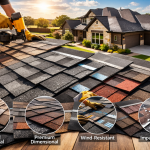
Upgrading to premium materials such as TAMKO Titan XT®, metal roof upgrades, energy-efficient roofing options, and custom designs.
Damaged or compromised decking is replaced or repaired to create a solid foundation for the new roof, ensuring long-term durability.
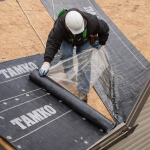
Synthetic underlayment, felt underlayment, ice and water shield installation.
Installing high-quality underlayment protects your home from moisture, ensuring the longevity of your roof under Texas’s challenging weather conditions.
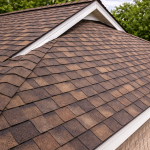
TAMKO Heritage® shingles (basic), TAMKO Titan XT® shingles (premium), TAMKO Stormfighter® shingles (wind-resistant), GAF, Owens Corning, IKO, Atlas RoofingScapes®, and impact-resistant shingles.
We offer a variety of shingle options with impact-resistant materials, providing homeowners with high-quality, durable roofing solutions that protect against Texas’s severe weather conditions.
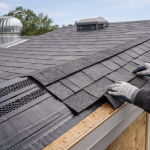
Ridge vents, soffit vents, turbine vents, and attic vent systems.
Proper ventilation prevents heat and moisture buildup, extending the life of your roof and improving energy efficiency in Texas’s warm climate.
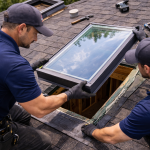
Skylight installation, skylight flashing, and sealing.
Skylights add natural light and value to your home. We ensure proper installation and sealing to prevent leaks, even during heavy rains.
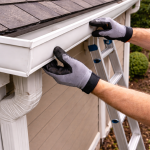
Gutter and downspout replacement, gutter guard installation.
A proper gutter system is essential to manage Texas’s heavy rains and prevent water damage to your home’s foundation and roof.
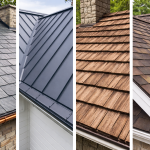
Metal roof installation, tile roof installation, slate roof replacement.
We offer premium roofing materials like metal, tile, and slate, providing long-lasting durability and aesthetic appeal for Texas homeowners.
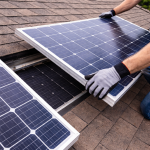
Reflective roofing materials, energy-efficient shingles.
Energy-efficient roofing materials help lower cooling costs by reflecting sunlight and reducing heat absorption, a great benefit for Texas’s hot summers.
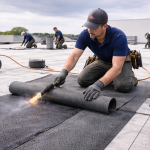
TPO roof installation, EPDM roof replacement, membrane roof systems.
For homes with flat roofs, we provide specialized options like TPO and EPDM, offering reliable and durable flat roof solutions.
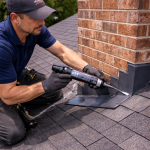
Chimney flashing installation, vent flashing, custom roof edge design.
Proper flashing around chimneys and vents ensures leak prevention, while custom roof edges enhance water drainage and the home’s curb appeal.
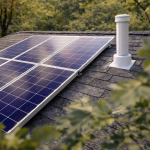
Solar panel mounting system preparation, roof sealing around mounts.
We prepare your roof for future solar panel installations, ensuring a leak-proof design while optimizing energy efficiency for Texas’s sunny climate.
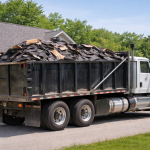
Complete debris cleanup, ongoing maintenance plans, final roof inspection.
After your roof replacement, we provide thorough cleanup, offer maintenance plans for long-term care, and conduct a final inspection to ensure everything meets your expectations.
Call for fast emergency roof help.
Homeowners across Texas can work with Legacy Roofing Pros for professional roof replacement services. Coverage includes Central Texas and the Texas Hill Country, and service availability can be confirmed quickly based on your city and schedule needs.
Legacy Roofing Pros provides professional roof replacement services across Texas, guiding homeowners through every step with clarity and confidence. From the initial inspection to final installation, our team focuses on quality workmanship, proper planning, and long-term performance. Here’s why homeowners choose Legacy Roofing Pros:

Legacy Roofing Pros is a fully registered roofing contractor serving Texas, ensuring compliance with state regulations.

Legacy Roofing Pros is a fully registered roofing contractor serving Texas, ensuring compliance with state regulations.

We provide expert guidance on planning and coordinating your roofing project, helping you navigate each step smoothly.

We provide expert guidance on planning and coordinating your roofing project, helping you navigate each step smoothly.

We provide expert guidance on planning and coordinating your roofing project, helping you navigate each step smoothly.

Legacy Roofing Pros provides free roof inspections, estimates, and consultations to assess any damages or needed upgrades.

We manage projects like gutters, windows, garage doors, fences, and various interior works.

Our personalized approach ensures that we meet your specific needs, with clear communication throughout the project.

From storm damage repairs to full replacements, we offer a wide range of options for long-lasting solutions.

We provide industry-leading warranties on both roofing materials and workmanship, ensuring your peace of mind.
You need roof replacement in Texas when your roof can no longer provide reliable protection against the elements. Age, storm damage, and repeated repairs are common reasons homeowners must replace instead of repair. The state’s hot summers, hailstorms, and high winds often speed up roof deterioration, making it harder for older systems to keep up.
Replacement is also necessary when the cost of fixing damage outweighs the benefit of extending the roof’s life. Problems like sagging structures, widespread shingle failure, or recurring leaks usually point to deeper issues that a repair cannot solve. In these situations, investing in a new roof is the most effective way to safeguard your home, improve efficiency, and avoid ongoing expenses.
The signs that a roof needs full replacement rather than repair include advanced age, widespread shingle loss, structural sagging, and persistent leaks. These issues usually indicate that the roofing system is past the point of simple fixes and will continue to deteriorate even with repeated patchwork.
In Texas, the combination of heat, heavy rain, and storm damage accelerates these problems. Shingles may curl, crack, or lose large amounts of granules, making them unable to protect the home. Water intrusion can cause rot in the decking, while sagging areas suggest structural weakening. If repairs fail to solve the problem or new issues keep appearing, replacement is often the only reliable solution.
Yes, an aging roof can require replacement even if it has not started leaking. Most asphalt shingle roofs in Texas last about 15 to 25 years, but intense heat, hail, and strong winds often shorten that lifespan. A roof may look intact from the ground yet still be weakened to the point where it can no longer perform as designed.
As materials age, shingles lose flexibility, granules wash away, and flashing becomes less effective at sealing vulnerable areas. Even without visible leaks, these changes leave the home exposed to future storm damage. Replacing an older roof before it fails helps prevent costly repairs inside the home and ensures continued protection against Texas weather.
Yes, widespread shingle damage is often a clear reason for roof replacement. When large sections of shingles are cracked, curled, or missing, the roof can no longer shed water effectively. This leaves the home vulnerable to leaks and structural damage, especially during Texas storms.
While replacing a few shingles may work for minor issues, widespread damage usually means the roofing system has reached the end of its life. At this stage, repairs become less cost-effective and less reliable. A full replacement restores the roof’s ability to protect the home, improves energy efficiency, and prevents ongoing problems from spreading further.
Yes, frequent roof repairs usually signal that it is time for a full replacement. When homeowners find themselves scheduling multiple fixes for leaks, missing shingles, or flashing problems, the underlying system is often failing. Each repair may provide short-term relief, but the overall condition of the roof continues to decline.
In Texas, storm after storm can create recurring damage that repairs cannot keep up with. Instead of putting money into repeated fixes, investing in a replacement provides a lasting solution. A new roof eliminates the cycle of repairs, offers stronger protection against severe weather, and saves money over time by reducing ongoing maintenance costs.
Yes, sagging in the roof structure is a strong sign that replacement is needed. A roof should maintain a straight, even appearance, and any visible dips or curves often indicate damage to the decking or supporting framework.
In Texas, sagging may develop from prolonged moisture exposure, storm damage, or weakened structural components over time. This condition compromises the roof’s strength and can lead to leaks, rot, and even collapse if ignored. A full replacement allows contractors to address the underlying decking or structural issues while installing new materials that restore both safety and performance.
Yes, persistent leaks often suggest that a roof needs replacement rather than another repair. Occasional leaks can sometimes be patched, but when water intrusion keeps returning, it usually means the roof system has widespread weaknesses.
In Texas, heavy rains and storms quickly expose these vulnerabilities. Water may seep through worn shingles, compromised flashing, or rotted decking, spreading damage to insulation, ceilings, and walls. Replacing the roof stops the ongoing cycle of repairs, protects the home’s structure, and prevents further interior damage that could become expensive to fix.
Storms in Texas often accelerate the need for roof replacement by causing damage that repairs cannot fully resolve. Hail, high winds, and heavy rain can break shingles, dent metal, and weaken the roof’s structure, leaving the home vulnerable to recurring leaks and water intrusion.
When storms strike repeatedly, even minor damage adds up over time. Shingles lose granules, flashing pulls loose, and decking absorbs moisture, all of which shorten the roof’s lifespan. For many homeowners, storm-related damage is the tipping point that makes replacement the more cost-effective and reliable choice compared to ongoing repairs.
Yes, severe hail can require immediate roof replacement when the damage is extensive. Large hailstones can crack shingles, strip away protective granules, and puncture underlayment in a single storm. In some cases, the impact is so widespread that repairing individual sections is not enough to restore protection.
Texas is especially prone to hailstorms, and roofs weakened by repeated impacts may fail sooner than expected. When hail damage covers large portions of a roof, replacement is often the safest option to prevent leaks, interior water damage, and structural problems. Acting quickly after a major storm helps avoid higher repair costs and insurance complications later.
Yes, high wind damage can justify replacing the entire roof when shingles, flashing, or structural components are compromised across large areas. Wind can lift shingles, break seals, and loosen nails, leaving gaps where water can easily enter.
In Texas, storms with strong winds often affect multiple sections of a roof at once. If missing shingles and damaged flashing appear throughout the roofline, repairs may only offer temporary relief. A full replacement restores the roof’s integrity, prevents recurring leaks, and ensures the home is prepared for future storms.
Yes, repeated storm damage can shorten a roof’s lifespan enough to require full replacement. Even if each storm leaves behind only minor issues, the cumulative effect of hail, wind, and heavy rain steadily weakens shingles, flashing, and decking.
Over time, these repeated impacts make the roof more prone to leaks and less able to protect against future weather. In Texas, where storms occur often, this cycle is common. Replacing the roof becomes a more reliable and cost-effective solution than repairing damage after every storm, ensuring long-term performance and peace of mind.
Roof replacement services in Texas cover residential, commercial, and specialty roofing systems designed to handle the state’s weather challenges. Homeowners and business owners can choose from options such as asphalt shingles, metal panels, tile, slate, and premium synthetic products. Each service includes inspection, material removal, structural reinforcement, and full installation.
These services go beyond simply replacing shingles. They often involve upgrading underlayment, improving ventilation, replacing gutters, and ensuring the roof is prepared for future energy upgrades like solar panels. Whether for a home or business, replacement services are tailored to provide durability, efficiency, and lasting curb appeal in Texas conditions.
Residential roof replacements protect your home by restoring full defense against Texas weather while improving comfort and efficiency. A new roof seals out water, resists wind, and stands up to hail better than older systems, preventing leaks and structural damage inside the home.
Beyond protection, replacement also enhances energy efficiency by using modern underlayment, ventilation, and reflective materials that lower cooling costs during hot summers. It adds curb appeal and increases property value, making the home more attractive to future buyers. For many Texas homeowners, replacing the roof is both a safeguard and an investment in the long-term health of the property.
Yes, roof replacement can improve energy efficiency by using modern materials and ventilation systems that help regulate indoor temperatures. New underlayment and reflective shingles reduce heat absorption, which lowers cooling costs during Texas summers.
Energy-efficient roofs also improve airflow through ridge vents, soffit vents, and attic fans, keeping moisture from building up inside the home. By controlling heat and humidity, a replacement roof helps HVAC systems run more efficiently and extends the comfort of your living space while reducing monthly utility bills.
Yes, a new roof can increase property value in Texas by boosting curb appeal and giving potential buyers confidence in the home’s condition. Many buyers view a recent roof replacement as a major advantage since it reduces the risk of future repair expenses.
In competitive Texas real estate markets, homes with updated roofs often sell faster and closer to asking price. Replacement also improves insurance eligibility and may even lower premiums when using impact-resistant materials. For homeowners planning to sell or refinance, a new roof is one of the most impactful upgrades to strengthen property value.
Yes, replacing a roof enhances curb appeal by giving the home a fresh, well-maintained appearance. A new roof improves the overall look of the property, making it stand out in the neighborhood.
With options like designer shingles, metal finishes, tile, and premium synthetic products, homeowners in Texas can choose styles and colors that match their home’s architecture. Beyond appearance, curb appeal signals to neighbors and buyers that the property is cared for and structurally sound. This visual upgrade, paired with long-term durability, makes roof replacement both a practical and aesthetic improvement.
Commercial roof replacements are different from residential projects because they often involve larger surface areas, flat or low-slope systems, and specialized materials. While homes typically use shingles, metal, or tile, businesses rely on systems like TPO, EPDM, modified bitumen, or built-up roofing that require different installation methods.
These projects also demand careful planning to minimize downtime and disruptions to daily operations. Energy efficiency, drainage, and long-term maintenance are major priorities for commercial roofs in Texas. By contrast, residential replacements focus more on curb appeal, storm protection, and increasing property value. Both require skilled installation, but commercial work is generally more complex and highly tailored to business needs.
Yes, commercial roofs require specialized replacement systems that differ from typical residential materials. Businesses often use flat or low-slope roofs, which need durable options like TPO, EPDM, PVC, or modified bitumen to provide waterproofing and energy efficiency.
These systems are designed to handle large surface areas, frequent foot traffic from maintenance crews, and the added weight of equipment such as HVAC units. In Texas, where heat and storms are common, specialized materials also help reduce cooling costs and extend the life of the roof. Choosing the right system ensures that a commercial property remains secure and cost-efficient over time.
Yes, flat roof replacement is more complex than shingle replacement because it requires specialized materials, precise installation techniques, and advanced drainage solutions. Unlike pitched roofs that shed water naturally, flat roofs must be sealed carefully to prevent pooling and leaks.
In Texas, the complexity increases due to intense heat, which can cause some materials to expand and contract. Proper installation of TPO, EPDM, or modified bitumen systems ensures durability and energy efficiency. Skilled contractors also account for ventilation, insulation, and reflective coatings to keep the building cooler. This added level of detail makes flat roof replacement more demanding than standard shingle projects.
Yes, commercial roof replacement can improve energy efficiency for businesses by using modern systems that reflect heat, reduce cooling costs, and improve insulation. Materials like TPO, PVC, and reflective coatings are designed to lower indoor temperatures in Texas, where hot summers drive up energy bills.
A replacement also provides the opportunity to upgrade ventilation and install insulation that helps regulate temperatures year-round. These improvements not only reduce operating costs but also create a more comfortable environment for employees and customers. For many businesses, energy-efficient roofing is both a financial advantage and a long-term investment.
Specialty roof replacement options in Texas include slate, tile, metal, and premium synthetic systems that deliver both durability and style. These materials go beyond standard shingles by offering longer lifespans, distinctive appearances, and stronger protection against storms.
Homeowners often choose slate or tile for timeless curb appeal, while metal roofing provides decades of fire and wind resistance. Premium synthetic products, such as DaVinci slate and shake, combine the look of natural materials with lighter weight and superior performance in Texas weather. Specialty options allow property owners to match their roof replacement to both aesthetic goals and functional needs.
Yes, slate and tile roof replacements are available in Texas and are popular choices for homeowners who want a durable and stylish upgrade. These materials are known for their long lifespans and ability to withstand heat, making them well-suited to the Texas climate.
Slate offers a timeless, high-end appearance, while clay or concrete tile brings classic charm and excellent weather resistance. Although heavier and more labor-intensive to install than shingles, both options provide lasting curb appeal and strong protection when installed by experienced contractors. For homeowners seeking a premium replacement, slate and tile remain standout options.
Yes, synthetic products like DaVinci can be installed during roof replacement, offering homeowners the beauty of natural slate or shake with the added benefits of advanced engineering. These products are lighter than traditional slate or tile, which reduces structural stress while still delivering a premium appearance.
DaVinci roofing is designed to withstand Texas weather, including hail, heavy rain, and strong winds. It resists fading, cracking, and warping, which makes it a long-lasting choice for replacement projects. For homeowners seeking a balance of durability, style, and low maintenance, synthetic options are an excellent upgrade during a full roof replacement.
Yes, impact-resistant shingles provide better value in Texas because they are designed to withstand hail and wind damage more effectively than standard shingles. Classified as Class 4, these shingles are tested to resist cracking, splitting, and granule loss, which helps extend the roof’s lifespan.
For homeowners, the added value comes from fewer repairs after storms and the potential for reduced insurance premiums. In a state where severe weather is common, upgrading to impact-resistant shingles during a roof replacement offers both financial benefits and stronger long-term protection for the home.
Most homeowners spend about $9,000 to $28,000 for a full replacement, with smaller asphalt projects sometimes near $7,500 and premium systems reaching $35,000 or more. That price covers tearing off old materials, inspecting the decking, and installing a complete new roof with underlayment, flashings, vents, and accessories that meet Texas codes.
Costs rise or fall based on roof size, pitch, and complexity. One-story ranch homes with simple lines price lower than two-story homes with valleys, chimneys, skylights, and multiple penetrations. Material choice changes the number fast: many asphalt shingle roofs land around $9,000 to $18,000, standing seam metal can range $18,000 to $45,000, and tile or premium synthetic systems often run $25,000 to $60,000 depending on style and details.
Scope items also influence the final figure. Decking repairs, upgraded leak barriers at eaves and valleys, new gutters, and balanced ridge and soffit ventilation add value and affect the budget. A photo-backed inspection with a written line-item scope keeps surprises off the invoice and helps you compare options side by side. If you want exact numbers for your home, schedule a free roof inspection and estimate with Legacy Roofing Pros so you receive a clear plan and pricing before any work begins.
The factors that affect the cost of roof replacement in Texas include the type of material, the size and pitch of the roof, labor requirements, and accessibility. These elements determine how much time, skill, and resources are needed to complete the project.
Other influences include the condition of the decking, the need for ventilation upgrades, and the removal or disposal of old materials. Storm-related replacements may also require additional documentation and steps for insurance. By considering these factors, homeowners gain a clearer idea of what drives roof replacement costs and why estimates can vary widely.
The factors that affect the cost of roof replacement in Texas include the type of material, the size and pitch of the roof, labor requirements, and accessibility. These elements determine how much time, skill, and resources are needed to complete the project.
Other influences include the condition of the decking, the need for ventilation upgrades, and the removal or disposal of old materials. Storm-related replacements may also require additional documentation and steps for insurance. By considering these factors, homeowners gain a clearer idea of what drives roof replacement costs and why estimates can vary widely.
Yes, the type of roofing material strongly influences replacement cost because each option has different prices for both materials and installation. Asphalt shingles are the most affordable, while premium options like slate, tile, or synthetic products cost more due to their durability and specialized labor needs.
Metal roofing falls in the middle range, offering a balance of long lifespan and moderate pricing. In Texas, where weather demands tougher protection, many homeowners invest in Class 4 shingles or synthetic roofing despite higher upfront costs. The material you choose ultimately determines not only the price but also the roof’s performance and value over time.
Yes, roof size and complexity directly affect labor costs because larger or more intricate roofs require more time and skill to replace. A simple, single-story home with a straightforward roofline is less expensive to work on than a multi-story property with steep pitches, valleys, and multiple features like skylights or chimneys.
In Texas, many homes have complex roof designs that improve curb appeal but also add labor hours to replacement projects. The more challenging the layout, the more workers and specialized equipment are needed. This added effort increases the overall cost of a roof replacement compared to simpler designs.
Yes, accessibility challenges can increase replacement pricing because difficult-to-reach roofs require extra time, equipment, and safety measures. Homes with steep slopes, tall structures, or limited access points make it harder for crews to remove old materials and install new systems efficiently.
In Texas neighborhoods with tight lot spacing or large multi-story homes, contractors may need specialized ladders, lifts, or scaffolding to complete the work safely. These factors add to labor costs and extend project timelines. When accessibility issues exist, they are often reflected in higher estimates for roof replacement.
Yes, emergency replacements usually cost more than scheduled projects because they require immediate labor, expedited materials, and after-hours service. Contractors must prioritize the job quickly to prevent further damage, which raises overall expenses.
In Texas, storms often create urgent situations where roofs are no longer safe or watertight. Emergency response ensures protection but comes at a premium compared to planned replacements. Homeowners facing this situation gain fast relief, but scheduling a roof replacement in advance is generally more affordable.
The average price range for common roof replacements in Texas varies from moderate costs for asphalt shingles to higher investments for tile, slate, or premium synthetic products. Asphalt shingle replacements are typically the most affordable, while metal and specialty systems can cost considerably more.
Prices also change depending on roof size, pitch, and complexity. Multi-story homes or designs with valleys, skylights, and chimneys usually require more labor and materials, raising the total expense. By reviewing average ranges by material, homeowners can set realistic expectations for their roof replacement budget.
Replacing an asphalt shingle roof in Texas generally costs less than other roofing options, making it the most budget-friendly choice for homeowners. The price depends on the size of the roof, the grade of shingles selected, and whether upgrades such as Class 4 impact-resistant shingles are chosen.
While basic shingles are the lowest-cost option, premium shingles provide better storm resistance and longer lifespans, which can reduce long-term expenses. For many homeowners, asphalt shingles strike a balance between affordability and durability, making them a common roof replacement material across Texas neighborhoods.
The typical cost of metal roof replacement in Texas is higher than asphalt shingles but offers better durability and longevity. Metal systems often last 40 years or more, which spreads the investment over a longer period compared to other materials.
Pricing varies by style, with standing seam being more expensive than corrugated panels due to advanced installation requirements. While the upfront cost is greater, metal roofs resist hail, fire, and high winds, making them well-suited for Texas weather. For homeowners seeking long-term performance, metal roof replacement can provide strong value despite the higher initial expense.
Yes, tile and slate roof replacements are more expensive than shingle replacements because the materials themselves cost more and require specialized installation. Both clay tile and natural slate are heavy, which often means the roof structure must be reinforced before replacement can begin.
These upgrades come with higher labor costs, but they also deliver exceptional curb appeal and long lifespans that can exceed 50 years when properly installed. In Texas, where homes face harsh heat and storms, many property owners see tile and slate as worthwhile investments that combine durability with premium style.
Yes, flat roof replacement usually costs more than pitched roof replacement because it requires specialized materials and installation methods to prevent water pooling. Unlike pitched roofs that naturally shed rain, flat roofs depend on membranes like TPO, EPDM, or modified bitumen that must be installed with precision to stay watertight.
In Texas, where storms bring heavy rain, flat roofs demand coatings, reinforcements, and drainage solutions that add to the overall cost. Commercial buildings in particular often face higher expenses due to larger surface areas and the need for durable, energy-efficient systems. While the investment is greater, proper flat roof replacement ensures long-term protection and lower maintenance risks.
Yes, roof replacement costs can often be reduced with insurance coverage or financing plans that make the investment more manageable. Storm-related damage is frequently covered by homeowner’s insurance in Texas, allowing eligible claims to offset a large portion of the expense.
When insurance does not apply, many roofing companies provide financing options to spread costs over time. These may include low-interest or zero-interest payment plans that ease the financial burden. By using insurance when available and financing when needed, homeowners can complete roof replacements without delaying an important project.
Yes, homeowner’s insurance often covers storm-related roof replacements when damage is caused by hail, wind, or falling debris. Most policies in Texas include protection against sudden weather events, though coverage may vary depending on the age of the roof and the terms of the policy.
To receive coverage, homeowners usually need a professional inspection and documentation of the storm damage. Insurance adjusters then review the claim to confirm eligibility. When approved, the payout helps reduce out-of-pocket costs, making storm-related replacement far more affordable.
Yes, roofing warranties can help offset replacement costs by covering materials, workmanship, or both, depending on the type of warranty provided. Manufacturer warranties may cover defects in shingles, metal, or synthetic products, while contractor warranties can protect against installation issues.
In Texas, where roofs face heavy wear from storms and heat, warranties add peace of mind and reduce the risk of paying out-of-pocket for premature failures. Choosing certified contractors often provides access to extended warranty options, which can make a roof replacement a smarter long-term investment.
Yes, many roofing companies provide flexible financing plans to make roof replacement more affordable. These plans allow homeowners to spread costs over manageable monthly payments instead of covering the entire expense upfront.
Options often include low-interest or zero-interest terms, depending on credit approval and the contractor’s partnerships with financing providers. In Texas, where storm damage can create sudden replacement needs, financing ensures homeowners can act quickly without delaying an important project. This flexibility makes it easier to protect the home while staying within budget.
Yes, zero-interest and low-interest options are often available for roof replacements through financing programs offered by roofing companies or third-party lenders. These plans are designed to reduce the financial strain of large projects by keeping payments affordable and interest costs low.
In Texas, where sudden storm damage can create urgent replacement needs, these financing choices give homeowners flexibility to move forward without delay. Access to zero-interest or low-interest terms also makes it easier to choose higher-quality materials, ensuring the new roof provides stronger long-term protection and value.
Yes, financing applications for roof replacement are usually quick and easy to complete, often taking only a few minutes online or through a contractor’s partner lender. Many companies provide same-day approvals, which helps homeowners move forward with their projects without unnecessary delays.
In Texas, where storms can make replacement urgent, this streamlined process ensures funding is available when it’s needed most. Simple applications, clear terms, and fast responses make financing a practical option for homeowners who want to protect their property without waiting.
Roof replacement differs by material in Texas because each option has unique costs, installation methods, and performance levels. Asphalt shingles are the most common and affordable, while metal, tile, slate, and synthetic products offer longer lifespans and stronger protection but require specialized skills.
The Texas climate also plays a big role in how materials perform. Asphalt shingles may wear faster in extreme heat, while metal roofs reflect sunlight and reduce cooling costs. Tile and slate provide durability but need reinforced structures, and synthetic products like DaVinci deliver high-end style with lighter weight. Choosing the right material ensures the replacement fits both your home and the state’s weather challenges.
Asphalt shingle roof replacement involves removing the old shingles, inspecting and repairing the decking, and installing new underlayment and shingles. This process restores the roof’s ability to protect against Texas storms while improving the overall appearance of the home.
Homeowners can choose from standard shingles or upgraded Class 4 impact-resistant options that stand up better to hail and wind. Installation also includes flashing, ventilation, and sealing around vulnerable areas like chimneys and skylights. Because asphalt shingles are widely available and cost-effective, they remain the most common roof replacement material in Texas.
Yes, premium shingles can extend roof lifespan in Texas by offering stronger materials, better storm resistance, and improved durability compared to standard shingles. Class 4 impact-resistant shingles, for example, are tested to withstand hail and wind damage more effectively, reducing the likelihood of early replacement.
Upgraded shingles also provide better granule retention and enhanced sealing, which helps them last longer under intense heat and heavy rain. For homeowners, this means fewer repairs, longer protection, and potentially lower insurance premiums. Choosing premium shingles during replacement is a cost-effective way to add value and peace of mind.
Yes, Class 4 shingles are recommended for hail-prone areas because they are tested to resist cracking, splitting, and granule loss when struck by large hail. This durability makes them a reliable choice for Texas homeowners who face frequent severe weather.
Installing Class 4 shingles during a roof replacement not only improves protection but can also qualify homeowners for insurance discounts. With longer performance and fewer repairs needed after storms, these shingles are a smart investment in regions where hail is a regular concern.
Yes, roof replacement allows for color and style upgrades that improve both curb appeal and property value. Homeowners can select from a wide range of shingle colors, textures, and designs that complement their home’s architecture.
In Texas, where neighborhoods often feature diverse styles, choosing a fresh roof design helps a property stand out while maintaining durability. Premium products like designer shingles, metal finishes, or synthetic slate provide even more options for homeowners who want both function and visual impact. Replacement is the ideal time to make these upgrades since the entire system is being renewed
Metal roof replacements work by removing old roofing materials, preparing the decking, and installing new metal panels or shingles designed for long-term durability. The process includes securing panels with specialized fasteners, sealing seams, and adding underlayment to protect against Texas rain and heat.
Homeowners can choose from options such as standing seam, corrugated panels, or metal shingles depending on their style and budget. Metal roofing offers strong resistance to hail, fire, and high winds, making it a reliable choice for Texas homes. While the installation requires more precision than shingles, the result is a roof that can last several decades with minimal maintenance.
Yes, metal roofs are more expensive to replace than shingles because the materials cost more and the installation requires specialized labor. Standing seam systems, in particular, involve precise panel alignment and secure fastening, which increases labor time and expense compared to asphalt shingles.
Despite the higher upfront cost, metal roofs can last 40 years or more, often double the lifespan of a standard shingle roof. In Texas, where hail and high winds are common, many homeowners view the investment as worthwhile since metal roofing offers superior durability, fire resistance, and long-term savings.
Yes, metal roof replacement improves fire resistance because metal is non-combustible and does not ignite from sparks, embers, or lightning strikes. This makes it one of the safest roofing options for Texas homes, particularly in areas prone to wildfires or high heat.
In addition to its fire-resistant qualities, metal roofing also provides strong protection against hail and wind. When combined with proper underlayment and installation, it creates a durable barrier that safeguards both the structure and the people inside. For homeowners prioritizing safety, replacing a roof with metal is a long-lasting solution.
Yes, metal roofs can sometimes be installed over existing shingles, but only if the roof structure and decking are strong enough to support the additional weight. This method can reduce tear-off and disposal costs while speeding up the replacement process.
However, in Texas, where roofs face intense heat and storm activity, many contractors recommend a full tear-off before installing metal. Removing old shingles allows for proper inspection of the decking, ensures a smoother surface, and improves ventilation. While installation over shingles is possible, a complete replacement often delivers better long-term performance and peace of mind.
Yes, metal roofs can sometimes be installed over existing shingles, but only if the roof structure and decking are strong enough to support the additional weight. This method can reduce tear-off and disposal costs while speeding up the replacement process.
However, in Texas, where roofs face intense heat and storm activity, many contractors recommend a full tear-off before installing metal. Removing old shingles allows for proper inspection of the decking, ensures a smoother surface, and improves ventilation. While installation over shingles is possible, a complete replacement often delivers better long-term performance and peace of mind.
Tile and slate roof replacement involves carefully removing the old materials, inspecting and reinforcing the structure, and installing new tiles or slate with precision. Because these materials are heavier than shingles, extra attention is given to the decking and framing to ensure they can handle the load.
The process also includes replacing underlayment, sealing flashing, and aligning each tile or slate piece to create a watertight system. In Texas, these replacements are valued for their durability and heat resistance, but they require specialized crews with experience in handling premium roofing materials.
Yes, tile roof replacements are more labor-intensive than shingle replacements because the materials are heavier, require precise handling, and take longer to install. Each tile must be placed and secured individually, which increases both the time and effort compared to laying asphalt shingles.
In Texas, tile replacements often require structural reinforcement of the roof deck to handle the extra weight. This added step further extends project timelines. While more complex, tile roofs reward homeowners with long lifespans, excellent heat resistance, and a classic appearance that boosts property value.
Yes, broken slate can be replaced with synthetic alternatives that mimic the look of natural stone while reducing weight and installation challenges. Products like DaVinci synthetic slate provide the same upscale appearance but are engineered to resist cracking, fading, and weathering.
In Texas, synthetic slate is a practical option because it performs well in heat, wind, and hail without the structural demands of natural stone. Homeowners benefit from lower installation costs, easier maintenance, and long-term durability, making synthetic alternatives a smart choice during a full roof replacement.
Yes, tile and slate roofs require specialized installation teams because the materials are heavier, more fragile, and demand precise handling compared to shingles or metal. Proper installation ensures each piece is aligned, sealed, and secured to withstand Texas storms and extreme heat.
Specialized crews also understand how to reinforce roof structures to support the added weight of tile and slate. Without this expertise, the roof could face long-term performance issues or even structural stress. Hiring experienced professionals is the best way to guarantee that tile and slate replacements deliver both beauty and durability.
Options for synthetic and premium roof replacement in Texas include products like DaVinci slate and shake, architectural shingles, metal shingles, and designer tile systems. These materials are engineered to provide high-end curb appeal along with superior performance against hail, wind, and extreme heat.
Homeowners often choose synthetic products because they mimic the look of natural slate or wood without the added weight or maintenance. Premium replacements also offer longer warranties, better energy efficiency, and a wider selection of colors and styles. For those seeking both durability and elegance, synthetic and premium roofing systems deliver an upgrade that stands out in Texas neighborhoods.
Yes, synthetic slate or shake systems are more cost-effective than natural materials because they offer similar beauty and durability at a lower price point. They are lighter, easier to install, and do not require the same structural reinforcements as heavy slate or wood shakes.
In Texas, synthetic options also hold up better against hail, wind, and extreme temperatures. Homeowners save on both upfront installation costs and long-term maintenance. With warranties that rival or exceed those of natural products, synthetic replacements provide lasting value while maintaining a high-end appearance.
Yes, DaVinci synthetic roofing offers longer lifespans in Texas because it is engineered to resist fading, cracking, and warping caused by heat, hail, and strong winds. Unlike natural slate or wood, DaVinci products are lightweight yet highly durable, making them better suited to the state’s tough weather conditions.
These roofs are backed by long warranties and designed to maintain their appearance for decades with minimal maintenance. For Texas homeowners seeking both beauty and reliability, DaVinci synthetic roofing provides a premium replacement option that outlasts many traditional materials.
Yes, premium roof replacements provide better storm resistance because they use advanced materials designed to withstand hail, high winds, and heavy rain. Options such as Class 4 shingles, DaVinci synthetic slate, and standing seam metal are tested to endure severe weather conditions common in Texas.
These materials also include enhanced sealing, thicker construction, and superior impact ratings compared to standard shingles. By choosing premium products during replacement, homeowners gain stronger protection, fewer repairs, and greater peace of mind when the next storm season arrives.
Roof replacement differs by material in Texas because each option has unique costs, installation methods, and performance levels. Asphalt shingles are the most common and affordable, while metal, tile, slate, and synthetic products offer longer lifespans and stronger protection but require specialized skills.
The Texas climate also plays a big role in how materials perform. Asphalt shingles may wear faster in extreme heat, while metal roofs reflect sunlight and reduce cooling costs. Tile and slate provide durability but need reinforced structures, and synthetic products like DaVinci deliver high-end style with lighter weight. Choosing the right material ensures the replacement fits both your home and the state’s weather challenges.
During a free roof inspection before replacement, contractors check the entire roofing system for age, damage, and structural concerns. They look at shingles, flashing, gutters, skylights, and ventilation to determine if a full replacement is necessary.
Inspectors also examine the decking beneath the roof to spot hidden issues like rot or sagging. In Texas, where storm damage is common, these inspections often include detailed photo documentation that can help with insurance claims. The results give homeowners a clear understanding of their roof’s condition and the next steps needed for replacement.
Yes, roof decking is checked during an inspection because it provides the structural base for the entire roofing system. Inspectors look for soft spots, sagging, or signs of rot that indicate the decking may need repair or replacement before new materials are installed.
In Texas, storms and long periods of heat can weaken decking over time, especially if water has penetrated beneath shingles. By identifying these problems early, contractors can reinforce or replace sections of decking to ensure the new roof has a solid, durable foundation.
Yes, inspectors look for hidden damage during a roof inspection because not all issues are visible from the ground. They check under shingles, around flashing, and along roof valleys where leaks often begin.
In Texas, hidden damage may include water intrusion, hail bruising, or weakened decking that only shows up under close inspection. Finding these problems before replacement ensures the new roof is installed on a stable surface and prevents future leaks from developing beneath fresh materials.
Yes, inspections can help with insurance documentation by providing detailed evidence of roof damage that supports a claim. Inspectors often supply photos, written reports, and measurements that show the extent of storm-related issues.
In Texas, where hail and wind frequently cause damage, this documentation can be the difference between an approved or denied claim. Having a professional inspection report ensures homeowners present accurate information to insurance adjusters, making the replacement process smoother and reducing out-of-pocket costs.
The steps in a full roof replacement project include removing old materials, inspecting the decking, installing underlayment, and placing new roofing materials. Each stage is designed to ensure the roof is structurally sound and weather-resistant.
Contractors also handle flashing installation, ventilation upgrades, and sealing around chimneys or skylights. In Texas, these steps are especially important to prepare for heat, hail, and heavy rain. Once the roof is installed, cleanup and a final inspection complete the process, giving homeowners confidence that their new roof is ready to protect their property.
Yes, the old roofing material is removed before replacement in most cases to allow a full inspection of the decking and structure beneath. This step ensures that any hidden damage, such as rot or sagging, is identified and repaired before new materials are installed.
While some roofing systems can be placed over existing shingles, removing the old roof provides the best long-term results. In Texas, where roofs face heavy storms and extreme heat, a complete tear-off allows for proper ventilation, stronger sealing, and a longer-lasting replacement.
Yes, roof decking is replaced or reinforced during the replacement process if inspectors find weak, rotted, or sagging areas. Decking serves as the foundation of the roof, so it must be solid and secure before new materials are installed.
In Texas, decking often suffers from storm damage or long-term exposure to heat and moisture. By replacing compromised sections or adding reinforcement, contractors ensure the new roof has the strength it needs to perform well and last for decades. This step is critical for both safety and durability.
Yes, homeowners choose new materials before installation so the replacement matches their budget, style, and performance needs. Options often include asphalt shingles, metal, tile, slate, or premium synthetic products like DaVinci.
This decision shapes not only the look of the home but also how well the roof will handle Texas weather. Contractors typically provide samples, recommendations, and estimates to help homeowners compare durability, energy efficiency, and cost. Selecting the right material before work begins ensures the replacement delivers both protection and curb appeal.
Yes, cleanup is included after roof replacement to ensure the property is safe and free of debris. Contractors remove old shingles, nails, and discarded materials, leaving the home and yard clean once the project is complete.
In Texas, where storm-driven replacements often involve large volumes of damaged material, professional crews use magnetic sweepers and protective systems to collect debris effectively. Cleanup is a standard part of the replacement process and gives homeowners peace of mind that their property is fully restored once the new roof is installed.
The steps in a full roof replacement project include removing old materials, inspecting the decking, installing underlayment, and placing new roofing materials. Each stage is designed to ensure the roof is structurally sound and weather-resistant.
Contractors also handle flashing installation, ventilation upgrades, and sealing around chimneys or skylights. In Texas, these steps are especially important to prepare for heat, hail, and heavy rain. Once the roof is installed, cleanup and a final inspection complete the process, giving homeowners confidence that their new roof is ready to protect their property.
Yes, final inspections are completed after roof replacement to confirm that the installation meets safety standards and manufacturer requirements. Inspectors review the workmanship, check flashing, ventilation, and sealing, and verify that no areas were overlooked.
In Texas, final inspections are especially important because roofs must withstand intense heat, hail, and heavy rain. This step gives homeowners peace of mind that their new roof is built to last and that any issues are addressed before the project is considered complete.
Yes, contractors provide warranties with roof replacement to protect homeowners against material defects and installation issues. These warranties may include coverage from the manufacturer as well as additional guarantees from the contractor for workmanship.
In Texas, where roofs face constant stress from storms and heat, having warranty protection adds security and long-term value. A strong warranty ensures that if problems arise, repairs or adjustments are handled without extra costs, giving homeowners confidence in their investment.
Yes, homeowners can review the completed work before approval to ensure the roof replacement meets their expectations. Contractors typically provide a walkthrough of the property, pointing out materials used, installation details, and areas of improvement such as flashing and ventilation.
This final review allows homeowners to ask questions, address concerns, and confirm that cleanup has been handled properly. In Texas, where weather demands durable roofs, this step helps guarantee the replacement was done to standard and that the home is fully prepared for future storms.
Homeowners should choose Legacy Roofing Pros for roof replacement in Texas because we combine certified expertise, premium materials, and proven processes that deliver lasting results. Our team is trained to handle everything from standard shingle replacements to specialty systems like metal, tile, slate, and DaVinci synthetic roofing.
Beyond installation, we protect properties with tools like the Catch-All System, provide real-time updates through our mobile app, and make replacements more affordable with free inspections, clear estimates, and financing options. These services ensure every roof replacement is not only completed to the highest standard but also backed by trust, transparency, and long-term value.
Certifications and memberships strengthen Legacy Roofing Pros’ roof replacement services by confirming that our team meets strict industry standards. These recognitions show homeowners that every replacement is backed by professional training, accountability, and proven performance.
Yes, Legacy Roofing Pros is BBB accredited, which means our roof replacement projects are completed with a commitment to integrity and customer satisfaction. This accreditation gives homeowners confidence that their investment is handled with honesty and professionalism.
Yes, memberships with RCAT, CTRCA, and RSRA ensure quality replacements by holding Legacy Roofing Pros to the highest roofing standards in Texas. These organizations require proof of skill, insurance, and ethical business practices, which translate to reliable results for homeowners.
Legacy Roofing Pros protects properties during roof replacement by using advanced tools and careful processes that keep landscaping, siding, and outdoor spaces safe. Every project is managed with protective measures that reduce mess and prevent damage while old materials are removed and new ones are installed.
In Texas, where roof replacements often involve storm-damaged materials, our team takes extra care to maintain a clean and secure environment throughout the project. From debris containment to cleanup, property protection is a core part of how we handle every roof replacement.
Yes, the Catch-All System used by Legacy Roofing Pros safeguards landscaping and exteriors during roof replacement by catching falling shingles, nails, and debris. This protective netting and mesh system is set up around the home to shield flowerbeds, siding, windows, and outdoor spaces.
By preventing damage and mess, the Catch-All System ensures that homeowners don’t have to worry about cleanup or costly repairs to their property after the project. It’s one of the ways we make roof replacement both safe and hassle-free for Texas homeowners.
Yes, gutters, skylights, and vents can be replaced or upgraded during the roof replacement process when needed. Legacy Roofing Pros inspects these components as part of every project to ensure they are functioning properly and supporting the new roof system.
Upgrading or replacing these features at the same time as the roof saves homeowners from future disruptions and ensures the entire system works together. In Texas, where storms put extra strain on gutters and ventilation, addressing these elements during replacement helps extend the life of the roof and improve home efficiency.
Yes, Legacy Roofing Pros can detach and reset solar panels as part of roof replacement services. This ensures that panels are safely removed before installation and securely reinstalled once the new roof is complete.
Our team coordinates the process to protect both the roofing system and the solar investment, minimizing downtime and avoiding damage. For Texas homeowners with solar panels, this service makes replacement straightforward and ensures the new roof and solar system work together without complications.
Homeowners stay informed about their roof replacement through Legacy Roofing Pros’ clear communication and technology-driven updates. From the first inspection to the final walkthrough, we keep customers aware of each stage of the process.
Our mobile app provides real-time updates, while our team is always available to answer questions and explain progress. This approach ensures Texas homeowners never feel left in the dark during their replacement project and can track milestones with confidence.
Yes, the Legacy Roofing Pros’ mobile app provides real-time roof replacement updates so homeowners can follow progress from start to finish. The app includes photos, project notes, and milestone tracking, giving full visibility into each stage of installation.
For Texas homeowners balancing busy schedules, this feature ensures peace of mind by showing exactly what is happening on their property. With real-time updates, homeowners stay informed without needing to be present at every step of the project.
Yes, customers can track every step of the replacement through the Legacy Roofing Pros’ app, which provides updates from the initial inspection to the final cleanup. Homeowners can view timelines, photos, and progress notes in one convenient place.
This level of transparency gives Texas homeowners confidence that their roof replacement is moving forward as promised. By being able to monitor milestones in real time, customers stay connected and assured that the project is on track from beginning to end.
Legacy Roofing Pros adds value to roof replacement services by offering free inspections, clear estimates, financing options, and rewards for referrals. These extras make the process easier, more affordable, and more beneficial for homeowners.
Beyond installation, our team provides property protection with the Catch-All System and real-time project tracking through our mobile app. These services ensure that every roof replacement is not only durable but also stress-free, giving Texas homeowners confidence and peace of mind from start to finish.
Yes, Legacy Roofing Pros’ free inspections and estimates simplify the replacement decision by giving homeowners a clear understanding of their roof’s condition and options. Detailed assessments show whether a full replacement is needed and outline the materials best suited for the home.
By providing transparent estimates, our team removes guesswork and helps homeowners plan with confidence. In Texas, where storm damage is common, these free services make it easier to move forward quickly and avoid delays in protecting the property.
Yes, Legacy Roofing Pros’ flexible financing options make roof replacement more affordable by spreading costs into manageable payments. Homeowners can choose from low-interest or zero-interest plans that fit their budget without delaying the project.
This flexibility is especially valuable in Texas, where storm damage may require sudden replacements. Financing options allow homeowners to invest in high-quality materials and professional installation without the stress of covering the full cost upfront.
CONTACT US TODAY!
With our free roof replacement estimate, you’ll get a no-obligation, detailed quote based on your specific needs. Our team will assess your roof’s condition, discuss material options, and guide you through every step of the replacement process.
Fill out the form below to schedule your free inspection and estimate. We’ll reach out shortly to set up a convenient time for your inspection and get started on protecting your home with a roof that lasts!
Tell us what’s going on and our team will follow up quickly.
Tell us what’s going on and our team will follow up quickly.