
Monday to Friday
Drop your queries
Round Rock, TX 78681,
United States
Head Office
Roof replacement in Leander TX completed with expert installation, premium materials, and free inspections. Legacy Roofing Pros delivers durable residential and commercial roofing built for Texas heat and storms.
CONTACT US TODAY!
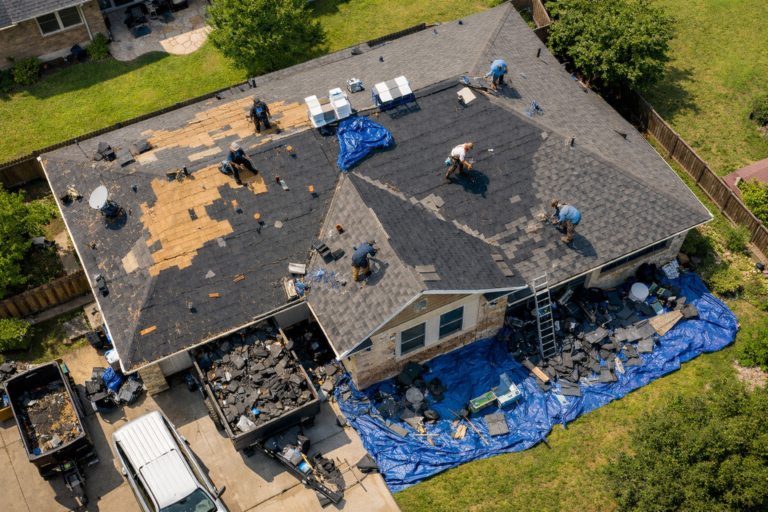
Roof replacement in Georgetown TX means removing your worn roofing system, repairing or replacing damaged decking, installing new underlayment and flashing, and finishing with a new roof that is built to current standards. Homeowners choose this service to solve leaks, storm damage, aging shingles, poor ventilation, or code issues that repairs can no longer address. The goal is a dry, durable roof that protects your home and improves curb appeal.
Legacy Roofing Pros coordinates a clear process from the first inspection to the final walkthrough. You receive photos of roof conditions, a line item scope, material options, and a schedule that accounts for weather and HOA needs. Crews protect landscaping, manage daily cleanup, and keep you informed so the project feels orderly from start to finish.
You can expect guidance on materials that fit Georgetown homes, including impact rated shingles, metal options, and ventilation upgrades that help your attic stay balanced in Texas heat. Transparent pricing, warranty support, and simple financing options are available so you can make a confident decision. When you are ready, request a free inspection and get a detailed plan for your roof.

Professional roof replacement in Leander TX includes a complete tear off, structural deck repairs when needed, upgraded underlayment and flashing, and expert installation of your selected roofing system with balanced ventilation and detailed cleanup. The process begins with a documented roof inspection to map problem areas, measure roof slopes, evaluate attic airflow, and confirm that the scope of work matches the specific needs of your home in Leander. Homeowners receive a clear, written proposal outlining material options, warranty coverage, and a realistic timeline that works with local weather patterns and HOA guidelines.
Property protection is set in place before production starts. Crews install tarps, protective coverings, and plywood pathways to shield landscaping, siding, windows, and driveways. A magnetic sweep system is used throughout the project to collect stray nails and debris, helping keep your yard safe for family and pets. Old roofing materials are carefully removed, and the decking is inspected for soft spots or moisture damage. Any compromised wood is replaced to restore a strong foundation before new materials are installed.
Leak barriers are placed in valleys and along eaves where water intrusion is most common. Synthetic underlayment, drip edge, starter shingles, and flashing components are installed according to manufacturer specifications to promote proper water flow and long term durability. Attention to ventilation is part of the system design so heat and moisture can escape properly, which supports energy efficiency and roof longevity in Texas conditions.
Final installation includes ridge caps, ridge ventilation, and secure sealing around roof penetrations such as pipes, vents, and skylights. The crew documents key installation details with photos, checks fastener placement, and completes a thorough site cleanup. A final walkthrough explains the completed work, warranty coverage, and simple maintenance steps that help protect your new roof for years to come in Leander. Our roof replacement services in Leander TX include:

Inspection of the entire roof, detailed condition report, replacement process recommendations.
Leander homes experience rapid weather shifts, strong wind gusts, hailstorms, and intense sun exposure throughout the year. A professional inspection helps identify early damage that may not be visible from the ground. Homeowners receive a clear evaluation outlining roof condition, lifespan expectations, and practical next steps tailored to properties in growing Leander communities.
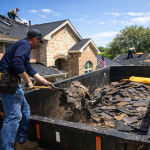
Safe removal of old shingles, tiles, metal panels, and debris disposal.
Roof removal requires organization and care to prevent damage to landscaping, driveways, and siding. Protective coverings and structured cleanup methods keep Leander properties secure while preparing the roof structure for new installation.
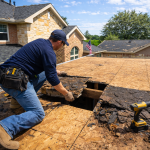
Inspecting decking, replacing damaged wood, and reinforcing roof structure.
Decking supports the entire roofing system. Prolonged moisture exposure or storm damage can weaken structural panels. Compromised sections are replaced and reinforced to ensure the new roofing materials are installed over a stable and secure base.

Upgrading to premium materials such as TAMKO Titan XT®, metal roof upgrades, energy-efficient roofing options, and custom designs.
Leander homeowners often choose to strengthen their roofs during replacement. Impact-rated shingles and reflective systems help improve
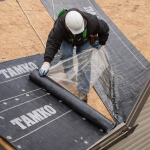
Synthetic underlayment, felt underlayment, ice and water shield installation.
Underlayment acts as a secondary moisture barrier beneath shingles. Proper installation strengthens protection against wind-driven rain and unexpected storm conditions common in Central Texas.
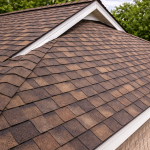
TAMKO Heritage® shingles (basic), TAMKO Titan XT® shingles (premium), TAMKO Stormfighter® shingles (wind-resistant), GAF, Owens Corning, IKO, Atlas RoofingScapes®, and impact-resistant shingles.
Shingles are installed using precise fastening patterns to support long-term durability. Leander homeowners can select materials that blend with neighborhood aesthetics while maintaining protection against Texas storms.
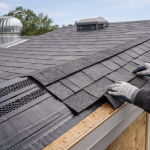
Ridge vents, soffit vents, turbine vents, and attic vent systems.
Proper airflow reduces attic heat buildup and helps control moisture levels. Balanced ventilation improves roof lifespan and supports energy efficiency during Leander’s warm climate conditions.
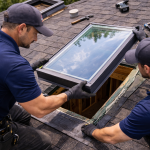
Skylight Installation or Replacement
Skylight installation, skylight flashing, and sealing.
Skylights must be sealed correctly to prevent leaks during heavy rain. Updated flashing and proper integration with roofing materials ensure long-term watertight performance.
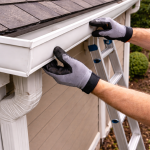
Gutter and downspout replacement, gutter guard installation.
Effective drainage prevents foundation erosion and roof edge deterioration. Updated gutter systems manage heavy rainfall and support long-term water control for Leander properties.
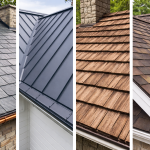
Metal roof installation, tile roof installation, slate roof replacement.
Premium roofing materials offer durability and architectural distinction. These systems provide extended lifespan and strong weather resistance for Leander homes.
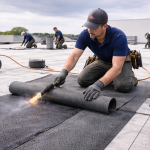
TPO roof installation, EPDM roof replacement, membrane roof systems.
Flat roof systems require specialized membranes designed to prevent pooling and leakage. Proper drainage and sealing methods ensure dependable performance for Leander commercial and residential properties.
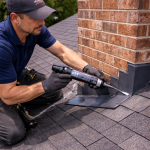
Chimney flashing installation, vent flashing, custom roof edge design.
Flashing protects high-risk transition areas where leaks often develop. Reinforced installation improves water diversion and long-term roof protection.
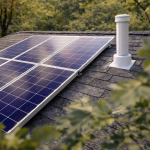
Solar panel mounting system preparation, roof sealing around mounts.
Preparing a roof for future solar installation during replacement simplifies upgrades later. Reinforced mounting zones and sealed penetrations reduce the risk of water intrusion.

Solar panel mounting system preparation, roof sealing around mounts.
Preparing a roof for future solar installation during replacement simplifies upgrades later. Reinforced mounting zones and sealed penetrations reduce the risk of water intrusion.
Call for fast emergency roof help.
You need roof replacement in Leander when the roof can no longer keep water out reliably or repair costs keep returning without solving the problem. Clear triggers include repeated leaks, widespread shingle loss, curling or cracking, heavy granule loss, or visible daylight at the deck. Asphalt shingles often reach the end of service at about 18 to 25 years, sooner if storms have pushed the system past its limits.
Storms push many Leander roofs to replacement. Hail can bruise or fracture shingles and break seals around vents and flashings. High wind can lift shingles, loosen fasteners, and create leaks across several roof planes. Ceiling stains, bubbling paint, or a musty attic point to moisture that repairs may not fully resolve.
Structural and system issues also point to replacement. Sagging areas, soft or rotted decking, failing flashing at walls or chimneys, and poor ventilation that bakes shingles from below are common signals. Rising energy bills or hot stuffy rooms under the roof often trace back to a roof assembly that needs a full reset with proper intake and ridge vent balance.
Budget logic matters. Frequent repairs that add up to a large share of a new system usually mean replacement offers better value. Homes with sale plans benefit from a fresh roof that removes inspection objections and improves curb appeal. HOAs and local codes may require certain materials or colors, and a full replacement is the cleanest way to meet those rules with proper documentation.
A professional inspection clarifies the decision. Inspectors document findings with photos, explain repair versus replacement, and outline material options that handle Central Texas heat, hail, and wind. You receive a clear scope and a timeline so you can plan the project with confidence.
Clear signs that a roof in Leander needs full replacement rather than repair include repeated leaks, widespread shingle damage across multiple slopes, soft or rotted decking, and visible sagging in the roof line. A roof that reaches the end of its service life or shows heavy granule loss and curling often cannot regain performance with spot fixes.
Storm wear often tips the scale toward replacement. Hail bruises can fracture the shingle mat and weaken the surface in ways that patches cannot fully restore. High wind that lifts tabs and breaks seals across several areas usually leaves the system vulnerable to future storms even after small repairs.
System failures also point to replacement. Chronic ventilation problems bake shingles from below and shorten lifespan, while failing flashing at chimneys, walls, or skylights lets water in at multiple points. Interior clues such as expanding ceiling stains, peeling paint, or a musty attic confirm that moisture has moved beyond a single repair area.
Cost and reliability complete the picture. Repairs that keep returning, or a repair total that nears a large share of a new system, make replacement the smarter long term move. A professional inspection with photos and a clear scope helps you confirm the call and choose materials suited for Central Texas heat, hail, and wind.
Yes. An aging roof in Leander can require replacement even when no interior leaks are visible. Shingles lose granules, sealant strips dry out, and the mat becomes brittle, which reduces resistance to hail and wind.
Sun and heat cycles in Central Texas accelerate wear. Prolonged UV exposure bakes the surface, and rapid temperature swings stress sealants and flashing. Ventilation issues can cook the roof from the attic side, so the system weakens even if ceilings still look dry.
Early field signs matter. Widespread curling, soft or spongy decking underfoot, brittle tabs that crack during light handling, and dark balding areas show the roof is near the end of service. These conditions often precede leaks and raise the risk of storm damage.
A documented inspection confirms the call. You receive photos, a repair versus replacement explanation, and material options that handle local weather. Proactive replacement prevents interior damage, stabilizes energy performance, and avoids repeat repair costs during storm season.
Yes. Widespread shingle damage in Leander usually calls for a full roof replacement. Large areas with missing tabs, lifted or unsealed shingles, or cracks across several slopes show that the system cannot perform reliably with spot repairs.
Granule loss across many sections confirms wear. Bald spots, heavy granules in gutters, and exposed fiberglass mat point to weakened protection from sun, hail, and wind. Flashing, pipe boots, and ridge areas often show matching deterioration, which raises leak risk after the next storm.
Patchwork fixes create new problems. Color mismatches draw HOA attention, mixed ages weather at different rates, and manufacturer warranties may not apply when the base field is worn out. A complete replacement resets the deck, restores weatherproofing layers, and aligns all components under one warranty.
A documented inspection gives you clarity. Photos, slope-by-slope notes, and a repair versus replacement explanation help you decide with confidence and select materials suited to Central Texas weather.
Yes. Frequent roof repairs in Leander signal a system that can no longer hold up to heat, hail, and wind. Recurring leaks, new problem spots after each storm, and mounting invoices show that patches are treating symptoms instead of restoring performance.
Pattern recognition matters. Leaks that migrate to new areas, repeated sealing around vents or chimneys, and shingles that keep loosening across several slopes point to widespread wear. Granules in gutters, cracked tabs, and soft decking confirm that the base assembly needs a reset.
Value tips toward replacement when repair totals approach a large share of a new roof. A full system install restores the deck, weatherproofing layers, flashing, and ventilation under one warranty. A documented inspection with photos and a clear scope helps you confirm the move and choose materials that handle Central Texas conditions.
Yes. Sagging in a roof structure in Leander usually indicates weakened decking or framing that requires a full replacement. The dip shows that the roof assembly is not distributing weight correctly and water can collect in low spots.
Visible sags often come from long term moisture, undersized or damaged rafters, or heavy past leaks that softened the deck. Nails lose hold, shingles gap, and flashing separates, which raises the chance of rapid leak growth during the next storm.
A documented inspection confirms the cause and scope. Inspectors check decking with probe tests, review attic framing, and photograph problem areas. You receive a repair versus replacement explanation, but most sag cases need new sheathing, corrected ventilation, and a full roofing system to restore strength and shed water properly.
Yes. Persistent leaks in Leander suggest the roof system has widespread wear that repairs no longer solve. Water that returns after patching points to failure in multiple layers such as shingles, underlayment, flashing, or decking.
Interior clues confirm the risk. New stains near old repairs, peeling paint, musty odors, or damp insulation show moisture is moving through more than one path. Attic checks often reveal rusted nails, dark sheathing, or daylight at seams, which signals a tired assembly.
A full replacement restores protection and stops the cycle of small fixes. The process removes saturated materials, corrects ventilation, refreshes flashing, and installs a complete system that performs as one. A documented inspection with photos and a clear scope helps you decide with confidence.
Storms in Leander accelerate roof wear and often push a tired system past the point of reliable repair. Hail fractures the shingle mat, knocks off granules, and breaks seals around flashings. High wind lifts tabs, creases shingles, and loosens fasteners so water finds new paths after the next rain.
Hidden damage develops quickly after a strong cell. Impact marks on shingles can look harmless while the layers underneath weaken. Seals around vents and wall flashings can separate just enough to leak during wind driven rain. Granules collect in gutters and downspouts and leave bald areas that overheat in the Texas sun.
Roof age and prior condition shape the outcome. A younger, well vented roof might tolerate a moderate storm with spot repairs. An older roof with curling tabs or past patches usually fares worse and needs replacement to restore a continuous weather barrier.
A documented storm inspection clarifies the call. You receive photos, slope maps, and a repair versus replacement explanation that matches what was found on the deck and at penetrations. The goal is a clear plan that fits Central Texas weather and prevents repeat leaks when the next
Yes. Severe hail in Leander can fracture the shingle mat, shred granules, and open pathways for water that demand a full roof replacement. Large impacts often break seals around vents and flashings, and leaks can start with the next wind driven rain.
Field signs help confirm the call. Bruised or soft spots underfoot, bald circles where granules are missing, and widespread cracks across several slopes point to damage beyond patching. Granules in gutters, dented metals, and water staining inside the home strengthen the case for replacement.
Prompt action protects the property. Emergency tarping prevents interior damage while an inspection documents slope by slope conditions with photos. A clear scope explains repair versus replacement, lists material options suited to Central Texas weather, and outlines the timeline so you can plan the next steps.
Yes. High wind damage in Leander can justify a full roof replacement when lifted tabs, broken seals, and creased shingles appear across several slopes. A system with widespread wind distress will not seal back to factory condition and usually develops new leaks during the next storm.
Inspection clues guide the decision. Shingles that flap or lift under gentle hand check, nail pull throughs, exposed fasteners, and displaced ridge or hip caps point to weakened attachment. Loose or bent flashing at walls, chimneys, and valleys allows water to track under the surface even when shingles look intact.
Patchwork repairs rarely hold on a wind stressed roof. Mixed age sections weather at different rates, color matches stand out, and small fixes fail once the next gust hits the same planes. A full replacement restores the deck, underlayment, flashing, and ventilation so the roof works as one system.
A documented evaluation with photos and slope notes will show whether wind effects are isolated or widespread. You receive a clear repair versus replacement explanation and material options that handle Central Texas wind and hail.
Yes. Repeated storm damage in Leander shortens a roof’s lifespan and often leads to a full replacement. Each hail or wind event strains seals, loosens fasteners, and removes protective granules, so the system becomes weaker even if leaks are not yet visible.
Wear compounds after every event. Hail bruises fracture the shingle mat, wind lifts tabs, and heat bakes exposed areas where granules are thin. Flashing and pipe boots develop small gaps that let wind driven rain travel under the surface. Repairs may slow the deterioration but usually do not restore factory level performance.
Inspection confirms the pattern. Multiple slopes with creased tabs, bald patches, or soft decking show that future storms will create more leaks. A complete replacement resets the deck, restores waterproof layers, and aligns flashing and ventilation so the roof works as one system suited for Central Texas weather.
Roof replacement services in Leander cover residential homes, commercial properties, specialty systems, and storm recovery support so your roof performs reliably in Central Texas weather.
Residential replacement focuses on asphalt shingles, premium Class 4 impact options, metal panels, tile, slate, and modern synthetic systems such as DaVinci. Crews handle full tear off, deck repairs, weatherproofing layers, flashing upgrades, and balanced ventilation so the assembly sheds water and heat the way it should.
Commercial replacement addresses flat and low slope roofs that need different membranes and details. Options include coated systems, TPO, PVC, modified bitumen, and standing seam metal where appropriate. Scope planning accounts for drainage, penetrations, rooftop equipment, and business access so operations stay on track.
Specialty solutions serve homes that need elevated performance or a specific look. DaVinci synthetic slate and shake deliver premium curb appeal with consistent profiles and storm ready composition. Class 4 shingles help withstand hail, while enhanced intake and ridge vent designs improve attic health and energy stability.
Storm recovery support keeps damage from spreading. Emergency tarping, moisture checks, and photo documentation protect interiors and record conditions. You receive a clear repair versus replacement explanation and an itemized scope that you can share with your insurer without anyone acting as an adjuster.
Project management ties the service together. Homeowners get help with HOA coordination, City of Leander permit guidance, daily cleanup, magnetic nail sweeps, and a final walkthrough. Written workmanship information, manufacturer warranty registration assistance, and first year care tips close out the job with clarity.
Residential roof replacements protect Leander homes by restoring a continuous weather barrier that keeps water out during hail, wind, and heavy rain. New underlayment, correctly fastened shingles, and refreshed flashing seal vulnerable edges and penetrations so leaks do not travel into ceilings or walls.
Deck repairs strengthen the structure and help the roof shed water the way it should. Balanced attic ventilation lowers heat and moisture, which supports shingle life and helps indoor temperatures stay more stable through summer afternoons. Clean terminations at ridges and eaves direct water away from the home and reduce the chance of wind driven intrusion.
Documentation adds long term protection. Homeowners receive photos of key steps, a clear scope of work, and workmanship and manufacturer details that support future resale and routine maintenance.
Yes. Roof replacement can improve energy efficiency for Leander homes when the new system adds balanced ventilation, reflective shingle options, and tight flashing around penetrations. Cooler attic temperatures reduce strain on air conditioning, especially during Central Texas heat.
Ventilation delivers the biggest lift. Fresh intake at the eaves and a clear ridge outlet release trapped heat and moisture, which helps shingles last closer to their intended service life. Proper airflow also supports more consistent indoor comfort.
Material choice matters. High solar reflectance shingles, light to medium tones, and underlayments designed for heat management help the assembly run cooler. Quality sealing at pipes, skylights, and wall transitions prevents hot air and humidity from entering the envelope.
Long term performance comes from details. Correct fastener patterns, straight courses, and clean terminations limit gaps where heat and moisture can build. A documented installation with photos and a simple first year care plan helps the system maintain its energy benefits through storm season.
Yes. A new roof can increase property value in Leander because buyers see lower near term risk and better curb appeal. Fresh materials, clean lines, and updated colors help the home show well online and in person.
Inspection outcomes improve with a recent replacement. Appraisers and agents respond to documented workmanship and manufacturer details, which can smooth negotiations and reduce repair credits. HOA friendly styles and Class 4 impact options can broaden buyer interest in hail prone areas.
Value holds when details are done right. Proper ventilation, aligned flashing, and complete cleanup show that the work was handled professionally. Photos of key stages and a simple care plan help future owners feel confident in the roof’s remaining life.
Yes. Replacing a roof enhances curb appeal in Leander with fresh color, consistent texture, and clean lines at ridges and eaves that make the home look cared for. Updated shingles or premium profiles create a cohesive style that pairs with stone, brick, and exterior paint common in local neighborhoods.
Color and profile choices shape first impressions. Architectural shingles add depth and shadow that read well from the street, while standing seam or synthetic slate elevates the look on higher end homes. Matching drip edge, vents, and ridge caps keeps the roof from looking patchy.
Details complete the upgrade. Straight courses, aligned valleys, and properly set flashing deliver crisp edges that frame the house. A tidy job site, thorough cleanup, and photo documentation help show the improvement in before and after listings and real estate showings
Commercial roof replacements in Leander differ from residential projects because most buildings use low slope systems that require membranes, custom drainage, and access planning around business operations. Crews stage work to protect customers, staff, and equipment while keeping entrances and parking usable.
System selection follows building needs. TPO, PVC, or modified bitumen membranes manage standing water and foot traffic from HVAC service, while standing seam metal may suit long spans or mixed slope designs. Detail work at curbs, drains, scuppers, and parapet walls matters more than shingle layout because water management drives performance on flat roofs.
Scope planning covers more logistics. Roof sections may be phased so the business stays open, rooftop units need temporary lifts or curb adapters, and safety lines must be placed without blocking access. Noise and odor controls are chosen to match business hours and nearby tenants.
Quality control focuses on seams and penetrations. Proper welds, terminations, and edge metal keep water moving to drains. Photo documentation, moisture checks, and a final water test confirm that the assembly performs before closeout.
A clear plan keeps disruption low. Owners receive a schedule, access map, and daily progress notes with photos. Cleanup, final inspection, and warranty registration close the project with documentation that supports future maintenance and budgeting.
Yes. Commercial roofs in Leander often require specialized replacement systems that match low slope designs, drainage needs, and rooftop equipment. Membrane choices such as TPO, PVC, or modified bitumen handle ponding risks and frequent foot traffic from HVAC service.
Details drive long term performance. Proper insulation layout controls condensation, tapered crickets move water to drains, and reinforced walkway pads protect paths to units. Edge metal, curb flashings, and terminations must meet manufacturer standards so seams stay tight through heat and wind.
Project planning protects operations. Access routes, odor control during adhesives, and phased sections keep doors open and customers safe. A documented installation with photos, moisture scans, and clear maintenance guidance helps owners budget and schedule routine service.
Yes. Flat roof replacement in Leander is more complex than shingle replacement because performance depends on membrane seams, drains, and precise detailing instead of overlapping courses.
Water moves slowly on flat and low slope roofs. Crews design tapered insulation to create directional flow, set crickets behind units, and clear pathways to internal drains or scuppers. Seams require correct welding or adhesive work, and edge metal must lock water to the field and resist wind uplift.
Penetrations add extra steps. HVAC curbs, vent stacks, and parapet walls need custom flashings and terminations that meet manufacturer standards. Walkway pads protect service routes so future maintenance does not damage the membrane. Odor control, safety lines, and phased scheduling keep nearby businesses or tenants comfortable during the project.
Quality checks finish the job. Moisture scans confirm a dry substrate. A final water test around drains and seams verifies flow and seal. Photo documentation, maintenance guidance, and warranty registration give owners a clear plan for routine care in Central Texas weather
Yes. Commercial roof replacement in Leander can improve energy efficiency with higher R value insulation, cool roof membranes, and tighter detailing around penetrations and edges. Cooler roof surfaces reduce heat gain, which lowers strain on HVAC systems during Central Texas afternoons.
Insulation strategy sets the foundation. Tapered layouts prevent ponding and allow consistent thickness where it matters. Cover boards improve durability and help seams stay stable through heat cycles. White TPO or PVC membranes reflect sunlight and keep rooftop temperatures lower than dark surfaces.
Air and moisture control protect performance. Correct terminations at parapets, drains, and curbs limit air leaks and humidity transfer. Balanced intake and exhaust in mechanical rooms reduce latent load and help equipment run as designed. Owners receive maintenance guidance that keeps the surface clean so reflectivity stays high through the season.
Specialty roof replacement options in Leander include premium synthetic slate and shake, standing seam metal, tile systems, and Class 4 impact resistant shingles tailored for hail and heat. Homeowners choose these upgrades for stronger storm performance, longer service life, and a style that matches neighborhood standards.
Synthetic slate and shake offer the look of natural materials without the weight or frequent breakage. Profiles stay consistent from piece to piece, which delivers clean lines and a high end finish. DaVinci systems are a leading example that pairs storm ready composition with attractive color blends suited to Central Texas homes.
Standing seam metal gives a modern look with interlocking panels that shed water quickly. Properly detailed panels, clips, and underlayment help manage expansion and keep seams tight through temperature swings. Color choices with higher reflectance support cooler attic temperatures during summer.
Concrete or clay tile remains a strong choice for Mediterranean or Hill Country styles. A proper deck and underlayment, along with upgraded flashings at walls and valleys, keep these heavier systems performing through wind and heat. Homeowners should confirm HOA approvals and loading details before selecting tile.
Class 4 impact resistant shingles improve resilience against hail while preserving a familiar architectural shingle look. Many lines pair impact rating with algae resistance and stronger sealants, which helps the roof hold up through storm season. A documented inspection and a clear scope help you compare these options for your budget and goals.
Yes. Slate and tile roof replacements are available in Leander through contractors experienced with heavier systems and precise flashing details. Homes that favor Mediterranean or Hill Country styles often choose concrete or clay tile, while higher end projects sometimes consider natural slate where structure allows the load.
Scope planning starts with the deck and underlayment. Proper sheathing, upgraded underlayment in valleys and penetrations, and metal flashings at walls and chimneys keep the system watertight. Starter courses, ridge details, and ventilation plans help the assembly shed heat and resist wind.
HOA and structural checks come next. Many neighborhoods require specific profiles or colors, and some homes need engineering review for weight. A documented inspection with photos and a clear scope helps you compare slate or tile against lighter options that deliver a similar look with fewer structural demands.
Yes. Synthetic products like DaVinci can be installed during a roof replacement in Leander when the deck, underlayment, and flashing details follow manufacturer requirements. These systems provide the look of slate or shake with lighter weight and consistent profiles that suit Central Texas neighborhoods.
Installation follows a clear sequence. Crews verify solid sheathing, add ice and water protection at valleys and penetrations, place synthetic underlayment, and set proper starters and drip edge. Fastener patterns, exposure, and ridge details are set to the product specifications so each course sheds water cleanly.
Performance aligns with local weather. Polymer construction maintains color and shape under heat and sun, and many profiles carry Class 4 impact ratings that help with hail. Balanced attic ventilation supports temperature control and helps the roof age more evenly through long summers.
Project planning keeps approvals smooth. HOA rules often call for sample boards and color confirmations, and some homes need a brief review of flashing transitions at walls, chimneys, and skylights. A documented inspection with photos and a clear scope lets you compare DaVinci against tile, metal, or Class 4 asphalt options for budget and goals.
Yes. Impact-resistant shingles often deliver better value in Leander because they handle hail and wind more effectively and reduce the cycle of repeat repairs. Class 4 ratings help the roof withstand storm hits that would bruise or crack standard shingles.
Value shows up in several ways. Longer service life lowers lifetime cost, fewer emergency calls cut hassle, and consistent appearance keeps curb appeal intact after storm season. Many Class 4 lines also include strong sealants and algae resistance, which helps the roof look cleaner and stay sealed through heat cycles.
Fit still matters. Proper deck repairs, underlayment, and balanced ventilation let impact-rated shingles perform as designed. A documented inspection with photos and an itemized scope helps you compare Class 4 choices against metal or synthetic options for your budget and neighborhood style.
Roof damage that requires replacement in Leander includes widespread shingle failures, chronic leaks, storm impact across multiple slopes, structural weakness, and age related wear that repairs cannot resolve. Homes that show several of these at once benefit most from a full system reset.
Shingle field failures point to replacement. Curling tabs, cracked surfaces, or heavy granule loss across several areas show that the weatherproof layer no longer protects the deck. Bald spots overheat in the sun and speed up deterioration after hail or wind.
Chronic moisture problems push the roof past repair. Ceiling stains that return, musty attic air, dark sheathing, or rusted nail tips indicate water is travelling through more than one path. Patching one location rarely stops moisture that has spread under underlayment or behind flashing.
Structural red flags call for new materials and deck work. Soft or spongy sheathing, sagging lines, or repeated nail pull throughs show the substrate is failing. A replacement lets crews correct the deck, refresh flashings, and install balanced ventilation so the system sheds water and heat as designed.
Storm damage across multiple planes often meets the threshold for replacement. Hail bruises that fracture the mat, wind creases, and broken seals at vents and walls create a pattern of leaks after the next storm. A documented inspection with photos and slope maps confirms the scope and helps you choose materials suited to Central Texas weather.
Shingle damage leads to roof replacement in Leander when failures appear across several slopes or expose the fiberglass mat. Curling, cracking, and torn tabs let wind lift edges and drive water under the surface, which turns small leaks into recurring interior problems.
Hail and heat speed up the decline. Impacts bruise the mat and knock off granules, while Central Texas sun bakes sealant strips and dries out the surface. Bald spots run hot, shingles become brittle, and fasteners lose hold, so patches stop working after the next storm.
Inspection findings connect the dots. Granules in gutters, creased tabs, soft decking, and widespread unsealed edges show that the system cannot recover with spot repairs. A full replacement resets the deck, restores waterproof layers, and aligns flashing and ventilation so the roof works as one assembly suited for local weather.
Yes. Curling or cracked shingles in Leander indicate that replacement may be needed because the roof can no longer seal properly against wind and rain. Edges that lift allow water to travel under the surface, and cracks expose the mat to UV and heat. Granules tend to shed faster once curling starts, which leaves bald areas that overheat in the Texas sun.
Inspection usually confirms a broader pattern. Several slopes with curled tabs, creases near the nail line, and brittle pieces that break during light handling show system wide wear. Gutters filled with granules and dark spots on the field point to advanced aging.
A full replacement restores protection and stability. Crews correct any soft decking, install fresh weatherproofing layers, and set new shingles with proper fastening and ventilation so the roof sheds water and heat the way it should.
Yes. Widespread granule loss in Leander shortens a roof’s lifespan because the shingle loses the protective layer that shields the mat from UV and heat. Bald areas run hotter, age faster, and become more vulnerable to hail and wind.
Field clues help confirm the issue. Gutters filled with granules, dark or shiny spots on the shingle surface, and exposed fiberglass indicate advanced wear. Surfaces with heavy loss often show brittle tabs that crack during light handling and edges that no longer seal.
Replacement becomes the better option when granule loss appears across several slopes. A new system restores UV protection, corrects any soft decking, and renews weatherproofing layers and ventilation so the assembly can manage Central Texas heat and storms.
Structural damage makes roof replacement necessary in Round Rock because the framework supporting the roof can no longer perform safely. When decking, rafters, or trusses are weakened by water, rot, or prolonged storm damage, repairs on the surface do not correct the underlying issue.
A compromised structure cannot hold roofing materials securely, which increases the risk of sagging, leaks, and even collapse during severe weather. Full replacement allows contractors to remove damaged components, reinforce the decking, and install a stable system that restores the home’s strength and safety.
Yes, roof sagging in Round Rock is a clear sign that replacement is required. Sagging usually indicates rotted decking, weakened rafters, or structural failure caused by moisture and age.
A sagging roof cannot support shingles or withstand the weight of heavy rain, and the problem worsens over time. Simple repairs on the surface will not correct the underlying structural weakness. Full replacement is the only way to restore safety and ensure the home can handle future storms.
Yes, rotted or soft decking in Round Rock requires full replacement because the roof structure is no longer strong enough to support shingles and underlayment. Decking serves as the foundation of the roof system, and once it weakens, the entire roof becomes unstable.
Moisture infiltration is the most common cause of rotted decking. When left untreated, it spreads quickly and leads to sagging, leaks, and mold growth. Replacing the entire roof allows contractors to remove the damaged decking, install new boards, and create a solid base for long-term protection.
Leaks and water damage require roof replacement in Leander when moisture enters through multiple points or returns after repairs. Recurring stains, spreading discoloration on ceilings, or damp insulation show that water is travelling beneath shingles and underlayment rather than through a single, easy to fix spot.
Attic checks often reveal the scope. Dark sheathing, rusted nail tips, and musty air indicate ongoing moisture that weakens the deck. Soft or spongy areas underfoot confirm that the substrate has started to fail. Once the deck loses strength, patches on the surface cannot restore a dependable seal.
Flashing and penetration areas tell the same story. Gaps at walls, chimneys, skylights, or vents allow wind driven rain to slip under the field. Sealants that crack from sun and heat leave small openings that grow with each storm. When several transitions leak at once, a full system reset becomes the reliable fix.
Health and interior risks rise as leaks persist. Wet insulation loses R value, drywall swells, and mold can develop in hidden spaces. A new roof removes saturated materials, corrects damaged sheathing, and rebuilds weatherproofing layers so water sheds properly.
A documented inspection clarifies the decision. You receive photos, notes on deck condition and flashing, and a repair versus replacement explanation tailored to Central Texas weather. The recommended scope restores the deck, refreshes underlayment and flashing, and balances attic ventilation so the new system resists future leaks.
Yes. Persistent leaks in Leander often mean repairs are no longer enough because water is finding multiple paths through worn materials and tired flashing. Stains that return after patching, damp insulation, and musty attic air point to moisture moving under shingles and across the deck.
Repeat sealant work rarely holds on an aging system. Sun and heat crack caulk around vents and walls, and wind driven rain slips beneath loose edges. Several slopes with soft spots or exposed nail heads show that the substrate has weakened and needs more than a surface fix.
A full replacement restores reliable protection. Crews remove saturated materials, correct soft or rotted decking, refresh underlayment, and install new flashing at every transition. Balanced intake and ridge ventilation help the roof run cooler and dry out faster after storms, which lowers the chance of leaks returning. A documented inspection with photos and a clear scope confirms the call and outlines material options that handle Central Texas weather.
Yes. Water staining on ceilings in Leander suggests the roof may need replacement when stains spread, return after patching, or appear in several rooms. Discoloration, bubbling paint, or sagging drywall shows moisture is moving past shingles and underlayment.
Attic checks often confirm the source. Dark sheathing, rusted nail tips, damp insulation, and visible daylight at seams point to a tired assembly. Multiple leaking transitions at vents, walls, or skylights indicate failure across the system rather than a single repair spot.
A full replacement becomes the reliable fix once moisture compromises decking or multiple slopes. Crews remove saturated materials, correct soft or rotted wood, renew underlayment and flashing, and balance ventilation so the new system sheds water and dries out quickly after storms. A documented inspection with photos and a clear scope helps you decide with confidence.
Structural damage makes roof replacement necessary in Leander because a weakened deck or frame cannot hold fasteners, keep flashing tight, or shed water correctly. Soft or rotted sheathing lets nails pull through and creates low spots where water collects. Sagging lines signal stress in rafters or trusses that spreads leaks across several areas.
Moisture accelerates failure once the deck gives way. Wet wood loses strength, underlayment wrinkles, and shingles bridge over dips instead of sealing flat. Flashing at chimneys, walls, and valleys separates under movement and temperature swings, so wind driven rain finds easy paths inside.
Inspection confirms the scope and the right fix. Probe tests, attic photos, and slope notes show where the deck needs replacement and where framing needs reinforcement. A full roof replacement removes compromised materials, rebuilds the substrate, refreshes weatherproofing layers, and restores proper ventilation so the assembly carries loads and sheds water the way it should.
Yes. Roof sagging in Leander is a strong sign that replacement is required because the deck or framing no longer carries loads correctly. Dips collect water, loosen fasteners, and open gaps at shingles and flashing, which leads to leaks that spread after each storm.
Common causes include long term moisture, undersized or damaged rafters, and past leaks that softened sheathing. Attic checks often reveal dark, damp wood, separated joints, and insulation with water marks. Shingles over a sagging area rarely seal flat again, so patches fail quickly.
A full replacement restores strength and drainage. Crews remove compromised materials, rebuild the deck, correct ventilation, and reinstall the roofing system so water sheds cleanly. A documented inspection with photos and probe tests confirms the scope and outlines a clear plan for Central Texas weather.
Yes. Rotted or soft decking in Leander requires full replacement because fasteners cannot hold and water will keep spreading under the surface. Soft spots allow shingles to flex, open gaps at flashing, and pool water in low areas.
Inspection confirms where the wood has lost strength. Probe tests, attic photos, and visible delamination show which sheets must come out. Crews remove damaged sections, replace with sound sheathing, and prepare a flat, dry base so new underlayment and shingles seal correctly.
Prompt deck replacement prevents repeat leaks. Fresh sheathing restores proper nail hold, keeps flashing tight at walls and valleys, and supports balanced ventilation that helps the system run cooler through Central Texas heat. A documented scope with photos shows the before and after condition for your records.
Storm damage leads to roof replacement in Leander when hail and wind create system wide failures that repairs cannot reverse. Hail bruises fracture the shingle mat and strip granules so the surface overheats in the sun. Wind lifts tabs, breaks seals, and loosens fasteners across several slopes, which lets water travel under the field during the next rain.
Moisture spreads once protective layers fail. Water enters at vents, wall flashings, and valleys and then tracks along underlayment and decking. Ceiling stains, musty attic air, or rusted nail tips signal that leaks are forming through more than one path.
Inspection confirms the pattern and scope. Photos, slope notes, and probe checks show where the deck is soft, where flashing has separated, and how many planes have creased or unsealed shingles. A full replacement removes compromised materials, rebuilds the substrate where needed, and installs weatherproofing, flashing, and balanced ventilation so the new system sheds water and heat as designed in Central Texas weather.
Yes. Large hailstorms in Leander can warrant immediate roof replacement when impacts fracture the shingle mat, strip granules, and break seals around flashings and vents. Damage across several slopes allows water to enter during the next wind driven rain and turns small issues into interior leaks.
Field indicators confirm urgency. Soft bruises that give under finger pressure, circular bald spots, cracked or split tabs, and heavy granules in gutters point to failure beyond patching. Dented gutters, downspouts, and rooftop metals reinforce the likelihood of widespread impact.
Prompt stabilization prevents interior damage. Emergency tarping shields open areas, and a documented inspection maps slope by slope conditions with photos. A clear repair versus replacement explanation, option pricing, and a timeline help you move quickly before the next storm.
Yes. Wind damage across multiple roof sections in Leander justifies replacement because the system has lost a reliable seal over large areas. Lifted tabs, creased shingles, and broken seals allow water to track beneath the surface during the next storm.
Inspection patterns tell the story. Several slopes with loosened fasteners, exposed nail heads, displaced ridge or hip caps, and open flashing at walls or valleys show wear that patches cannot restore. Mixed age repairs weather at different rates and often fail once strong gusts return.
A full replacement restores a continuous barrier. Crews correct soft decking, install fresh underlayment, reset flashing at every transition, and balance intake and ridge ventilation so the assembly sheds water and heat properly. Photo documentation and a clear scope help you plan materials and timelines that fit Central Texas weather.
Yes. Repeated storm damage in Leander shortens a roof’s lifespan enough to require replacement because each event weakens seals, removes granules, and loosens fasteners across several slopes. The roof then fails to reseal reliably and leaks return after minor repairs.
Wear compounds with heat and sun. Exposed areas overheat, shingles become brittle, and flashing gaps widen through expansion and contraction. Water follows easy paths at chimneys, walls, and valleys and spreads under underlayment rather than staying in one spot.
Replacement stops the cycle. A complete system install removes compromised materials, rebuilds soft decking, refreshes weatherproofing layers, and sets balanced ventilation so the roof manages hail, wind, and heat the way it should in Central Texas. A documented inspection with photos and slope maps supports the decision.
Roof age determines replacement timing in Leander because materials lose strength and weatherproofing as years pass. Asphalt shingles often reach the end of service near the two decade mark, sooner if hail or high heat has stressed the system. Older roofs show curling tabs, brittle mats, and heavy granule loss that repairs cannot reverse.
Local climate speeds aging. Long summers, intense sun, and sudden storms push sealants and flashing past their limits. Ventilation problems bake the roof from the attic side and shorten service life even when ceilings still look dry.
A documented inspection confirms where the roof stands on the timeline. Inspectors note install date or visible age indicators, check deck firmness, review flashing at walls and penetrations, and photograph wear across each slope. You receive a repair versus replacement explanation that matches the findings and the reality of Central Texas weather.
Yes. A 20 year old asphalt shingle roof in Leander usually needs replacement because long summers, UV exposure, and storm cycles push the system past its intended service life. Curling, cracking, and granule loss reduce protection, and sealant strips no longer hold as designed.
Inspection findings confirm the call. Several slopes with brittle tabs, exposed mat, loose fasteners, or soft decking show that patches cannot restore performance. Ventilation imbalances often add hidden wear from the attic side.
A full replacement resets the assembly for Central Texas weather. Crews correct damaged sheathing, install modern underlayments, refresh flashing at all transitions, and balance intake and ridge ventilation. You receive photo documentation, a clear scope, and material options that align with budget, HOA rules, and storm resilience goals.
Yes. Metal roofs in Leander can last long enough to delay replacement when panels are properly detailed, fastened, and ventilated. Standing seam and well installed screw down systems handle heat cycles and wind better than aging asphalt that has reached end of service.
Performance depends on the assembly. Sound decking, high temperature underlayment, and slip sheets help panels move without stressing fasteners. Correct clip spacing, sealed penetrations, and clean terminations at ridges and eaves keep water out during wind driven rain.
Maintenance keeps service life on track. Annual checks for loose fasteners, worn washers, and sealant at flashings prevent small gaps from growing. Clear gutters and unobstructed valleys help water move off quickly after storms.
Replacement still makes sense when panels show corrosion, coating failure, or widespread fastener fatigue. A documented inspection with photos and a repair versus replacement explanation clarifies whether tune ups will buy time or a full system reset serves the home better.
Yes. Tile and slate roofs in Leander often require replacement less frequently because the materials resist sun, heat, and hail better than aging asphalt. Properly installed systems can deliver decades of service when the deck and underlayment are sound.
Supporting layers decide the outcome. Underlayment, flashings, and ventilation carry much of the weather load under tile and slate. Worn membranes or loose flashings can leak while the surface still looks good. Deck repairs and upgraded underlayment during replacement protect the structure and extend life.
Maintenance keeps timelines long. Broken pieces from foot traffic, clogged valleys, or slipped tiles should be handled quickly. Regular inspections after storms catch small issues early. A documented evaluation with photos helps you decide between targeted repairs and a full reset based on actual field conditions.
Yes. Synthetic roofing systems in Leander can be a longer term replacement option because they pair durable composition with lighter weight and consistent profiles. Many products, including DaVinci slate and shake, offer Class 4 impact ratings that help in hail and wind.
Performance depends on the assembly. Solid decking, high quality underlayment, and correct fastener patterns let synthetic tiles shed water and heat the way they should. Balanced attic ventilation supports even aging through long Central Texas summers.
Curb appeal stays high with stable color blends and uniform shapes. Homeowners often clear HOA review faster when samples match neighborhood styles. A documented inspection and an itemized scope help you compare synthetic options against tile, metal, or Class 4 asphalt for budget, look, and storm readiness.
Roof replacement in Leander typically falls within clear ranges that depend on material, roof size, pitch, complexity, and any repairs discovered during tear off. Architectural asphalt on a typical 1,600 to 2,000 square foot single story home often runs $11,000 to $18,000, while the same home with Class 4 impact rated asphalt usually lands around $14,000 to $21,000. Standing seam metal on a similar footprint commonly prices at $22,000 to $35,000. Synthetic slate or shake such as DaVinci often ranges $21,000 to $34,000 based on profile and details, and concrete or clay tile generally starts around $30,000 and can increase when structural upgrades are required. Small commercial TPO or PVC projects frequently price at $6.50 to $11.00 per square foot.
Material choice drives most differences, then installation factors refine the number. Steeper or more complex roofs with valleys, dormers, or skylights take more time and labor than simple gable layouts. Tear off reveals real world needs such as rotted or soft decking that must be replaced for proper fastener hold, along with chimney, wall, or skylight flashing that needs new metal. Intake and ridge ventilation upgrades may be added to stabilize attic temperatures and help the new system last through Central Texas heat.
Access and administration shape logistics, which nudges cost up or down. Tight driveways, limited staging, and long carries slow production, while easy access keeps labor efficient. HOA coordination and City of Leander permit requirements introduce predictable, modest line items that appear in the estimate. Storm related projects are often reviewed under a homeowner policy, and financing plans can spread remaining costs over time. A documented inspection with photos and an itemized estimate confirms where your roof sits within these ranges and helps you compare materials that fit your budget and neighborhood style.
Cost depends on material choice, roof size, roof pitch, design complexity, and the condition of the decking and flashing discovered during tear off. Architectural asphalt sits lowest on most budgets, Class 4 impact shingles add a premium for storm durability, and metal, tile, slate, or synthetic profiles price higher because materials and labor time increase.
Home layout shapes labor. Larger square footage requires more materials and hours. Steeper slopes, multiple valleys, dormers, skylights, and chimneys slow installation and raise the number of details that must be flashed and sealed. Simple gable designs with clear access finish faster and usually land lower in the range.
Deck and underlayment findings influence totals after removal. Soft or rotted sheathing needs replacement so nails hold and surfaces lie flat. Old or failed flashing at walls, chimneys, and skylights must be rebuilt to stop leaks. Upgrades such as ice and water protection in valleys, high temperature underlayment, and balanced intake and ridge ventilation improve performance and may increase line items.
Jobsite logistics matter. Easy driveway access, short material carries, and space for staging keep production efficient. Tight access, landscaping that needs protection, and long carries add time. Administrative items such as HOA approvals and City of Leander permits appear as predictable entries in the estimate.
Storm and payment factors round out the picture. Hail or wind losses are often reviewed under a homeowner policy, subject to deductibles and carrier guidelines. Financing plans can spread remaining costs across monthly payments. A documented inspection with photos and an itemized scope ties these variables to your roof so the final number reflects real field conditions.
Yes. Roofing material in Leander directly influences roof replacement cost because each system carries different product prices and labor time.
Architectural asphalt usually lands at the lower end due to efficient installation and readily available parts. Class 4 impact rated asphalt adds a premium for thicker mats, stronger sealants, and upgraded accessories that improve storm resilience.
Metal, tile, slate, and premium synthetic systems price higher. These options need specialized trim, custom flashing, precise fastening, and more installation hours. Underlayment requirements can change as well, such as high temperature membranes for metal or enhanced valley protection for tile.
Material choice also affects long term value. Higher reflectance colors, Class 4 ratings, and balanced ventilation can stabilize attic temperatures and reduce repeat repairs. An itemized estimate shows how each material shifts the total so you can compare cost against performance for Central Texas weather.
Yes. Roof size and complexity in Leander directly affect labor costs because larger and more intricate roofs require more time, staging, and detailed flashing work.
Bigger roofs increase labor hours for tear off, deck repairs, underlayment, and installation. More squares also mean longer runs for material loading, cleanup, and magnetic nail sweeps. Crews move more ladders, safety lines, and protection gear, which adds set up time each day.
Complex designs raise the detail count. Steeper pitches, multiple valleys, dormers, skylights, chimneys, and turrets require careful flashing, extra cuts, and slower movement for safety. These conditions reduce production speed compared to a simple gable layout with clear access.
Access and staging shape efficiency. Tight driveways, long carries, landscaped obstacles, and limited dumpster placement slow material flow. Easy access, wide staging areas, and short carries allow crews to keep a steady pace and hold labor costs down.
Yes. Accessibility challenges in Leander can increase roof replacement pricing because crews need more time and equipment to move materials safely.
Tight driveways, gated entries, and limited street parking slow staging and add carry distance from the truck to the roof. Long carries mean more labor for loading shingles, underlayment, flashings, and tools. Homes with steep lots or pool enclosures often need extra protection and careful routing that extends setup and cleanup.
Limited space for dumpsters or material lifts changes the workflow. Smaller containers require more hauls and added disposal fees. Roofs that cannot accept a lift near the eaves may need additional ladder moves and safety lines, which lowers production speed.
Protection needs add hours. Landscaping, decks, and patios require coverings and careful placement of the Catch All System or similar shielding. Crews spend time moving and resetting protection as each section advances, then complete a thorough magnetic sweep before closeout.
A short site visit reveals the impact. Photos, measurements, and an access plan let the estimate reflect real conditions so you know exactly how staging and logistics influence the final number.
Yes. Emergency roof replacements in Leander often cost more than scheduled projects because crews must mobilize quickly, secure materials immediately, and work around weather or active leaks.
Rapid response changes logistics. After hours calls, rush deliveries, and temporary protection such as emergency tarping add line items that do not appear in standard timelines. Crews may need extra hands to open and dry in the worst sections the same day, which raises labor hours.
Material availability can push pricing. Storm surges strain supplier inventory, so equivalent substitutes or premium lines may be the only options on short notice. Special order colors or accessories usually require a scheduled project unless a close match is in stock.
Risk management affects production. Wet substrates demand extra drying time or partial deck replacement, and wind driven rain forces more careful staging and sealing. These conditions slow progress compared to a planned job with clear weather.
Clear documentation keeps costs predictable. A quick inspection with photos, an emergency stabilization plan, and an itemized scope show what is needed now and what follows during full replacement. Financing and insurance review help many families spread costs while the home stays protected.
Average price ranges in Leander typically land at $11,000 to $18,000 for architectural asphalt on a 1,600 to 2,000 square foot single story home. Class 4 impact rated asphalt on the same footprint usually runs $14,000 to $21,000. Standing seam metal on a similar size home commonly prices at $22,000 to $35,000.
Synthetic slate or shake such as DaVinci often falls between $21,000 and $34,000 depending on profile and trim details. Concrete or clay tile generally starts around $30,000 and can move higher when structural upgrades or specialty flashings are needed. Small commercial TPO or PVC replacements often range $6.50 to $11.00 per square foot based on layers, penetrations, and access.
Final numbers depend on measurements, pitch, tear off layers, deck condition, flashing needs, and ventilation upgrades. A short inspection with photos and an itemized scope ties these ranges to your roof so you can compare materials with confidence.
Asphalt shingle roof replacement for a typical 1,600 to 2,000 square foot single story home in Leander usually costs $11,000 to $18,000. Homes with the same footprint that choose Class 4 impact rated shingles typically land around $14,000 to $21,000.
Prices rise when slopes get steeper or the design adds valleys, dormers, chimneys, or skylights because labor and flashing details increase. Access limits, multiple tear off layers, and deck repairs can also move the number upward.
Final estimates reflect underlayment choices, balanced ventilation, and the condition of flashing at walls and penetrations. A short inspection with photos and an itemized scope pins the figure to your exact roof.
Metal roof replacement for a typical 1,600 to 2,000 square foot single story home in Leander usually ranges $22,000 to $35,000. Standing seam systems sit toward the higher end due to custom trim, clips, and longer installation time.
Prices move with roof design and access. Steeper pitches, multiple valleys, and many penetrations increase labor and flashing detail. Tight driveways, long carries, or limited staging slow production and can raise cost.
Assembly choices influence totals. High temperature underlayment, slip sheets, and thicker panels add durability and budget. Color and coating selections with higher reflectance may improve attic temperatures and can add a small premium.
A brief inspection confirms where your project lands. Measurements, deck condition, tear off layers, and accessory needs appear in an itemized estimate so you can compare options with confidence.
Yes. Tile or slate roof replacements in Leander cost more than architectural shingle replacements because materials and labor time increase.
Material price and weight drive the difference. Concrete or clay tile and natural slate cost more per square than asphalt shingles and require stronger deck preparation. Heavier systems may need structural review or localized reinforcement, which adds line items to the scope.
Installation takes longer. Crews set specialized underlayments, lay starter courses carefully, and cut pieces to fit valleys, hips, and ridges. Flashing at walls, chimneys, and penetrations uses custom metal details that take more time than standard shingle kits.
Design and access influence totals. Steeper roofs, complex layouts, or many penetrations raise labor, while tight driveways or long carries slow material handling. A documented inspection with photos and an itemized estimate shows the exact gap between tile or slate and a comparable shingle option for your home.
No. Flat roof replacement in Leander does not always cost more than pitched roofs. Small residential projects with architectural shingles often come in lower overall than single ply membranes of similar size, while larger commercial flat roofs can price very competitively per square foot because materials and labor scale efficiently.
Cost hinges on system choice and scope. TPO, PVC, or modified bitumen need seam welding or full adhesion, tapered insulation for drainage, and custom terminations at parapets and edges. Architectural shingles rely more on overlapping courses and standard flashing kits, which can keep labor hours lower on simple home layouts.
Penetrations and access sway the number. Roofs with many curbs, vents, or limited staging need extra detailing and time, which adds to either system. Wide open commercial decks with clear access often favor single ply membranes on both schedule and price per square foot.
A short site visit settles the question for your property. Measurements, deck condition, drainage needs, and access details appear in a written scope so you can compare a flat membrane against a pitched option with real field data.
Yes. Roof replacement costs in Leander can be reduced through storm related insurance coverage and flexible financing plans that spread remaining balances over time.
Insurance helps when a qualified storm event damages the roof. Adjusters look for hail strikes, wind creases, and related water intrusion, then compare findings with your policy terms. Deductibles apply, coverage can differ between actual cash value and replacement cost value, and exclusions may limit non-storm upgrades. Documentation from a contractor supports the file with photos and a clear scope without anyone acting as an adjuster.
Financing covers gaps the policy does not pay. Options often include same-as-cash promos for short terms, low-APR plans for longer timelines, and staged draws tied to project milestones. Preapproval usually checks basic credit info and verifies identity, which lets you pick materials and schedule faster.
Smart planning lowers out-of-pocket risk. An itemized estimate separates required repairs from optional upgrades, a timeline avoids rush fees, and a clear ventilation and flashing plan protects performance so you are not paying twice for missed details. A brief inspection and photo report gives you the evidence carriers ask for and the numbers you need to compare financing choices with confidence.
Yes. Homeowner insurance in Leander can cover storm related roof replacement when hail or wind causes sudden, accidental damage and the policy includes that peril.
Coverage depends on your contract. Deductibles apply first. Policies may pay actual cash value upfront and release recoverable depreciation after work is completed and invoiced. Exclusions for wear and tear, prior leaks, or cosmetic-only damage can limit payment. Ordinance or law coverage is needed for code required upgrades such as ventilation or deck repairs beyond like-for-like.
Documentation drives decisions. Clear photos, date-stamped storm reports, and a line item scope that separates storm damage from optional upgrades help adjusters evaluate the claim. A contractor can share factual findings and measurements for your file without acting as an adjuster. Filing within the policy timeline and responding to carrier requests keeps the process moving.
Yes. Roofing warranties in Leander can offset replacement costs by covering defects in materials and, in some cases, workmanship during the covered period. Manufacturer warranties typically address material failures such as premature granule loss or shingle defects, while a contractor warranty covers installation quality for a set term.
Coverage terms vary. Some manufacturer programs offer enhanced protection when the full system is installed with approved components and registered after completion. Transferable warranties can add resale value because the next owner inherits protection for the remaining term. Exclusions for improper ventilation, storm damage, or poor maintenance are common, so the roof assembly must meet product guidelines.
Documentation makes the warranty reliable. Registered serials or lot numbers, photo records of key steps, and an itemized invoice that lists components help validate claims later. Balanced intake and ridge ventilation, correct fastener patterns, and properly flashed penetrations keep the roof within warranty requirements and reduce out of pocket surprises. A short review of warranty options during estimating helps you choose materials that fit both budget and protection goals.
Yes. Many roofing companies in Leander provide flexible financing plans that help spread the cost of roof replacement over time. Programs often include short term same as cash options, longer low APR terms, and staged draws that align with project milestones.
Preapproval usually takes a few minutes with basic credit and identity checks. Homeowners can pair insurance proceeds with financing to cover deductibles or upgrades like Class 4 shingles or enhanced ventilation. Clear paperwork outlines monthly payments, any promotional period, and what happens after the promo ends.
A simple estimate makes budgeting easier. Itemized line items separate must have repairs from optional enhancements so you can decide what to finance now and what to defer. A quick conversation about timelines prevents surprise interest charges and keeps the project moving on schedule.
Yes. Zero interest and low interest roof financing options are available in Leander through many contractor lending partners and third party lenders. Short term same as cash promotions often run 6 to 12 months with no interest when paid within the promo window. Longer terms with fixed APR spread payments across 24 to 144 months so budgets stay predictable.
Approval typically requires a quick credit check and basic identity verification. Homeowners can combine insurance proceeds with financing to cover deductibles, upgrades like Class 4 shingles, or ventilation improvements. Clear documents outline monthly payments, any promotional end date, and what the rate becomes after the promo.
Smart planning keeps costs in control. Itemized estimates separate must have repairs from optional enhancements, which helps you decide what to finance now and what to defer. Automatic payments reduce late fees, and early payoff on promo plans avoids interest entirely.
Permits, HOA approvals, and local codes affect roof replacement costs in Leander by adding required fees, design constraints, and compliance steps that influence labor and materials. Permit fees appear as a direct line item and inspections add coordination time. HOA guidelines can limit color, profile, or material choices, which may shift pricing toward specific products. Local codes drive details such as underlayment type, flashing standards, and ventilation targets, and those requirements can add materials and labor hours.
Scheduling also changes with approvals. Permit review and inspections add days to the timeline, and HOA boards often meet on fixed schedules. Crews plan start dates around those checkpoints to avoid idle time. Clear documentation speeds everything up. A simple packet with photos, product data sheets, color samples, and a site plan helps the city and the HOA approve without back and forth.
Smart planning keeps costs predictable. An estimate that separates permit fees, potential HOA costs, and any code driven upgrades shows exactly why the number is what it is. Homeowners get a realistic start date and a scope that passes inspection the first time, which prevents surprise rework later.
You can find roof replacement permit information for Leander on the City of Leander website under Building Inspections or Development Services. The city posts permit requirements, fee schedules, inspection checklists, and the online permitting portal where homeowners or contractors submit applications and schedule inspections.
A quick search for “City of Leander roofing permit” leads to the correct page. The portal shows submittal requirements such as scope description, job valuation, contractor registration, and any supporting documents the reviewer needs. Most homeowners prefer having the contractor submit and track the permit, then share the permit number and inspection results as the project moves forward.
HOA communities still need their own architectural approvals, which run separately from the city permit. A clear packet with photos, product data sheets, color samples, and a simple site plan helps both the city and your HOA review quickly.
Most standard re-roofs in Leander do not require a city building permit, so there is usually no city turnaround time for a typical roof replacement. HOA approval still applies in many neighborhoods, and that timeline depends on your community’s review schedule.
Projects that include structural changes, new skylights, additions, or other scoped work can trigger a permit. Residential first reviews commonly take about 5 to 10 business days, with faster or slower results based on workload and the completeness of the submittal. Inspections tied to permitted work are often available the next business day when requested before the posted cutoff.
Clear paperwork speeds things up. A simple packet with scope description, product data sheets, color selections, site photos, and contractor registration prevents back and forth. Homeowners in HOA communities should plan for a separate architectural review because the city and the HOA run different processes. A quick call to the city’s Permits and Building Inspection office confirms whether your specific roof needs a permit before you schedule work.
No. Standard re-roofs in Leander typically do not require a city building permit.
Some scopes do require permits. Structural changes, new skylights, roof additions, or other alterations trigger review through the city’s online portal. HOA approvals are separate from the city and may still be required in your neighborhood.
Clarity prevents delays. A contractor can confirm permit needs during the inspection, prepare any submittals if your scope requires review, and provide the packet your HOA requests. A quick call to the City of Leander Permits and Building Inspection office verifies your specific project before scheduling.
Yes. HOA rules in Leander can limit roofing materials, profiles, and colors during roof replacement.
Most associations publish architectural guidelines that list approved shingle lines, color families, and acceptable upgrades such as Class 4 impact shingles, metal accents, or synthetic slate. Boards often require a product sheet, a color sample, and simple site photos with your submittal.
Approvals move faster when proposed materials match neighborhood styles. Estimates that reflect the HOA list help avoid rework and keep the start date on track.
A quick review of your HOA packet during the inspection ensures the scope aligns with rules before you apply. Your contractor can prepare a clean submittal so the board has everything needed for a prompt decision.
Yes, delaying roof replacement in Round Rock can lead to higher costs later. A roof that has already reached the end of its lifespan or suffered storm damage continues to weaken over time. Small issues such as cracked shingles or minor leaks quickly grow into larger problems when left unaddressed.
Water intrusion can damage decking, insulation, drywall, and even the structural framework of the home. These repairs are far more expensive than replacing the roof on time. Delaying replacement may also increase energy bills as worn materials allow heat loss in winter and heat buildup in summer.
Replacing the roof promptly prevents costly secondary damage and saves homeowners from paying more in the long run.
Roof replacement differs by material in Leander because each system installs with different layers, accessories, and labor time. Asphalt shingles rely on starter strips, synthetic underlayment, and nail patterns that move quickly. Metal panels need high temperature underlayment, slip sheets, clips or fasteners, and custom trim. Tile and slate require stronger decking, upgraded underlayment in valleys and penetrations, and careful piece setting that takes more time. Synthetic slate or shake uses lighter pieces with defined exposure and fastener patterns that balance speed with a high end look.
Weather performance changes with material choice. Class 4 asphalt and many synthetics resist hail better than standard shingles. Standing seam metal sheds wind driven rain and reflects more sun when paired with lighter colors. Tile and slate handle heat well but depend on tight flashing and clear drainage paths to control heavy storms.
Maintenance and warranty terms also shift. Asphalt needs periodic attic ventilation checks and simple roof tune ups. Metal benefits from seasonal fastener and sealant reviews. Tile and slate need occasional piece replacement after foot traffic or storms. Synthetic products often offer long coverage when installed as a full system. A documented inspection and an itemized estimate help you compare these tradeoffs for Leander weather, HOA rules, and budget.
Ridge vents and balanced intake improve attic health in Leander by moving hot, moist air out while pulling fresh air in through the eaves. Steady airflow lowers attic temperature, reduces moisture buildup, and helps shingles last closer to their intended service life.
Proper intake starts the process. Soffit vents allow cooler air to enter along the eaves and feed the ridge outlet. Clear pathways prevent short cycling near the ridge and keep the entire attic volume turning over.
A continuous ridge vent finishes the system. Warm air rises to the peak and escapes through a low profile vent that runs the full length of the ridge. Even movement limits hot spots, protects decking, and helps reduce the chance of ice shield blistering or underlayment wrinkles.
Details make the system work. Baffles keep insulation from blocking soffit vents, and correct net free area ensures intake slightly exceeds exhaust. Tight flashing at the ridge, proper shingle layout, and clean cut openings protect against wind driven rain while the vent does its job.
Energy comfort improves as a result. Lower attic temperatures ease strain on air conditioning during Central Texas afternoons. Drier framing and insulation help maintain R value and reduce musty odors after storms. A replacement project is the ideal time to balance intake and ridge venting so the new roof performs as one system.
Asphalt shingle roof replacement in Leander involves full tear off, deck repairs as needed, fresh weatherproofing layers, new shingles installed to manufacturer standards, and a clean closeout with documentation.
Crews start with protection and removal. Landscaping, siding, and windows get covered. Old shingles and underlayment come off, then the deck is checked for soft or rotted wood and replaced where needed so nails hold and courses sit flat.
Weatherproofing sets the base. Synthetic underlayment goes down on a dry deck. Ice and water protection is added in valleys and around penetrations. Starter strips and drip edge are set along eaves and rakes to lock the first courses and guide water off the roof.
Details keep water out. New flashing is fitted at chimneys, walls, skylights, and vents. Pipe boots are replaced. Valleys receive metal or specialty membranes based on the design. Balanced intake and ridge ventilation is confirmed so heat and moisture move out of the attic.
Shingles are installed next. Architectural or Class 4 impact options follow the correct exposure, nailing pattern, and seal requirements. Ridges are finished with matching caps for a clean, weather tight look.
Cleanup and quality control finish the job. Debris is removed daily, a magnetic sweep picks up nails, and a final walkthrough confirms details. You receive photos of key steps, warranty registration assistance, and simple care tips for the first year.
No. An exact shingle color match is rarely possible in Leander because batches, aging, and sun exposure change tones over time. Even the same manufacturer and color name can vary slightly from one lot to another.
Close matches still look great with planning. Crew leaders compare current samples on your roof in direct sun and shade, then photograph options alongside existing shingles. Many homeowners choose a complementary blend that minimizes contrast rather than chasing a perfect match that may not exist.
Replacement projects allow a clean reset. A full roof replacement eliminates patchwork color shifts and gives the home a consistent look that ages evenly. HOA friendly color families and Class 4 impact lines offer attractive blends that perform well through Central Texas heat and hail.
Starter strips, ice and water shield, and drip edge form the first line of defense on a Leander roof by sealing edges, protecting leak-prone areas, and directing water safely off the house. Starter strips lock the first shingle course and improve wind hold at eaves and rakes. Ice and water shield is a self-sealing membrane placed in valleys and around penetrations so fasteners and small gaps do not become leak paths during wind-driven rain. Drip edge is metal flashing at eaves and rakes that supports shingles, prevents water from wicking under the deck, and guides runoff into gutters.
Placement and sequencing matter. Crews set drip edge and starter correctly along the eaves, install ice and water shield in valleys and at chimneys, skylights, and vents, then run synthetic underlayment across the field. Proper overlaps and straight lines create a flat, sealed base so shingles sit tight and shed water cleanly.
Local weather makes these details important. Summer heat and sudden storms in Central Texas test edge seals and valley protection, so quality components and careful installation reduce leak risk and help the new roof last. A quick photo set during installation documents that each layer is in the right place for your records and any future warranty needs.
Balanced attic ventilation extends roof life in Leander by lowering heat and moisture that break down shingles and decking. Cooler attics reduce thermal stress on sealants and mats, and drier conditions prevent wood softening and mold growth.
Intake sets the airflow. Clear soffit vents feed fresh air along the eaves, and baffles keep insulation from blocking those openings. Continuous intake across each eave helps the entire attic move air instead of just the areas near gables.
Ridge vents complete the path. Warm air rises to the peak and exits through a low profile vent that runs the roof’s length. Even exhaust prevents hot spots that cook shingles from below and shorten service life.
Numbers keep the system honest. Net free area for intake should slightly exceed exhaust so air flows in one direction from eave to ridge. Mixed systems such as ridge plus box fans can short cycle and leave dead zones, so one balanced approach works best.
Replacement is the perfect time to tune ventilation. Crews open blocked soffits, add baffles, verify ridge slots, and set the correct vent components. Photos and a simple airflow summary show that the new roof can run cooler and stay dry through Central Texas summers.
Yes. Premium shingles can extend roof lifespan in Leander when paired with proper deck repairs, underlayment, flashing, and balanced ventilation. Thicker mats, better sealants, and enhanced granules help resist heat, hail, and wind through Central Texas seasons.
Performance still depends on the assembly. Sound sheathing keeps fasteners tight, synthetic underlayment manages moisture, and ice and water protection at valleys and penetrations blocks early leak paths. Correct nailing patterns and straight courses help the roof shed water cleanly during heavy rain.
Class upgrades add value when storms hit. Impact rated options reduce bruise related failures, and algae resistant blends keep the surface looking consistent. A documented installation with photos and a simple first year care plan helps the new system maintain its advantage over standard shingles.
Yes. Roof replacement in Leander allows color and style upgrades that refresh curb appeal and align with HOA guidelines. New shingle palettes, high-contrast ridge caps, and cleaner valley details create a finished look that photographs well and shows well at resale.
Color selection drives first impressions. Earth tones complement Hill Country stone and brick, while cooler grays modernize stucco or siding. Class 4 options and metal accents often come in lighter, higher-reflectance colors that help manage attic heat during summer.
Profile choice shapes texture. Architectural shingles add depth and shadow lines, standing seam metal delivers a sleek profile, and synthetic slate or shake offers a high-end look without heavy weight. Matching drip edge, vents, and pipe boots keeps the field from looking patchy.
HOA fit keeps timelines smooth. Sample boards, product sheets, and a quick photo of the front elevation help boards approve faster. A clear estimate that lists the exact color and profile prevents mix-ups on delivery day.
Detail work finishes the upgrade. Straight courses, clean ridge lines, and properly sized flashings frame the roof so colors read evenly. A brief walkthrough with photos confirms that the new style matches the approved selections before closeout.
Metal roof replacement in Leander follows a clear sequence that starts with inspection, moves through tear off and deck prep, and finishes with panel installation, trim, and quality checks. Crews protect landscaping and siding, remove old materials, and verify that the deck is flat, dry, and solid so fasteners hold and panels sit true.
Underlayment and slip sheets set the base. High temperature synthetic underlayment covers the deck, then crews place a slip layer where specifications call for one so panels can expand and contract through heat cycles. Proper eave starters and ridge details establish clean lines and controlled water flow.
Panels and flashings come next. Standing seam or screw down panels are measured, cut, and secured with the correct clip spacing or fastener schedule. Valleys, walls, chimneys, skylights, and pipes receive custom flashings that lock water to the field and direct runoff into gutters. Color matched trim and ridge caps complete the look.
Ventilation keeps the system stable. Balanced intake at the eaves and a ridge outlet help remove attic heat and moisture so the roof runs cooler during Central Texas summers. Details such as sealed penetrations, straight seams, and tight terminations reduce wind driven intrusion.
Closeout confirms performance. Teams perform a magnetic sweep, remove protection, and provide photos of key stages. Homeowners receive simple care guidance that covers seasonal checks for loose fasteners, worn washers, and sealant touch points so the roof maintains its advantage through storm season.
Yes. Metal roof replacement in Leander improves fire resistance because steel and aluminum panels are non combustible and can help slow flame spread from wind blown embers.
Performance comes from the full assembly. High temperature underlayment, sealed laps, and tight flashings reduce ignition points at penetrations and edges. Proper clearances around chimneys and flues keep hot exhaust away from combustible materials.
Local conditions support the upgrade. Hot, dry stretches and occasional burn bans make ember resistance an added benefit alongside hail and wind performance. Balanced ventilation lowers attic temperatures, which reduces stress on the system and helps the roof maintain its protective qualities.
Good installation keeps the benefit real. Crews set panels with correct fastener patterns, use color matched trim, and finish clean terminations at eaves and ridges. A short maintenance routine that checks fasteners and sealant once a year preserves fire resistance and overall weather performance.
Sometimes. Metal roofs in Leander can be installed over a single layer of shingles when the deck is sound, the surface is flat, and manufacturer guidelines allow it. Crews first confirm that the shingles are firmly attached, the deck is dry and solid, and there are no soft spots or active leaks.
Overlay installs work best on simple roofs. Low to moderate pitches with clean planes and few penetrations reduce the chance of uneven lines or oil canning. Furring strips or a slip layer may be added to create a smooth base and allow panels to expand and contract through heat cycles.
Tradeoffs deserve attention. Trapped heat, hidden deck damage, and fastener telegraphing can shorten service life if the base is not perfect. Flashing transitions at chimneys, walls, and skylights are harder to rebuild over old materials. Some warranties require full tear off, so paperwork must match the chosen method.
Tear off remains the safer path for many homes. Removing shingles exposes any rot, allows full underlayment and ice and water protection in valleys and around penetrations, and delivers the flattest surface for straight seams. Ventilation can be corrected during tear off so the assembly runs cooler in Central Texas summers.
HOA and documentation still apply. Many neighborhoods ask for material data sheets and color samples, and a clean photo set of the deck and underlayment helps with warranty registration. A short inspection and itemized estimate will show whether overlay or tear off gives your home the best long term result.
ile and slate roof replacement in Leander follows a careful sequence that protects the home, rebuilds the base, and sets each piece to shed water cleanly. Crews cover landscaping, remove old materials in sections, and check the deck so the surface is flat, dry, and strong.
Underlayment and flashing come first. High performance membranes go in at valleys and penetrations, then synthetic underlayment covers the field. Metal drip edge is set at eaves and rakes. Wall, chimney, and skylight flashings are custom fitted so water stays on top of the system.
Starter courses establish clean lines. Crews set eave starters, lay out coursing, and confirm exposure so rows stay straight across the roof. Fasteners and clips are chosen to match tile or slate type and local wind expectations.
Piece placement happens next. Tiles or slates are staged to reduce foot traffic, then set row by row with correct overlap and fastening. Valleys receive preformed metal or woven details based on the design. Ridges and hips are finished with compatible caps and secure bedding materials.
Ventilation is verified before closeout. Balanced intake at the eaves and a ridge outlet help move heat and moisture out of the attic so the roof runs cooler through Central Texas summers. Final cleanup includes debris removal, a magnetic sweep, and photo documentation of key steps for your records and warranty registration.
Yes. Tile roof replacements in Leander are more labor intensive than shingle replacements because each piece is heavier, requires careful handling, and needs precise placement to keep rows straight and watertight.
Prep and layering add time. Deck checks, upgraded underlayment in valleys and around penetrations, and custom metal flashings at walls and chimneys demand extra steps before any tile goes down. Starter courses, exposure layout, and ridge or hip details must be set with tight tolerances.
Safety and staging slow the pace. Crews stage tiles to limit foot traffic, lift materials with care, and protect gutters, patios, and landscaping. Closeout includes detailed inspections and debris control so the heavier materials leave a clean, safe site.
Yes. Broken slate in Leander can be replaced with synthetic alternatives that mimic the look while reducing weight and future breakage. Polymer tiles install with consistent profiles, which keeps courses straight and speeds up repair work compared to cutting natural slate pieces to fit.
Fit and appearance come first. Contractors match color blends on a sample board in sun and shade, then set test pieces near ridges or valleys to confirm profile and reveal lines. Many synthetics offer blended tones that pair well with Hill Country stone and brick.
Performance depends on the assembly. Solid decking, high quality underlayment, and proper fasteners let synthetic tiles shed water and handle wind. Balanced intake and ridge ventilation supports even aging through long Central Texas summers.
Project planning smooths approvals. HOA packets usually ask for product sheets, color samples, and a simple photo of the front elevation. A short inspection and itemized estimate help you compare a small area repair against a wider replacement so the roof looks consistent from the street.
Yes. Tile and slate roofs in Leander require specialized installation teams because the materials are heavy, fragile under foot, and rely on precise flashing and exposure tolerances. Crews trained for these systems know how to stage materials, set starters, and keep rows straight so water sheds cleanly.
Underlayment and flashing choices differ from shingles. High performance membranes in valleys and around penetrations, custom step and counter flashing at walls, and properly formed chimney saddles are standard practice. Teams familiar with these details prevent leaks that often appear when shingle methods are used on tile or slate.
Safety and logistics add another layer. Hoists or lifts move pallets without damaging patios and landscaping, and walk pads protect finished sections during install. Final steps include careful ridge and hip work, debris control, and a magnetic sweep so the site is clean and safe.
Documentation closes the loop. Photo sets of deck repairs, underlayment, flashing, and finished courses support HOA review, appraisal questions, and manufacturer registration. Homeowners get simple maintenance guidance for occasional piece replacement after storms or service traffic.
Homeowners in Leander can choose premium synthetics like DaVinci slate or shake, upgraded Class 4 architectural shingles, and standing seam metal for a high end roof replacement. These systems aim for better storm performance, longer service life, and a polished look that fits neighborhood styles.
Synthetic slate and shake deliver the appearance of natural materials without heavy weight or frequent breakage. Consistent profiles create straight lines, color blends stay uniform, and many options carry Class 4 impact ratings that help during hail season. Proper underlayment, fasteners, and balanced ventilation keep performance on track.
Class 4 architectural shingles offer a familiar look with thicker mats and stronger sealants. Many lines add algae resistance for cleaner curb appeal through long summers. Homeowners often select lighter colors to help manage attic heat.
Standing seam metal provides a sleek profile with interlocking seams that shed water quickly. High temperature underlayment, correct clip spacing, and sealed penetrations protect against wind driven rain. Lighter colors can reflect more sun and help stabilize attic temperatures.
Selection works best with samples and photos. A brief inspection, side by side sample board, and an itemized estimate let you compare look, price, and expected durability so the final choice fits budget, HOA guidelines, and Central Texas weather.
Yes. Synthetic slate or shake systems in Leander are often more cost effective than natural materials because they reduce weight, simplify installation, and limit future breakage.
Material and labor efficiencies drive savings. Polymer tiles install with consistent sizes and exposures, which speeds layout and reduces cutting waste. Lighter weight lowers handling time and avoids structural upgrades that natural slate or heavy tile may require.
Performance stays competitive. Many synthetics carry Class 4 impact ratings for hail, include UV stable color blends, and resist the chipping common with natural stone or wood. Balanced ventilation and quality underlayment keep the assembly running cool and dry through Central Texas heat.
Appearance remains strong. Consistent profiles and blended color options create straight lines and a high end look that passes HOA review. A short inspection and itemized estimate show the gap between synthetic and natural choices for your roof.
Yes. Synthetic roofing in Leander can offer longer lifespans than aging asphalt because polymer blends resist cracking, UV fade, and impact better over time. Consistent profiles and reinforced edges help pieces stay sealed and aligned through heat cycles and storm season.
Longevity depends on the assembly. Solid decking, high quality underlayment, and correct fasteners let synthetic tiles shed water cleanly and hold during wind. Balanced intake and ridge ventilation keeps attic temperatures lower, which reduces stress on the roof from below.
Maintenance needs stay manageable. Occasional checks for debris in valleys, clear gutters, and quick touch ups around flashings typically keep the system performing. Fewer broken pieces and more stable color blends help the roof keep its curb appeal longer than many natural or basic shingle options.
Documentation protects the investment. Photo records of deck prep, underlayment, and flashing, plus manufacturer registration, support warranty coverage. A short annual review after hail season confirms everything is tight and ready for the next year.
Yes. Premium roof replacements in Leander provide better storm resistance when materials and installation details are upgraded across the whole system.
Class 4 impact rated shingles, standing seam metal, and high quality synthetics handle hail and wind better than basic shingles. Thicker mats, reinforced edges, and interlocking seams help the surface stay sealed during gusts and heavy rain. Lighter colors can also keep attic temperatures lower, which supports long term durability.
System details make the upgrade work. Ice and water protection in valleys and around penetrations blocks early leak paths. High temperature synthetic underlayment stays stable in summer heat. New flashing at chimneys, walls, and skylights directs water away from vulnerable joints and handles wind driven rain.
Ventilation and fastening keep performance consistent. Balanced intake and ridge vents reduce heat and moisture in the attic so materials age more evenly. Correct fastener type, count, and placement help shingles or panels resist uplift during storms common in Central Texas.
Documentation protects the investment. A photo record of deck repairs, underlayment, flashing, and final surfaces confirms that every layer meets the product guidelines. Warranty registration and a simple care plan round out the package so the roof is ready for hail and summer wind
The roof replacement process in Leander starts with a documented inspection, moves through planning and protection, and finishes with installation, cleanup, and warranty handoff. You get clear photos, a repair versus replacement explanation, and material options that fit Central Texas weather and HOA rules.
Preparation comes first. Crews protect landscaping, siding, and windows, set driveway shields, and review access for safe staging. Old shingles or panels come off, the deck is checked, and any soft or rotted wood is replaced so the new system has a flat, solid base.
Weatherproofing sets the foundation. Synthetic underlayment covers the field, ice and water protection goes in valleys and around penetrations, and starter strips and drip edge are installed along eaves and rakes. Flashing at walls, chimneys, skylights, and vents is rebuilt to manufacturer standards.
Installation follows the chosen material. Architectural or Class 4 shingles are fastened to the correct pattern and exposure. Standing seam metal is clipped or fastened with straight seams and custom trim. Tile, slate, or synthetic profiles are laid course by course with proper overlap. Intake at the eaves and a ridge outlet create balanced ventilation so heat and moisture move out of the attic.
Quality control and cleanup close the job. Teams run a magnetic sweep, remove protection, and complete a final walkthrough. You receive photo documentation, simple first year care tips, and help with manufacturer registration so warranty coverage is in place from day one.
Roof replacement is loud enough to startle pets and disrupt naps because tear off, nail guns, and material loading create steady impact noise. Expect intermittent thumps during removal, constant fastening sounds during installation, and brief bangs when crews move ladders or set ridge caps.
Pets do best in a quiet room away from the work zone. A bedroom on the lowest floor with a white-noise machine or a fan helps mask impacts. Crates with familiar bedding and treats reduce stress, and a “do not enter” sign keeps doors closed as crews move materials in and out.
A simple daily plan keeps everyone comfortable. Morning potty breaks happen before crews arrive, water bowls stay full, and leashes remain handy in case a quick walk settles nerves. Boarding or a day visit with a friend works well for anxious pets on the main tear off day.
Safety comes first. Cats should stay indoors and away from exterior doors, and dogs should avoid the yard while debris is being removed. Nail sweepers run at the end of each day, but paws stay safest once the crew confirms the area is clear. A quick conversation with the project lead sets quiet times for naptime breaks and confirms when it is safe to let pets outside.
Work pauses or shifts to protection mode if rain is forecast on your scheduled day. Crews only tear off what they can dry in before weather arrives. Exposed areas get covered with synthetic underlayment and ice and water protection around penetrations so a pop-up shower does not reach the deck.
Scheduling stays flexible. Start times may move earlier to get key sections sealed, or the day may shift to the next clear window to avoid risks. Communication happens the afternoon before and again early morning so you know the plan.
Property stays covered. Tarps, the Catch All System, and sealed edges protect landscaping, walls, and open roof sections. Materials are staged under cover, and ridge or valley areas are closed first so water follows a safe path if a shower rolls through.
Quality comes before speed. Wet wood does not hold fasteners well and trapped moisture can cause issues later. Waiting for a dry deck and calm wind helps the new roof seal correctly and keeps the warranty clean. You receive a brief update with photos once the roof is sealed and ready for the next phase.
A free roof inspection in Leander checks the entire system for wear, storm impact, and hidden moisture so you know if repair or full replacement makes sense. Inspectors review shingles or panels, valleys, ridges, and edges, then examine flashing at walls, chimneys, skylights, and vents to confirm water stays on top of the roof.
Attic and deck checks come next. Teams look for dark sheathing, rusted nail tips, damp insulation, and soft or spongy spots that show moisture has moved past the surface. Ventilation is evaluated at soffits and the ridge to confirm air flows from eave to peak and keeps heat and humidity under control.
Documentation removes guesswork. You receive clear photos of problem areas, slope-by-slope notes, and a repair versus replacement explanation that matches what was found. The summary outlines material options that handle Central Texas heat, hail, and wind, along with an estimated timeline and next steps for permits or HOA approvals if needed.
Yes. You can get temporary tarping in Leander to protect the home before a full roof replacement. Crews secure a heavy duty tarp over the damaged area, fasten it at ridges and edges, and seal around vents or chimneys so water sheds into gutters instead of entering the house.
Speed matters after a storm. Quick tarping keeps ceilings, insulation, and drywall from soaking while your inspection, estimate, and materials line up. Photos taken during the tarp install help document the damage for your records and any insurance review.
Safe setup prevents new issues. Teams avoid fragile areas, use boards where needed to spread weight, and keep fasteners in high points that will be covered during replacement. Edges are pulled tight to prevent wind lift, and tarps are checked after the first rain to confirm a clean shed path.
Short term care keeps protection working. Homeowners watch for pooling water, loose corners, or flapping edges and call for a touch up if needed. A scheduled replacement then removes the tarp, repairs any soft decking, and installs the new system with fresh underlayment, flashing, and balanced ventilation.
Yes. Inspectors check roof decking in Leander to confirm the wood is dry, flat, and strong enough to hold fasteners. Soft spots, delamination, or sagging lines show that sections need replacement before new materials go on.
Attic and surface checks work together. Teams look for dark sheathing, rusted nail tips, and damp insulation from inside, then probe suspect areas from the roof after tear off. Walking patterns that feel spongy or bouncy often match moisture staining seen in the attic.
Documentation keeps the plan clear. Photos and notes mark any sheets to replace, and your estimate lists quantities for sheathing, fasteners, and labor so the deck becomes a solid base for underlayment, flashing, and shingles.
Yes. Inspectors in Leander look for hidden damage that may not show from the street, including moisture in the deck, failed flashing at walls or chimneys, and ventilation issues that overheat the roof from below.
Attic reviews reveal the big clues. Dark sheathing, rusted nail tips, damp insulation, and musty odors indicate ongoing moisture. Surface checks then target those areas for soft spots or loose fasteners once tear off begins.
Edge and penetration details get close attention. Step and counter flashing at walls, pipe boots, skylight curbs, and chimney saddles are common leak points that hide under shingles. Photo documentation and a simple repair versus replacement explanation show how hidden problems will be corrected during the project.
Yes. Roof inspections in Leander help with insurance documentation by providing date-stamped photos, slope-by-slope notes, and a clear repair versus replacement summary you can attach to a claim.
Inspectors record impact marks, creased shingles, lifted edges, and damaged flashings, then map those findings to roof planes and penetrations. Moisture indicators such as dark sheathing, rusted nail tips, or damp insulation are photographed so the interior risk is clear.
Documentation stays factual. You receive a simple packet with images, measurements, and an itemized scope that separates storm-related work from optional upgrades. This packet supports your conversation with the carrier while the contractor avoids acting as an adjuster. A brief follow-up after the next rain can add confirmation photos that show active leaks if needed.
A full roof replacement in Leander follows a clear sequence: inspection, planning, protection, tear off, deck repairs, weatherproofing, installation, cleanup, and closeout. You see each step in photos so the scope and progress stay transparent.
Planning starts once the inspection is complete. You receive an itemized estimate, material options suited to Central Texas weather, a target start date, and guidance for any HOA approvals. Crews review access, staging, and where to place protection and dumpsters.
Protection comes before removal. Landscaping, siding, windows, and driveways are covered. The Catch All System or similar netting shields walls and flower beds, and magnets are staged for daily nail sweeps.
Tear off exposes the real condition. Old shingles or panels and underlayment are removed in sections. Crews check the deck for soft or rotted areas and replace sheets so the base is flat, dry, and strong.
Weatherproofing sets the foundation. Synthetic underlayment is installed across the field. Ice and water protection is added in valleys and around penetrations. Drip edge and starter strips are set along eaves and rakes to lock the first courses.
Flashing and ventilation come next. Chimneys, walls, skylights, and vents receive new step, counter, and pipe flashing. Intake at the eaves and a ridge outlet are confirmed for balanced airflow that lowers attic heat and moisture.
Installation follows the selected material. Architectural or Class 4 asphalt is nailed to the correct pattern and exposure. Standing seam metal is clipped or fastened with straight seams and color matched trim. Tile, slate, or synthetic profiles are placed course by course with proper overlap and fastening.
Cleanup and quality control finish the job. Debris is removed daily, magnets sweep the grounds, and details are checked at ridges, valleys, and penetrations. A final walkthrough addresses any punch items.
Closeout delivers peace of mind. You receive photo documentation, simple first year care tips, and help with manufacturer registration so warranty coverage is active from day one.
No. You do not need to be home during roof replacement in Leander as long as crews have clear access and a way to contact you. Many homeowners prefer to be away during tear off because the noise can be disruptive.
Preparation keeps the day smooth. Vehicles move out of the driveway before arrival, gates are unlocked, and pets stay inside or off site. Any notes about sprinklers, landscape lighting, or fragile items are shared with the project lead.
Communication covers the rest. Your team provides photo updates, calls or texts if questions come up, and confirms when it is safe to return to normal yard use after cleanup and a magnetic sweep. A final walkthrough can be scheduled later the same day or the next morning.
Yes. You should move vehicles and patio furniture before roof replacement in Leander to keep them safe and give crews clear access.
Driveway space is critical. Trucks, trailers, and the dumpster need room near the eaves so tear off and loading stay efficient. Parking on the street or in a nearby lot keeps windshields and paint away from falling debris.
Patio and yard items need a quick reset. Grills, planters, umbrellas, and lightweight furniture should move away from walls and under eaves. Fragile items can be stored in the garage or a shed for the duration of the project.
Protection helps with anything too large to move. Crews cover AC units, pergolas, and landscaping with the Catch All System or padded tarps. A simple five minute walk-around with the project lead the morning of install confirms everything is out of the drop zone and marked for protection.
Yes. Old roofing material in Leander is removed before replacement on most projects so crews can inspect the deck and rebuild the system correctly. Tear off exposes soft or rotted sheathing, failed flashing, and hidden moisture that patches would miss.
Removal happens in sections to keep the deck protected. Crews strip shingles or panels, pull old underlayment and nails, and check each area for firm wood and flat surfaces. Damaged sheets are replaced so fasteners hold and new courses sit true.
Clean prep sets the stage for a long-lasting install. Synthetic underlayment goes on a dry, smooth deck, ice and water protection lines valleys and penetrations, and new drip edge and starter strips lock edges. Fresh flashing at walls, chimneys, and skylights finishes the weatherproof base so the new roof performs as one system.
Yes. Roof decking in Leander is replaced or reinforced during the process when sheets are soft, rotted, or out of plane. Crews remove damaged sections, install new sheathing to code, and fasten it so the surface is flat and secure for underlayment and shingles.
Reinforcement solves borderline areas. Additional fasteners, blocking at edges, or sistered framing stiffen spans that show bounce but are not fully compromised. Straight, solid decking keeps nail lines consistent and helps shingles seal properly against wind driven rain.
Inspection guides the scope. Probe tests, attic photos, and walk patterns mark sheets that need attention. Your estimate lists quantities for sheathing, fasteners, and labor so you know what is planned before installation starts. Balanced intake and ridge ventilation completes the rebuild by keeping the new deck drier and cooler through Central Texas summers.
Yes. Homeowners in Leander choose materials before installation so crews can order the right products, schedule delivery, and plan details that match the system.
Selections cover more than shingle or panel color. You pick the material class such as architectural, Class 4 impact, metal, tile, slate, or synthetic. You also confirm underlayment type, ice and water protection in valleys and around penetrations, drip edge color, ridge vent style, and flashing metal.
HOA and supplier timing shape the calendar. Boards often require a product sheet, color sample, and a simple front elevation photo. Suppliers need a few days to stage the exact color blend, ridge caps, and accessories. Clear choices in advance prevent missed items and keep the start date firm.
Documentation closes the loop. You receive an itemized scope with the brand, line, color, and accessories in writing, along with photos or links for reference. The crew lead reviews the list on delivery day to confirm the pallet matches your selections before work begins
Yes. Cleanup in Leander is included after roof replacement and happens daily and at final closeout. Crews collect debris as sections are completed, load materials into the dumpster, and keep walkways clear so your family can move safely.
Ground protection stays in place until the last haul. The Catch All System or padded tarps shield landscaping, patios, and walls while removal and installation are underway. Teams perform a magnetic nail sweep around the home, driveway, and common paths at the end of each day.
Final cleanup checks the details. Gutters are cleared of stray granules and fasteners, window sills and porches are wiped down, and leftover shingles or trim pieces are removed. A brief walkthrough with the crew lead confirms that the yard, driveway, and outdoor living areas are tidy and ready for normal use.
Contractors ensure quality in Leander through documented inspections, clean scopes, and step-by-step verification during installation. Photo sets capture deck repairs, underlayment, flashing, and final surfaces so you can see each layer before it is covered. Crews follow manufacturer specifications for fastener type, count, and placement, and supervisors check nail lines, valley details, and ridge finishes as each section is completed.
Materials arrive verified against the estimate. The team confirms shingle line or panel type, color, ridge caps, underlayment, ice and water protection, drip edge, and flashing metal before work begins. Balanced ventilation is measured at intake and ridge so airflow supports shingle life and attic health.
Cleanup and closeout complete the quality loop. Daily debris removal and magnetic sweeps keep the site safe, then a final walkthrough addresses any touch ups. Warranty registration assistance, simple care tips, and a packet of photos and product information give you clear proof that the roof was built to standard.
Yes. Final inspections are completed after roof replacement in Leander to confirm the system was installed to standards and everything is sealed.
Crew leads check nail lines, shingle exposure, ridge caps, and valley details, then verify flashing at walls, chimneys, skylights, and pipes. Ventilation is reviewed so intake and ridge outlets balance, and gutters are cleared of stray granules and fasteners.
Homeowners get a walkthrough and photo set. The team points out repaired deck areas, shows underlayment and ice and water locations, and confirms drip edge and starter courses along eaves and rakes. Any touch ups are handled on the spot or scheduled for the next morning.
Documentation closes the loop. You receive product details, simple care tips for the first year, and help with manufacturer registration so warranty coverage starts immediately.
Yes. Contractors in Leander provide warranties with roof replacement that cover workmanship for a defined period and pass through manufacturer protection on materials.
Workmanship coverage addresses installation items such as fastening, flashing, and ridge details. Manufacturer coverage handles material defects and may expand when the project uses a full system of approved components and is registered after completion. Many programs allow transfer to a new owner for added resale value.
Documentation keeps warranties usable. Photo records of deck repairs, underlayment, and flashing support future questions. Itemized invoices list brands, lines, and accessories. A quick review during estimating helps you select the right warranty tier for your budget and goals.
Yes. Homeowners in Leander can review the completed work before giving final approval. Crew leads set a walkthrough at the end of installation or the next morning so you can see the roof in good daylight.
Walkthroughs cover the details that matter. You see deck repair areas, underlayment placement in valleys and around penetrations, and the sequence of drip edge, starter, and first course. Flashing at walls, chimneys, skylights, and pipes is shown up close, and photos document each stage for your records.
Quality checks happen together. Nail lines, shingle exposure, ridge caps, and valley terminations are verified. Gutters are cleared of granules and fasteners, and the yard gets a final magnetic sweep. Any touch ups are handled on the spot or scheduled promptly.
Approval feels simple with clear paperwork. You receive a photo set, product list, and basic care tips for the first year. Warranty registration help is included so coverage starts immediately after sign off.
Most roof replacements in Leander take 1 to 3 days for a typical single story home with architectural shingles. Larger roofs, steep pitches, complex layouts, skylights, or extensive deck repairs can extend the schedule to 3 to 5 days.
Preparation sets the pace. Clear driveway access, planned material staging, and HOA or color approvals in hand allow crews to start on time and finish sections cleanly each day. Tear off reveals the real condition of the deck, so soft or rotted areas add time while they are replaced to create a flat, strong base.
Weather and daylight matter. Crews only remove what they can dry in the same day, and a forecast with rain or strong wind may shift start times or push a day to the next clear window. Balanced ventilation, flashing details, and ridge finishes are checked as sections are completed so quality does not slip in a rush.
Closeout happens quickly once the field is installed. Daily cleanup, a magnetic nail sweep, and a short walkthrough keep the yard safe, then final photos and simple care tips wrap the project.
Yes. Weather delays in Leander can extend roof replacement timelines because crews only tear off what they can dry in the same day.
Rain, strong wind, or lightning pauses work for safety and to protect the deck. Wet wood does not hold fasteners well and trapped moisture can cause future issues, so crews wait for a dry window before installing underlayment and shingles. Extreme heat can also shift start times earlier to keep production steady.
Clear communication keeps the schedule on track. Your project lead updates you the afternoon before and early morning when a forecast changes the plan. Exposed areas are covered with synthetic underlayment and tarps as needed, materials are staged under cover, and the next available dry day is reserved so quality stays high and warranty terms remain intact.
Yes. One-day roof replacement is possible for many smaller single story homes in Leander when the layout is simple, access is clear, and weather cooperates. Crews can tear off, repair minor deck issues, install underlayment and flashings, and lay architectural shingles within the same day when slopes are straightforward and penetrations are limited.
Scope drives the timeline. Multiple layers to remove, soft or rotted decking, complex valleys, skylights, chimneys, or steep pitches add hours and may push work into a second day. Class 4 upgrades do not usually add much time, but metal, tile, slate, or synthetic profiles require longer sequencing.
Preparation keeps the pace fast. Driveways clear of vehicles, unlocked gates, moved patio furniture, and a quick morning walk-around with the project lead set the workflow. Materials staged near the eaves and an early start help crews dry in key areas before afternoon heat or pop-up showers.
Quality stays non-negotiable. Underlayment must go on a dry deck, flashing needs tight fits at walls and penetrations, and balanced intake and ridge ventilation must be verified before wrap-up. A brief final walkthrough with photos confirms details even on a one-day schedule.
Choosing the wrong roof replacement contractor in Leander risks leaks, denied warranty coverage, safety issues, and higher lifetime costs. Homeowners also face delays, poor communication, and incomplete paperwork that complicate future insurance or real estate needs.
Workmanship problems show up fast. Incorrect nailing, skipped underlayment, and sloppy flashing at walls, chimneys, or skylights let water in during the first strong storm. Unbalanced ventilation bakes shingles from below and shortens service life even when the surface looks new.
Paperwork gaps create long term headaches. Missing photo documentation, vague scopes, and unregistered manufacturer details make warranty claims difficult. Incomplete invoices or mismatched materials confuse buyers and appraisers when you sell the home.
Business practices matter as much as tools. Uninsured or unregistered roofers expose you to liability if someone gets hurt on site. Poor scheduling and no-shows stretch a two-day job into a week. Weak cleanup leaves nails in the lawn and granules in the gutters that cause drainage problems later.
Quality contractors prevent these outcomes. Clear scopes, brand and color specifics, balanced ventilation plans, daily photo updates, and a tidy job site keep the project predictable. Proof of insurance, references in Leander, and manufacturer credentials reduce risk and protect your investment when the next storm rolls through.
Yes. Inexperienced contractors in Leander can void manufacturer warranties by ignoring required components, nailing patterns, or ventilation targets that products specify. Manufacturers expect full-system installs with approved underlayment, starters, ridge caps, and flashing, and they require proof that each layer was placed correctly.
Documentation matters for coverage. Missing photo records, unregistered serials, or invoices that do not list the exact brand and line make future claims hard to process. Incorrect attic airflow or skipped ice and water protection in valleys can also trigger exclusions even when the shingles look new.
Prevention is straightforward. Choose a contractor with active manufacturer credentials, clear scopes that name each component, and a habit of registering warranties at closeout. Ask for a sample photo set from a recent Leander project so you can see how they verify each step before materials are covered.
Yes. Unqualified roofers in Leander put homeowners at legal and financial risk through poor contracts, missing insurance, and work that fails inspections or warranty checks.
Insurance gaps create liability. Crews without general liability or workers’ comp can leave you responsible for injuries or property damage on your site. A quick COI request with your address listed as certificate holder confirms coverage.
Contracts protect your wallet. Vague scopes, missing start and finish dates, and no payment schedule lead to disputes and stalled projects. Clear terms with itemized materials, change-order rules, and cleanup language keep both sides aligned.
Permitting and HOA steps still matter. Projects that trigger permits or require HOA approval can face stop-work orders or fines when paperwork is skipped. Proper submittals and approvals prevent delays and rework.
Warranties depend on method and documentation. Incorrect nailing, skipped underlayment, or unbalanced ventilation can void manufacturer coverage and force you to pay for early failures. Photo records, registered products, and a clean closeout packet keep claims straightforward later.
Verification is simple. Ask for proof of insurance, recent Leander references, manufacturer credentials, and a sample photo set from a similar job. A contractor that shares these quickly reduces risk and keeps your project on track.
Yes. Poor workmanship in Leander shortens the lifespan of a new roof by creating weak points that fail under heat, hail, and wind. Incorrect nailing, uneven shingle exposure, and sloppy valley or wall flashing let water slip beneath the surface and turn small leaks into recurring problems.
Deck prep sets the clock from day one. Soft or uneven sheathing prevents fasteners from holding and makes shingles bridge instead of sealing flat. Underlayment that wrinkles or gaps around penetrations gives water easy paths during wind-driven rain. Starter strips and drip edge placed out of sequence allow wicking at eaves and rakes.
Ventilation errors speed up aging. Blocked soffits or undersized ridge outlets trap heat and moisture, which bakes shingles from below and weakens sealant strips. Attics that run hot also push cooling costs higher and promote condensation that stains the deck.
Documentation protects performance. Crews that photograph deck repairs, underlayment, flashing, and final surfaces prove each layer was installed correctly. Manufacturer registration and a clear closeout packet keep warranty coverage intact, which helps if storms hit later.
You receive an itemized quote that shows materials, accessories, labor, disposal, and any deck or flashing repairs for your Leander home. The packet includes annotated photos from the inspection, a repair versus replacement summary, and clear options for base and upgraded systems such as Class 4 shingles, metal accents, or synthetic profiles.
Scheduling details appear on the same page. You see estimated start and finish windows, crew size, and staging notes for driveway access and protection. HOA guidance and any city steps are listed if your scope requires them. Financing choices and payment milestones are outlined so budgeting feels straightforward.
Choose Legacy Roofing Pros for roof replacement in Leander because you get clean installs, clear communication, and a roof system built for Central Texas weather. Homeowners see every step in photos, from deck repairs to final ridge caps, so nothing is hidden.
Local experience keeps the plan practical. Inspectors explain repair versus replacement in plain language and match materials to heat, hail, and wind. You get an itemized scope, clear timelines, and help with HOA packets and city steps when they apply.
Property protection stays front and center. Crews set a Catch All System or padded covers, shield driveways, and run daily magnetic sweeps. Landscaping, patios, and walls finish the day as tidy as they started.
Quality comes from method and training. Teams follow manufacturer standards for fasteners, flashing, and ventilation. Partnerships with brands such as TAMKO and DaVinci support strong material options and simple warranty registration.
Budget planning feels straightforward. Estimates show base options and upgrades like Class 4 shingles or enhanced ventilation with simple pricing. Financing is available to spread payments, and you can approve the scope online.
Closeout is easy to understand. You receive a photo packet, basic care tips for the first year, and help with manufacturer paperwork. The goal is a quiet, predictable project and a roof that holds up when the next storm rolls through Leander.
Certifications and memberships strengthen your roof replacement because they align materials, methods, and warranty options with proven standards.
Manufacturer programs such as DaVinci Masterpiece Contractor and TAMKO MasterCraft Pro verify that crews follow product specifications and qualify projects for enhanced warranty paths. These programs also provide ongoing technical updates that keep installation practices current.
BBB registration and local trade affiliations add accountability and a clear channel for feedback. Homeowners know who to contact and what to expect from estimate to closeout.
Documented training covers ventilation, flashing, and fastener patterns so the entire assembly performs as one system in Central Texas heat, hail, and wind.
Warranty registration assistance at closeout ties these credentials to your project. You leave with paperwork that is easy to access if questions come up later.
Legacy Roofing Pros protects your property with planned staging, full-site coverings, and daily cleanup that keep the work contained.
Protection starts before tear off. Crews walk the property with you, note fragile areas, set driveway shields, and place the Catch All System or padded tarps to guard landscaping, siding, patios, and windows. Gates are checked, access routes are marked, and materials are staged to shorten carries.
Work stays neat during removal and installation. Debris falls inside netting, ladders sit on pads, and plywood guards protect AC units or pool equipment. Gutters are kept clear at the end of each day so water flows even if a shower rolls through.
Safety extends to the ground. Walk paths stay open, warning cones mark active areas, and crew leads pause work when you need to move in or out. Pets remain indoors or in a quiet room while removal is underway.
Cleanup happens every afternoon. Teams load debris, run a magnetic nail sweep around the yard and driveway, and reset coverings for the next morning. A final sweep, gutter check, and walkthrough close the project so your home looks tidy and ready for normal use.
Homeowners stay informed through clear daily updates, photo documentation, and one point of contact who responds quickly. You receive a pre start summary with the schedule, access notes, and what protection will be set around the home.
Midday check ins keep progress visible. The crew lead shares photos of tear off, deck repairs, underlayment, and flashing so you can see each layer before it is covered. Any findings that affect scope appear with simple options and line item pricing for easy decisions.
End of day recaps confirm what was completed and what comes next. You learn when it is safe to use the driveway or yard and whether any special access notes apply for the morning. Weather shifts prompt an early message so the plan adjusts without surprises.
Paperwork stays simple. Estimates, selections, and change approvals are shared digitally for quick review. Final photos and warranty registration details arrive at closeout so you have everything in one place.
Added value includes clearer planning, stronger details, and smoother closeout that make the project easier from start to finish. Homeowners receive photo documentation of each stage, simple choices with line item pricing, and materials matched to Central Texas weather.
Scope quality shows up in the details. Ventilation is measured and balanced so intake and ridge work together. Flashing is rebuilt at chimneys, walls, and skylights instead of spot patched. Underlayment and ice and water protection are placed where storms test a roof most.
Property protection is built into the process. The team sets a Catch All System or padded covers, shields driveways, and performs daily magnetic nail sweeps. Gutters are cleared at wrap up so runoff flows correctly on the first rain.
Paperwork stays easy. HOA packets receive the product sheet, color sample, and a simple photo set. Warranty registration help and a final photo packet give you proof of what was installed. Insurance conversations are supported with factual documentation without anyone acting as an adjuster.
Budget tools keep decisions simple. Estimates show base and upgrade paths such as Class 4 shingles or high temperature underlayment. Financing options are available to spread payments, and a clear schedule locks in dates once approvals are in place.
Yes. Free inspections and detailed estimates simplify your roof replacement decision in Leander by showing clear photos, plain explanations, and line item pricing before any work starts.
Inspectors document shingles, flashing, valleys, and attic ventilation so you see what is worn and what still works. The summary explains repair versus replacement in simple terms and lists material options that handle Central Texas heat, hail, and wind.
Estimates keep budgeting easy. You get a base scope plus optional upgrades like Class 4 shingles or high temperature underlayment with straightforward pricing. HOA packet notes and a realistic timeline appear on the same page so planning feels organized.
Follow up stays responsive. You can ask questions by text or call, review photos online, and approve the scope digitally to hold the schedule. The goal is a confident decision with no surprises at tear off.
Yes. Flexible financing options from Legacy Roofing Pros can make roof replacement more affordable in Leander by spreading payments over time.
Choices usually include short promotional plans with no interest when paid within the promo window and longer fixed-APR terms with predictable monthly payments. Many homeowners pair insurance proceeds with financing to cover deductibles or upgrades such as Class 4 shingles or high-temperature underlayment.
Preapproval takes only a few minutes with basic credit and identity checks. You receive a simple breakdown that shows monthly totals, any promo end dates, and the payment schedule before you commit. Automatic payments and early payoff options help you control costs and keep the project moving on your preferred timeline.
Yes. Legacy Roofing Pros rewards homeowners for referral projects that result in a completed roof replacement in Leander.
The process is simple. You share the homeowner’s name, address, and best contact. The team logs the referral and links it to your account before the inspection. Rewards are issued after the referred project is installed and paid in full, and you receive a quick confirmation message.
Tracking stays transparent. You can ask for status at any time and the office provides an update on inspection dates, proposals, and scheduling. Most rewards are delivered electronically, and a paper option is available if you prefer a mailed check or gift card.
Clear rules keep it easy. Referrals must be new contacts who are not already in the system, and there is no limit to how many neighbors or family members you can refer. A short note to the office gets you started today.
CONTACT US TODAY!
Fill out the form below to schedule your free inspection and estimate. We’ll reach out shortly to set up a convenient time for your inspection and get started on protecting your home with a roof that lasts!
Tell us what’s going on and our team will follow up quickly.