Monday to Friday
Drop your queries
Round Rock, TX 78681,
United States
Head Office
Upgrade your roof with durable, energy-efficient materials designed for Texas weather. Get expert roof upgrade services, free inspections, and honest recommendations from Legacy Roofing Pros.
CONTACT US TODAY!
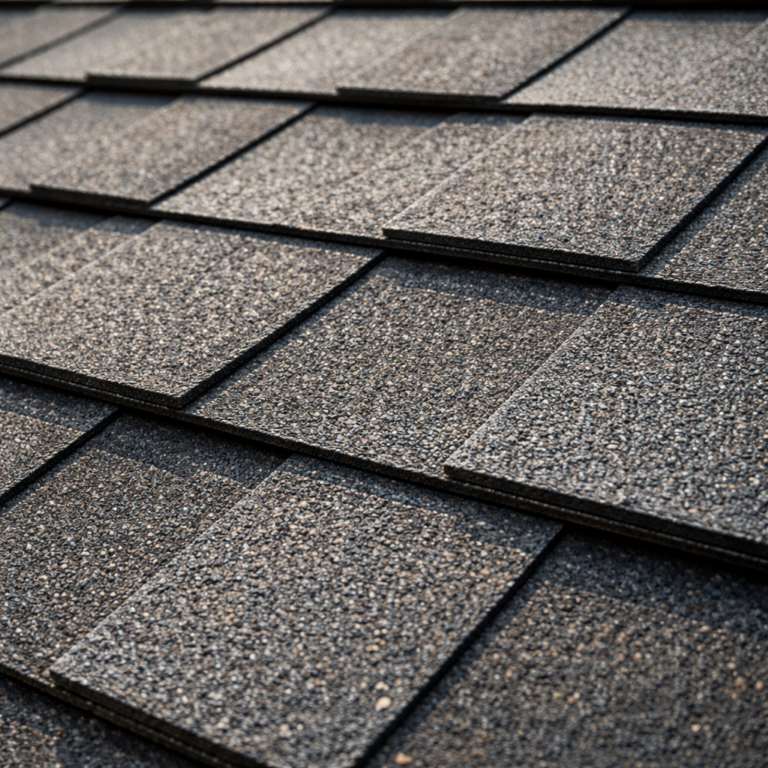
Texas homeowners face a unique set of challenges when it comes to their roofs. The state’s unpredictable weather, from scorching heatwaves to severe hailstorms and hurricanes, can take a toll on roofing materials over time. If your roof is aging, damaged, or simply outdated, a roof upgrade in Texas is essential to maintain your home’s structural integrity and property value.
Many homeowners delay upgrading their roofs due to cost concerns or uncertainty about the process. However, neglecting an aging or damaged roof can lead to more expensive repairs down the line, including interior water damage, mold growth, and compromised insulation. Upgrading your roof not only enhances curb appeal but also improves energy efficiency, storm resistance, and overall home security.
Legacy Roofing Pros specializes in high-quality roof upgrades in Texas tailored to withstand the region’s climate. As a certified roofing contractor and storm-damage specialist, we provide expert solutions to help homeowners protect their investments.
A roof upgrade is one of the most important investments a homeowner can make. Whether your current roof is reaching the end of its lifespan or you’re looking for a modern, energy-efficient roofing system, our team at Legacy Roofing Pros provides expert roof upgrades in Texas to enhance durability, safety, and curb appeal.
Upgrading your roof can:
Our team uses premium roofing products, including TAMKO, DaVinci, and Atlas, offering customized solutions to fit your style and budget. Whether you need a high-impact polymer roof, architectural asphalt shingles, or a full metal roofing upgrade, we’ve got you covered.
Texas roof upgrade options include stronger surfacing, smarter waterproofing layers, and airflow improvements that work together as one system. Homeowners can choose Class 4 impact rated shingles for hail exposure, standing seam metal for long service in heat and wind, or engineered slate and shake for lighter weight with classic style. Each surface performs best over high temperature synthetic underlayment with water shield in valleys, at eaves, and around penetrations so heavy rain moves off the roof cleanly.
System upgrades focus on the details that stop leaks and manage heat. Full step and counter flashing replacement at walls and chimneys restores a continuous water path, new pipe boots and kick out flashing protect common trouble spots, and matched drip edge and starter courses lock the perimeter. Balanced soffit intake and a continuous ridge vent are sized to the home so hot, moist air leaves the attic, and options like radiant barrier decking or reflective colors help control afternoon heat gain.
Comfort and curb appeal grow with coordinated add ons that share the same mobilization. New gutters, downspouts, and guards improve drainage during storms, skylight replacements bring modern energy glass with factory flashing, and attic access covers reduce air leaks at the hallway hatch. Owners who plan to add or detach and reset solar can integrate stanchion flashing and wire paths during the upgrade, which keeps penetrations tight and schedules simple.
We provide a full range of roof upgrade services designed to enhance the strength, appearance, and functionality of your home. Our team ensures that every roofing solution meets Texas weather demands while improving overall home efficiency and security. Our Roof Upgrade Services Include:
Upgrade to Class 4 impact-resistant shingles to protect against Texas hailstorms, strong winds, and falling debris. These shingles offer superior durability and can help lower your homeowner’s insurance premiums.
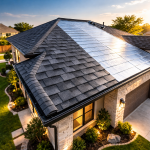
Reduce heat absorption and lower cooling costs with cool roofing technology, reflective coatings, and energy-efficient shingles. Ideal for Texas’ hot climate, these materials help maintain indoor comfort.
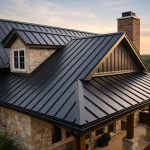
Upgrade to a long-lasting metal roof that provides exceptional durability, fire resistance, and energy efficiency. Metal roofs can last 40+ years with minimal maintenance, making them a smart investment.
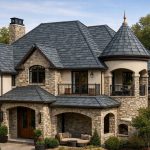
Enhance your home’s aesthetic appeal and durability with DaVinci synthetic slate or shake roofing. These premium roofing materials mimic natural slate or wood but offer superior weather resistance and longevity.
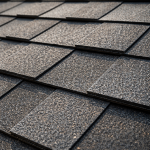
Texas weather can be unpredictable, so we offer storm-resistant reinforcements, such as hurricane-rated roofing systems, additional roof bracing, and leak barriers to protect against extreme weather.
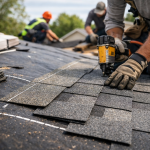
If your roof is worn out or severely damaged, a full roof replacement ensures maximum protection. We use top-tier materials like TAMKO, Atlas, and DaVinci, providing a complete upgrade with modern roofing technology.
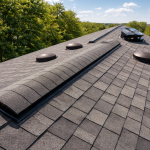
Improve your home’s air circulation and energy efficiency with upgraded ridge vents, soffit vents, and attic insulation. Proper ventilation extends the lifespan of your roof and prevents moisture buildup.
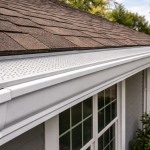
Protect your newly upgraded roof with a seamless gutter system that efficiently channels water away from your home. This prevents foundation damage, roof leaks, and water pooling issues.
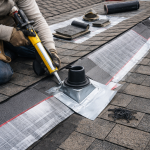
Add advanced waterproofing layers, underlayment upgrades, and reinforced flashing to prevent water infiltration. This is a must-have upgrade for storm-prone areas in Texas.
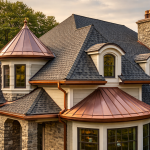
Want a unique look for your upgraded roof? We offer designer shingles, custom roofing colors, and architectural enhancements to boost curb appeal and home value.
Call for fast emergency roof help.
Homeowners across Texas can work with Legacy Roofing Pros for professional roof upgrade. Coverage includes Central Texas and the Texas Hill Country, and service availability can be confirmed quickly based on your city and schedule needs.
A roof upgrade improves safety, durability, and energy performance in Texas by rebuilding the entire water and airflow path so the structure stays dry and the attic runs cooler. Crews correct soft or delaminated decking so fasteners hold, add water shield in valleys and around penetrations, and replace weak step and counter flashing at walls and chimneys. These steps reduce leak points during heavy rain and help the roof resist wind driven moisture that can damage framing and interiors.
Durability increases when materials are matched to heat, hail, and daily temperature swings. High temperature synthetic underlayment tolerates summer roof surface temperatures without wrinkling, while Class 4 impact rated shingles or engineered surfaces handle hail better than thin coverings. Proper fastener placement, true exposure lines, and clean valley and edge details keep surfacing stable during gusty fronts, which lowers the chance of blow offs and premature wear.
Energy performance improves through balanced ventilation and reflective choices. Continuous soffit intake paired with a measured ridge vent moves hot, moist air out of the attic and protects the deck from condensation. Cool rated shingle colors, reflective metal finishes, or radiant barrier decking reduce heat gain so living spaces feel more comfortable and air conditioning loads drop. The combined effect is a roof system that protects the home in storm season and helps control utility costs through long summers.
No. A roof upgrade improves the existing system by renewing key layers and details without always removing and replacing every surface material. The work targets performance gaps such as tired underlayment, weak flashing, poor ventilation, and heat gain that drive leaks and premature aging. The surface may stay if it still has service life, while the foundation layers and accessories are modernized to current standards.
An upgrade often includes water shield at valleys and penetrations, high temperature synthetic underlayment, full step and counter flashing replacement, new pipe boots, and balanced soffit intake with ridge exhaust. These changes tighten the water path and stabilize attic temperatures so adhesives and coatings last longer. Homeowners can also add impact rated shingles, reflective colors, or radiant barrier decking where conditions and budgets allow.
A full replacement removes the surface to the deck across every plane and installs an entirely new system from edge to ridge. That path is chosen when the surface is worn out, leaks are widespread, or deck repairs are needed across large areas. An upgrade is chosen when the roof still has life left but needs stronger layers and details to handle Texas heat, hail, and wind.
No. A roof upgrade addresses the entire system that keeps water out and heat under control, not just the shingle layer. The plan evaluates decking, underlayment, step and counter flashing, pipe boots, edge metals, attic ventilation, and drainage so each part works together. Shingles matter, but performance depends on the layers beneath and the metal details at walls, chimneys, valleys, and eaves.
Comprehensive upgrades often add water shield in leak prone zones, switch to high temperature synthetic underlayment, replace aging flashings, and right size soffit intake with a continuous ridge vent. Crews also check gutters and downspouts for flow and consider radiant barrier decking or cool color surfaces where heat is a concern. Treating the roof as a system delivers better leak resistance, longer service life, and a cooler attic than a shingle swap alone.
A professional roof upgrade includes the full set of components that control water, airflow, and durability from the deck to the ridge. The scope covers decking repairs where panels are soft or delaminated, high temperature synthetic underlayment across the field, and water shield in valleys, at eaves, and around penetrations. Step and counter flashing at walls, chimney flashing and saddles, pipe boots, drip edge, and starter courses are renewed so the water path is continuous and predictable during heavy rain.
Ventilation and thermal control are part of the package. Balanced soffit intake and a continuous ridge vent are sized to move hot, moist air out of the attic, and baffles protect airflow at the eaves where insulation can block vents. Options such as radiant barrier decking, cool rated shingle colors, reflective metal finishes, and insulation touch ups around attic hatches help reduce heat gain so interiors stay more comfortable during long summers.
Accessories finalize performance and appearance. Gutters, downspouts, and guards are aligned to the new edge metals so runoff does not back up at the eaves. Skylights are evaluated for age and seal condition and can be replaced to prevent future leaks. Fastener patterns, valley style, and ridge caps are selected to match the chosen surface, whether that is architectural shingles, Class 4 impact rated shingles, standing seam metal, tile, slate, or engineered profiles. The result is a coordinated system that looks clean and holds up to heat, hail, and wind.
Yes. Underlayment choice has a direct impact on durability, leak resistance, and surface appearance in Texas. High temperature synthetic underlayment stays stable when deck temperatures rise, which prevents wrinkling, preserves shingle lay-flat, and keeps fastener seals tight during long, hot summers. Self adhering water shield belongs at eaves, valleys, and penetrations to stop wind driven rain from creeping under laps during sudden downpours.
The right combination also protects warranties and code compliance. Manufacturer guides and local rules specify overlap patterns, cap fasteners where required, and clean, dry substrates. Pairing field grade high temperature synthetics with water shield in high risk zones creates a stable base for shingles, metal, tile, or synthetics. That foundation reduces callbacks, keeps interiors dry, and helps the new surface age evenly.
Yes. Flashing replacement is recommended during roof upgrades because aged metal and sealants often fail before new surface materials reach full service life. Step flashing at walls, counter flashing at chimneys, pipe boots at penetrations, kick out flashing at roof to wall transitions, and valley metals all work together to move water away from seams. Reusing tired components leaves weak points beneath a fresh surface and invites leaks during the first heavy rain.
New flashing restores a continuous water path. Proper step flashing tucks behind the wall covering on each shingle course, counter flashing is cut into mortar joints or mounted with a clean reglet, and pipe boots are sized for movement and ultraviolet exposure. Kick out flashing sends water away from siding, while valley metals are selected and formed to handle local rain volume. These details prevent capillary action, keep water out of siding and stucco, and protect decking and interior finishes.
Material choice and fastener placement matter as much as layout. Galvanized, aluminum, or prefinished steel should match surrounding metals to avoid corrosion, and cuts must be clean so edges lie flat without oil canning. Fasteners belong in the flange zones that the manufacturer specifies, not through exposed faces where wind driven rain can enter. Replacing flashing during an upgrade aligns every metal detail with the new underlayment and surface, preserves warranty eligibility, and reduces service calls over the life of the roof.
A roof repair fixes a specific problem area while a roof upgrade improves the entire system for better long term performance. Repairs address a leak at one vent, a lifted shingle course, or a cracked boot so water stops entering right now. Upgrades look at the deck, underlayment, flashing, ventilation, and surface as one assembly and replace weak layers so the roof handles heat, hail, wind, and heavy rain more reliably.
Scope separates the two. A repair usually covers a small section with targeted materials and minimal tear off, which keeps cost and time lower but leaves older components untouched nearby. An upgrade rebuilds the foundation layers across wider areas by adding water shield in valleys and around penetrations, installing high temperature synthetic underlayment, and replacing step and counter flashing at walls and chimneys. Balanced soffit intake and ridge exhaust are measured and adjusted so the attic runs cooler and drier.
Outcomes feel different after the work. A good repair can stop a symptom for months or years when the rest of the roof is healthy, but repeat leaks in new spots suggest system age. An upgrade reduces callbacks by tightening the water path across planes, improving airflow, and aligning materials with local code and manufacturer guides. Homeowners choose repairs when the roof still has life and the issue is isolated, and choose an upgrade when patterns appear or when comfort and durability goals call for a broader reset.
Yes. A repair targets a defined trouble spot, while an upgrade improves the full roof assembly. A technician might reseal a pipe boot, reflash a single wall, or replace a few damaged shingles to stop a leak today. An upgrade evaluates how water, heat, and air move across the entire roof and then refreshes the layers and metals that control those forces.
The scope shows the difference clearly. Repair work is localized and quick, which makes sense when the surrounding materials are healthy and the issue is isolated. Upgrade work adds high temperature synthetic underlayment across broader areas, places water shield in valleys and around penetrations, replaces step and counter flashing at walls and chimneys, and right sizes soffit intake and ridge exhaust so the attic runs cooler and drier.
Results also diverge over time. A tight repair can hold for months or years when the rest of the system is sound. When leaks keep popping up in new locations, the roof is telling you the underlying layers are tired. A professional upgrade resets the foundation so the surface sheds water predictably during storms and interior spaces stay comfortable through long summers.
Yes. Many homes qualify for a roof upgrade without replacing every surface material. If shingles still have service life and the deck is solid, an upgrade can focus on the foundation layers and metal details that most influence leaks, heat, and airflow. The result is better performance now and a cleaner path to a future full replacement when the surface finally ages out.
The approach begins with diagnostics. Inspectors measure soffit intake and ridge exhaust, check valleys and penetrations for weak underlayment, and test decking for soft spots. The plan may add water shield in high risk zones, switch to high temperature synthetic underlayment on select planes, replace step and counter flashing, and install new pipe boots and drip edge. These targeted changes tighten the water path and reduce heat stress on the existing surface.
Value comes from solving causes instead of chasing symptoms. Upgrades often include comfort options such as radiant barrier decking at small sections, cool rated shingle colors where allowed by HOA rules, or modest insulation touch ups at the attic hatch. Documentation with photos and model numbers keeps future service simple and preserves eligibility for manufacturer and workmanship coverage tied to the work that was completed.
Homeowners should consider a roof upgrade now because modern materials and details handle Texas heat, hail, and wind better than older assemblies. Upgrades strengthen the water path with high temperature underlayment and water shield in leak prone zones, renew flashing at walls and penetrations, and tune attic airflow so the system stays dry. These steps reduce emergency repairs during storm season and protect interiors from moisture that can damage framing and finishes.
Energy costs push the case further. Balanced soffit intake and ridge exhaust move hot air out of the attic, reflective color choices lower surface temperature, and radiant barrier options reduce heat gain into living spaces. A cooler attic helps air conditioning work efficiently during long summers, which can stabilize monthly bills and improve comfort in rooms near the roof line. Documented ventilation and underlayment upgrades also support manufacturer warranty terms.
Timing matters for budgets and schedules. Planning an upgrade before the heart of storm season avoids supply bottlenecks and short notice labor premiums. A scheduled project sets clear expectations, allows time for HOA approvals where needed, and gives crews steady weather windows to execute clean details at valleys, edges, and walls. The result is a durable, cooler, and quieter roof that is ready before the next round of fast moving storms.
A home needs a roof upgrade when wear, leaks, or heat issues show that the system is not keeping water out or managing attic temperatures. Look for surface clues such as curling shingle edges, cracked tabs, bald spots where granules are gone, dented metal, or cracked tile. Those patterns across several slopes point to aging materials and tired underlayment that struggle during heavy rain and gusty fronts.
Interior indicators confirm the story. Water rings on ceilings, peeling paint near exterior walls, musty odor after storms, and daylight visible at fastener holes in the attic all suggest that water is moving past the surface. Wet insulation, soft decking near vents or valleys, and rusted nail heads in the attic are common in roofs that need more than a small patch.
Comfort and energy symptoms add another signal. Rooms near the roof line that stay hot into the evening, high summertime bills, and condensation on roof sheathing during seasonal shifts point to weak soffit intake, undersized ridge exhaust, or a missing radiant barrier. An upgrade addresses those causes with measured ventilation, reflective options, and renewed flashing so the home stays drier and cooler.
Yes. Widespread granule loss signals that shingle coatings have worn thin and the asphalt mat is exposed. Granules protect the mat from ultraviolet light and help shed water smoothly, so bare areas heat up faster and age quickly. The result is brittle shingles that lose bond strength and invite wind uplift during storms.
A professional upgrade stabilizes the system before leaks spread. The plan replaces tired surface areas as needed and renews foundation layers with high temperature synthetic underlayment and water shield in valleys and around penetrations. Balanced intake and ridge venting keep attic temperatures lower, which slows further surface wear and helps new materials last.
Yes. Recurring leaks show that the roof has systemic weaknesses rather than a single failed spot. Water that reappears after patching often bypasses aged underlayment, runs behind tired step flashing, or wicks along fasteners into the attic. Each storm then finds a new path, which leads to stained ceilings and soft decking.
An upgrade solves the causes instead of chasing symptoms. Crews tear back to sound deck where needed, add water shield in risk zones, replace step and counter flashing at walls and chimneys, and install new pipe boots and drip edge. With those layers renewed and ventilation balanced, the roof sheds water predictably and service calls drop.
Yes. Excessive attic heat or moisture is a strong reason to upgrade because both conditions shorten roof life and strain cooling systems. Hot, stagnant air bakes adhesives and accelerates shingle aging, while trapped moisture condenses on sheathing and can lead to mold or wood decay. Signs include scorching in the attic, damp insulation, and seasonal condensation on nails or panels.
An upgrade restores healthy airflow and temperature control. The scope measures soffit intake and ridge exhaust, clears blockages with baffles, and right sizes ridge venting to match intake. Reflective color choices, radiant barrier decking where appropriate, and sealed penetrations reduce heat gain and moisture entry. The combined improvements protect materials, improve comfort, and help manage energy costs.
Regional weather patterns in Texas influence roof upgrade decisions by setting higher standards for water control, impact resistance, and heat management. Gulf moisture brings sudden downpours that test valleys, wall transitions, and penetrations, so upgrades place water shield in those zones and rebuild flashing to move water off the roof quickly. Dry lines and strong fronts create gusty winds that exploit weak seal lines and shallow nails, which makes fastener placement and starter details a priority.
Hail exposure shapes material choices across large parts of the state. Class 4 impact rated shingles, thicker metal panels with quality coatings, and engineered slate or shake reduce fractures and bruising that lead to early failure. These materials work best on a stable foundation, so the plan pairs them with high temperature synthetic underlayment and clean valley metals that do not trap water after a storm.
Heat and sun drive decisions in every metro. Long summers push attic temperatures high and keep adhesives under stress well after sunset. Balanced soffit intake and continuous ridge exhaust become non negotiable for a healthy assembly, and cool color surfaces or reflective metals help control heat gain. Radiant barrier decking or foil can support comfort when paired with measured ventilation and sealed penetrations.
Yes. Hail resistance is important for many neighborhoods because repeated storms can bruise shingles, crack tiles, and dent thin metals. Damage that seems minor can remove granules, expose asphalt mat, and shorten the life of the surface by years. Choosing Class 4 shingles, thicker gauge metal, or engineered profiles limits fractures and helps the roof shed water after a storm.
A strong surface needs the right support below. High temperature synthetic underlayment, metal valley liners sized for local rainfall, and properly formed step and counter flashing keep water out even when hail has scuffed the top layer. Documented installation with photos and model numbers also helps with insurance conversations if a severe event occurs.
Yes. Wind uplift protection is critical for coastal or open terrain homes because sustained gusts break weak bond lines and pull nails that miss the fastening zone. Starter courses, straight exposures, and correct nail placement create a continuous seal from eave to ridge that resists peel back. Edge metals that lock to the deck prevent wind from getting under the surface at perimeters.
System choices support that goal. Many owners add hip and ridge caps matched to the field, upgrade to fasteners with stronger pull through values, and verify that step flashing is layered correctly at every course. Balanced ventilation also helps by reducing pressure differences between attic and exterior, which lessens the lift forces on the surface during a storm.
Yes. Heat reflectivity is helpful for lowering attic temperatures because lighter, cool rated colors and reflective metal finishes reflect more solar energy. Cooler surfaces reduce thermal cycling that stresses adhesives and coatings, and they support a more comfortable interior on peak afternoons. Reflective choices work best when intake and ridge venting move warm air out of the attic.
The full package includes proper underlayment and sealed penetrations. High temperature synthetics avoid wrinkles that telegraph through shingles, and tight pipe boots and flashing keep hot, humid air from entering the assembly. With reflectivity, ventilation, and clean details working together, the roof ages more smoothly and the home feels easier to cool.
The best roofing material for a Texas roof upgrade is the one that matches your home’s weather exposure, budget, and maintenance goals while meeting local guidelines. Architectural asphalt shingles fit most neighborhoods and deliver strong value, with Class 4 versions adding hail resistance. Standing seam metal offers long service and excellent heat shedding where budgets allow. Tile, slate, and engineered alternatives bring distinctive looks and strong durability when structure and style call for them.
Climate and site conditions steer the choice. Homes in hail corridors benefit from impact rated shingles or thicker gauge metal. Coastal or open terrain properties see higher winds, which favors profiles with stronger fastening patterns and clean edge details. High sun exposure makes reflective finishes and cool rated colors helpful for comfort and energy control.
Total cost of ownership helps finalize the decision. Upfront price is one part of the equation. Expected service life, insurance considerations, maintenance intervals, and available warranties all play a role. A professional scope pairs the surface material with high temperature underlayment, water shield in risk zones, and measured ventilation so the assembly performs as a system.
Asphalt shingles remain the most common because they balance cost, color choice, and dependable performance when installed over modern underlayment and flashing. Class 4 impact rated options help in hail exposed areas and can reduce storm related service. Correct nail placement, starter courses, and ridge ventilation keep shingles stable during heat and gusty fronts.
Standing seam metal handles heat well and sheds rain quickly, which suits long summers and sudden downpours. Panels require high temperature underlayment, proper clips for movement, and trim that fits ribs at walls and valleys. The system costs more up front but offers long service and strong wind performance when details are followed.
Tile, natural slate, and engineered alternatives deliver classic appearance and long life when structure and budget align. These systems need high temperature underlayment, shaped flashings, and trained crews for handling and layout. Engineered slate and shake reduce weight while preserving style, and they offer consistent pieces that speed installation in tight weather windows.
Yes. A Class 4 impact rated shingle is a smart choice where hail strikes are common because the reinforced mat and surfacing resist fractures that lead to leaks. The upgrade helps shingles keep granules after storms and maintain seal strength along the nail line during hot afternoons.
The system around the shingle still matters. High temperature synthetic underlayment and clean valley metals support water control after a storm. Proper ventilation reduces heat stress on the adhesive strip, and matched ridge caps complete the seal along the peak. Together, these details extend the value of the Class 4 investment.
Yes. Standing seam metal is effective against heat and wind because smooth panels reflect sun well and continuous seams create a tight water path. Concealed clips allow the metal to expand and contract without tearing fasteners, which preserves the bond during long summers.
Wind performance improves when trim and edges are built to the profile and fasteners hit the specified zones. High temperature underlayment prevents print through and wrinkling under panels, and balanced intake and ridge venting lowers attic temperatures. The result is a quiet, stable surface during storms with strong service life.
Yes. Synthetic slate or shake provides a lighter alternative that delivers strong performance when installed to the guide. Engineered pieces reduce weight on framing, resist impact better than many natural versions, and keep color consistent across the roof.
Installation still requires the right foundation. High temperature underlayment, shaped flashings sized to the thicker profile, and correct fasteners preserve water flow at valleys and walls. With those basics in place, synthetics offer classic curb appeal with simpler handling and reliable storm readiness.
Color, profile, and reflectivity should be chosen by balancing neighborhood style, sun exposure, and the home’s architectural lines. Neutral blends work across many elevations, while deeper tones frame gables and hips for a more pronounced look. Reflective colors or cool rated finishes help control heat gain on high sun slopes.
Profile choice changes both appearance and performance. Architectural shingles add layered depth that hides minor plane variations. Standing seam panels create long, clean lines that suit modern elevations. Tile and slate introduce contour and shadow that complement Mediterranean, Tudor, and historic styles. Ridge and hip treatments should match the field for a complete finish.
Comfort and documentation complete the selection. A sample review in daylight against brick, stone, or stucco avoids surprises. Reflective choices pair with measured ventilation for lower attic temperatures. The proposal should list brand, model, color code, and ridge and metal details so the installed result matches the design and maintains warranty terms.
Yes. A cool roof color helps reduce heat gain by reflecting more solar energy than darker blends. Cooler surfaces lower roof and attic temperatures during peak sun, which supports comfort and can ease air conditioning load in summer.
Reflectivity performs best as part of a system. Balanced soffit intake and ridge exhaust move warm air out of the attic, and sealed penetrations prevent hot, humid air from entering around pipes and vents. With airflow and details aligned, a cool color choice improves both comfort and material longevity.
Yes. HOA approval is often required when changing roof color or profile because communities maintain design standards. Submittals usually include the selected color name, product sheet, and photos or a small sample board for the committee’s review.
Preparation shortens approval time. Clear photos of the home, neighboring roofs, and planned ridge and metal accents help show the final look. Aligning the selection with approved palettes and submitting early keeps the upgrade on schedule and prevents rework.
Yes. A roof upgrade can lower energy bills by reducing heat gain and improving airflow so your attic runs cooler and drier through long summers. The work pairs balanced ventilation with reflective surfaces and tighter sealing at penetrations, which helps air conditioners cycle less and keeps upstairs rooms more comfortable. Results show up as steadier indoor temperatures and fewer late day hot spots near the ceiling.
Savings come from treating the roof as a system. Continuous soffit intake and a measured ridge vent move hot air out while reflective shingles or metal finishes limit how much heat enters in the first place. Water shield and high temperature synthetic underlayment stay flat, which prevents air gaps that can act like tiny chimneys under the surface. Together these parts cut the attic temperature swing that drives higher cooling loads.
Upgrades can also address heat pathways inside the envelope. Radiant barrier decking or foil in the right locations lowers radiant energy reaching the attic floor. Sealed pipe boots, tight flashing, and a well insulated attic hatch reduce unplanned air movement. When these details align with your material choice, the home feels calmer on peak afternoons and utility bills stay more predictable.
Ventilation works when cooler air enters at the eaves and warmer air exits at the ridge in a steady, balanced flow. Soffit vents feed each rafter bay, baffles keep insulation from blocking the path, and a continuous ridge vent finishes the route at the highest point. This pressure free movement carries heat and moisture out without drawing conditioned air from the living space.
Balance matters more than size alone. A large ridge vent without enough soffit intake will pull air from the wrong places and stall in some bays, while big soffit holes without ridge relief trap heat under the deck. The upgrade sets a target net free area for both sides, confirms that every bay has a clear path, and matches ridge vent capacity to what the soffits can supply.
Verification makes the plan real. The crew checks that bath fans and dryers vent outdoors, not into the attic. Baffles are installed where loose fill can wander, and ridge openings are cut to the manufacturer width so the vent can breathe. With intake and exhaust tuned together, the attic stays closer to outdoor temperature and decking stays drier after cool nights.
Yes. Balanced intake and ridge vents improve attic health by removing hot, moist air before it condenses on the underside of the deck. A steady flow lowers surface temperature, discourages mold, and protects fasteners and adhesives that hold shingles or panels in place. The result is a calmer environment that supports longer material life.
Balanced systems also help air conditioners. Cooler attics reduce heat gain through ceilings, which keeps upstairs rooms from drifting warm in late afternoon. When intake and exhaust match, the roof avoids pressure pockets that can force air through gaps at lights or hatches, so comfort improves without chasing leaks inside the home.
Yes. Power vents require careful sizing and smart controls because an oversized fan can depressurize the attic and pull conditioned air from the house. A right sized unit with a thermostat or humidity control assists natural flow rather than replacing it. The best results happen when soffit intake is open and plentiful so the fan draws outside air, not room air.
Control strategy matters as much as fan size. Setpoints should be high enough to avoid constant cycling and low enough to help during peak heat or humidity. The motor should sit near the ridge and away from bath fan outlets so it does not backflow moist air. With intake confirmed and controls tuned, a power vent can support the system without creating drafts indoors.
Radiant barriers, reflective underlayments, and deck options all influence how much heat reaches your living space. Radiant barrier decking or foil reflects a portion of radiant energy back toward the roof surface, which lowers attic temperatures when paired with good ventilation. Reflective underlayments stay flatter and reduce heat absorbed under dark surfaces, which helps shingles or metal run cooler.
Placement and pairing drive results. Radiant barriers perform best when there is an air space facing the reflective surface and when intake and ridge vents are moving air. High temperature synthetic underlayment avoids wrinkles that can open air paths, which keeps the deck sealed against wind driven rain and hot air pockets. Together these choices cut peak attic temperatures and slow heat transfer into rooms below.
Deck condition closes the loop. Solid, dry sheathing holds fasteners and prevents gaps that act as unwanted vents between courses. When soft panels are replaced and seams are tight, underlayment and surface materials can do their job without buckling or telegraphing. The combined effect is a roof that sheds heat more gracefully and an attic that supports lower cooling demand.
Yes. High temperature underlayment is recommended beneath metal and low slope areas because surfaces can reach elevated temperatures and hold heat longer after sunset. A membrane rated for these conditions stays flat, maintains adhesion, and resists print through, which protects the finish above and the deck below.
Coverage choices matter on slow draining planes. Wider sheets and careful overlaps reduce the number of seams where water could creep under a panel. When paired with clean edge metals and correct fastening, the underlayment becomes a stable second line of defense that supports energy performance and leak resistance.
Yes. Radiant barrier decking or foil is helpful in hot markets because it reflects radiant energy before it warms the attic air and the ceiling below. Homeowners often notice cooler upstairs rooms and less late day temperature drift when barriers are combined with measured intake and ridge ventilation.
Installation quality shapes outcomes. The reflective surface should face an air space to function effectively, and gaps around lights and hatches should be sealed so attic air does not bypass the barrier. With those basics in place, a radiant barrier becomes a useful part of a broader upgrade that manages heat and supports lower energy use
The professional roof upgrade process in Texas works through a structured plan that starts with diagnostics, moves through a weather aware build sequence, and finishes with verification and documentation. The first visit captures photos of every slope, valleys, and roof to wall joints, then measures soffit intake and ridge exhaust so airflow is understood. The attic is checked for stained sheathing, rusted fasteners, damp insulation, and daylight at seams, which helps separate cosmetic surface wear from system issues.
Planning converts findings into a clear scope. The proposal lists deck repairs where soft spots were found, water shield coverage for valleys, eaves, and penetrations, field underlayment type for heat exposure, and full replacement of step and counter flashing. Ventilation targets are calculated so the ridge vent matches available soffit intake. The schedule reflects municipal needs and any homeowners association approvals. Homeowners receive a simple prep list that covers driveway access, gate codes, and protection of rooms near the work area.
Production follows a controlled sequence that keeps the home protected from the moment tear off begins. Crews open manageable sections, remove old materials to the deck, and stage a temporary dry in plan if a pop up shower appears. Deck panels are replaced where soft or delaminated. Water shield is applied in high risk zones, then synthetic underlayment is installed with correct overlaps and cap fasteners where required. Drip edge and starter courses set a clean perimeter. The chosen surface is installed to the manufacturer guide, flashing is rebuilt at all transitions, ventilation is balanced, and a controlled water check and photo documented walkthrough complete the job.
The inspection and proposal stage sets scope and pricing by tying each line item to measured conditions on the roof and inside the attic. Inspectors map slopes, count penetrations, note valley types, and photograph roof to wall details that often drive leaks. The attic review looks for moisture trails, compressed insulation that blocks soffit vents, and daylight at fasteners that indicate movement or gaps. These observations become the backbone of the upgrade plan.
Pricing reflects the real work required for longevity rather than a generic square price. The proposal lists deck repair allowances near valleys and penetrations, water shield locations that match rainfall patterns, and underlayment types appropriate for high surface temperatures. Flashing work is defined by location with step flashing and counter flashing called out so the water path is restored. Ventilation targets include net free area totals for intake and exhaust so airflow is balanced.
Clarity prevents change orders and delays. Model names, color choices, ridge and hip profiles, pipe boot types, and accessory options are written in plain language. A schedule is shared with weather contingencies and inspection windows, and permit steps are described when required. Homeowners can see good, better, and best packages that align with durability and comfort goals, which makes approval simple and keeps the project on track.
Yes. A drone survey or attic inspection is recommended because each view reveals information that ladders often miss.
Aerial images show valley flow, ridge alignment, tree overhangs, and chimney or wall intersections that collect water. The attic side confirms stain patterns, ventilation paths, and the condition of sheathing and fasteners. Clear visibility leads to accurate scopes, realistic timelines, and pricing that matches the true work.
Tear off, deck prep, and underlayment installation proceed in stages that keep the roof dry and the site organized. Crews remove old materials to clean sheathing on one controlled area at a time and place temporary dry in materials within reach if clouds build. Ground tarps catch debris, magnets sweep walkways during the day, and a designated route keeps heavy traffic away from landscaping and outdoor fixtures.
Deck preparation focuses on a stable plane that holds fasteners and stays flat in summer heat. Soft or delaminated panels are replaced, seams are tightened, and any uneven transitions at ridges or hips are corrected. This work gives underlayment a firm base, prevents telegraphing through shingles or panels, and sets the stage for long service life.
Underlayment establishes the foundation of water control. A self adhering water shield is applied at eaves, in valleys, and around penetrations to stop wind driven rain from creeping under laps. Field areas receive high temperature synthetic underlayment placed with correct overlaps and cap fasteners where required. Drip edge aligns with gutters so runoff enters the trough cleanly, and starter courses at eaves and rakes lock the first row so wind cannot peel back the surface.
Yes. Ice and water shield is recommended at valleys, eaves, and penetrations because those areas concentrate water during heavy Texas rain.
The membrane bonds to the deck and seals around nails, which blocks capillary movement along fasteners and under laps. This second line of defense reduces callbacks after storms and protects drywall and insulation beneath the deck.
Yes. Deck repair or replacement is common when soft spots or delamination are discovered during tear off.
Fasteners must grip sound wood for the surface to resist wind and heat. Replacing weak panels creates a flat, secure base so underlayment stays smooth, exposure lines remain true, and flashing sits tight against the plane.
Flashings, penetrations, and accessories are upgraded by replacing aged metals and seals with components that match the new system and the manufacturer guide. Step flashing is layered with every shingle course at walls, and counter flashing is cut into mortar joints or set in a clean reglet so water cannot slide behind. Valley metals are sized to the pitch and expected rainfall and are finished with clean ends that do not trap debris. Kick out flashing at roof to wall transitions directs water into gutters rather than into siding or stucco.
Penetrations receive careful attention because small gaps create large leaks during downpours. New pipe boots are selected to fit pipe diameter and to tolerate ultraviolet exposure and thermal movement. Skylight kits are installed or reinstalled with specific flanges and seal points. Satellite mounts and solar stanchions are reset with proper gaskets and plates so water cannot follow fasteners into the deck.
Accessories finish performance and appearance. Drip edge and gutters are aligned so runoff clears the fascia without staining. Ridge caps are matched to the field for a uniform look and a consistent seal at the peak. Low profile vents are added or relocated to meet airflow targets. Every detail is photographed and logged by location so future service can reference the exact part and placement.
Yes. Full replacement of step and counter flashing is preferred because older metals and sealants often fail sooner than the new surface.
Fresh flashing restores a continuous, predictable water path and eliminates hidden corrosion or pinholes. Reuse can leave weak spots under a new roof, which leads to leaks that are harder to trace.
Yes. New pipe boots and chimney flashing are standard in a quality upgrade since rubber collars and old counter flashing crack and pull away over time.
Correctly sized boots and properly cut counter flashing keep water from traveling along penetrations or behind masonry. These parts protect the most common leak points and extend the life of the entire system.
Quality control, cleanup, and closeout are handled through checkpoints that verify workmanship and leave the property ready for the next storm. Supervisors inspect underlayment laps, fastener placement, valley terminations, and step and counter flashing order before the surface is capped. Intake and ridge vent areas are measured to confirm balanced airflow. Any small corrections happen before final accessories are installed.
Cleanup runs throughout production and finishes with a full sweep. Grounds are tarped during tear off, debris is bagged before loading, and magnets pass over lawns, beds, and hardscape. Walkways and driveways are cleared for safe use. Interiors near access points are uncovered and checked so floors and furnishings are returned to normal before the crew leaves.
Closeout provides documentation that supports warranties, service, and resale. A controlled water check confirms drainage paths. The walkthrough reviews valleys, wall flashings, ridge ventilation, and edge metals so homeowners can see the details that matter. The final packet includes before and after photos, model numbers, color codes, water shield locations, ventilation totals, and written workmanship terms. That file becomes the record that simplifies future claims, maintenance, or upgrades.
Yes. A final walkthrough with photos and documentation is provided so you can verify the work and understand the details that protect your home.
The review covers the critical areas that stop leaks, including valleys, roof to wall transitions, penetrations, ridge ventilation, and cleaned grounds. The photo set and model list become your permanent record for insurance and resale.
Yes. Warranty registration is handled by the contractor so manufacturer and workmanship coverage begin correctly and on time.
Model labels, installation dates, and required images are submitted on your behalf, and confirmations are added to the closeout file. Having that paperwork in one place speeds any future service and keeps coverage easy to verify.
A Texas roof upgrade for a typical single family home usually ranges from $6,500 to $18,000, with larger or more complex projects reaching $20,000 to $40,000 when premium materials or extensive deck and flashing work are included. The total reflects roof area in squares, material class, pitch and story count, and the amount of detail work at valleys, walls, chimneys, and penetrations. A photo backed inspection anchors the estimate to real conditions rather than a generic price per square.
Material choice sets the baseline. Architectural asphalt shingles land at the lower end for many homes, while Class 4 impact rated shingles add a moderate premium. Standing seam metal, tile, slate, and engineered profiles sit higher due to specialty labor, trim fabrication, and longer install time. Underlayment selection, water shield coverage, and full flashing replacement can shift pricing because these layers control leaks and warranty eligibility.
Logistics and timing influence the final figure. Steeper slopes, two or three stories, limited driveway access, or tight lot lines slow production and increase safety setup. Storm season surges can affect crew availability and lead times for special order colors or accessories. A well planned scope that sequences deliveries, access routes, and cleanup keeps labor hours predictable and helps the project finish on schedule.
Materials influence price through unit cost and the skill required to install them. Architectural shingles are efficient to place and use familiar details, while Class 4 shingles carry higher material cost for added impact performance. Metal panels, tile, slate, and engineered alternatives require specialized tools, formed flashings, and slower handling, which raises labor hours along with material spend.
Roof size, pitch, and geometry shape production speed. Larger surfaces increase squares and fasteners, steeper pitches require more safety lines and slower footwork, and complex roofs with hips, valleys, dormers, and multiple penetrations add cut work and flashing time. Each of these elements increases the minutes per square, which is where most labor cost lives.
Access can help or hinder efficiency. Clear driveways for material drops and dumpsters, open ladder routes, and minimal tree interference speed staging and cleanup. Tight alleys, heavy landscaping, or long carries increase handling time. A good proposal addresses these realities up front so the budget matches the site and crews can work safely without surprises.
Yes. Financing and staged payment options are commonly available and can turn a large project into predictable monthly costs. Many contractors partner with lenders that offer fixed terms or promotional rates for qualified buyers, while staged draws align payments with milestones such as material delivery, dry in, and final walkthrough. Clear paperwork and simple disclosures keep the process easy to follow.
A practical financing plan starts with a firm scope. The estimate should list materials by model, show water shield locations, define flashing work, and specify ventilation targets so the loan amount reflects the real job. An approval that covers a small contingency protects against minor deck repairs discovered at tear off without requiring a mid project change to the loan.
Homeowners benefit from comparing total cost rather than rate alone. Origination fees, promotional period length, and prepayment terms can change the real price of money. Choosing a term that fits the household budget while allowing space for other expenses keeps the upgrade comfortable from start to finish.
Yes. Off season scheduling can be more cost friendly when demand eases and suppliers offer better availability on common colors and accessories. Crews often have more flexible calendars outside peak storm months, which can reduce delays and help projects finish in tighter windows. Faster material turns and fewer scheduling conflicts can lower indirect costs even if line item material prices remain steady.
Weather awareness still guides the calendar. Cool, dry periods are ideal for underlayment adhesion and sealant cure, while long rain stretches slow progress and add temporary protection steps. A contractor that builds weather contingencies into the plan protects workmanship without extending the job unnecessarily.
Homeowners gain from early planning. Getting on the calendar before seasonal rushes can secure preferred dates and allow time for HOA review or special order colors. A measured approach with clear scheduling and logistics reduces overtime risk and helps the project stay within the approved budget.
Accessory choices affect budget by adding materials and labor that refine performance and appearance. Full replacement of step and counter flashing, new pipe boots, kick out flashing, and matched edge metals reduce leak risk and often pay back through fewer service calls. Low profile vents, continuous ridge components, and intake improvements increase airflow and support energy goals.
Upgrades to drainage and light can raise or lower totals depending on scope. New gutters, downspouts, and guards align with the new drip edge so water leaves the roof cleanly during heavy rain. Skylight replacement during an upgrade avoids a separate mobilization later and ensures factory flashing integrates with the new underlayment and surface.
A detailed proposal lists each accessory with model numbers and placement so the cost is easy to understand. Line items for water shield coverage, valley metals, vent types, and chimney or cricket work show where dollars go and why. Clear documentation helps homeowners prioritize features that offer the best mix of protection, comfort, and curb appeal.
Yes. Impact rated shingles cost more than standard architectural shingles due to reinforced mats and enhanced surfacing designed to handle hail. The premium varies by brand and profile, and the installation process remains similar, which keeps labor increases modest. Many owners view the higher upfront spend as a trade for fewer storm related repairs.
Value appears in reduced damage and stable performance after hail events. Stronger bond lines help granules stay put, which protects the asphalt mat from sun and slows aging. When paired with high temperature underlayment and clean valley metals, an impact rated surface can keep water moving off the roof even after rough weather.
Insurance considerations may influence the decision. Some carriers recognize Class 4 products and may offer policy benefits where approved, while others focus on documented installation quality. A photo backed file with model labels, water shield locations, and ventilation totals supports both warranty terms and any insurance conversations after a storm.
Yes. New gutters, downspouts, and guards add cost but improve drainage performance and protect fascia and foundations during heavy rain. Proper sizing, hanger spacing, and outlet placement reduce overflow and staining and keep walkways safer during storms. Coordinating gutter work with roof edge metals avoids mismatches and extra trips later.
Skylight upgrades increase budget but often make sense during a roof project. Replacing aging domes or glass while the roof is open integrates factory flashing kits with new underlayment and surface courses. This timing reduces leak risk, trims future labor, and delivers better thermal performance when new glazing is selected.
Ventilation improvements can be modest or more involved depending on starting conditions. Opening soffit paths, installing a continuous ridge vent, and removing old box vents add parts and labor, yet they help the attic run cooler and drier for years. The estimate should show ventilation line items with target net free area so the cost tracks the comfort and durability gains.
A roof upgrade in Texas typically takes one to three working days for standard shingle homes, with larger or more complex projects extending into a multi day schedule. Duration depends on size, slope, access, and the amount of deck repair or flashing work included in the scope. A clear plan that sequences tear off, dry in, surface installation, and closeout keeps the timeline predictable.
Preparation shortens the clock. Preapproved colors, confirmed material availability, and a clean access route allow crews to start on time and move bundles efficiently. Driveway staging for the dumpster and delivery truck reduces handling and keeps crews focused on production rather than logistics.
Weather awareness protects the schedule and workmanship. Crews open manageable sections, dry in the same day, and pause when rain or high winds are forecast. This approach prevents water intrusion during construction and allows adhesives and sealants to bond on dry surfaces so the upgrade passes final checks without delays.
Scope drives the calendar because every added detail needs careful time on the deck. A project that includes water shield in more areas, full step and counter flashing replacement, and ventilation adjustments will run longer than a basic surface swap. Complex planes with valleys, dormers, and many penetrations add cuts and layout checks that reward steady pacing over speed.
Crew size balances efficiency and quality. A well matched team can remove and dry in a large area before lunch and begin surface installation in the afternoon. Too small a crew risks leaving open sections if weather shifts, while a very large crew can outpace staging and create bottlenecks at critical details. The best schedules pair the right headcount with the actual scope.
Weather windows set daily goals. Calm, dry forecasts allow longer tear off sections and continuous production, while unsettled patterns require smaller sections with immediate dry in. A plan that includes temporary protection, clear communication, and a next day restart keeps momentum even when Gulf weather changes during the afternoon.
Yes. One day completion is realistic for smaller, single story shingle projects with simple geometry and good access. Homes with straightforward gables, limited penetrations, and confirmed material deliveries allow crews to tear off, repair small deck areas, install underlayment and flashing, and set the new surface within normal working hours. A thorough closeout with cleanup and photo documentation still fits before sunset when staging is efficient.
A one day plan starts in the driveway the night before. Materials are dropped close to the work area, the dumpster location is marked, and the crew lead reviews the scope and valley style so questions do not slow the morning start. Interior protection near access points is set first and the first slope is opened only after the dry in crew is ready.
Quality remains the priority. Valley cuts, step and counter flashing, and ridge ventilation receive the same attention as multi day builds. A guided walkthrough confirms details, verifies magnet sweeps on beds and hardscape, and reviews warranty and care notes so the finish feels complete even when the project wraps in a single day.
Yes. One day completion is realistic for smaller, single story shingle projects with simple geometry and good access. Homes with straightforward gables, limited penetrations, and confirmed material deliveries allow crews to tear off, repair small deck areas, install underlayment and flashing, and set the new surface within normal working hours. A thorough closeout with cleanup and photo documentation still fits before sunset when staging is efficient.
A one day plan starts in the driveway the night before. Materials are dropped close to the work area, the dumpster location is marked, and the crew lead reviews the scope and valley style so questions do not slow the morning start. Interior protection near access points is set first and the first slope is opened only after the dry in crew is ready.
Quality remains the priority. Valley cuts, step and counter flashing, and ridge ventilation receive the same attention as multi day builds. A guided walkthrough confirms details, verifies magnet sweeps on beds and hardscape, and reviews warranty and care notes so the finish feels complete even when the project wraps in a single day.
Permits and inspections influence the start date and shape daily pacing. Some cities require permits for re roofing and set inspection steps that must be scheduled within specific windows. A contractor that submits complete packets and coordinates the calendar reduces idle time and helps crews pass checkpoints without repeat visits.
Material lead times affect production more than many homeowners expect. Common shingle colors and standard ridge components are usually available, while special order blends, standing seam profiles, or shaped flashings for tile and slate require coordination with suppliers. Confirmed ship dates and buffer time for transit keep the start date aligned with crew availability.
On site timing benefits from clarity. Knowing when an inspector can arrive, where the truck can park, and which slopes will be opened first helps the crew set daily goals. A written schedule that lists permit status, delivery dates, inspection windows, and closeout targets keeps everyone aligned and reduces surprises that extend the build.
Yes. Inspection timing depends on municipal calendars and workload, which can vary with season and staffing. Some jurisdictions offer same day or next day slots for standard re roofing, while others book several days out or require specific request windows. Early requests with complete addresses and scope notes improve the chances of a timely visit.
Coordination prevents gaps in production. Crews sequence work so areas that require visual checks remain accessible, and the office confirms availability before opening large sections that need inspection. If an inspector is delayed, the team focuses on other slopes or interior protection tasks to keep the day productive.
Documentation fills any gaps. Progress photos of underlayment laps, flashing order at walls and valleys, and ventilation cuts at the ridge provide a record that supports the inspection. When the city arrives, the crew can show the required details quickly and move to the next step without rework.
Yes. Special order colors often extend timelines because suppliers may not stock every blend or accessory in local warehouses. Lead times can range from a few days to several weeks depending on manufacturer production schedules and freight. Planning selections early and confirming availability with a written date helps set expectations.
A complete color package minimizes delays. Matching ridge caps, starter, and metal accents should be ordered with the field material so the finish looks cohesive and crews are not waiting on a single missing part. If a blend is delayed, a backup option from the approved palette can keep the project on schedule.
Communication keeps momentum. The office updates delivery dates as suppliers confirm shipments, and the schedule is adjusted to pair crew availability with materials on hand. Homeowners receive clear notices so interior prep and access plans align with the actual install date and the work finishes without rushed decisions.
You may need a permit for a roof upgrade in Texas depending on the city or county and the scope of work. Jurisdictions often treat like-for-like re-covers differently than tear-offs that include deck repairs, new skylights, or structural changes, so the trigger is usually the type of work rather than the material brand. A quick check with your local building department before scheduling protects timelines and prevents stop-work orders.
Permit rules aim to verify that weather barriers, flashings, and ventilation meet current standards. Inspectors look for correct underlayment type, proper water shield placement at valleys and penetrations, and safe fastening that matches wind exposure categories. When the project includes changes to intake and ridge exhaust, the plan review may confirm that net free area is balanced so the attic does not trap moisture.
Fines and delays cost more than the permit itself. A small fee and a scheduled inspection window are easier than reworking finished slopes to expose details for a late inspection. Homeowners who secure permits when required also receive a public record that supports insurance documentation and future resale disclosures.
City and county rules vary based on climate considerations, historic overlays, and staffing resources, which means two adjacent jurisdictions can have different thresholds for permits. Some require permits for any tear-off to the deck, while others only ask for one when structural elements or decking are replaced. A few areas require plan notes that show water shield locations and ventilation targets even when the surface is a simple like-for-like swap.
Local amendments to the model code create real differences in what inspectors emphasize. Coastal and open-terrain communities may focus on wind resistance and edge metal details. Hail-prone regions may look closely at valley metals and penetration flashing. Urban cores with dense lots can add housekeeping requirements for debris control and access routes that keep sidewalks safe.
The best approach is to verify requirements with the specific department that governs your address. Ask whether the scope triggers a permit, which inspections are required, and whether photos of hidden layers can supplement on-site checks. Getting clear answers in writing sets expectations for scheduling and helps the crew line up the correct sequence for inspections.
Yes. Most jurisdictions require a permit when replacing roof decking or altering structural elements because the work affects safety and performance. Inspectors want to confirm that the new sheathing meets thickness and span requirements, that fasteners reach framing, and that any framing repairs match lumber grade and connection standards. A permit also documents that the work was reviewed, which can be helpful for insurance and resale.
Permits for deck replacement usually include at least one in-progress inspection. The check happens after damaged panels are removed and new panels are fastened but before underlayment covers the field. This timing lets an inspector verify layout, nailing patterns, panel spacing, and any blocking or sistering that supports penetrations and edges.
Planning for this step keeps the day efficient. Crews stage the first section to be inspected, have fasteners and panel stamps visible, and maintain clear access paths for the inspector. Once approval is given, underlayment and surface materials can proceed without rework.
Yes. Many Texas neighborhoods require HOA architectural approval before visible roof changes such as color, profile, or metal accents. Boards want to ensure that selections match community standards and approved palettes. Submittals usually include the brand and model, color name or code, and photos or a small sample board to illustrate the finished look.
Early submission avoids schedule gaps. Homeowners who gather clear photos of the home, nearby roofs, and proposed ridge and metal details give committees what they need to decide quickly. Noting that the upgrade includes code-aligned underlayment, flashing, and ventilation can reassure the board that the project improves neighborhood durability as well as appearance.
Approval documents are worth saving. Keep the signed form or email confirmation with your project packet alongside permit receipts, inspection reports, and warranty registrations. This file supports future service, insurance questions, and disclosure requirements if you plan to sell the home.
Documentation should be organized from the first inspection through final closeout so every requirement is easy to prove. A tidy packet includes permit applications, issued permits, inspection receipts, and any corrections resolved on site. Adding scope pages with model numbers, water shield notes, and ventilation totals helps inspectors understand the design intent without hunting through emails.
Progress photos reduce friction during inspections and serve as a record if staff schedules shift. Images of deck repairs, underlayment overlaps, water shield at valleys and penetrations, step and counter flashing order, and ridge vent cuts show that the assembly meets code and manufacturer guidance. Date-stamped photos tied to slope locations keep everything clear.
Final records close the loop for homeowners. The complete packet should include the final inspection approval, HOA consent if applicable, material and workmanship warranty registrations, and a simple maintenance checklist for gutters, valleys, and ventilation. Keeping this set in one place simplifies future claims and gives buyers confidence if you decide to sell.
Yes. Some jurisdictions or lenders request a notice of commencement or a similar start-of-work document, especially on larger projects or when a loan is involved. The notice states who is performing the work, the property address, and the expected start date so the public record reflects who is responsible on site. This helps prevent disputes over access and liens during and after construction.
When required, the document is filed before crews mobilize. Filing can be electronic or in person depending on the county. The contractor typically provides license or registration information, proof of insurance, and a scope summary that aligns with the permit. Coordinating this step with permit issuance keeps the schedule moving.
Homeowners should keep a copy in the project file. If a lender requests updates, the notice and any amendments show that work began as planned and that the contractor on record matches the one listed on the permit. This alignment reduces administrative delays and protects everyone’s interests.
Yes. A final inspection certificate or approval notice is issued when the jurisdiction signs off on the completed roof upgrade. The certificate confirms that inspectors verified key details such as underlayment laps, flashing terminations, ridge ventilation, and site cleanup where applicable. Having this approval on record shows that the work meets current code and the permitted scope.
The certificate matters for warranties and insurance. Some manufacturers and carriers ask for proof of final approval when registering extended coverage or processing future claims. Attaching the certificate to your closeout packet with photos and model labels creates a complete reference set for any future questions.
Homeowners should store both digital and paper copies. Saving the approval alongside permit receipts, HOA letters, and warranty registrations makes future service straightforward. If you later list the property, these documents support seller disclosures and can reassure buyers that the roof was upgraded correctly.
Homeowner’s insurance may cover parts of a roof upgrade in Texas when a covered peril such as hail or wind causes the damage. Policies usually pay to restore the roof to its pre loss condition using comparable materials and current code requirements when the policy includes ordinance or law coverage. Wear and tear, maintenance issues, and purely cosmetic changes are normally excluded.
Coverage depends on how the loss is documented. Clear photos of impacts, lifted shingles, creased metal, cracked tiles, moisture readings, and interior stains help an adjuster connect the storm event to the damage. A contractor’s photo backed inspection that separates old issues from fresh storm effects strengthens the file and makes approvals faster.
Payment type also matters. Some policies pay actual cash value up front with recoverable depreciation released after completion, while others pay replacement cost as the work progresses. Understanding the payout method helps you plan cash flow and decide which upgrade options fit alongside what the policy funds.
Claim types and policy terms affect coverage because they define what the insurer pays to fix and what the homeowner funds as an improvement. Named peril policies list specific events such as hail and wind, while all risk or open peril policies cover more events unless excluded. Deductible amounts, cosmetic damage clauses, and age related depreciation can change the net benefit for a roof project.
Policy language guides material choices. Some carriers exclude cosmetic only metal dents if the panel remains watertight, while others consider widespread denting a covered condition. Impact resistant shingle upgrades may receive recognition in certain markets, but the base obligation remains to replace with like kind materials unless endorsements expand the scope.
Documentation keeps decisions grounded. A proposal that lists model numbers, code items, ventilation targets, and flashing details shows where policy dollars will go and where homeowner funds add upgrades. When the scope aligns with the findings and the policy terms, the claim moves smoothly and the build can begin on schedule.
Yes. Code upgrade coverage, often called ordinance or law, is commonly available and sometimes included in standard policies. This coverage helps pay for required items such as water shield at valleys and eaves, updated ventilation, or deck nailing patterns that meet current code. The benefit makes a modern build possible when older roofs did not include these details.
Confirmation prevents surprises. Your contractor can list code driven items in a separate section of the estimate with photos and citations. Submitting that list with the claim helps the adjuster approve those lines under the ordinance or law limit if the endorsement is on the policy. If the policy does not include this coverage, homeowners can still choose the improvements and fund those items directly.
Sometimes. Cosmetic matching coverage is not universal and varies widely by carrier and policy form. Many policies replace only the damaged slopes or elevations when undamaged areas remain watertight and serviceable, which can leave color differences if the original surface has aged. Some endorsements expand matching requirements when materials are discontinued or when a partial repair would create clear visual mismatch.
Expectations should be set early. If matching is important, ask your agent whether a matching or discontinued materials endorsement can be added before a loss occurs. During a claim, your contractor can document color fade and discontinued lines with photos and manufacturer letters to support a broader replacement when the policy allows it.
Homeowners align claim scope with upgrade options by first separating what the policy owes for storm damage from what they want to improve for durability or comfort. The claim should include direct replacement of storm affected materials and required code items where endorsed. Upgrades such as Class 4 shingles, reflective colors, radiant barrier, or metal accents can be added as homeowner funded choices that share the same mobilization.
A good estimate makes the split clear. Line items for code and like kind replacement appear in one section, while optional upgrades sit in another with model names and prices. This structure lets the carrier pay its portion without debate and gives the homeowner a clean path to add value while crews and materials are already on site.
Communication keeps the calendar tight. The contractor shares photos, model labels, and code notes with the adjuster so approvals are efficient, then holds the schedule while homeowners finalize upgrade selections. This teamwork reduces duplicate trips, avoids change orders after ordering, and delivers a stronger result without extending the build.
Yes. Supplementing a claim with documented code items is common when the initial inspection did not capture all required details. Contractors often discover deck conditions, ventilation gaps, or missing water shield after tear off that must be brought to current standards. Photos, code references, and a line item price support the supplement so the adjuster can approve it within the ordinance or law limit.
Timing matters. Submitting supplements quickly with clear evidence helps carriers process additions before the crew reaches that stage of work. Fast approvals keep production moving and prevent costly pauses while everyone waits for a decision.
Yes. Direct communication between the contractor and adjuster is helpful because it aligns field findings with policy terms in real time. A short call or site meeting to review photos, measurements, and code notes resolves questions before materials are ordered. This coordination prevents scope gaps and keeps the estimate consistent with what will actually be built.
Homeowners stay in the loop with simple summaries. The contractor shares what the carrier has approved, which lines are code items under the endorsement, and which upgrades are homeowner choices. Clear roles and complete documentation produce accurate payments and a roof that meets both insurance requirements and long term goals.
You can integrate solar panels with a roof upgrade by planning the two scopes together so roofing and solar details align from the first inspection to the final walkthrough. A coordinated plan schedules a detach and reset if panels already exist or sets stanchion locations and wire paths before new panels arrive. This approach protects roof integrity, preserves electrical performance, and avoids repeat trips that add cost.
A combined workflow begins with shared photos, measurements, and a layout that marks rafters, valleys, ridges, and shaded zones. The roofing team designs underlayment, flashing, and ventilation around future mounts while the solar team confirms structural attachment points and conductor routes. Materials are staged so mounts and flashing arrive with the new roof rather than after it is sealed, which keeps penetrations tight and consistent.
Communication keeps the day smooth. One point of contact coordinates shutdown, removal, packaging, storage, reinstallation, and final testing. Labeling, part lists, and serial numbers travel with the equipment so warranties remain intact. The result is a clean roof system with properly flashed penetrations, a neat wire harness, and panels that come back online without guesswork.
Detach and reset coordination protects system performance and roof integrity by controlling every step that might damage modules, wiring, or the new roof surface. The plan starts with a safe shutdown, verified labeling of strings and microinverters, and padded storage for modules. Rails and stanchions are removed in a sequence that prevents tears in old underlayment, and temporary weather protection covers any exposed holes until new flashing is installed.
Roofing crews then complete tear off, deck repairs, water shield placement at penetrations, and high temperature synthetic underlayment across the field. New, manufacturer approved stanchion flashings are installed directly to framing with correct fasteners and sealant patterns before rails return. This order keeps penetrations watertight and prevents the common mistake of driving lag screws through fresh shingles without a proper boot or flashing.
Performance is preserved through careful reassembly and validation. Rails are leveled, wire management clips keep conductors off the roof surface, and modules are remounted in the original map so production modeling remains accurate. Final checks confirm torque on attachments, continuity on strings, and microinverter communication, which brings the system back online with documented settings that match the pre upgrade configuration.
No. It is not safe or advisable for a standard roofing crew to disconnect or rewire solar equipment without a licensed solar technician or qualified electrician. Live conductors and system settings present electrical hazards, and incorrect handling can damage inverters, void equipment warranties, or leave the system noncompliant with electrical code.
A safe process uses a credentialed solar partner to de energize the array, label components, and supervise removal and reinstallation. The roofing team focuses on building a clean, watertight roof assembly, while the solar technician manages electrical work, verifies grounding, and restores communication between modules, inverters, and monitoring software. This division of labor keeps people safe and preserves equipment coverage.
Yes. Panel mapping and microinverter labeling are necessary before removal because they preserve the system layout and simplify troubleshooting after reinstallation. A clear map records module positions, inverter serial numbers, string groupings, and any optimizers so production data lines up with physical locations.
The labels travel with each component in padded packaging and are cross checked during reassembly. This practice prevents mix ups that can reduce output or confuse monitoring platforms. A matched layout also shortens diagnostic time if a module underperforms after the upgrade.
Warranties and inspections apply after reinstallation through two channels: roofing coverage for penetrations and surface, and solar coverage for electrical components and production. Roofing workmanship and material warranties remain intact when approved flashing kits and underlayment are installed to the guide. Solar equipment warranties remain valid when removal and reinstallation follow manufacturer instructions and local electrical code.
Local inspectors may review electrical connections, grounding, labeling, and roof penetrations depending on jurisdiction. A post upgrade visit confirms that stanchions are flashed correctly, conductors are secured, and disconnects and placards are accurate. Documentation such as photos of flashing layers, torque logs for lag screws, and updated one line diagrams keeps approvals smooth and supports future claims.
Homeowners receive a combined closeout packet. The file includes roofing model numbers and photos, solar serials and layout maps, inspection receipts, and warranty registrations for both scopes. Keeping these records together simplifies resale, insurance questions, and any service visits down the road.
Yes. A post upgrade electrical inspection is recommended because it confirms that reconnection meets code and that monitoring reflects the correct module map. Inspectors and technicians verify grounding, overcurrent protection, conductor routing, labeling, and proper operation of rapid shutdown devices.
The inspection also creates a clean baseline. A passed check with updated photos and a fresh one line diagram anchors warranties and speeds any future troubleshooting. Homeowners gain confidence that both the roof and the solar system are operating as intended after construction.
Yes. New roof penetration flashing is required under each stanchion to keep the attachment watertight for the life of the roof. Approved flashings integrate with water shield and high temperature synthetic underlayment and are fastened into framing with the sealant pattern specified by the manufacturer.
Quality control verifies each penetration. Crews photograph the flashing before rails cover it, confirm torque on lag screws, and check that the upper flange sits under the shingle course so water sheds down and out. This detail prevents capillary leaks along fasteners and protects decking and interiors during heavy rain.
Complementary upgrades that pair well with a roof upgrade include drainage improvements, daylight and envelope enhancements, and attic access tuning. Gutters, downspouts, and guards move water away from fascia and foundations during heavy rain. New skylights with factory flashing and energy glass add controlled daylight and better sealing. Attic access improvements reduce air leaks and keep conditioned air where it belongs.
Drainage upgrades protect the new roof edge and the ground below. Properly sized gutters with correctly placed outlets prevent overflow at eaves. Downspout extensions and splash control keep water off siding and away from slab and landscaping. Guards limit clogs so the system stays clear during storm season.
Envelope upgrades improve comfort and efficiency. Replacing aging skylights during a roof project integrates new curb or deck flashing with fresh underlayment. Adding an air sealed attic hatch cover and insulation caps common heat and air pathways. These changes lower peaks in upstairs rooms and support the full value of balanced ventilation.
Gutters, downspouts, and guards improve drainage by capturing roof runoff and directing it away from the home. Correct sizing matches roof area and rainfall intensity so troughs do not spill during cloudbursts. Smooth interiors and sealed joints keep water moving toward outlets without leaks at seams.
Downspouts finish the job by moving water to safe discharge points. Proper diameters and straight paths reduce bottlenecks. Extensions and splash control keep water off walkways and push flow away from foundations and garden beds. This setup prevents fascia staining, soil erosion, and standing water near the house.
Guards help the system stay clear between cleanings. Quality screens or covers limit leaves and seed pods from building a dam at outlets. Fewer clogs mean gutters work when storms hit and maintenance is easier after the season. The result is a clean roof edge that sends water where it belongs.
Yes. Installing gutter guards during a roof upgrade is a good idea because crews already have ladders, access, and edge metals exposed. Guards can be selected to fit the new drip edge and installed without disturbing finished courses. This timing avoids extra trips and reduces the chance of mismatched parts later.
Selection and fit guide performance. Guards should match gutter size and roof pitch and allow easy service at outlets. A short training on cleaning and inspection helps homeowners keep flow steady. With the right product and timing, guards protect the new edge and keep water moving during storm season.
Yes. Installing gutter guards during a roof upgrade is a good idea because crews already have ladders, access, and edge metals exposed. Guards can be selected to fit the new drip edge and installed without disturbing finished courses. This timing avoids extra trips and reduces the chance of mismatched parts later.
Selection and fit guide performance. Guards should match gutter size and roof pitch and allow easy service at outlets. A short training on cleaning and inspection helps homeowners keep flow steady. With the right product and timing, guards protect the new edge and keep water moving during storm season.
Skylight replacement adds value by eliminating aging seals and dated glazing that leak heat and invite water. New units use factory engineered flashing kits that integrate with water shield and synthetic underlayment. Energy glass choices reduce heat gain while keeping daylight pleasant in living spaces.
Attic access improvements reduce unwanted air movement. A well sealed, insulated hatch or cover limits heat flow between the home and the attic. The change supports balanced ventilation and helps upstairs rooms hold temperature during long afternoons.
Coordinating these upgrades with the roof project saves time and money. Crews already have openings exposed and protection in place. Factory parts arrive with the main delivery and install cleanly with the new roof layers. The result is better comfort and fewer service calls after the first hard rain.
Yes. Replacing aging skylights during a roof upgrade is cost effective because labor overlaps and factory flashing integrates with new underlayment. The work avoids a second mobilization and reduces leak risk from old seals that would remain under a new roof. New glazing can also improve comfort and cut glare.
Model matching and measurements protect the finish. Technicians confirm curb or deck mount size and order the correct flashing kit and light control options. A final water check and photo record verify performance. With these steps, the new skylight becomes a reliable part of the upgraded roof system.
Yes. Adding an attic access cover or hatch insulation is helpful for comfort because the opening is a common thermal weak point. A sealed and insulated lid cuts heat transfer and limits drafts into hallways and bedrooms. The improvement works all year and supports lower energy use.
Fit and air seal define success. The cover should sit square, latch securely, and compress a gasket along the perimeter. A quick smoke test or hand check confirms the seal after installation. When paired with balanced ventilation, this small upgrade makes upstairs spaces feel steadier on hot days.
Homeowners should plan a residential roof upgrade by defining goals, documenting current conditions, and sequencing work around weather and access. Start with a short list of outcomes such as cooler upstairs rooms, better hail resistance, or a refreshed look that fits neighborhood style. Add photos of problem spots, attic snapshots around vents and valleys, and a few wide shots of each elevation so a consultant can map issues before arriving.
A clear scope converts goals into parts and steps. Expect line items for deck repair allowances, water shield at valleys, eaves, and penetrations, high temperature synthetic underlayment in the field, full step and counter flashing replacement, and ventilation targets that match intake and ridge exhaust. Good, better, best options for surfacing and accessories help you balance cost, durability, and appearance without guesswork.
Timing shapes comfort and budget. Schedules move fastest when colors are preapproved, driveways are open for deliveries, and pets have a quiet room. Crews plan around forecasts and open only what they can dry in that day, which prevents moisture from reaching the home. A tidy closeout with photos, warranties, and a short care checklist makes the upgrade easy to live with after the last ladder leaves.
The materials that fit most Texas homes and budgets are architectural asphalt shingles for value and appearance, Class 4 variants where hail risk is common, and standing seam metal or engineered slate and shake for longer service or distinct style. Architectural shingles deliver color choice and dependable performance when installed over modern underlayment and flashing. Class 4 shingles add impact resistance with a modest premium that many owners accept for fewer storm repairs.
Metal becomes attractive where heat, wind, and long service are priorities. Panels need high temperature underlayment, clips that allow movement, and trim that fits ribs at walls and valleys. Engineered slate and shake offer a lighter alternative to natural stone or cedar with consistent pieces that speed layout and reduce waste. These options sit at a higher price point but can return value through longevity and lower maintenance.
Selection should weigh total cost of ownership rather than ticket price alone. Consider service life, insurance considerations, maintenance intervals, and warranty terms alongside color and profile. Pair the chosen surface with water shield in risk zones, high temperature synthetic underlayment in the field, and balanced ventilation so the assembly performs as a system in Texas weather.
Yes. A Class 4 impact rated shingle is a smart upgrade where hail is common because reinforced mats and surfacing resist fractures that lead to leaks. The stronger bond lines also help granules stay put after storms, which slows aging and holds color more evenly.
The full value shows up when the foundation layers support the surface. High temperature synthetic underlayment and clean metal valleys keep water moving after a storm, while balanced intake and ridge ventilation reduce heat stress on the adhesive strip during long summers.
Yes. Standing seam metal handles summer heat and gusty fronts with smooth panels that reflect sun and continuous seams that shed water quickly. Concealed clips let panels expand and contract without tearing fasteners, which preserves attachment through daily temperature swings.
A quiet, durable result comes from details. High temperature underlayment prevents print through, trim is formed to fit panel ribs, and edges lock to the deck so wind cannot lift the perimeter. With these basics in place, metal offers long service and a clean, modern look.
The residential upgrade process protects interiors and landscaping through planned access, coverings, and steady housekeeping. Ladders and routes are chosen to avoid beds and fixtures. Interior floors near access points receive protection and attic checks confirm insulation will not drop during work. Driveways are staged for deliveries and dumpsters so crews spend time on production rather than moving materials twice.
Daily routines stay intact when crews open and dry in manageable sections. Tear off proceeds in a controlled sequence, water shield and underlayment follow immediately, and surface installation starts once the base is sealed. This pattern limits noise intensity to active slopes and keeps the roof weather ready if a pop up shower appears.
Communication reduces stress. Homeowners get a morning plan, a midday check, and a closeout note with progress and next steps. Pets rest in a quiet room away from doors, and vehicles are parked clear of drop zones. The result is a clean site at the end of each day and a straightforward walkthrough when the work is finished
Yes. It is safe to remain in the home during a typical shingle upgrade when access is set and active areas are isolated. Expect noise during tear off and fastening above rooms near the open slope, and plan quiet time or errands during those hours if needed.
Comfort improves with small adjustments. Choose rooms away from the work zone, secure wall decor that could rattle, and give pets a calm space. The crew will announce ladder moves and deliveries so doors can be managed without surprises.
Yes. Interior protection is used when ceilings show prior leak stains so dust and debris do not reach living areas. Plastic sheeting and floor coverings shield rooms below suspect sections while crews remove tired components and rebuild flashing and underlayment above.
Verification happens before coverings come down. A controlled water check confirms the repair and the site is cleaned before the walkthrough. Photos of hidden layers are added to the closeout packet for future reference.
HOA guidelines and architectural approvals affect choices by setting color palettes, profile options, and metal accent rules that keep community appearance consistent. Many neighborhoods require approval before visible changes, so submittals include brand, model, color code, and photos or a small sample board. Early approval keeps schedules tight and prevents rework after materials arrive.
Committees often welcome performance upgrades that do not change the look drastically. Class 4 shingles in an approved color, balanced ridge ventilation that sits low and clean, and matched edge metals meet durability goals within the rules. When a profile change is desired, photo mockups help boards visualize the result and decide quickly.
Documentation is worth keeping. Store the approval alongside permits, inspection receipts, and warranty registrations in the project file. This set supports future service, insurance questions, and resale disclosures.
Yes. HOA approval is required in many communities before changing roof color or profile so homes align with the architectural standard. Boards review model sheets and color names to confirm the selection fits the neighborhood.
Fast approvals follow clear submittals. Provide daylight photos of the home and nearby roofs, list ridge and metal accents, and include a note that the upgrade improves underlayment, flashing, and ventilation. This level of detail reduces questions and shortens review time.
Yes. A sample board or photo mockup is helpful because it shows how the color and profile will read against brick, stone, or stucco. Committees make decisions faster when they can see the finish in context rather than guessing from a small brochure square.
On site photos under morning and afternoon light add confidence. A brief explanation of ventilation and edge metals rounds out the picture and increases the chance of a first pass approval.
Ventilation and attic health sit at the center of residential upgrades because airflow controls heat and moisture that shorten roof life and strain cooling systems. Balanced soffit intake and ridge exhaust move hot, moist air out of the attic and protect the deck from condensation. A cooler, drier attic helps adhesives and coatings last and keeps upstairs rooms more comfortable.
Scope creation includes measurements. Inspectors verify open soffit paths, add baffles where insulation blocks intake, and size the ridge opening to match available intake. Old box vents that short circuit airflow are removed or reduced when a continuous ridge vent is installed so every bay breathes.
Thermal options support the plan. Radiant barrier decking or foil in the right locations reduces radiant heat reaching the attic floor, and a sealed, insulated attic hatch limits air movement between floors. These adjustments deliver steady comfort and help the roof age smoothly through long summers.
Yes. Balanced soffit intake and ridge exhaust are checked during scope creation because airflow must be measured rather than guessed. Inspectors count open bays, confirm baffles near eaves, and calculate net free area so intake and ridge capacity match.
A tuned system prevents hot pockets and moisture traps. When airflow moves evenly along the roof plane, decks stay drier at night and surfaces run cooler during the afternoon. This balance supports comfort and material longevity.
Yes. Adding a radiant barrier or higher R value attic insulation is worth considering when upstairs rooms run warm late in the day. A barrier reflects radiant energy back toward the roof surface, and added insulation slows heat transfer into living spaces.
Pair thermal upgrades with ventilation. Radiant surfaces need an air space to work effectively, and insulation should not block soffit intake. With airflow and sealing aligned, these additions make a clear difference during peak heat.
Scheduling, financing, and warranties work best when they are defined before crews mobilize. The schedule lists delivery dates, inspection windows, and weather contingencies so work flows from tear off to final walkthrough without idle time. Homeowners choose a primary date and a backup window to stay flexible around forecasts.
Financing options turn a large project into predictable monthly costs. Many contractors offer partners with fixed terms or promotional rates for qualified buyers. Staged payments tied to milestones such as material delivery, dry in, and completion keep cash flow smooth and align interests through closeout.
Warranties complete the package. Manufacturer terms cover materials and contractor terms cover workmanship, and both should be registered with model labels and photos. Keeping these documents with permits and approvals creates a file that supports future service, insurance claims, and resale.
Yes. Weekend or single day installation is available for smaller, simple shingle projects with good access. A right sized crew, preapproved colors, and organized deliveries make a one day plan realistic without rushing critical details.
Quality steps remain the same. Valleys, flashing, and ridge ventilation receive full attention, and a thorough cleanup and photo documented walkthrough finish the day so the home returns to normal quickly.
Yes. Promotional financing or staged payment is often available for qualified buyers and helps align the project with household budgets. Fixed terms and clear disclosures make planning simple and avoid surprises later.
A firm scope supports the approval. Itemized estimates with model names, ventilation totals, and water shield notes define the loan amount and reduce change orders. This clarity keeps the project moving from approval to installation without delays.
Homeowners should plan a residential roof upgrade by defining goals, documenting current conditions, and sequencing work around weather and access. Start with a short list of outcomes such as cooler upstairs rooms, better hail resistance, or a refreshed look that fits neighborhood style. Add photos of problem spots, attic snapshots around vents and valleys, and a few wide shots of each elevation so a consultant can map issues before arriving.
A clear scope converts goals into parts and steps. Expect line items for deck repair allowances, water shield at valleys, eaves, and penetrations, high temperature synthetic underlayment in the field, full step and counter flashing replacement, and ventilation targets that match intake and ridge exhaust. Good, better, best options for surfacing and accessories help you balance cost, durability, and appearance without guesswork.
Timing shapes comfort and budget. Schedules move fastest when colors are preapproved, driveways are open for deliveries, and pets have a quiet room. Crews plan around forecasts and open only what they can dry in that day, which prevents moisture from reaching the home. A tidy closeout with photos, warranties, and a short care checklist makes the upgrade easy to live with after the last ladder leaves.
Single ply membranes such as TPO and PVC fit many low slope buildings because they offer heat welded seams, clean detailing at penetrations, and light colored surfaces for reflectivity. A typical assembly includes vapor control where needed, polyiso insulation, tapered crickets for drainage, and a membrane attached by fasteners or adhesive to match wind zones. Walk pads and pipe supports protect high traffic paths near rooftop units.
Modified bitumen remains a solid option where toughness and granular surfacing are preferred. Two ply configurations deliver redundancy and handle foot traffic around mechanical yards well. Details rely on metal edge terminations, reinforced corners, and proper cant strips where walls meet the field. Correct primer and compatible mastics keep laps tight over time.
Coatings and recover options can extend service life when the base is dry and well adhered. Elastomeric coatings over sound membranes improve reflectivity and slow aging. Recover assemblies add a separator or flute fill and a new membrane over existing materials to reduce tear off volume. Each option still requires drainage checks, edge upgrades, and a moisture scan to confirm the base is ready.
Yes. TPO offers strong heat reflectivity and welded seams that create a continuous water barrier on large low slope roofs. White and light gray sheets reflect sun well, which helps control roof surface temperature during long summers and supports indoor comfort.
Performance depends on correct attachment and clean detailing. Fastener density must match wind maps, plates must sit flat, and laps must be welded at the proper temperature and speed. Edge metals, scuppers, and penetrations are finished with prefabricated parts where possible to keep quality consistent.
Yes. Fully adhered systems are preferred in many high wind zones because continuous bonding resists flutter and reduces fastener exposure at the surface. Adhesive spreads load across the field and produces a smooth finish that supports long term reflectivity.
Substrate preparation makes the difference. Clean, dry insulation boards at the right temperature allow consistent adhesion. Perimeter and corner zones may still use enhanced fastening or higher density boards, and edge metals must meet tested assemblies to protect the boundary of the roof.
Codes influence insulation thickness, edge metal standards, wind uplift ratings, fire classification, and energy reflectance. Plan review can require calculations for tapered design, attachment patterns, and overflow provisions at scuppers and drains. These requirements shape scope and material choices long before crews arrive on site.
Permits and inspections affect sequencing. Many jurisdictions schedule a mid roof check to verify attachment, insulation staggering, and perimeter details before large areas are covered. Coordinating inspection windows with production avoids stoppages and supports the manufacturer inspection if a no dollar limit warranty is planned.
Documentation keeps projects moving. Submittals with product data, fastener values, and tested assembly numbers help officials approve the design. Daily photos of laps, plate patterns, and terminations build a record that answers questions and speeds final sign off. Clear records also help property managers during audits and insurance renewals.
Yes. A permit is typically required when replacing insulation or structural decking because the work affects fire rating, energy performance, and structural safety. Inspectors verify board thickness, fastening patterns, and attachment to framing or steel deck before the membrane covers the field.
Scheduling an in progress inspection keeps production efficient. Crews stage a section for review with labels visible on boards and a clean path to the area. Approval allows the next layers to proceed without rework.
Yes. Mid roof or in progress inspections are common and help officials confirm compliance before details are concealed. Checks focus on fastener count and spacing, plate embedment, staggered joints on insulation, and proper terminations at edges and walls.
Passing these checks protects timelines. Crews photograph inspected areas and note inspector names and times in the daily log. This habit shortens final review and supports warranty issuance from the manufacturer.
Operations continue through careful phasing, clear pathways, and active communication. Work areas are broken into sections that can be opened, dried in, and secured within a shift. Stairs and elevator machine rooms remain accessible, and temporary protection shields entry points below active zones. Material hoists and crane picks are planned around delivery schedules so loading does not conflict with peak tenant hours.
Noise and odor control protect business activity. Hot work permits are planned when needed and scheduled away from sensitive times. Solvent free adhesives and low odor products are selected where interior air quality is a concern. Daily notices alert tenants to areas of foot traffic above and to any brief interruptions when equipment must be tested or shut down.
Safety remains visible. Flag lines, guardrails, and walk pads define routes on the roof, while ground control keeps pedestrians clear of loading zones. A site map, contact list, and daily plan are posted where managers and security teams can reference them quickly. These steps keep work predictable and tenants informed.
Yes. After hours and phased installation are available and often specified on active properties. Crews can work evenings or weekends on selected sections while keeping the remainder of the roof secure during business hours.
A detailed phasing plan supports success. Each phase includes access routes, dry in targets, and cleanup steps before doors open the next day. Communication with tenants ensures deliveries and noisy tasks do not overlap with key operations.
Yes. Temporary dry in planning protects sensitive areas such as server rooms, retail floors, and medical suites while permanent layers are installed. Crews stage peel and stick sheets, cover boards, or temporary membranes so opened areas can be sealed quickly if weather shifts.
Interior coordination adds another layer of protection. Drip pans, plastic protection, and spotters stand ready where sensitive equipment sits below active work. These steps reduce risk and keep operations moving during the upgrade.
Drainage determines how long water stays on the roof after a storm and directly affects service life. Standing water accelerates membrane aging, hides defects, and adds dead load to the structure. A design that sets positive slope toward drains or scuppers keeps surfaces dry and reduces maintenance needs.
Tapered insulation corrects low spots and redirects water along planned paths. Crickets behind units and between drains prevent bird baths and protect seams from constant immersion. Proper layout considers deck deflection, existing drain height, and the distance water must travel to reach an outlet.
Overflow planning completes the system. Secondary scuppers or standpipes provide relief if primary drains clog, which protects interiors during sudden downpours. Regular maintenance that clears debris and confirms strainers and screens are in place keeps the design working through storm season.
Yes. Tapered insulation is recommended where ponding occurs because it adds slope without rebuilding structure. Boards are cut to create gradual fall toward drains, and crickets move water around large units or parapets.
Design accuracy matters. A layout based on field measurements and laser levels prevents new low spots and controls material waste. Once installed, seams are staggered and boards are fully adhered or fastened per the assembly so the surface stays smooth.
Yes. New overflow scuppers and added crickets are considered during redesign because they create backup paths and keep water moving. Overflow scuppers are set above primary outlets and release water before levels rise high enough to threaten interiors.
Crickets reduce dead water behind curbs and parapets and help keep seams out of standing water. Details include proper metal liners, secure terminations, and integration with the membrane so the improvements last.
Commercial jobs often pursue manufacturer issued warranties that include inspections by the brand and specific detail requirements. No dollar limit options are available on select assemblies when attachment, edge metals, and flashing follow tested details. The contractor assembles submittals and arranges the manufacturer visit so coverage issues are resolved before closeout.
Safety planning is more formal due to roof height, equipment, and tenant activity. Site specific safety plans list tie off points, controlled access zones, hot work procedures, and crane pick schedules. Daily tailgate meetings review weather, phasing, and any changes to access so crews and occupants stay safe.
Documentation is deeper and more structured. Daily photo logs, delivery tickets, test weld records, fastener pull tests, and inspection receipts are stored with permits and warranty papers. Property managers receive a closeout binder or digital file that supports maintenance, future claims, and due diligence for lenders and buyers.
Yes. A no dollar limit manufacturer warranty is available on select systems when the roof is built to the brand’s tested assembly and inspected at completion. Coverage focuses on membrane performance and approved details at edges, penetrations, and terminations.
Eligibility requires documentation. Submittals list model numbers, attachment patterns, and edge metal types. Field photos and inspection reports confirm the build matches the approved design so the warranty can be issued without delay.
Yes. A site specific safety plan is required on most commercial projects and is reviewed with ownership before mobilization. The plan outlines fall protection, access routes, barricades, fire prevention, and weather responses tailored to the property.
Daily updates keep the plan active. Toolbox talks review tasks and hazards for the shift, and any changes in phasing or access are noted on the posted map. This practice protects crews, tenants, and the schedule from avoidable incidents.
CONTACT US TODAY!
Legacy Roofing Pros specializes in high-quality roof upgrades in Texas to protect your home from harsh weather, enhance energy efficiency, and boost curb appeal. Whether you need impact-resistant shingles, a metal roof, or a full roof replacement, our expert team is here to help.
Don’t wait until minor roof issues turn into costly repairs! Fill out the form below to schedule your FREE Roof Estimate for your upgrade today!
Tell us what’s going on and our team will follow up quickly.
Tell us what’s going on and our team will follow up quickly.