Monday to Friday
Drop your queries
Round Rock, TX 78681,
United States
Head Office
Legacy Roofing Pros provides expert roof skylight repair, replacement, and installation in Texas. We fix leaks, damaged flashing, and condensation issues while upgrading skylights for better energy efficiency, ventilation, and long-term protection.


CONTACT US TODAY!








A damaged or aging skylight can quickly turn from a small inconvenience into a serious problem for homeowners. Water intrusion during storms, foggy or cracked glass, and failing seals not only diminish the natural light in your home but also impact energy efficiency and overall comfort.
When skylight issues are left unresolved, they can lead to rising utility costs, interior damage, and long-term structural concerns that become more expensive over time.
Legacy Roofing Pros provides professional roof skylight repair, replacement, and installation services designed to restore both function and appearance. Certified roofing specialists in Texas focus on identifying the root cause of skylight problems and delivering precise, long-lasting solutions.
Each project is handled with a detailed inspection, clear recommendations, and workmanship tailored to the specific roofing system. The goal is to improve durability, enhance energy performance, and bring natural light back into the home with confidence.
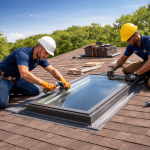
Water intrusion around skylights can lead to serious interior damage during Texas storms. Legacy Roofing Pros locates leaks, reseals vulnerable areas, and restores waterproofing for long-lasting protection.
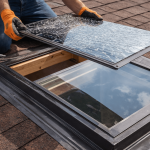
Cracked or foggy skylight glass reduces performance and natural light. We replace damaged glass with energy-efficient options that restore clarity and improve insulation.

Worn flashing and seals are common causes of skylight leaks. Our team replaces these components with durable materials to ensure a secure, weather-resistant seal.
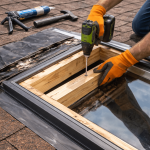
Heat and age can cause skylight frames to warp or weaken. We repair and reinforce frames to restore structural integrity and proper function.
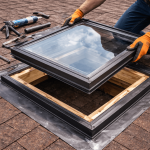
Severely damaged or outdated skylights may require full replacement. We handle removal and installation of modern, energy-efficient skylights built for durability and performance.
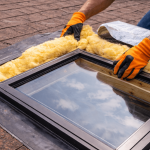
Poor insulation around skylights can increase energy costs. We upgrade insulation and sealing to improve temperature control and overall efficiency.

Condensation can cause fogging, mold, and long-term damage. We correct sealing and ventilation issues to eliminate moisture buildup and keep skylights clear.

Vented skylights improve airflow and indoor comfort. We repair or upgrade ventilation systems to ensure proper operation and efficiency.
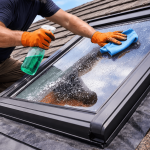
Dirt and debris can reduce skylight performance and light output. Our cleaning and maintenance service keeps skylights clear while identifying potential issues early.

Storms can cause cracks, leaks, and structural skylight damage. We provide thorough inspections and repairs to restore safety and weather resistance quickly.
Call for fast emergency roof help.
Homeowners across Texas can work with Legacy Roofing Pros for Skylight services. Coverage includes Central Texas and the Texas Hill Country, and service availability can be confirmed quickly based on your city and schedule needs.
When skylight issues arise, not all roofing contractors have the expertise to handle them properly. At Legacy Roofing Pros, we specialize in professional skylight repair, replacement, and installation in Texas, delivering precise, reliable, and long-lasting solutions. Here’s why homeowners trust us:

Legacy Roofing Pros is a fully registered roofing contractor serving Texas, ensuring compliance with state regulations for residential homes and commercial properties.

Our team of specialists is experienced in identifying and repairing storm-related roof damage.

We provide expert guidance on planning and coordinating your roofing project, helping you navigate each step smoothly.

We provide expert guidance on planning and coordinating your roofing project, helping you navigate each step smoothly.

We provide expert guidance on planning and coordinating your roofing project, helping you navigate each step smoothly.

Legacy Roofing Pros provides free roof inspections, estimates, and consultations to assess any damages or needed upgrades.

We manage projects like gutters, windows, garage doors, fences, and various interior works.

Our personalized approach ensures that we meet your specific needs, with clear communication throughout the project.

From storm damage repairs to full replacements, we offer a wide range of options for long-lasting solutions.

We provide industry-leading warranties on both roofing materials and workmanship, ensuring your peace of mind.
Choose professional Skylight services in Texas to get code compliant work, reliable leak control, and warranties that actually stand behind materials and labor. Licensed specialists match Skylight type and glazing to Texas heat and hail, then install curbs, flashing, and seals that move water away during heavy rain.
Professional planning prevents surprises. Teams inspect the roof around the opening, check slope and drainage, and document issues with photos so the scope and price stay clear. Correct kits, fasteners, and underlayment protect the warranty and reduce callbacks, while tidy site protection keeps interiors and landscaping safe.
Expert guidance improves comfort and efficiency. You get help choosing fixed or vented Skylights, sizing the opening, designing the light well, and adding shades or low solar heat gain glass to control glare and heat. A final walkthrough and post installation check confirm weatherproofing before the next storm.
Emergency roof repair and tarping in Texas refers to immediate services that stabilize a damaged roof, prevent further water intrusion, and protect the structure until permanent repairs can be completed. These services focus on quickly addressing urgent issues caused by storms, hail, wind, or unexpected structural failures. Roofing professionals respond rapidly to secure exposed areas, stop active leaks, and reduce the risk of interior damage.
Emergency roofing solutions include temporary and permanent measures that work together to protect homes during severe conditions. Roofing contractors assess the extent of the damage, apply protective coverings, and perform essential repairs to restore basic functionality. Texas homes require fast intervention due to unpredictable weather patterns that can worsen damage within hours if left untreated.
Yes. Skylight contractors in Texas need active general liability insurance and worker coverage, and they must follow any city or county registration and permit rules.
Texas does not issue a statewide roofing license. RCAT offers a voluntary credential program, not a government license. You should request a current certificate of insurance that lists you as certificate holder, confirm local registration where required, and verify permits before work begins. This documentation protects your property and supports warranty eligibility for Skylight materials and labor.
Yes. Manufacturer certifications show that the installer trained on specific Skylight models and follows the correct kits, flashing, fasteners, and sealants that protect against leaks and preserve warranty coverage.
Certified contractors receive current installation bulletins, approved methods for Texas weather, and access to product support if questions arise. You gain consistent workmanship, documented materials, and a clearer path for warranty service if a component fails.
Yes. You can verify Skylight references and local project history by asking for recent Texas addresses, photos, and contactable clients.
Check permit records when available, review before and after images of the curb and flashing, and confirm that jobs passed final inspections. Ask for projects that match your roof type and Skylight model so you can see results under similar conditions.
Skylight warranties and aftercare protect your investment by covering product defects, backing workmanship, and keeping seals and flashing in top condition through scheduled service. Materials warranties address issues with glazing, frames, and factory seals, while workmanship coverage supports the installation steps that keep water out during Texas storms.
Clear documents make claims easier. A complete packet should include the Skylight model, installation date, warranty terms, and the contractor’s service process. Service visits record the condition of curbs, flashing, and drainage, clean debris from channels, and correct minor wear before leaks start. This routine care helps maintain energy performance, extends service life, and keeps warranty eligibility intact.
Yes. Most Skylight manufacturers include a materials warranty that covers defects in glazing, frames, factory seals, and hardware for a defined term.
You should receive the written warranty with the Skylight model number, coverage period, and claim steps. Keep the document, installation date, and photos with your project records so claims move quickly if a product issue appears.
Yes. Reputable Skylight contractors provide a written workmanship warranty that covers labor on curbs, flashing, underlayment, fasteners, and sealants for a stated term.
You should receive a document that lists coverage length, items included and excluded, service response steps, and whether the warranty is transferable. Keep copies of the contract, job photos, and final inspection notes to support any service request.
Yes. Service visits and maintenance support a Skylight warranty by documenting condition, keeping seals flexible, and clearing drainage so water cannot pool around the opening. Technicians inspect curbs, flashing, gaskets, and fasteners, then refresh sealant where wear shows and remove debris that blocks channels.
Maintenance records help with warranty claims. You should keep dated photos, inspection notes, and invoices with the model and installation date. Regular care reduces leak risk during Texas storms, preserves energy performance, and extends the service life of the Skylight system.
You can buy Skylights in Texas through authorized dealers, building supply houses, and qualified roofing contractors who supply and install the units. Dealers offer access to current models and accessories, while contractor supply networks help match flashing kits and curb details to your roof system.
Buying through an installer simplifies the process. The team confirms sizing, orders the correct kit, schedules delivery, and handles any freight damage claims. You also gain one point of contact for product, installation, and warranty support.
Yes. VELUX Skylights are available through authorized Texas dealers and distributor locations that stock common sizes and can order specialty models.
You can ask for the exact model, glazing option, and flashing kit that fits your roofing material. An installer can coordinate the order so the kit and unit arrive together.
Yes. Contractors often receive trade pricing through distributor accounts and can pass savings along as part of a complete installation quote.
Bundling the unit, flashing, and labor into one scope also reduces delivery fees and return risks. You get the right parts the first time and a clear total cost.
Skylight repair in Texas usually costs $300–$1,200 for minor to moderate work, and complex repairs can reach $1,200–$3,000. An inspection confirms the leak source, access needs, and parts required so the price reflects real conditions on your roof.
Clear pricing starts with photos and notes that show where water enters and how the roof drains around the opening. Technicians match the correct kits, sealants, and fasteners to your model, then present a written scope with timelines. You can compare the repair total against a replacement option if the unit shows age, failed glazing, or repeated issues.
Typical Skylight repair examples in Texas:
Access, height, roof pitch, and roofing material influence time and labor. Multi story work, steep slopes, or tile and metal roofs can add 15–30%. Permit fees, when required, usually fall between $50–$200. Consider a replacement quote when repair costs approach 50% of a new Skylight, especially on older units with repeated leak history.
Skylight repair in Texas usually costs less than a replacement and depends on the leak source, access, and parts needed. Simple seal and flashing repairs tend to sit in the lower range, while glazing swaps, curb rebuilds, and hard to reach locations add labor and materials. An inspection confirms the scope so pricing reflects real conditions on your roof and not a guess.
Clear pricing starts with photos and notes that show where water enters and how the roof drains around the opening. Technicians match the correct kits, sealants, and fasteners to your model, then present a written scope with timelines. You can compare the repair total against a replacement option if the unit shows age, failed glazing, or repeated issues.
Yes. A Skylight repair cost estimate follows a roof and interior inspection that documents the opening, curb, flashing, and any interior staining. The visit identifies the exact repair steps, the parts required, and the labor hours so the price reflects the real job.
You receive a written scope with photos, materials listed by name, and a clear start and finish window. The estimate also explains any conditions that could change cost, such as hidden deck damage or a frame that cannot be sealed reliably. This level of detail helps you approve work with confidence.
Yes. Skylight repairs can be completed within forty eight hours when weather, access, and parts availability line up. Emergency leak control can happen the same day with temporary sealing while permanent work is scheduled.
Response speed depends on forecast, roof height, and safety planning. Crews stage sealants, flashing, and replacement lenses commonly used in Texas so urgent repairs move fast. You receive updates on timing, and the team returns for a final water test once the permanent repair is complete.
Texas homeowners and property managers can choose full like for like Skylight swaps, model upgrades with better glazing, curb mounted conversions, and size changes that improve daylight and water control. Each option pairs the right flashing kit and underlayment with the roofing material so the opening sheds water during heavy rain.
Replacement begins with an inspection that confirms frame condition, roof integration, and drainage. Technicians measure the opening, confirm the curb type, and match a manufacturer kit that suits shingle, metal, or tile. You receive choices for fixed or vented operation, light control, and impact resistance for hail zones.
Yes. Minor hail damage that scuffs lenses or loosens sealant can sometimes be repaired with glazing replacement, seal renewal, and a fresh flashing kit. A careful water test confirms the repair holds during the next storm.
Severe hail that cracks glass, fractures acrylic, or warps frames usually calls for a full replacement. Modern impact rated glazing and laminated options improve durability and safety in hail exposed areas and often include stronger warranty terms for Texas weather.
Yes. Older Skylights can be upgraded to models with low solar heat gain glass, laminated safety layers, and better UV control. New frames and gaskets improve air tightness and reduce drafts around the opening.
Accessory upgrades can also improve comfort. Integrated shades, insect screens for vented units, and daylight diffusers fine tune brightness while protecting finishes from fading. These changes often lower cooling demand in sunny rooms.
Yes. Licensed and insured contractors replace Skylights in Texas and handle measurement, ordering, staging, removal, and installation. Teams follow manufacturer instructions for curbs, flashing, fasteners, and sealants so the assembly stays watertight.
Professional crews also manage protection inside and outside the home. Furniture coverings, floor protection, and landscape shields keep the site clean,
Yes. You can select energy efficient Skylight replacements with low solar heat gain glass, argon filled panes, and warm edge spacers that reduce heat transfer. These features help rooms stay cooler during long Texas summers.
Comfort improves further with interior shades and correct placement. Light wells guide daylight deeper into the room while limiting glare, and vented options support airflow in kitchens and baths. The result is brighter space with better temperature control and lower UV exposure.
New Skylight installation in Texas starts with assessment and measurement, then moves to ordering the correct unit and flashing kit, followed by a clean roof opening, curb or deck preparation, and a sealed install that passes a water test. Crews finish with interior trim, cleanup, and a final walkthrough that confirms weatherproofing before the next storm. Every step is planned around Texas heat, hail risk, and sudden rain.
Installers verify roof structure, slope, drainage, and attic conditions so the opening handles local weather without trapping water. Proper underlayment, approved sealants, and manufacturer specific flashing direct water away from the curb and keep the assembly tight. These details protect ceilings, finishes, and energy performance inside the room.
You receive a written schedule, photo documentation, and clear warranty terms for materials and workmanship. The package includes model numbers, kit names, and care notes that explain how to keep channels clear and seals healthy. A short follow up after the first heavy rain adds confidence and creates a record for your files.
Before installation, the crew confirms measurements, reviews drainage paths, and checks attic ventilation near the opening. The plan lists the Skylight model, the correct flashing kit for the roof material, and the sealants that cure properly in local temperatures. Interior protection and exterior staging are set so floors, furniture, and landscaping stay safe.
During installation, technicians prepare the opening, set or true the curb, and place underlayment with laps that guide water downhill. The Skylight is installed with the approved fasteners and the full flashing sequence, then the assembly is sealed and water tested. Trim and light well work follow for a clean finish that blends with your interior.
After installation, the team photographs the result, cleans the site, and explains care steps that keep the system performing. You receive warranty documents, model labels, and a simple maintenance checklist for seasonal checks. A quick call after the first hard rain confirms that everything is performing as designed.
Yes. Proper flashing, underlayment, and sealant selection at installation prevent most Skylight leaks. Installers also set correct curb height and confirm roof slope and drainage so water moves away during heavy rain.
Ongoing care keeps the assembly tight. Seasonal checks clear channels, refresh exterior sealant where needed, and confirm that gaskets and fasteners remain sound after heat and hail cycles common in Texas.
Yes. You can prepare for a Skylight installation by clearing the room, moving valuables, and providing attic access if needed. Easy access helps crews measure, cut, and finish faster while keeping dust contained.
Site readiness improves results. Parking near the home shortens material runs, pets stay safe in a closed room, and a clear path to the work area reduces cleanup time. The crew handles coverings and debris, and you receive a walkthrough at the end.
Yes. You can call a Skylight specialist for leak diagnostics and repair in Texas. The visit includes roof and interior inspection, photos, and a written scope that explains repairs or replacement if the unit has aged out.
Fast response limits interior damage. Technicians can apply a temporary dry in during poor weather and return for permanent flashing or glazing work once conditions allow. A final water test confirms the leak is resolved.
Skylight leaks usually come from failed flashing, worn seals, or poor drainage that lets water sit near the opening. Texas roofs see heat, hail, wind, and sudden rain, so small gaps can turn into ceiling stains fast. A careful inspection finds the true entry point and separates exterior intrusion from indoor humidity.
Skylight assemblies rely on several parts working together. The curb provides a flat, stable base. The flashing system moves water away from joints. The gaskets and sealants keep the last drops out. Weakness in any one part allows wind driven rain to find its way inside.
Skylight leaks also follow the path of least resistance. Water runs down framing, enters at nail holes, or wicks through old sealant. Photos, moisture readings, and controlled water testing reveal the route and guide a repair plan that lasts through the next storm.
Skylight flashing and seals protect the joint between the roof and the frame. Correct step pieces, a solid head flashing, and properly lapped underlayment create a channel that keeps water moving downhill. A strong seal system then closes tiny gaps that remain at corners and fasteners.
Skylight leaks start when these layers lose alignment or elasticity. Step flashing can slip, sealant can harden, and gaskets can shrink after years of sun. Water that once flowed past the curb begins to linger, then enters at the easiest point.
Skylight repairs restore those defenses. Technicians realign or replace flashing, renew sealant with approved products, and confirm that the head piece and diverters send heavy rain away from the opening. A final water test confirms the system sheds water as intended.
Yes. Aged Skylight sealant hardens and pulls back from metal and glass, which opens thin capillary paths for rain. Heat cycles in Texas speed up this process and turn hairline gaps into active leaks.
Fresh sealant restores flexibility and coverage. A technician removes brittle material, cleans the surface, and applies the approved product so expansion and contraction no longer break the bond.
Yes. Misaligned Skylight flashing exposes joints and leaves gaps at corners and laps. Even a small offset can send runoff under shingles and into the curb.
Realignment fixes the route. Crews reset or replace step and head pieces, add missing diverters where needed, and confirm correct overlap so heavy rain sheds cleanly.
Yes. Clogged Skylight channels trap water and push it over the frame. Leaves, granules, and debris collect around the curb and overwhelm small weep paths.
Cleaning restores flow. Technicians clear debris, open the weep paths, and verify that the field of the roof drains freely so water never pools against the Skylight.
Skylight performance depends on the surrounding roof. Sound shingles, intact underlayment, and a smooth curb let the flashing work the way the manufacturer intended. A weak field around the opening complicates even a well built Skylight assembly.
Skylight leaks often trace back to nearby roof wear. Cracked or lifted shingles expose nails and seams, while low slope or a valley that feeds the curb adds volume that small channels cannot handle. Water then gathers near the joint and finds entry at fasteners and corners.
Skylight repairs sometimes include roof work near the opening. Crews replace damaged shingles, reinforce underlayment transitions, and true the curb so flashing sits flat. These steps bring the whole area back into alignment and keep water moving away.
Yes. Damaged shingles near a Skylight expose fasteners and joints that guide water under the field. Heat and hail speed up wear and loosen the seal at critical edges.
Replacement restores the water shed. Crews swap broken tabs, seal lifted areas, and confirm proper nailing so runoff travels over the field instead of under it.
Yes. Poor Skylight curb construction leaves low corners, out of square lines, and rough faces that resist a tight flashing fit. Water then collects at weak points and seeps inside.
Rebuilding the curb fixes the base. Technicians true the framing, raise curb height if needed, and provide a smooth surface so flashing seats correctly and seals last longer.
Yes. Inadequate slope slows runoff and holds water beside the Skylight. Valleys that discharge directly into the curb area add volume that small channels cannot manage.
Drainage improvements protect the opening. Teams add diverters where allowed, adjust layout around the curb, or recommend system changes so water clears the Skylight quickly.
Skylight systems in Texas face intense sun, high winds, and hail. UV exposure dries sealants and gaskets, wind driven rain presses water sideways into seams, and hail impacts crack lenses and bruise seals. A durable specification and a correct install reduce these risks.
Skylight glazing and flashing choices matter for local weather. Impact rated glazing helps in hail zones. Proper head flashing and end dams resist rain that hits from the side. UV resistant components keep seals flexible during long summers.
Skylight maintenance keeps pace with changing conditions. Seasonal checks refresh exterior sealant, clear debris, and confirm that fasteners remain tight after heat cycles. A quick water test after major storms verifies that the assembly still sheds water as designed.
Yes. Hail events in Texas can fracture acrylic domes, chip glass, and bruise seals that keep water out. Damage can look minor at first and then leak during the next storm.
Inspection confirms the risk. A contractor checks the lens, frame, and seal edges, then recommends glazing replacement or a full unit swap with impact rated options for hail exposed areas.
Yes. Wind driven rain forces water sideways into seams that stay dry in calm weather. Weak overlaps and missing end dams allow water to cross into the curb.
Correct flashing details block the path. Crews rebuild overlaps, add the proper head piece, and seal transitions so pressure cannot push rain into the assembly.
Yes. Extreme heat and UV exposure degrade Skylight gaskets and domes, which leads to shrinkage, brittleness, and surface cracking. Age related wear opens micro gaps that grow each summer.
Upgraded materials slow the cycle. New gaskets, laminated or coated glazing, and UV resistant components keep seals flexible and clear, which lowers the chance of leaks as the roof ages.
Residential Skylight service in Texas covers inspection, repair, replacement, and new installation tailored to local heat, hail, and fast moving storms. The goal is dry ceilings, comfortable daylight, and a clean finish that blends with your roof and interior. Every visit starts with a roof and interior check so the plan fits your home and budget.
Texas weather challenges seals, flashing, and glazing. Materials must handle high UV, thermal expansion, and occasional hail. Correct curbs, underlayment, and step flashing move water away from the opening, while modern glazing manages heat and glare inside rooms that receive strong sun.
Clear communication keeps projects smooth. You receive photos, a written scope, and a schedule window. The technician explains repair versus replacement, shows how the roof drains around the Skylight, and answers questions about placement, shades, and vented or fixed operation.
Residential service in Texas covers fixed Skylights, vented Skylights, tubular units, and curb or deck mounted designs. Teams repair leaks at flashing, seals, and curbs, replace cracked lenses or fogged glazing, and renew gaskets that have lost flexibility. The objective is to restore the water shed and return the room to a clear, bright condition.
Each type presents different details. Fixed units have fewer moving parts and often need seal and flashing work. Vented models add hardware, bug screens, and controls that require adjustment and weatherproofing checks. Tubular Skylights depend on clean, sealed tubes and neat roof caps to keep moisture out and light levels high.
Yes. Residential fixed and vented Skylights can be repaired when frames are sound and glazing remains intact. Repairs often include sealant renewal, flashing correction, hardware adjustment on vented units, and channel cleaning to restore drainage.
Durability improves with the right products. Approved sealants, manufacturer flashing, and correct fasteners maintain flexibility through Texas heat cycles. A water test at the end verifies performance before the next storm.
Yes. Tubular Skylights and acrylic domes can be serviced to address leaks, clouding, or reduced light output. Work focuses on roof caps, flashing, seals at the tube joints, and diffuser conditions inside the room.
Clarity and weatherproofing return with careful steps. Technicians clean lenses, reseal joints, and ensure the roof cap sheds water. If the dome is brittle or the tube lining is damaged, replacement parts restore brightness and reliability.
Yes. Many custom Skylight sizes can be matched or adapted with curb modifications and trim kits. Measurements confirm the opening and curb type so the replacement or repair components fit correctly.
When a direct match is unavailable, a curb adapter or size change can create a better seal and improve water control. The team explains the fit, shows the layout, and documents the result with photos.
Prevention starts with correct details at the roof. Proper curb height, manufacturer flashing, lapped underlayment, and approved sealants create a system that moves water away even during heavy rain. A well built assembly sets the stage for long service life.
Seasonal care sustains performance. Clearing debris, refreshing exterior sealant where wear shows, and checking fasteners keep small gaps from growing. Interior humidity control and attic ventilation limit condensation that can mimic a leak.
Yes. Residential fixed and vented Skylights can be repaired when frames are sound and glazing remains intact. Repairs often include sealant renewal, flashing correction, hardware adjustment on vented units, and channel cleaning to restore drainage.
Durability improves with the right products. Approved sealants, manufacturer flashing, and correct fasteners maintain flexibility through Texas heat cycles. A water test at the end verifies performance before the next storm.
Yes. Tubular Skylights and acrylic domes can be serviced to address leaks, clouding, or reduced light output. Work focuses on roof caps, flashing, seals at the tube joints, and diffuser conditions inside the room.
Clarity and weatherproofing return with careful steps. Technicians clean lenses, reseal joints, and ensure the roof cap sheds water. If the dome is brittle or the tube lining is damaged, replacement parts restore brightness and reliability.
Yes. Many custom Skylight sizes can be matched or adapted with curb modifications and trim kits. Measurements confirm the opening and curb type so the replacement or repair components fit correctly.
When a direct match is unavailable, a curb adapter or size change can create a better seal and improve water control. The team explains the fit, shows the layout, and documents the result with photos.
Residential Skylight repair in Texas commonly falls in the same ranges as general repair work, with final totals set by access, roof pitch, and parts. Simple seal and flashing renewals start in the lower tier, while glazing swaps, curb rebuilds, and steep or high locations add labor. An inspection keeps pricing tied to real site conditions rather than averages.
Transparent estimates help with planning. You receive a written scope with photos, material names, and a start and finish window. The proposal also explains when a replacement becomes smarter than repeated repairs, especially for older units with failed glazing or warped frames.
Yes. Larger homes and steeper roofs increase labor time, safety setup, and equipment needs, which raises the repair price. Multi story access, tile or metal roofing, and limited parking can add time that shows up on the invoice.
Planning reduces these extras. Crews stage materials, choose safe access routes, and coordinate with homeowners on parking and interior prep. The estimate outlines these factors so costs remain predictable.
Yes. Brand and glazing type influence parts pricing and lead times. Impact rated or laminated glass, specialty coatings, and uncommon sizes can cost more and require advance ordering.
Clear documentation shortens delays. Model numbers, photos of labels, and curb measurements help suppliers locate exact components. When parts are discontinued, the contractor will present compatible replacements or a full unit option.
Yes. Access and safety requirements increase Skylight repair time when roofs are tall, steep, or near power lines. Fall protection, tie off points, and lift equipment add setup steps that protect workers and property.
These measures are part of a safe project. Crews explain the plan, mark off work areas, and maintain a clean path through the home. Extra time on safety prevents incidents and helps the job finish without damage.
Commercial Skylight service in Texas covers multi unit inspections, targeted leak repairs, full replacements, and new installations sized for large roof systems. The goal is safe access, clear documentation, and weatherproof results that protect operations and inventory. A structured plan keeps jobs on schedule and within budget.
Texas facilities face heat, hail, and wind that stress lenses, frames, and flashing. Materials and methods must handle expansion, UV exposure, and heavy rainfall. Correct curbs, approved flashing, and durable glazing work together to keep water moving away from the opening.
A smooth project starts with coordination. Site maps, access plans, and safety briefings align crews with facility teams. Work zones stay clean, staging is organized, and final checks verify performance before the roof is signed off.
Commercial teams repair fixed units, vented models, long runs of prismatic Skylights, and large format structures over warehouses and retail floors. Scope includes leak diagnostics, flashing correction, seal and gasket renewal, curb repair, and lens or glazing replacement. The objective is to restore weatherproofing and daylight without disrupting operations.
Each product type has distinct service needs. Large units require lift access and careful staging, while banks of smaller Skylights benefit from batch repairs that reduce setup time. Vented models add hardware checks, control tuning, and bug screen service to keep airflow balanced.
Documentation keeps everyone aligned. Crews provide roof plans with unit counts, photos of conditions, and a repair or replacement matrix. This package sets expectations, supports budgeting, and helps facility teams schedule follow up work.
Yes. Large format Commercial Skylights can be repaired safely when lift plans, fall protection, and controlled access zones are in place. Crews coordinate routes for equipment, confirm tie off points, and set perimeter markers so staff and visitors stay clear.
Repair methods scale to the size. Technicians reseal frames, replace damaged lenses, and correct flashing while maintaining safe distances from edges. A final water test confirms the fix before equipment is demobilized.
Yes. Warehouse Skylight banks and prismatic units can be serviced through grouped inspections and batch repairs. Teams clean channels, renew seals, and swap cracked lenses across multiple units in one mobilization.
This approach reduces downtime. Work proceeds aisle by aisle with floor protection and dust control below. Photo logs and unit tags track progress and simplify future maintenance.
Yes. Commercial curb mounted Skylights often respond well to targeted repairs that address sealant failure, loose flashing, or curb damage. Technicians true the curb lines, install the correct head piece, and refresh exterior sealant to restore the water path.
Targeted repairs are most effective when frames and glazing remain sound. If repeated leaks persist or glazing fails, a replacement plan can stop ongoing service calls and improve energy performance.
Commercial Skylight repair costs in Texas depend on unit size, quantity, access height, and roof type. Single unit leak repairs fall in a lower range, while large format lens swaps, curb rebuilds, and lift assisted work add labor and equipment. A site survey with counts and photos keeps pricing tied to actual conditions.
Batched work lowers the per unit cost. Grouping seal renewals and flashing corrections across a bank reduces setup time and lift moves. Suppliers can also improve pricing when parts are ordered together by model and size.
Clear proposals help budgeting. A good estimate lists unit IDs, scope per unit type, material specifications, access plan, and schedule windows. Facility teams can approve phases and track progress against the roof plan.
Yes. Facility height and access affect budgets because lifts, tie off points, and longer setup times add cost. Tall roofs and tight yards require specific equipment and routing, which increases labor hours.
Planning reduces surprises. Site walks identify lift sizes, staging areas, and safe travel paths. These details appear in the estimate so the final invoice matches expectations.
Yes. Safety plans and permits influence cost through training time, spotters, and inspection requirements. Controlled access zones and dust protection also require materials and labor.
These measures protect people and property. A complete safety packet speeds approvals, prevents incidents, and keeps insurance coverage intact. The investment pays back through smoother work and fewer delays.
Yes. After hours Skylight work reduces disruption by keeping aisles and work areas open during the day. Crews stage materials in advance, finish tasks overnight, and clear paths before staff arrives.
Night work may include lighting and additional supervision. The schedule reflects these needs so facility operations stay consistent while the roof work advances.
Prevention starts with correct details at every unit. Proper curb height, manufacturer flashing, lapped underlayment, and approved sealants keep water moving away. A consistent spec across the roof simplifies maintenance and replacement decisions.
Routine inspections catch wear before leaks spread. Seasonal checks clear debris, refresh exterior sealant where it shows age, and tighten fasteners that loosen after heat cycles. Records link findings to specific unit IDs so trends are easy to spot.
Upgrades extend service life. Impact rated or laminated glazing helps in hail zones, and improved gaskets handle UV and heat better. These steps lower leak risk and stabilize interior conditions on busy floors.
Yes. Scheduled Skylight inspections limit downtime by finding seal wear, cracked lenses, and clogged channels before storms. Crews tag issues by unit and location so repair teams can plan parts and access efficiently.
Regular visits keep the roof predictable. Facility managers receive reports with photos and priorities, which helps schedule repairs during slower periods and avoid emergency calls.
Yes. Protective coatings and upgraded flashings extend life by shielding exposed edges and improving water flow around the curb. Materials selected for Texas UV and heat keep joints flexible longer.
Upgrades fit into scheduled maintenance. Teams apply coatings during dry weather and verify bond with a light water test. The result is a tighter assembly and fewer leaks over time.
Yes. Preventive maintenance plans control costs by grouping inspections, sealing, and small part replacements into predictable visits. Issues are handled before they become large repairs that strain budgets.
Plans also improve inventory control. Common lenses, gaskets, and sealants are stocked based on the unit list, which speeds fixes and reduces emergency freight fees. Facility teams gain clear forecasting for the year.
Compare Skylight options in Texas by matching glazing, frame construction, and flashing systems to heat, hail, and wind exposure. Impact rated glass or laminated choices help in hail zones, while low solar heat gain coatings reduce cooling load during long summers. Frames and flashing must integrate cleanly with shingle, metal, or tile so water moves away from the opening.
Brand support matters for replacement parts and warranty service. Choose manufacturers with published install guides, clear kit options, and ready access to glazing, gaskets, and shades. Reliable supply chains shorten project timelines and keep future repairs straightforward.
Configuration affects comfort and upkeep. Fixed Skylights deliver light with fewer moving parts. Vented models add airflow that helps kitchens and baths. Tubular options brighten small rooms with compact roof openings. The best match starts with room goals, roof structure, and local climate conditions.
Placement and sizing work best when daylight reaches the room without glare or hot spots. Openings should align with roof structure and allow proper curb height and flashing. Rooms that face strong sun benefit from careful orientation and light well design.
Texas sun requires attention to heat gain. Larger units need low solar heat gain glazing and shade options to keep rooms comfortable. Smaller openings can deliver plenty of light when the light well is reflective and shaped to spread brightness.
A pre install assessment confirms framing, slope, and attic conditions. The layout places the Skylight where water drains cleanly and interior finishes stay protected. Proper sizing and placement provide balanced light through long summer days.
Yes. Orientation and shade trees affect Skylight performance by changing heat gain and glare during peak sun. South and west exposures see higher loads in Texas and benefit from coated glazing and interior shades.
Trees can help or hinder results. Shade reduces heat and glare but leaves and twigs can clog channels around the curb. Regular cleaning keeps drainage clear while you enjoy softer light.
Yes. Interior light wells improve Skylight daylighting by spreading light deeper into the room and softening contrast. Smooth, bright well surfaces reflect light and reduce hot spots near the opening.
Well shape matters. Tapered wells widen toward the room and create an even wash of light. Proper sealing at the well edges prevents air leaks and protects finishes.
Yes. Skylight shades optimize glare control and help manage heat. Manual or motorized options let you tune brightness during the hottest hours while keeping natural light in the space.
Shade choice depends on room use. Light filtering fabrics soften daylight, while blackout options support bedrooms and media spaces. Properly fitted shades pair with coated glass for better comfort.
Fixed Skylights provide steady daylight with lower maintenance. Fewer parts mean fewer service calls and a simpler install path on many roofs. Energy performance improves with modern glazing that blocks heat and UV.
Vented Skylights add airflow that clears humidity and odors. Kitchens, baths, and finished attics benefit from natural exhaust that reduces condensation and improves comfort. Controls range from manual cranks to wall switches and app based options.
Choice depends on room goals and roof access. Fixed models suit living rooms and halls where airflow is less important. Vented models fit spaces that trap moisture. Both need correct flashing and curb details to handle Texas storms.
Yes. Vented Skylights improve natural ventilation in summer by releasing hot air that gathers near the ceiling. Cross breezes form when lower windows bring in cooler air while the vented unit exhausts heat above.
Controls enhance ease of use. Rain sensors protect the opening during surprise showers, and timers prevent units from staying open too long. Proper screens keep insects out while air moves through.
Yes. Fixed Skylights provide lower maintenance over time because there are no hinges, motors, or seals for moving parts. A well sealed frame with proper flashing stays tight through many seasons.
Upkeep still matters. Exterior sealant ages under Texas sun, and channels need cleaning. A short seasonal check keeps performance steady and protects interior finishes.
Yes. Bug screens and modern controls improve vented Skylight usability by making airflow simple and clean. Screens stop insects while air circulates, and controls let you fine tune opening size.
Automation adds convenience. Wall switches, remotes, or app control help reach tall ceilings. Rain sensors close the unit during showers and protect interiors without constant attention.
Fit a VELUX Skylight safely and to code in Texas with correct curb height, approved flashing, and proper underlayment that lapps in the right direction. The roof opening must align with framing and provide a smooth, square base so the kit seals as designed.
Local rules guide permits and inspections when required. Cities and counties set procedures for structural changes and inspection steps. Following these rules keeps projects compliant and protects warranty eligibility.
A professional install plan covers staging, interior protection, and a water test at completion. Documentation includes model numbers, photos, and warranty terms for materials and workmanship. These records support future service and resale value.
Yes. Manufacturer guides help with VELUX Skylight fitment by listing fasteners, sealants, and flashing kits for each roof material. Step by step diagrams show the correct laps and head flashing to move water away.
Guides also include updates for local climates. Texas installers reference notes on heat, UV, and wind to select the right components. Following the guide preserves warranty coverage and reduces callbacks.
Yes. Improper VELUX Skylight installation can void a warranty when required flashing, fasteners, or sealants are skipped or substituted. Incorrect curb height or misaligned head flashing also causes denials.
Accurate records prevent confusion. Photos of each step, model labels, and receipts for specified materials prove the install followed the guide. This proof speeds support if a claim is needed.
Yes. Professional VELUX Skylight installation reduces leak risk through correct prep, flashing alignment, and sealant use. Trained crews understand drainage paths and set details that keep water moving off the roof.
Quality controls finish the job. A water test confirms performance, and a final walkthrough explains care and shade options. The result is a bright space and a dry ceiling through Texas weather.
Texas climate, codes, and permits affect Skylight projects by shaping product selection, installation methods, and the steps required before and after work. Weather drives choices for glazing, flashing, and curb height, while local rules define when permits and inspections apply. Successful results come from matching materials to conditions and following the process set by each city or county.
Texas storms bring wind driven rain and hail that stress seals, flashing, and lenses. Sun and heat age plastics and gaskets faster than in cooler regions. Products that handle impact and UV while maintaining drainage paths keep Skylights clear and watertight through long summers.
Permitting and inspections protect safety and documentation. Cities may require plans or simple over the counter permits for new openings or for structural changes around a curb. Closing the loop with a final inspection confirms code compliance and creates a record that helps with resale and warranty support.
Texas building codes apply to Skylight openings and flashing through structural, weather protection, and energy provisions adopted by each jurisdiction. Openings must sit on framing that supports roof loads, and flashing must route water away from the assembly. Energy rules set performance values for glass so homes stay comfortable in heat.
Texas cities often adopt a version of the International Residential Code or the International Building Code and may add local amendments. These standards address curb height, underlayment laps, and head flashing details that keep water from entering at the joint. Following the manufacturer guide alongside local code produces a system that drains cleanly.
Documentation supports approval and future service. Model numbers, kit names, and photos show that the installed parts match the specification. Clear records help inspectors verify work and give homeowners confidence that the assembly will handle Texas weather.
Yes. Local jurisdictions can change Skylight requirements within Texas through adopted code editions and city amendments that add or adjust details for roof openings and weather protection. Cities set permit thresholds, curb expectations, and inspection steps that apply within their limits.
Project planning should include a quick check with the local office or published guidelines. Confirmation on permits, inspections, and any special notes keeps the job compliant and avoids rework after an on site review.
Yes. Fire and egress rules can affect Skylight locations when openings approach property lines or when assemblies intersect rated roof or ceiling elements. Certain areas require clearances or fire resistant details that limit where a Skylight can sit.
Design adjustments solve most conflicts. Shifting the opening, choosing listed components, or maintaining required separations keeps the plan aligned with life safety rules and prevents delays during inspection.
Yes. Energy codes guide Skylight U factor and solar heat gain coefficient choices so rooms stay cooler and more efficient in Texas. Lower U factor values reduce heat transfer, and balanced SHGC values limit summer heat while preserving daylight.
Product labels and specification sheets make selection easier. Matching code targets with coated glass, argon filled units, and warm edge spacers delivers comfort and helps HVAC systems hold set temperatures.
Wind, hail, and UV exposure influence Skylight choices in Texas by pushing projects toward stronger glazing, reliable flashing systems, and components that resist sun damage. Impact resistance protects lenses and seals when storms hit. Tight laps and proper head flashing keep wind driven rain from crossing into the curb.
Hail zones benefit from laminated or impact rated glass that resists fracture and helps hold the pane if damage occurs. Acrylic domes in older units can turn brittle and may need an upgrade. Choosing durable materials reduces emergency calls after severe weather.
UV and heat shorten the life of weak sealants and gaskets. Components that handle expansion and resist sun damage keep the assembly tight. Regular checks and refreshes of exterior sealant preserve performance across long summers.
Yes. Impact rated Skylights help with Texas hail zones by resisting fractures and reducing the chance of leaks after storms. Laminated glass and tougher outer layers protect seals and frames when ice strikes the surface.
Upgraded units often carry stronger warranty terms in hail exposed areas. Pairing impact glazing with the correct flashing kit and curb details delivers a resilient system for storm season.
Yes. UV exposure accelerates Skylight wear without proper glazing by degrading plastics and drying gaskets. Surfaces turn brittle, shrink, and crack, which opens leak paths during heat cycles.
Coated glass and UV resistant components slow that damage. Selecting products built for high sun conditions preserves clarity, keeps seals flexible, and extends service life.
Yes. Wind uplift ratings improve Skylight reliability by ensuring the assembly and its fasteners withstand gusts common during Texas storms. Rated systems hold position and maintain seal contact when pressure spikes.
Installation quality turns ratings into real performance. Correct fastener type, spacing, and substrate engagement keep the unit anchored and the flashing seated through severe weather.
Permits and inspections for Skylight work in Texas depend on the city or county and the scope of the project. New openings, structural changes, or curb rebuilds often need a permit, while like for like replacements may proceed with minimal review in some areas. Checking local guidance keeps the plan aligned with expectations.
Permits document the work and route the project to the right inspection. Inspectors look for proper framing, underlayment laps, flashing, and weatherproofing at the head and sides. Passing inspection creates a record that supports future claims and resale.
Clear paperwork helps the schedule. Submittals with model numbers, flashing kits, and site photos reduce questions and speed approvals. Keeping copies of permits, inspection notes, and job photos simplifies maintenance in the years ahead.
Yes. Permit requirements can differ for Skylight repair versus replacement because minor seal or flashing work may fall under maintenance, while new openings or structural curb work trigger permits. Cities publish thresholds that define each category.
A quick call or online check prevents surprises. Confirming the category before work begins keeps the job legal and avoids delays or rework after an inspection request.
Yes. Historic districts can limit Skylight placement by requiring design review or by restricting visibility from public streets. Rules often favor low profile units or locations that do not change the historic character.
Design teams can meet the intent with thoughtful placement and product selection. Submitting drawings and product data early helps approvals move smoothly while preserving building character.
Yes. Final inspections verify Skylight weatherproofing by checking flashing laps, head details, and overall drainage around the curb. Inspectors confirm that water flows away from the opening and that materials match the approved plan.
A clean pass closes the permit and provides a record for your files. Photos, labels, and warranty documents complete the package and support future maintenance or claims.
The Skylight process in Texas follows a simple path that starts with inspection, moves through selections and pricing, then finishes with installation, testing, and a clean handoff. You get a clear scope, photos that show the issues, and a written schedule that fits local weather. Every step aims to deliver a watertight result that looks clean inside and out.
An initial visit confirms roof conditions, curb or deck details, drainage paths, attic ventilation, and interior finishes. The technician traces stains and drip lines, checks fasteners and underlayment laps, and documents anything that could affect performance. You receive options for repair or replacement with line items for materials, labor, and any accessories like shades or insect screens.
The timeline accounts for Texas weather and material lead times. Standard replacements often land inside one working day once the kit is on site, while structural curb work or banks of commercial units need more time. The plan includes site protection, removal if needed, installation with the correct flashing kit and sealants, interior trim, a controlled water test, and a walkthrough that explains care and warranty terms.
A Skylight site survey in Texas documents the opening, curb or deck mount, flashing, nearby roofing, and the room below. The technician checks slope, notes where valleys feed water, and records how the roof drains during heavy rain. Interior checks look for ceiling stains, bubbled paint, and signs of trapped condensation so the scope fixes root causes and not just symptoms.
Measurements lock in the exact fit. The survey records curb height, outside curb dimensions, interior light well width and depth, and attic conditions that affect ventilation and insulation. Labels on existing units are photographed to confirm model history. These details prevent ordering mistakes and keep installation day smooth.
The quote arrives with photos, model numbers, and line item pricing. You see a repair path and a replacement path with pros and cons for cost, energy, and lifespan. The estimate also lists any permit needs, expected start and finish windows, and a punch list you can use to track completion. Questions get answered in plain language and the schedule is set.
Yes. Photos and accurate measurements speed up a Skylight estimate because they remove guesswork and prevent ordering mistakes.
Send clear shots of the roof around the unit, the curb, the head flashing, the interior ceiling, and any staining or drip trails. Include closeups of the product label, lens, and surrounding shingles or metal. Add outside curb dimensions and light well measurements. With this package the estimator can match the correct flashing kit, confirm size, and build a firm price without a second visit.
Yes. Drone views and attic access improve accuracy by revealing drainage paths above and moisture tracks below that ladders cannot show safely.
A drone maps valleys, nearby penetrations, and wind exposure so diverters and head flashing are planned correctly. Attic access exposes deck staining, fastener tips, insulation contact, and ventilation near the opening. Better visibility tightens the scope, reduces surprises, and keeps timelines and pricing stable.
Yes. Same week Skylight appointments are possible when crews, parts, and weather line up, and emergency leak inspections move to the front of the line.
Fast scheduling works best with complete information. Share the address, roof height, access notes, and photos of the issue. Dispatch can then assign the right team and stage common flashing kits and sealants. If storms are near, a temporary dry in protects interiors until the permanent work is completed.
Materials are chosen to handle Texas heat, hail, and wind while integrating with your specific roof. The specification lists the Skylight unit, the correct flashing kit for shingle, metal, or tile, underlayment that laps correctly, and sealants approved for local temperatures. Accessories such as shades and insect screens are added to fine tune comfort and control.
Glazing choices affect comfort and energy. Low solar heat gain glass reduces cooling load, laminated safety layers improve impact resistance, and warm edge spacers limit condensation at the perimeter. Vented models can include screens and controls, while fixed models focus on light with fewer moving parts. The selection reflects your room goals and the roof structure.
Ordering begins after sizes and selections are confirmed. Suppliers verify stock, delivery windows, and any custom fabrication. Your schedule reflects those lead times so materials arrive together. You receive an updated timeline, a parts list with model numbers, and instructions for simple site preparation that speeds installation day.
Yes. Lead times can delay Skylight projects during peak seasons when storms, demand, and special orders increase.
Early approvals, fast photo sharing, and prompt confirmation of options reduce delay risk. Many contractors keep common sizes and flashing kits on hand for urgent repairs while custom glazing or colors are produced.
Yes. Color and glazing can often be matched to existing Skylights using published finishes and glass packages from the manufacturer.
If a perfect match is not available, a close alternative with clean trim transitions blends well. Photos of labels and curb measurements help suppliers select the best fit with minimal rework and a consistent interior look.
Yes. Financing can help with Skylight budgeting by turning the total project cost into predictable payments that fit cash flow.
Estimates can include good, better, best packages so financing aligns with your goals for comfort, energy, and durability. Clear terms, no surprises, and payment milestones tied to completion keep the process comfortable.
A typical installation starts with protection and staging. Floors and furniture are covered, landscaping near the work area is shielded, and materials are placed safely. Crews remove old parts if present, prepare the opening, and set the new unit with correct laps, fasteners, and sealants that send water away from the curb. Interior trim and light well work follow to complete the finish.
Most residential replacements finish in one working day when access is simple and weather cooperates. Structural curb rebuilds, tile or metal roofs, and multi story access add time for safety and verification. Commercial banks of units are grouped so lifts and crews move efficiently across the roof.
Cleanup and confirmation close the job. A controlled water test verifies weatherproofing, and a walkthrough covers care, shade operation, and warranty terms. Debris is removed, photos are shared for your records, and a simple maintenance plan is suggested so the assembly stays tight through Texas weather.
Yes. Most Skylight projects finish in one day when sizes are standard, access is safe, and scope is straightforward.
Longer schedules appear when structural changes, steep slopes, tall heights, or detailed interior finishes are involved. Extra time for safety setup and verification protects your home and preserves warranty coverage.
Yes. Weather can delay Skylight installation because rain and high winds prevent safe roof work and proper sealant curing.
Crews monitor forecasts, secure openings with a temporary dry in if a storm arrives, and resume as soon as conditions allow. A final water test confirms performance so the first hard rain does not surprise you.
Yes. Post installation checks confirm Skylight leak protection through a controlled water test and a visual review of laps, head flashing, and seal lines.
A short follow up after the first heavy rain adds confidence and provides a time stamped record for your files. You also receive simple care steps for cleaning lenses, clearing channels, and scheduling seasonal sealant checks.
CONTACT US TODAY!
Tell us what’s going on and our team will follow up quickly.
Tell us what’s going on and our team will follow up quickly.