
Monday to Friday
Drop your queries
Round Rock, TX 78681,
United States
Head Office
Upgrade to solar with Legacy Roofing Pros in Texas. We provide custom solar installation, battery backup solutions, and expert service for homes and businesses. Lower your energy bills and start saving with a free quote today.


CONTACT US TODAY!







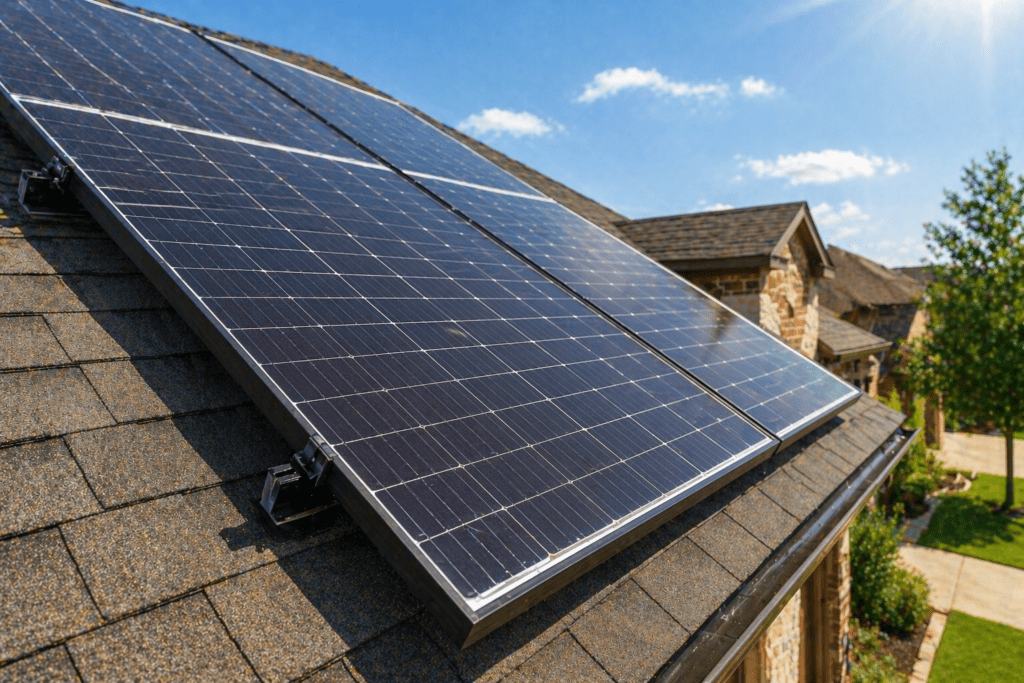
Solar installation services in Texas provide homeowners and businesses with customized systems designed to reduce energy costs and increase long-term efficiency. These services typically include everything from initial consultation and system design to permitting, installation, and activation. By working with experienced professionals like Legacy Roofing Pros, customers can ensure their solar system is optimized for Texas’ climate, roofing structure, and energy demands.
Legacy Roofing Pros helps streamline the entire process by combining roofing expertise with solar installation, ensuring your system is installed safely and efficiently. Their team handles everything from roof preparation and system design to installation and ongoing support, making the transition to solar simple and hassle-free. With a focus on quality workmanship and long-term performance, Legacy Roofing Pros provides reliable solar solutions tailored to Texas homeowners and businesses.
Solar installation in Texas is growing rapidly due to the state’s strong solar potential, rising energy costs, and increasing demand across residential and commercial sectors. Texas receives abundant sunlight throughout the year, making it one of the most favorable states for solar energy production. This consistent solar exposure allows property owners to generate more electricity and maximize long-term savings.
At the same time, rising utility rates are pushing homeowners and businesses to look for more predictable and cost-effective energy solutions. Solar provides an opportunity to reduce reliance on traditional power sources while improving energy independence and resilience. As more residential and commercial property owners recognize these benefits, demand for solar installation services continues to expand across Texas.
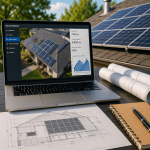
Every home requires a solar system designed for its specific energy needs and roof layout. Legacy Roofing Pros creates tailored system designs that maximize energy production while fitting your property’s structure and usage.

A solar system relies on a strong and stable roof. Our team inspects your roof condition and performs necessary preparations to ensure it can safely support solar panels for long-term performance.

Solar projects must meet local regulations and utility requirements. We handle permits and coordinate with utility providers to ensure your system is approved and connected properly.

Proper installation directly affects system efficiency and durability. Our team installs solar panels securely with precise alignment to optimize sunlight exposure and long-term output.
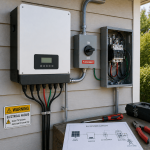
Solar energy must be converted into usable electricity for your home. We install and configure inverters and electrical components to ensure safe and efficient energy conversion.
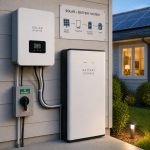
Battery storage allows homeowners to store excess energy for later use. We integrate battery systems that provide backup power and improve energy independence during outages or peak usage.
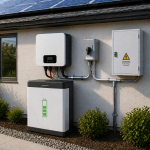
Tracking your system ensures it continues to perform as expected. We set up monitoring tools that allow you to view energy production and system performance in real time.
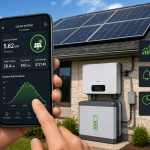
Solar systems require periodic maintenance to remain efficient. Legacy Roofing Pros provides ongoing support and inspections to address issues early and extend system lifespan.

Solar installation can be more manageable with the right financial options. We guide homeowners through available financing plans and incentives to help reduce upfront costs and improve affordability.

Roof repairs or replacements may require temporary panel removal. Our team safely detaches and reinstalls solar systems while preserving performance and protecting your investment.
Call for fast emergency roof help.

Legacy Roofing Pros is a fully registered roofing contractor serving Texas, ensuring compliance with state regulations for residential homes and commercial properties.

Our team of specialists is experienced in identifying and repairing storm-related roof damage.

We provide expert guidance on planning and coordinating your roofing project, helping you navigate each step smoothly.

We provide expert guidance on planning and coordinating your roofing project, helping you navigate each step smoothly.

We provide expert guidance on planning and coordinating your roofing project, helping you navigate each step smoothly.

Legacy Roofing Pros provides free roof inspections, estimates, and consultations to assess any damages or needed upgrades.

We manage projects like gutters, windows, garage doors, fences, and various interior works.

Our personalized approach ensures that we meet your specific needs, with clear communication throughout the project.

From storm damage repairs to full replacements, we offer a wide range of options for long-lasting solutions.

We provide industry-leading warranties on both roofing materials and workmanship, ensuring your peace of mind.
The main types of solar installations available in Texas are residential rooftop systems and commercial-scale solar solutions designed for higher energy demands. These options are built to match different property types, energy usage levels, and long-term savings goals. Choosing the right type of installation depends on whether the system is intended for a home or a business.
Residential and commercial solar installations both aim to reduce energy costs and increase efficiency, but they differ in size, complexity, and design. Home systems are typically smaller and customized for individual households, while commercial systems are larger and engineered for broader energy consumption. As solar adoption continues to grow, both options are becoming more accessible across Texas.
Residential solar installation in Texas involves installing rooftop systems that are designed to power homes and reduce electricity bills. These systems are configured to fit the home’s structure while maximizing exposure to sunlight. Homeowners benefit from lower utility costs and improved energy efficiency over time.
Rooftop solar systems are the most common residential option, using available roof space to generate clean energy efficiently. Each system is custom-designed based on factors like roof layout, shading, and household energy usage. This tailored approach ensures optimal performance and long-term savings for homeowners.
Rooftop solar systems for homes are designed to convert sunlight into usable electricity directly from the home’s roof. These systems are positioned to capture the most sunlight throughout the day. This setup helps homeowners reduce reliance on traditional energy sources.
They are installed using mounting systems that secure panels while protecting the integrity of the roof. Proper placement and design improve efficiency and overall energy production. Over time, rooftop systems provide consistent savings and reliable energy output.
Custom system design ensures that each residential solar setup is tailored to the homeowner’s specific energy needs and property conditions. Installers evaluate energy consumption, roof angle, and shading to determine the best configuration. This results in a system that is both efficient and cost-effective.
A personalized design also helps maximize energy production and return on investment. By aligning system size with actual usage, homeowners avoid overpaying for unnecessary capacity. This approach leads to better long-term performance and satisfaction.
Commercial solar installation in Texas involves larger systems designed to support businesses, organizations, and industrial facilities. These systems are built to handle higher energy demands and reduce operational costs. Businesses benefit from more predictable energy expenses and long-term savings.
Commercial systems can be installed on rooftops or as ground-mounted arrays depending on available space and energy needs. They are engineered for scalability, allowing businesses to expand their systems over time. This flexibility makes commercial solar a practical solution for growing operations.
Solar solutions for businesses and organizations are designed to offset large energy consumption and improve efficiency. These systems help reduce overhead costs by lowering electricity expenses. They also support sustainability goals and corporate responsibility initiatives.
Businesses can customize their systems based on building size, energy usage, and future growth plans. This ensures the system remains effective as operational needs change. Over time, these solutions provide both financial and environmental benefits.
Large-scale and industrial solar installations are designed for facilities with significant energy requirements. These systems often include extensive panel arrays and advanced configurations to maximize output. They are ideal for warehouses, manufacturing plants, and large commercial properties.
These installations are carefully engineered to deliver consistent and reliable energy production. With proper planning and execution, they can significantly reduce long-term energy costs. This makes them a valuable investment for large-scale operations in Texas.
Solar installation in Texas works through a structured process that includes assessment, system design, permitting, installation, and final activation. Each step is designed to ensure the system is safe, efficient, and compliant with local regulations. Working with a professional installer helps streamline this process and ensures everything is completed correctly.
From the initial consultation to system activation, solar installation is handled in phases that align with both property needs and utility requirements. This approach allows for proper planning, accurate system sizing, and smooth integration with the electrical grid. Understanding how the process works helps property owners feel more confident when transitioning to solar energy.
The solar installation process in Texas follows a step-by-step approach that ensures the system is properly designed, approved, and installed. It begins with evaluating the property and ends with activating the system for energy production. Each stage plays a critical role in ensuring long-term performance and reliability.
Professional installers manage each phase to minimize delays and ensure compliance with local codes and utility standards. This structured process helps avoid common issues and ensures a smooth transition to solar energy. By following these steps, homeowners and businesses can expect a reliable and efficient installation.
The initial consultation and site assessment determine whether a property is suitable for solar installation. Installers evaluate the roof condition, sun exposure, and current energy usage. This step helps identify the best approach for system design and placement.
Accurate assessment ensures the system will perform efficiently and meet energy needs. It also helps uncover any potential challenges, such as shading or structural limitations. Addressing these early allows for a smoother installation process.
System design and engineering involve creating a customized solar setup tailored to the property. This includes determining system size, panel placement, and electrical configuration. The goal is to maximize energy production while ensuring safety and efficiency.
Engineers use collected data to optimize the layout and performance of the system. A well-designed system improves long-term output and reliability. This step ensures the installation meets both performance goals and regulatory requirements.
Permitting and approvals are required before installation can begin in Texas. Installers handle the submission of necessary documents to local authorities and utility companies. This ensures the system meets all legal and safety standards.
The approval process may vary depending on the location and utility provider. Proper handling of permits helps prevent delays and compliance issues. Once approvals are secured, the project can move forward to installation.
Installation and system activation involve physically installing the solar panels and connecting the system to the electrical grid. Technicians mount the panels, install wiring, and set up the inverter. After installation, the system is tested to ensure it operates correctly.
Final approval from the utility allows the system to be activated and begin generating electricity. This step marks the completion of the installation process. Once active, the system starts producing clean energy and reducing utility costs.
The timeline for solar installation in Texas typically ranges from a few weeks to a couple of months depending on the project scope. Smaller residential systems may be completed faster, while larger or more complex installations take longer. The timeline includes design, permitting, installation, and activation phases.
Delays can occur due to permitting, inspections, or weather conditions. Working with an experienced installer helps keep the project on schedule. Understanding the timeline helps set realistic expectations for completion.
The average project duration for solar installation in Texas is usually between 4 to 12 weeks. This includes time for planning, approvals, installation, and final inspections. Each phase contributes to ensuring the system is safe and effective.
Some projects may move faster depending on location and system size. Efficient coordination between installers and utilities can shorten timelines. Proper planning helps ensure a smooth and timely installation.
Several factors can impact how long a solar installation takes in Texas. These include permitting requirements, utility approval times, and project complexity. Weather conditions and equipment availability can also affect scheduling.
Properties with unique designs or structural considerations may require additional time. Larger commercial systems often take longer due to scale and complexity. Understanding these factors helps explain variations in project timelines.
A solar system in Texas consists of several key components that work together to generate and manage electricity. These include solar panels, inverters, and optional battery storage systems. Each component plays a specific role in ensuring efficient energy production and usage.
Understanding these components helps property owners make informed decisions when choosing a solar system. High-quality components improve performance, durability, and long-term savings. A well-integrated system ensures consistent and reliable energy output.
Solar panels are the primary component responsible for converting sunlight into electricity. Their efficiency rating determines how much energy they can produce from available sunlight. Higher efficiency panels can generate more power in limited space.
Panel selection impacts overall system performance and output. Choosing the right panels ensures optimal energy generation. This contributes to better long-term savings and system reliability.
Inverters convert the electricity generated by solar panels into usable power for homes and businesses. They play a critical role in system performance and efficiency. Without an inverter, the energy produced cannot be used.
Different types of inverters offer varying levels of performance and monitoring capabilities. A quality inverter helps maximize energy output and system reliability. Proper selection ensures smooth operation over time.
Battery storage integration allows excess solar energy to be stored for later use. This is especially useful during power outages or periods of low sunlight. Batteries increase energy independence and system flexibility.
Adding battery storage enhances the overall value of a solar system. It provides backup power and helps manage energy usage more effectively. This makes it a popular option for many Texas property owners.
Solar installation in Texas typically costs between moderate to high upfront investment depending on system size, equipment, and property needs. Most homeowners and businesses see pricing vary based on energy usage and the complexity of the installation. While the initial cost can seem significant, long-term energy savings often offset the investment over time.
The total cost of solar installation is influenced by several factors including system design, labor, and available financing options. Understanding these cost components helps property owners make informed decisions and plan their investment more effectively. With flexible financing and incentives, solar has become more accessible across Texas.
The average cost of solar panels in Texas is based on system size and price per watt, which together determine the total installation cost. Most systems are designed to meet the specific energy needs of the property, which directly affects overall pricing. Larger systems typically cost more upfront but can generate greater long-term savings.
Pricing benchmarks help give property owners a general idea of what to expect when investing in solar. These estimates vary depending on equipment quality and installation requirements. Understanding these averages helps set realistic expectations for budgeting.
The typical solar system size in Texas depends on household or business energy usage and available installation space. Most residential systems fall within a common range designed to offset a large portion of electricity consumption. System size plays a major role in determining total installation cost.
Pricing benchmarks are often calculated based on system size and market averages. These benchmarks provide a general guideline but can vary depending on customization. Accurate sizing ensures the system delivers both efficiency and value.
The cost per watt is a standard metric used to estimate the price of a solar installation in Texas. It helps compare different system options and understand how pricing scales with system size. The total installation cost is calculated by multiplying the system size by the cost per watt.
This pricing method allows for consistent comparisons across different installers and system configurations. Lower cost per watt does not always mean better value, as equipment quality and service also matter. Evaluating both total cost and performance ensures a better investment decision.
Solar installation costs in Texas are affected by multiple factors including property characteristics, system design, and equipment selection. Each project is unique, which means pricing can vary significantly from one installation to another. Understanding these factors helps explain differences in quotes.
External elements such as labor, permitting, and installation complexity also play a role in overall cost. These variables can increase or decrease the final price depending on the project scope. Considering all cost factors provides a clearer picture of the total investment.
Roof type, system size, and equipment quality directly impact the cost of solar installation in Texas. Complex roof structures or materials may require additional labor and specialized mounting systems. Larger systems and higher-quality equipment also increase upfront costs.
However, investing in better equipment can improve long-term performance and durability. Proper system sizing ensures the installation meets energy needs without unnecessary expenses. Balancing these factors helps optimize both cost and value.
Labor and permitting costs are essential components of solar installation pricing in Texas. Skilled labor is required to ensure safe and compliant installation, which contributes to overall cost. Permits and inspections are necessary to meet local regulations and utility requirements.
These costs can vary depending on location and project complexity. Delays or additional requirements can also impact pricing. Working with an experienced installer helps manage these factors efficiently.
Solar financing options in Texas include cash purchases, loans, and lease or power purchase agreements, each offering different benefits. These options make solar more accessible by allowing property owners to choose a payment method that fits their budget. Selecting the right financing option depends on financial goals and long-term plans.
Financing plays a key role in determining upfront costs and overall return on investment. Some options provide immediate ownership, while others focus on lower initial payments. Understanding these choices helps property owners make confident financial decisions.
Paying cash for solar provides full ownership of the system and eliminates interest or financing fees. This option offers the highest long-term savings since there are no ongoing payment obligations. It also allows homeowners to take full advantage of available incentives.
Although the upfront cost is higher, the return on investment is typically greater over time. Cash purchases simplify the process and provide immediate financial benefits. This makes it an attractive option for those who can afford the initial investment.
Solar loans allow property owners to install a system with little or no upfront cost while making monthly payments over time. These loans spread out the cost of installation, making solar more accessible to a wider audience. Payments are often structured to align with energy savings.
Different loan options offer varying terms, interest rates, and repayment periods. Choosing the right structure depends on financial goals and budget. Proper planning ensures the loan supports both affordability and long-term savings.
Solar leases and power purchase agreements allow property owners to use solar energy without owning the system. Instead of paying for the system, customers pay for the electricity it produces. This reduces upfront costs and simplifies the adoption of solar energy.
These options typically include maintenance and system management by the provider. While long-term savings may be lower compared to ownership, they offer convenience and lower initial investment. This makes them suitable for those seeking a low-commitment entry into solar.
Solar savings in Texas can be significant, with homeowners and businesses reducing energy costs over time through consistent solar energy production. The amount saved depends on system size, energy usage, and local utility rates. While exact savings vary, solar is widely used to lower long-term electricity expenses and increase financial predictability.
Over time, these savings can add up as energy prices continue to fluctuate. Solar allows property owners to offset a large portion of their utility bills and protect against rising costs. With proper system design and usage, solar can deliver strong financial benefits across Texas.
Estimated solar savings over time in Texas are based on long-term energy production and reduced reliance on utility power. Most systems are designed to generate consistent savings throughout their lifespan. These savings increase as electricity rates rise and system performance remains stable.
Long-term projections help property owners understand the financial impact of going solar. While results vary, solar systems are commonly evaluated over decades of use. This long-term perspective highlights the value of investing in solar energy.
Solar savings projections over 20 to 25 years represent the total financial benefit of reduced electricity costs. These projections are based on system performance and expected energy production over time. They provide a clear picture of long-term return on investment.
The actual savings depend on factors such as energy usage and utility rate changes. Higher electricity rates can increase overall savings. These projections help property owners evaluate the long-term value of solar installation.
Solar systems can significantly reduce monthly energy bills by generating electricity directly from sunlight. The level of reduction depends on how much of the property’s energy usage is offset by the system. Many systems are designed to cover a large portion of electricity consumption.
Lower monthly bills provide immediate financial relief after installation. The exact savings vary based on system size and energy habits. Over time, these reductions contribute to overall cost savings.
The solar payback period in Texas refers to the amount of time it takes for energy savings to equal the initial installation cost. This timeframe varies depending on system cost, incentives, and energy usage. Once the system reaches payback, the energy it produces effectively becomes free.
Understanding the payback period helps property owners evaluate the financial viability of solar. Shorter payback periods typically result in higher overall savings. This makes it an important factor when considering solar investment.
The average solar payback timeframe in Texas generally falls within a range based on system size and cost. Most systems reach payback within several years of operation. This timeframe depends on energy savings and available incentives.
Faster payback can be achieved with higher energy usage and favorable pricing conditions. Efficient system design also contributes to shorter timelines. Knowing the average helps set realistic expectations.
Return on investment for solar in Texas is influenced by system cost, energy savings, and available incentives. Higher energy offset and lower installation costs improve ROI. Equipment quality and system performance also play a role.
External factors such as utility rates and financing terms can affect returns. Long-term system reliability ensures consistent savings. Considering these factors helps maximize overall investment value.
Solar savings in Texas can be maximized by optimizing system design, energy usage, and overall efficiency. Proper planning ensures the system produces the right amount of energy for the property. This helps avoid underperformance or unnecessary costs.
Strategic decisions during installation and usage can significantly improve long-term savings. Monitoring energy production and adjusting usage patterns also contribute to better results. A well-optimized system delivers stronger financial benefits over time.
System sizing strategies improve savings by matching energy production with actual consumption. An accurately sized system ensures maximum efficiency without overspending on excess capacity. This balance helps optimize both cost and performance.
Oversized systems may increase upfront costs without proportional benefits. Undersized systems may not fully offset energy bills. Proper sizing is key to achieving the best financial outcome.
Energy usage optimization increases ROI by aligning consumption with solar energy production. Using energy during peak solar hours reduces reliance on grid electricity. This improves overall system efficiency and savings.
Simple changes in energy habits can enhance solar performance. Monitoring tools help track usage and identify opportunities for improvement. Over time, optimized usage leads to greater financial returns.
CONTACT US TODAY!
Tell us what’s going on and our team will follow up quickly.
Tell us what’s going on and our team will follow up quickly.