
Monday to Friday
Drop your queries
Round Rock, TX 78681,
United States
Head Office
Legacy Roofing Pros offers expert gutter installation, repair, and replacement services in Texas. From seamless gutters to complete system upgrades, we help protect your home from water damage, drainage issues, and foundation problems with reliable, long-lasting solutions.


CONTACT US TODAY!







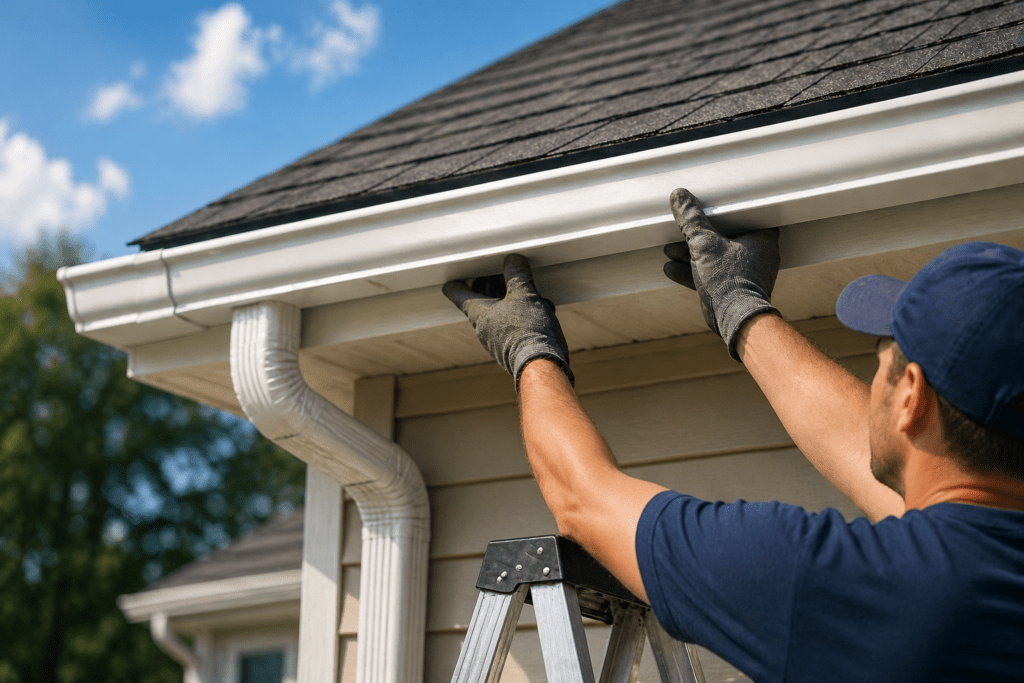
The best gutter installation, repair, and replacement services in Texas are those that provide durable materials, proper drainage design, and long lasting protection against heavy rain and extreme weather. A reliable gutter system is essential for directing water away from your home’s foundation, roof, and siding, helping prevent costly issues like erosion, leaks, and structural damage.
In a state like Texas where storms can be intense and unpredictable, having a properly installed and maintained gutter system is necessary for protecting your property. Choosing the right contractor makes a significant difference in the performance and lifespan of your gutter system.
Experienced professionals understand local weather conditions, building structures, and the importance of precision installation. Legacy Roofing Pros provides expert gutter installation, repair, and replacement services across Texas, helping homeowners protect their properties with reliable and high quality solutions designed to last.
Legacy Roofing Pros offers complete gutter services in Texas, including professional installation, targeted repairs, and full gutter system replacement. These services are designed to protect homes from water damage by ensuring proper drainage and long term performance. Whether a homeowner needs a brand new system or help fixing existing gutters, having access to a full range of services makes it easier to maintain a safe and efficient home exterior.
Legacy Roofing Pros delivers these services with a focus on quality workmanship and reliable results for homeowners across Texas. We understand that every home has unique gutter needs based on its design, roofing system, and surrounding environment. That’s why we offer a range of customized gutter solutions tailored to your property. Our Services Include:
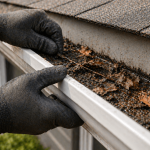
A detailed evaluation of the current gutter system on Texas homes to identify leaks, blockages, rust, and early signs of wear. This process helps uncover hidden issues that can lead to water intrusion, foundation damage, and costly repairs if not addressed early.
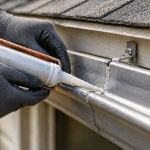
Repairing damaged or loose gutters on Texas homes by sealing leaks, fixing cracks, securing detached sections, and reinforcing weak areas. These repairs restore proper water flow and help prevent further deterioration caused by heavy rain and debris buildup.
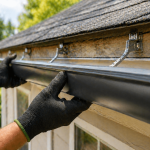
Complete removal and replacement of old, damaged, or ineffective gutters with high-quality materials designed to perform in Texas weather. New systems improve drainage efficiency, reduce the risk of leaks, and provide long-term protection for the home.

Installing custom-cut seamless gutters on Texas homes to reduce the number of joints where leaks can occur. Seamless systems offer improved durability, better performance during heavy rainfall, and a cleaner, more uniform appearance along the roofline.

Installing high-performance gutter guards on Texas homes to block leaves, dirt, and debris from entering the system. This helps maintain consistent water flow, reduces the need for frequent cleaning, and extends the lifespan of the gutter system.
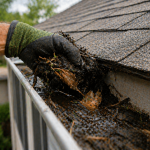
Removing leaves, dirt, and buildup from gutters and downspouts on Texas homes to prevent clogs and overflow. Regular cleaning helps maintain proper drainage and protects the roof, siding, and foundation from water damage.
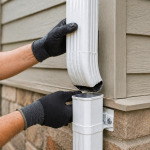
Repairing or replacing damaged or disconnected downspouts on Texas homes to ensure rainwater is properly directed away from the foundation. Properly functioning downspouts play a key role in preventing erosion and structural issues.

Adjusting the pitch and positioning of gutters on Texas homes to ensure water flows efficiently toward downspouts. Correct alignment helps eliminate standing water, reduces strain on the system, and improves overall performance.
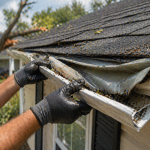
Repairing and replacing gutter systems on Texas homes affected by severe weather, including hail, heavy rain, and strong winds. Restoration work focuses on bringing the system back to full functionality while preventing future issues.
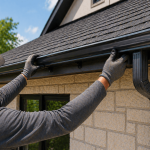
Designing and installing custom gutter systems for Texas homes using materials such as aluminum, copper, or steel. Each system is tailored to the home’s layout, roofline, and drainage needs to provide reliable, long-lasting performance.
Call for fast emergency roof help.
Homeowners across Texas can work with Legacy Roofing Pros for gutter installation, repair, and replacement services. Coverage includes Central Texas and the Texas Hill Country, and service availability can be confirmed quickly based on your city and scheduling needs.
When gutter issues arise, not all contractors have the expertise to handle them properly. At Legacy Roofing Pros, we specialize in professional gutter installation, repair, and replacement in Texas, delivering precise, reliable, and long lasting solutions. Here’s why homeowners trust us:

Legacy Roofing Pros is a fully registered roofing contractor serving Texas, ensuring compliance with state regulations for residential homes and commercial properties.

Our team of specialists is experienced in identifying and repairing storm-related roof damage.

We provide expert guidance on planning and coordinating your roofing project, helping you navigate each step smoothly.

We provide expert guidance on planning and coordinating your roofing project, helping you navigate each step smoothly.

We provide expert guidance on planning and coordinating your roofing project, helping you navigate each step smoothly.

Legacy Roofing Pros provides free roof inspections, estimates, and consultations to assess any damages or needed upgrades.

We manage projects like gutters, windows, garage doors, fences, and various interior works.

Our personalized approach ensures that we meet your specific needs, with clear communication throughout the project.

From storm damage repairs to full replacements, we offer a wide range of options for long-lasting solutions.

We provide industry-leading warranties on both roofing materials and workmanship, ensuring your peace of mind.
Gutter systems are important for Texas homes because they control how rainwater flows off the roof and away from the structure. Without a properly functioning gutter system, water can collect around the foundation, seep into walls, and damage exterior surfaces over time. In a state known for sudden storms and heavy rainfall, gutters play a key role in protecting both the structural integrity and appearance of a home.
Texas homes are especially vulnerable to water related issues due to shifting soil and intense weather patterns. A well designed gutter system helps manage these conditions by directing water safely away from the property. When gutters are properly installed and maintained, they reduce the risk of foundation cracks, wood rot, and costly repairs that can develop from prolonged moisture exposure.
Gutters protect your home’s foundation and exterior surfaces by channeling rainwater away from critical areas of the structure. When rainwater is properly directed through gutters and downspouts, it prevents water from pooling around the base of the home or running down walls and windows. This controlled drainage helps maintain the stability of the foundation and preserves the condition of siding, paint, and landscaping.
Without effective gutters, water can accumulate in places where it should not be, leading to gradual damage that often goes unnoticed until it becomes severe. By keeping water flow organized and directed, gutters act as a first line of defense against moisture related issues that can affect both the structure and appearance of a home.
Proper gutter drainage prevents foundation damage in Texas homes by directing water away from the base of the structure where soil expansion and contraction can occur. When water is allowed to pool near the foundation, it can cause the soil to shift, leading to cracks, uneven settling, and long term structural problems. Gutters and downspouts help manage this risk by moving water to a safe distance from the home.
In Texas, where clay rich soils are common, moisture levels can significantly impact foundation stability. Consistent drainage provided by a properly installed gutter system helps regulate soil conditions around the home, reducing the likelihood of costly foundation repairs and maintaining structural integrity over time.
The parts of a home most vulnerable without a functioning gutter system include the foundation, siding, roof edges, windows, and landscaping. These areas are directly exposed to uncontrolled water flow, which can lead to erosion, staining, rot, and structural weakening. Water running off the roof without guidance can also damage fascia boards and create entry points for moisture.
Over time, repeated exposure to excess water can lead to mold growth, peeling paint, and deterioration of exterior materials. Landscaping can also suffer from soil erosion and plant damage. A functioning gutter system helps protect all of these vulnerable areas by managing water flow efficiently.
Proper gutter drainage is critical in Texas weather conditions because of the state’s frequent heavy rains, storms, and sudden weather changes. These conditions can produce large volumes of water in a short period of time, making it essential for homes to have a system that can handle rapid runoff. Gutters ensure that rainwater is quickly and effectively directed away from the home.
Without proper drainage, Texas homes are at higher risk of water intrusion and exterior damage. A well maintained gutter system helps homeowners stay ahead of weather related challenges by preventing water from accumulating in areas where it can cause long term harm.
Heavy rainfall in Texas impacts residential gutter performance by increasing the volume and speed of water that gutters must handle. If gutters are undersized, clogged, or improperly installed, they may overflow or fail to direct water effectively. This can lead to water spilling over edges and collecting around the home.
A properly designed gutter system is built to manage high water flow and maintain consistent drainage even during intense storms. Ensuring that gutters are clear and correctly sized helps maintain performance and reduces the risk of overflow related damage.
Poor gutter drainage can cause long term problems such as foundation cracks, roof damage, siding deterioration, and mold growth. When water is not properly directed away from the home, it can seep into structural components and weaken them over time. This can lead to expensive repairs and reduced property value.
In addition to structural issues, poor drainage can also affect indoor conditions by increasing humidity and creating an environment where mold and mildew can develop. Maintaining proper gutter drainage helps prevent these long term problems and supports the overall health of the home.
When gutters become clogged or damaged, they lose their ability to direct water away from the home effectively. Debris such as leaves, dirt, and twigs can block water flow, causing gutters to overflow or sag under the added weight. Damaged sections may leak or detach, further reducing system performance.
These issues can quickly escalate if left unaddressed, leading to water damage in multiple areas of the home. Regular inspections and maintenance are essential to ensure that gutters remain functional and continue to protect the property.
Clogged gutters can lead to structural damage in a home by allowing water to overflow and accumulate near the foundation and exterior walls. This excess moisture can weaken building materials, cause wood rot, and contribute to foundation movement. Over time, these effects can compromise the stability of the structure.
In severe cases, prolonged exposure to water from clogged gutters can result in costly repairs that affect both the interior and exterior of the home. Keeping gutters clean and clear is essential for preventing structural damage.
Gutter overflow affects landscaping, siding, and roofing by allowing uncontrolled water to spill over and impact these surfaces directly. Landscaping can suffer from soil erosion and plant damage, while siding may develop stains, mold, or rot from repeated exposure to moisture. Roofing edges and fascia boards can also deteriorate when water is not properly managed.
Over time, these issues can reduce curb appeal and lead to additional maintenance costs. Properly functioning gutters help protect these areas by ensuring that water is directed away safely and efficiently.
Seamless gutter installation is the process of installing a continuous gutter system that is custom cut to fit a home without joints or seams along the main runs. Unlike traditional sectional gutters that are pieced together, seamless gutters are designed to minimize weak points where leaks and clogs commonly occur. This makes them a popular choice for homeowners who want a cleaner appearance and more reliable performance.
Homeowners choose seamless gutters because they offer better durability, improved water flow, and reduced maintenance over time. With fewer connection points, there is less chance of debris buildup and water leakage, which helps protect the home more effectively. Seamless systems are also tailored to each property, allowing for a precise fit that enhances both function and curb appeal.
Seamless gutter systems are installed by measuring the home and fabricating gutter sections to fit each roofline precisely. The process involves creating long, continuous pieces that are secured along the edges of the roof with the proper slope to ensure efficient water drainage. Downspouts are then added to direct water safely away from the foundation.
Because each system is custom made, installation requires careful planning and precision to ensure optimal performance. Professional installers take into account the roof design, water flow patterns, and structural features of the home to create a system that functions effectively in all weather conditions.
Seamless gutter systems are different from sectional gutters because they are made from a single continuous piece rather than multiple sections joined together. This design reduces the number of seams where leaks and clogs can develop, resulting in a more efficient and reliable system. Fewer joints also mean less maintenance is required over time.
Sectional gutters rely on connectors that can weaken or separate over time, especially in harsh weather. Seamless gutters eliminate this issue by providing a smoother path for water to flow through, improving overall performance and longevity.
Seamless gutters are typically fabricated on-site for each home using specialized equipment that cuts the material to the exact required length. This allows installers to create a custom fit that matches the dimensions of the roofline without the need for multiple sections. On-site fabrication ensures accuracy and reduces the chances of installation errors.
By creating gutters specifically for each property, contractors can ensure that the system meets the unique drainage needs of the home. This level of customization contributes to better performance and a more polished final appearance.
Seamless gutters are more effective than traditional sectional gutters because they reduce the risk of leaks and improve overall water flow. With fewer seams, there are fewer points where water can escape or debris can collect, allowing the system to function more efficiently during heavy rainfall. This makes seamless gutters especially beneficial in areas with frequent storms.
In addition to improved performance, seamless gutters are also more durable and require less maintenance over time. Their streamlined design helps prevent common issues that affect sectional systems, making them a long term solution for homeowners looking to protect their property.
Seamless gutter systems reduce leaks and maintenance needs by eliminating most of the joints where problems typically occur. Without seams along the main sections, there are fewer opportunities for water to escape or debris to get trapped. This helps keep the system functioning properly with less frequent cleaning and repairs.
As a result, homeowners can spend less time maintaining their gutters while still benefiting from reliable drainage. The reduced need for upkeep makes seamless systems a practical and efficient choice.
Seamless gutters are more durable in Texas weather conditions because they are designed to handle heavy rain, strong winds, and temperature changes without weakening at connection points. The continuous design provides added strength and stability, helping the system withstand the demands of the local climate.
This durability allows seamless gutters to maintain their performance over time, even in challenging conditions. For homeowners in Texas, choosing a system that can handle extreme weather is essential for long term protection.
Seamless gutter systems are available in several materials, with aluminum, copper, and galvanized steel being the most common options for residential properties. Each material offers different benefits in terms of durability, cost, and appearance, allowing homeowners to choose a solution that fits both their budget and long term needs. Selecting the right material plays a key role in how well the gutter system performs and how long it will last.
The choice of material often depends on factors such as climate, maintenance expectations, and the overall look of the home. In Texas, where weather conditions can be intense, homeowners tend to prioritize materials that can handle heavy rain and temperature changes while still maintaining their structural integrity over time.
Homeowners should choose aluminum, copper, or galvanized steel gutters based on their budget, durability needs, and aesthetic preferences. Aluminum gutters are the most popular choice because they are lightweight, resistant to rust, and cost effective, making them ideal for most homes. Copper gutters offer a premium look and exceptional longevity but come at a higher price point, while galvanized steel provides added strength but may require more maintenance to prevent corrosion.
Each material has its advantages, and the best choice depends on how long the homeowner plans to stay in the home and how much maintenance they are willing to manage. Understanding these differences helps homeowners select a gutter system that meets both practical and visual expectations.
Copper gutters offer the longest lifespan, often lasting several decades with minimal maintenance, while aluminum gutters typically provide the best overall value for most homeowners. Aluminum strikes a balance between affordability, durability, and ease of installation, making it a practical choice for long term performance without a high upfront cost.
While copper may last longer, its higher cost can make it less accessible for many homeowners. Galvanized steel falls in between, offering strength but requiring more upkeep. Choosing the right material depends on balancing longevity with budget and maintenance preferences.
The gutter styles that work best for homes in Texas are those designed to handle high volumes of water while complementing the structure of the home. Style affects both the performance and appearance of the gutter system, making it important to choose a design that supports efficient drainage and matches the home’s exterior. Certain styles are better suited for managing heavy rainfall and maintaining consistent water flow.
In addition to performance, homeowners also consider how the gutter style blends with their roofline and architectural design. A well chosen gutter style not only improves functionality but also enhances curb appeal, creating a balanced and cohesive look for the home.
K style gutters are a popular gutter design with a flat back and a decorative front that resembles crown molding, making them both functional and visually appealing. They are commonly used in Texas because they can hold more water than traditional rounded gutters, which helps them manage heavy rainfall more effectively.
Their shape also allows them to attach securely to fascia boards, providing added stability during storms. This combination of capacity, durability, and appearance makes K style gutters a preferred choice for many Texas homeowners.
Alternative gutter styles for residential properties include half round gutters, box gutters, and custom designs that fit specific architectural needs. Half round gutters have a curved shape that offers a classic appearance, while box gutters are often used for larger homes or properties that require higher water capacity.
Each style has its own advantages depending on the structure of the home and the desired look. Choosing the right style ensures that the gutter system not only performs well but also complements the overall design of the property.
Homeowners can tell if a gutter system needs repair or replacement by looking for visible damage, performance issues, and signs of water not being properly directed away from the home. Problems such as leaks, sagging sections, or frequent clogs often indicate that the system is no longer functioning as it should. Identifying these issues early helps prevent more serious damage to the home’s foundation and exterior.
The decision between repair and replacement usually depends on the extent of the damage and the age of the system. Minor issues can often be fixed quickly, while widespread damage or long term wear may require a full replacement. Understanding the condition of the gutters allows homeowners to choose the most effective solution for maintaining proper drainage.
The most common signs of gutter damage or failure include sagging sections, visible leaks, rust spots, cracks, and gutters pulling away from the home. These issues typically indicate that the system is struggling to handle water flow or has weakened over time. When gutters fail to perform properly, water can overflow or collect in areas where it should not.
Regularly checking for these signs helps homeowners catch problems before they worsen. Early detection allows for timely repairs that can extend the life of the gutter system and prevent costly damage to other parts of the home.
Sagging, leaking, or separating gutters indicate that the system is no longer securely attached or is under stress from excess weight or damage. Sagging often results from debris buildup or weakened supports, while leaks and separation can occur when joints fail or materials begin to deteriorate. These issues reduce the system’s ability to direct water effectively.
If not addressed, these problems can lead to water spilling over the edges or pooling near the foundation. Prompt attention is important to restore proper function and prevent further damage.
Rust, cracks, and holes affect gutter performance by allowing water to escape before it can be properly directed away from the home. Even small openings can disrupt water flow and lead to leaks that damage siding, fascia, and the foundation. Over time, these issues can spread and weaken larger sections of the system.
As the damage worsens, the gutter system becomes less reliable and may require more extensive repairs. Addressing these issues early helps maintain proper drainage and protects the home from water related problems.
Gutter repair is a better option than replacement when the damage is limited and the overall structure of the system is still in good condition. Minor issues such as small leaks, loose brackets, or localized sagging can often be fixed without replacing the entire system. Repairing these problems helps restore functionality while keeping costs manageable.
Choosing repair makes sense when the gutters are relatively new or have been well maintained. Addressing small issues promptly can extend the lifespan of the system and delay the need for a full replacement.
Minor gutter issues that can be fixed with repairs include sealing small leaks, tightening loose fasteners, realigning sections, and clearing blockages. These types of problems typically affect only specific areas and do not compromise the entire system. Quick repairs can restore proper water flow and prevent further damage.
By focusing on these smaller issues, homeowners can maintain the effectiveness of their gutters without investing in a complete replacement. This approach is often practical for systems that are still structurally sound.
Gutter repair is the most cost effective solution when the system has isolated damage and does not require extensive work. Fixing a few problem areas is generally less expensive than replacing the entire system, especially when the gutters are still in good overall condition.
Choosing repair at the right time helps homeowners avoid unnecessary expenses while keeping their gutter system functional. It also allows them to plan for future replacement if needed.
Full gutter replacement is the better long term solution when the system is extensively damaged, outdated, or no longer able to perform effectively. When multiple sections are failing or repairs become frequent, replacing the entire system provides a more reliable and lasting fix. A new system ensures consistent water flow and improved protection for the home.
Investing in replacement at the right time can prevent ongoing maintenance costs and reduce the risk of serious water damage. It also allows homeowners to upgrade to more durable materials and modern designs that perform better in current conditions.
An aging gutter system impacts home protection by becoming less effective at directing water away from the structure. Over time, materials can weaken, connections can loosen, and performance can decline. This increases the likelihood of leaks, overflow, and water damage.
As the system deteriorates, it may no longer provide the level of protection needed to keep the home safe from moisture related issues. Replacing an aging system helps restore proper drainage and ensures continued protection.
Delaying gutter replacement can lead to increased risks such as foundation damage, roof deterioration, and interior moisture problems. As the system continues to fail, water can accumulate in critical areas and cause more extensive damage over time. These issues can become costly if not addressed promptly.
Replacing gutters before problems escalate helps protect the home and reduces the likelihood of major repairs. Acting early ensures that the gutter system continues to function effectively and provides reliable protection.
Gutter cleaning and maintenance in Texas work by regularly removing debris and ensuring that the entire system can handle heavy rainfall without blockage or overflow. This process includes clearing leaves, dirt, and buildup from gutters and downspouts, as well as checking for any signs of damage that could affect performance. Keeping gutters clean allows water to flow freely and prevents it from spilling over onto the home.
Because Texas weather can bring sudden storms and high winds, gutters tend to collect debris more quickly than in milder climates. Routine maintenance helps homeowners stay ahead of these conditions by keeping the system functional year round. Consistent upkeep not only improves performance but also reduces the risk of long term damage to the home.
Homeowners in Texas should clean their gutters at least twice per year to maintain proper drainage and prevent buildup. Regular cleaning ensures that rainwater can move through the system without obstruction, especially during peak storm seasons. Staying on a consistent schedule helps reduce the chances of overflow and water damage.
However, cleaning frequency may vary depending on the environment surrounding the home. Some properties may require more frequent maintenance to keep gutters functioning properly, particularly in areas with higher debris accumulation.
Cleaning gutters twice per year is enough for many Texas homes, especially those with minimal tree coverage nearby. This schedule typically includes cleaning in the spring and fall to prepare for seasonal weather changes. Maintaining this routine helps prevent buildup and keeps the system operating efficiently.
For homes that experience less debris, this level of maintenance is usually sufficient to avoid common gutter problems. Regular inspections can help confirm whether additional cleanings are needed.
Nearby trees and storms can increase gutter cleaning frequency by introducing more leaves, branches, and debris into the system. Homes surrounded by trees often experience faster buildup, which can lead to clogs if not addressed regularly. Storms can also push debris into gutters, creating sudden blockages.
In these situations, homeowners may need to clean gutters more often to maintain proper performance. Adjusting the cleaning schedule based on environmental factors helps prevent overflow and damage.
Gutter clogs and water overflow are caused by the accumulation of debris that blocks the flow of water through the system. When gutters become filled with leaves, dirt, and other materials, water cannot move freely and begins to spill over the edges. This disrupts the purpose of the gutter system and increases the risk of damage.
Clogs can develop gradually over time or occur quickly after storms. Without regular cleaning, even small amounts of debris can build up and create significant blockages that affect overall performance
Leaves, debris, and dirt accumulate inside gutters as they are carried by wind, rain, and surrounding environmental conditions. Over time, these materials settle in the gutter channels and begin to form blockages that restrict water flow. The buildup can become compacted, making it more difficult for water to pass through.
As accumulation increases, the system becomes less effective and more prone to overflow. Regular cleaning helps remove this buildup and restore proper function.
Clogged downspouts contribute to gutter overflow problems by preventing water from exiting the system properly. When downspouts are blocked, water backs up into the gutters and eventually spills over the sides. This can lead to water pooling near the foundation and damaging exterior surfaces.
Ensuring that downspouts are clear is just as important as cleaning the gutters themselves. A fully functioning system relies on both components working together to direct water away from the home.
Regular gutter maintenance prevents a wide range of problems by keeping the system clean and functioning properly. By removing debris and addressing minor issues early, homeowners can avoid water damage, structural problems, and costly repairs. Maintenance ensures that gutters continue to perform their role effectively.
Consistent upkeep also helps identify potential issues before they become serious. This proactive approach allows homeowners to maintain a reliable drainage system and protect their property from avoidable damage.
Routine gutter maintenance extends the lifespan of a gutter system by reducing stress caused by excess weight and water buildup. When gutters are clean, they are less likely to sag, corrode, or develop leaks. This helps preserve the integrity of the materials over time.
Keeping the system in good condition allows it to perform efficiently for a longer period. Regular care minimizes wear and tear and delays the need for replacement.
Regular cleaning can prevent costly gutter repairs and replacements by stopping problems before they develop into major issues. Removing debris and ensuring proper water flow reduces the risk of damage that would require extensive fixes. Preventative maintenance is often far less expensive than repairing or replacing a damaged system.
By staying consistent with cleaning, homeowners can protect their investment and avoid unexpected expenses. A well maintained gutter system is more reliable and less likely to fail when it is needed most.
Gutter guards are protective covers or inserts installed over gutters to prevent debris from entering while still allowing water to flow through the system. These systems are designed to reduce clogs caused by leaves, dirt, and other materials that can block proper drainage. By keeping gutters clearer, gutter guards help improve overall performance and reduce the frequency of maintenance.
A home may benefit from a gutter protection system if it is exposed to frequent debris buildup or requires regular cleaning to stay functional. While gutter guards do not completely eliminate maintenance, they can significantly reduce the amount of debris that enters the system. This makes them a practical option for homeowners looking to improve efficiency and reduce upkeep.
Gutter guard systems prevent debris buildup by covering the open section of the gutter and filtering out materials before they can enter. These systems are designed with openings that allow water to pass through while blocking larger debris such as leaves and twigs. This helps maintain consistent water flow and reduces the likelihood of clogs forming inside the gutter.
By limiting the amount of debris that collects in the system, gutter guards help gutters function more effectively during rainfall. They also reduce the need for frequent cleaning, making them a useful addition for maintaining long term gutter performance.
Gutter guards can effectively block common debris such as leaves, pine needles, twigs, and larger particles that typically cause clogs. These materials are prevented from entering the gutter channel, allowing water to flow freely through the system. Blocking these types of debris helps reduce buildup and improves overall drainage.
Smaller particles like fine dirt may still enter the system, but the overall volume of debris is significantly reduced. This helps minimize maintenance while keeping the gutter system operational.
Gutter guards perform well during heavy Texas rainstorms by allowing water to pass through while keeping debris out of the system. High quality guards are designed to handle strong water flow without causing overflow or blockage. This helps maintain consistent drainage even during intense rainfall.
However, performance can vary depending on the type of guard and how well it is installed. Proper installation ensures that the system can handle heavy rain without reducing water flow efficiency.
Gutter guard systems do not eliminate the need for gutter cleaning, but they significantly reduce how often cleaning is required. While guards prevent most debris from entering the gutters, some buildup can still occur over time, especially from smaller particles. Occasional maintenance is still necessary to ensure the system continues to function properly.
Homeowners who install gutter guards often find that cleaning becomes less frequent and less intensive. This makes maintenance more manageable while still preserving the effectiveness of the gutter system.
Gutter systems with guards still require periodic maintenance because small debris and residue can accumulate on top of or within the guard system. Over time, this buildup can affect water flow if not addressed. Cleaning ensures that the system remains clear and continues to perform efficiently.
Regular inspections also help identify any issues with the guards themselves, such as misalignment or wear. Maintaining both the gutters and the guards helps extend the life of the system.
A common misconception about gutter protection systems is that they completely eliminate all maintenance and prevent every type of debris from entering. While they are effective at reducing buildup, no system can block all materials or function without occasional care. Believing otherwise can lead to neglect and reduced performance.
Another misconception is that all gutter guards perform the same way. In reality, effectiveness depends on the type of guard and the quality of installation. Understanding these differences helps homeowners set realistic expectations.
Gutter guard systems are a worthwhile investment for many Texas homes because they reduce debris buildup and help maintain consistent gutter performance. In areas with frequent storms or heavy foliage, these systems can significantly decrease the amount of maintenance required. This makes them a practical solution for improving long term efficiency.
In addition to reducing upkeep, gutter guards can help prevent clogs that lead to overflow and water damage. By improving how the system functions, they contribute to better protection for the home.
Gutter guards can reduce long term maintenance costs by lowering the frequency of cleaning and minimizing the risk of damage caused by clogs. With less debris entering the system, there is less strain on the gutters, which can help extend their lifespan. This reduces the need for frequent repairs.
Over time, the savings from reduced maintenance and fewer repairs can offset the initial cost of installation. This makes gutter guards a cost effective addition for many homeowners.
Homes that benefit most from installing gutter guards are those located near trees or in areas that experience frequent storms. These conditions increase the likelihood of debris buildup, making gutter guards especially useful for maintaining clear gutters. Larger homes with complex rooflines may also benefit from added protection.
Properties that require frequent gutter cleaning or have experienced clog related issues in the past are strong candidates for gutter guard systems. Installing guards helps improve efficiency and reduces ongoing maintenance needs.
Downspouts and drainage systems improve gutter performance by ensuring that rainwater is not only collected but also safely carried away from the home. While gutters capture water from the roof, downspouts and drainage components complete the process by directing that water to a designated area away from the structure. This prevents water from pooling around the foundation or damaging exterior surfaces.
A complete gutter system depends on proper drainage to function effectively, especially in areas with heavy rainfall like Texas. Without well designed downspouts and drainage solutions, even the best gutter system can fail to protect the home. By managing water flow from roof to ground, these components play a critical role in preventing long term damage.
Downspouts play the role of transporting rainwater from the gutters down to the ground and away from the home. They act as vertical channels that move collected water safely away from the roofline, preventing overflow and reducing pressure on the gutter system. Properly placed downspouts ensure that water is distributed efficiently and does not accumulate in unwanted areas.
A well functioning downspout system is essential for maintaining consistent drainage. When downspouts are correctly installed and maintained, they help protect the foundation, siding, and surrounding landscape from water related damage.
Downspouts direct rainwater away from a home’s structure by channeling water from the gutters to the ground and guiding it toward a safe discharge point. This may include directing water onto a splash block, into an extension, or toward a drainage system that carries it farther away from the home. Proper positioning ensures that water does not collect near the foundation.
By controlling where water exits the system, downspouts help prevent soil erosion and reduce the risk of moisture related issues. This controlled flow is essential for protecting the home’s structural integrity.
When downspouts are missing or damaged, water is unable to flow away from the home properly, leading to overflow and pooling near the foundation. This can cause soil erosion, basement leaks, and structural issues over time. Without functioning downspouts, gutters cannot perform their intended role effectively.
Damaged downspouts may also leak or become clogged, further reducing drainage efficiency. Addressing these issues promptly helps restore proper water flow and prevents additional damage.
Homeowners can direct rainwater away from the foundation by using properly installed downspouts, extensions, and additional drainage solutions. The goal is to move water far enough away from the home so that it does not soak into the soil around the foundation. Effective drainage helps maintain stable soil conditions and prevents water from causing structural problems.
Combining multiple drainage methods often provides the best results, especially for homes in areas with heavy rainfall. A well planned system ensures that water is consistently directed away from critical areas.
Downspout extensions are attachments that extend the discharge point of a downspout farther away from the home. They improve drainage by carrying water beyond the immediate perimeter of the foundation, reducing the risk of pooling and soil saturation. Extensions can be placed above ground or connected to underground systems for more controlled water flow.
By increasing the distance between the water discharge point and the home, downspout extensions help protect the foundation and surrounding landscape. This simple addition can significantly improve overall drainage performance.
Rainwater should be diverted at least several feet away from a home’s foundation to reduce the risk of water damage. This distance helps prevent moisture from accumulating near the base of the structure and minimizes the chances of soil movement or erosion. The exact distance may vary depending on the property layout and soil conditions.
Ensuring that water is carried far enough away is essential for maintaining long term foundation stability. Proper drainage planning helps homeowners avoid costly repairs and maintain a safe structure.
Additional drainage solutions are available to improve how water is managed around a home, especially in areas where basic gutter systems may not be enough. These solutions are designed to handle excess water and provide more control over how it is redirected away from the property. They are particularly useful for homes with drainage challenges or heavy rainfall exposure.
Incorporating these systems into a gutter setup can enhance overall performance and provide added protection. Choosing the right combination of solutions depends on the specific needs of the property and its surrounding environment.
French drains are underground drainage systems that use a perforated pipe surrounded by gravel to redirect water away from problem areas. They are typically installed in areas where water tends to collect, such as near the foundation or in low spots on the property. French drains help move water away before it can cause damage.
Homeowners should consider installing French drains when surface drainage is not sufficient to manage water flow. These systems provide an effective way to control excess moisture and protect the home.
Underground drainage systems enhance water management by carrying rainwater below the surface and away from the home in a controlled manner. These systems connect to downspouts and transport water through pipes to a designated drainage area. This prevents water from pooling on the surface and improves overall drainage efficiency.
By keeping water out of visible areas, underground systems also help maintain the appearance of the property while protecting its structure. They provide a long term solution for managing water in homes with higher drainage demands.
Homeowners can expect a professional gutter installation process to include inspection, system design, precise installation, and a final quality check. Each step is focused on ensuring that the gutter system is properly fitted to the home and capable of handling water flow efficiently. A structured process helps reduce errors and ensures long term performance.
Working with experienced professionals also means that every detail is carefully considered, from initial assessment to final adjustments. This approach provides homeowners with confidence that their gutter system will function correctly and protect their property from water related damage.
During a professional gutter inspection, contractors assess the current condition of the gutter system and evaluate how well it manages water flow. This includes checking for visible damage, blockages, and areas where water may not be draining properly. The goal is to identify any issues that need to be addressed before installation or repair begins.
A thorough inspection provides a clear understanding of the home’s drainage needs. It also helps contractors recommend the most effective solution based on the condition of the existing system and the structure of the property.
Contractors evaluate several factors during a gutter system assessment, including the condition of existing gutters, the placement of downspouts, roofline dimensions, and areas where water tends to collect. They also check for signs of wear such as leaks, sagging, or separation from the home.
These evaluations help determine whether repairs, upgrades, or a full replacement are necessary. By understanding the current state of the system, contractors can develop a plan that improves drainage and overall performance.
Professionals identify gutter damage or drainage risks by inspecting both visible and functional aspects of the system. They look for issues such as standing water, overflow marks, rust, and improper slope that can affect performance. These signs indicate where the system may be failing.
In addition to visual checks, professionals consider how water flows during rainfall and whether it is being directed away from the home effectively. This helps pinpoint areas that require attention to prevent future damage.
A gutter system is designed for a specific home by analyzing the roof structure, water flow patterns, and drainage requirements. Contractors create a layout that ensures water is collected and directed efficiently, taking into account factors such as roof size and slope. This customized approach helps the system perform effectively in different weather conditions.
Designing the system properly is essential for preventing overflow and ensuring long term durability. A well planned layout improves both functionality and appearance, creating a balanced solution for the home.
Measurements and slope are calculated by determining the length of each roof section and setting a slight angle that allows water to flow toward the downspouts. Accurate measurements ensure that the gutters fit properly, while the correct slope prevents water from pooling inside the system.
This precision is important for maintaining consistent drainage and avoiding issues such as overflow or standing water. Proper calculation ensures that the system works efficiently under normal and heavy rainfall conditions.
Contractors select the best materials for each property based on factors such as budget, climate, and the home’s design. They consider how different materials perform in local weather conditions and how much maintenance they require over time. This helps ensure that the chosen material meets both functional and aesthetic needs.
By matching the material to the specific requirements of the home, contractors can create a gutter system that is durable and visually consistent with the property. This tailored approach improves overall performance and longevity.
During installation, contractors secure the gutter system to the home, ensuring proper alignment, slope, and attachment. Downspouts are installed to direct water away from the structure, and all components are connected to create a complete drainage system. The installation process is carried out with attention to detail to ensure reliable performance.
After installation, a final walkthrough is conducted to confirm that the system is functioning correctly and meets quality standards. This step allows contractors to make any necessary adjustments and ensures that homeowners are satisfied with the results.
A typical gutter installation project can often be completed within a single day, depending on the size and complexity of the home. Smaller properties may require less time, while larger or more detailed installations may take longer. Efficient planning helps keep the project on schedule.
Completing the installation promptly minimizes disruption for homeowners while ensuring that the system is ready to handle rainfall as soon as possible.
Quality checks before project completion include verifying that gutters are securely attached, properly aligned, and sloped for correct water flow. Contractors also ensure that downspouts are positioned correctly and that there are no leaks or loose connections.
These final checks confirm that the system is ready to perform as expected. Ensuring quality at this stage helps prevent future issues and gives homeowners confidence in their new gutter system.
Homeowners should hire a professional gutter company in Texas to ensure proper installation, reliable performance, and long term protection against water damage. Professional contractors have the knowledge and tools needed to design and install systems that handle heavy rainfall and challenging weather conditions. This level of expertise helps prevent common issues such as leaks, poor drainage, and structural damage.
Working with a professional also reduces the risk of mistakes that can lead to costly repairs later. A properly installed and maintained gutter system performs more efficiently and lasts longer, giving homeowners confidence that their property is protected.
A Texas gutter contractor should have proper licensing, insurance, and proven experience in gutter installation and repair. These qualifications indicate that the contractor meets industry standards and is prepared to handle different types of projects. Hiring a qualified professional ensures that the work is completed safely and correctly.
In addition to basic credentials, homeowners should look for contractors who have a strong track record and a clear understanding of local conditions. This combination of qualifications helps ensure consistent and reliable results.
It is important for a gutter company to be licensed and insured because it protects both the homeowner and the contractor during the project. Licensing shows that the company meets required standards, while insurance provides coverage in case of accidents or damage. This reduces the risk of liability for the homeowner.
Working with a licensed and insured contractor also adds a level of trust and accountability. It ensures that the company operates professionally and is prepared to handle potential risks.
Homeowners should look for a contractor with several years of experience handling gutter installation, repair, and replacement projects. Experience allows contractors to identify potential issues quickly and apply solutions that improve long term performance. It also reflects a history of working with different home styles and drainage challenges.
Choosing an experienced contractor increases the likelihood of a successful project. It ensures that the work is done efficiently and meets quality expectations.
Warranties and workmanship guarantees matter for gutter services because they provide assurance that the system will perform as expected after installation or repair. These protections give homeowners confidence that any issues related to materials or installation will be addressed without additional cost. Having this coverage reduces the risk of future expenses.
A strong warranty and guarantee also reflect the contractor’s confidence in their work. It shows a commitment to quality and long term customer satisfaction.
Warranties for gutter installation and repair typically cover materials, workmanship, or both. Material warranties protect against defects in the gutter components, while workmanship warranties cover issues related to installation. The length and coverage of these warranties can vary depending on the contractor and the materials used.
Understanding the details of each warranty helps homeowners know what is included and how they are protected. This information is important when comparing service providers.
Workmanship guarantees protect homeowners from future issues by ensuring that any problems caused by installation errors will be corrected by the contractor. If the gutter system does not perform as expected due to workmanship, the contractor is responsible for fixing the issue. This provides peace of mind and reduces financial risk.
These guarantees encourage contractors to maintain high standards during installation. They also give homeowners confidence that their investment is protected.
Gutter installation, repair, and replacement services in Texas typically cost anywhere from $150 for minor repairs to $6,000 or more for full gutter replacement on an average sized home. Smaller gutter repairs often fall between $150 and $650, while full gutter installation commonly ranges from about $6 to $40 per linear foot, depending on material, home size, and project complexity. Texas specific estimates show aluminum gutter installation around $3.47 to $6.29 per linear foot, copper gutter installation around $24.70 to $26.40 per linear foot, and gutter cleaning around $78.66 to $231.35 per visit.
For many Texas homeowners, the final price depends on whether the project involves a small repair, a partial replacement, or a full seamless gutter system. A simple repair may only involve sealing leaks or reattaching loose sections, while a full replacement may include removing old gutters, installing new gutters, adding downspouts, and addressing fascia or soffit issues. In the Dallas area, replacement pricing commonly includes $1 to $2 per linear foot for old gutter removal, $5 to $15 per linear foot for new gutter installation, and $1 to $3 per linear foot more for additional stories.
The main factors that influence the cost of gutter services are home size, gutter material, roof complexity, number of stories, labor, downspouts, and whether old gutters need to be removed. Larger homes usually require more linear feet of gutters, while difficult rooflines or second story installations can increase labor costs. Seamless gutters also tend to cost more than sectional gutters because they are custom fabricated and professionally installed.
Homeowners should also account for add ons such as gutter guards, downspout extensions, fascia repairs, and drainage upgrades. These additions can improve performance but will increase the total project cost. The most accurate way to estimate a project is to measure the required linear footage and get a property specific quote.
Home size affects gutter installation pricing because larger homes require more gutter material, more labor, and more downspouts. A typical 2,000 square foot home may need around 200 linear feet of gutters, and national estimates show that installing 200 linear feet can range from about $1,132 to $12,067, depending on material and installation requirements.
For a simpler Texas aluminum gutter installation, costs may land closer to the lower end, while premium copper or complex seamless systems can cost much more. The more roof edges, corners, and drainage points a home has, the more customized the project becomes.
Roof complexity impacts overall project cost because steep slopes, multiple levels, difficult access points, and complicated rooflines require more time and labor. Seamless gutter labor commonly ranges from $4 to $10 per linear foot, but projects can cost more when contractors need special equipment or extra safety measures.
Homes with many corners, dormers, or long roof runs may also need more downspouts and custom cuts. These details increase installation time and can raise the total cost compared with a simple single story home.
Gutter material affects total project cost because each material has a different price range, lifespan, and maintenance requirement. In Texas, one local cost guide lists vinyl gutters at $3 to $6 per linear foot, aluminum gutters at $5 to $10 per linear foot, steel gutters at $8 to $12 per linear foot, zinc gutters at $15 to $25 per linear foot, and copper gutters at $20 to $40 per linear foot.
Aluminum is often the most practical choice for many homeowners because it balances affordability, rust resistance, and durability. Copper costs significantly more upfront, but it offers a premium appearance and a longer lifespan, which may make sense for homeowners who want a high end, long lasting system.
Aluminum gutters are more affordable than copper gutter systems, often costing about $4 to $12 per linear foot installed, compared with $15 to $40 per linear foot installed for copper. Aluminum is easier to install and widely available, while copper requires higher material costs and more specialized installation.
For most homeowners, aluminum provides the best balance of cost and performance. Copper is usually chosen for upscale homes, historic properties, or homeowners who want a distinctive appearance and a longer service life.
Aluminum gutters often provide the best long term return on investment for most Texas homes because they are affordable, rust resistant, and can last 20 to 30 years with proper care. Copper gutters can last 50 to 100 years, but the higher upfront cost makes them a better fit for homeowners who prioritize maximum lifespan and premium curb appeal.
Galvanized steel can also be a strong option when durability is the priority, but it may require more maintenance than aluminum. The best return depends on the homeowner’s budget, how long they plan to stay in the home, and how much maintenance they are willing to manage.
Financing or discounts may be available for gutter services in Texas, depending on the contractor, project size, and current promotions. Some companies offer payment plans, promotional financing, or seasonal specials to help homeowners manage the cost of installation or replacement. Because these offers change, homeowners should ask about available options during the estimate process.
Financing can be helpful when a gutter project is urgent but the full cost is difficult to pay upfront. This is especially true for larger replacement projects where delaying the work could lead to foundation damage, siding damage, or roofline issues.
Financing options for gutter installation projects may include monthly payment plans, promotional financing, credit based financing, or bundled financing with larger roofing and exterior projects. These options allow homeowners to spread the cost of a gutter system over time instead of paying the full amount at once.
The exact terms depend on the contractor and financing provider, so homeowners should review interest rates, payment length, approval requirements, and any promotional deadlines before choosing an option. A written estimate should clearly separate the project cost from any financing terms.
Seasonal discounts or special promotions may be available when gutter companies run limited time offers during slower seasons or as part of larger roofing and exterior service packages. Homeowners may also find discounts for bundled services such as gutter installation with roof repair, gutter guards, or drainage upgrades.
The best way to confirm current savings is to request a quote and ask directly about available promotions. Legacy Roofing Pros can help homeowners review gutter installation, repair, replacement, and financing options so they can choose a solution that fits their home and budget.
Homeowners can get started with professional gutter services by contacting Legacy Roofing Pros to schedule an inspection and receive a customized recommendation. Starting the process early allows their team to evaluate the condition of the gutter system and provide the right solution, whether it involves repair, replacement, or a new installation. Taking action now helps prevent minor issues from becoming costly damage.
Working with Legacy Roofing Pros means homeowners receive clear guidance from the first step through project completion. Their process is designed to be simple and efficient, making it easy to move forward with gutter services that protect the home and improve long term performance.
A homeowner can schedule gutter installation or repair services by reaching out to Legacy Roofing Pros through a phone call or online request. Their team coordinates a convenient time to visit the property, assess the gutter system, and recommend the appropriate service based on the home’s needs. This streamlined process makes it easy to get started without delays.
Scheduling with Legacy Roofing Pros ensures that the project is handled by experienced professionals who understand Texas weather conditions and drainage requirements. Early scheduling also helps homeowners avoid worsening damage and plan their project with confidence.
A homeowner can request a free gutter inspection or quote directly from Legacy Roofing Pros through their website or customer service team. Their inspection process is designed to provide a clear understanding of the current gutter condition and outline the best options for repair or replacement. This no obligation estimate helps homeowners make informed decisions.
By requesting a quote from Legacy Roofing Pros, homeowners gain access to expert recommendations tailored to their property. This ensures that the proposed solution matches both the home’s structure and the homeowner’s budget.
A homeowner should address gutter issues early with Legacy Roofing Pros to prevent water damage from spreading to the foundation, roofline, and exterior surfaces. Small problems such as leaks or clogs can quickly escalate when left untreated, especially during heavy Texas storms. Acting early helps maintain the integrity of the home and avoids more expensive repairs.
Legacy Roofing Pros helps homeowners resolve these issues before they worsen by providing timely inspections and reliable solutions. Taking action with their team ensures that the gutter system continues to function properly and protects the home from long term damage.
CONTACT US TODAY!
We understand how quickly gutter issues can lead to water damage, foundation problems, and exterior deterioration. Our Texas gutter installation, repair, and replacement services ensure your home is protected with reliable, long lasting drainage solutions.
Do not wait for the problem to get worse. Fill out our form now for a FREE gutter inspection and estimate. Our team at Legacy Roofing Pros is ready to assess your gutter system and provide expert solutions tailored to your home.
Tell us what’s going on and our team will follow up quickly.
Tell us what’s going on and our team will follow up quickly.