
Monday to Friday
Drop your queries
Round Rock, TX 78681,
United States
Head Office
Skylight leaks, condensation, cracked glass, poor flashing, and failed seals can lead to roof and interior damage. Learn what warning signs to watch for.
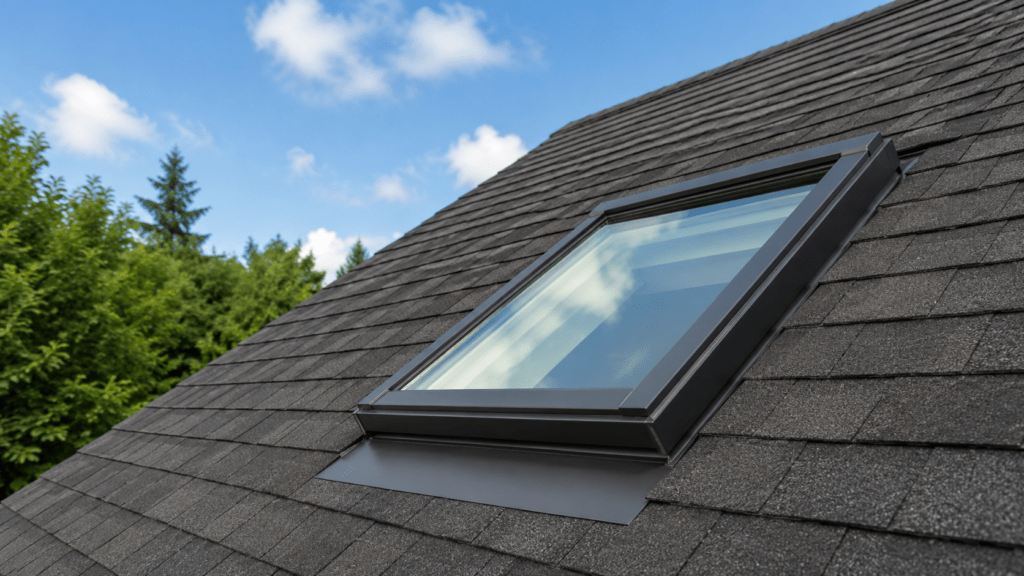
The most common skylight problems homeowners face are leaks, condensation, damaged seals, poor flashing, cracked glass, poor insulation, and installation issues. Skylights can make a home feel brighter and more open, but they also sit directly in the roofing system, where they are exposed to rain, hail, UV rays, wind, debris, and daily temperature changes. Over time, that exposure can wear down the glass, seals, flashing, frame, and the surrounding roof materials.
Many skylight issues start small. A little fog on the glass, a faint water stain near the ceiling, or a slight draft around the frame may not seem urgent at first. For Texas homeowners, these warning signs should not be ignored because heavy rain, hail, high heat, and storm winds can make existing weaknesses worse. The U.S. Department of Energy explains that windows, doors, and skylights can gain and lose heat through glass, framing, solar radiation, and air leakage, which is why skylight performance affects both comfort and energy use inside the home.
Skylights can develop problems because they interrupt the roof surface and must be sealed correctly to keep water, air, heat, and moisture under control. A well-installed skylight works with the roof slope, flashing, underlayment, shingles, insulation, and interior ceiling opening. When one part of that system wears out or was not installed properly, homeowners may start noticing leaks, dripping water, condensation, drafts, or ceiling stains.
Most skylight problems come from installation quality, worn seals, damaged flashing, insulation issues, weather exposure, and age. In Central Texas and the Texas Hill Country, skylights also face strong sun, sudden storms, hail, wind-driven rain, and roof debris, so even a small gap around the skylight can create bigger concerns over time. A professional inspection can help determine whether the issue needs skylight repair, resealing, reflashing, glass replacement, insulation improvement, or full skylight replacement.
For homeowners, the goal is simple: catch the warning signs before a skylight issue turns into interior water damage, mold growth, damaged drywall, flooring problems, or higher energy bills. Legacy Roofing Pros looks at the skylight and the surrounding roof area together because the problem is not always in the glass itself. Sometimes the real issue is the flashing, roof materials, seals, attic ventilation, or the way the skylight was tied into the roofing system.
The most common skylight problems homeowners should watch for are leaks, poor flashing, failed seals, condensation, cracked glass, poor installation, drafts, insulation problems, and unwanted heat gain or heat loss. These issues can affect the comfort of the room below the skylight and may also create moisture problems around the ceiling, drywall, insulation, and nearby roof materials.
A skylight is not just a window in the roof. It is part of a larger roofing system that depends on proper flashing, tight seals, durable glass, correct slope, and solid installation. When any of those parts fail, water and air can find a path into the home. That is why homeowners may notice warning signs such as dripping water, foggy glass, ceiling stains, mildew smells, drafts, or rooms that feel hotter in summer and colder during cooler months.
Skylight problems can come from the glass, flashing, seals, installation, insulation, or nearby roof materials. This table helps homeowners compare the most common issues, what usually causes them, and when it may be time to schedule a professional skylight inspection.
| Skylight Problem | Likely Cause | Signs Homeowners May Notice | Recommended Next Step |
|---|---|---|---|
| Leaks Around the Skylight | Damaged flashing, deteriorated seals, poor installation, small roof gaps, cracked roofing materials, or worn shingles around the skylight. | Ceiling stains, dripping water, soft drywall, bubbling paint, wet insulation, water spots near the opening, or moisture around the roof area. | Schedule a skylight inspection to find the water source before moisture spreads into drywall, insulation, decking, or roof framing. |
| Poor Flashing or Sealing | Loose, damaged, corroded, cracked, or incorrectly installed flashing and sealant around the skylight opening. | Stains near the skylight edge, recurring leaks after storms, drafts, moisture near the frame, or water collecting around the skylight. | Have the flashing, sealant, nearby shingles, underlayment, and skylight frame checked to see if resealing or reflashing is needed. |
| Condensation and Moisture Buildup | Warm indoor air meeting cold skylight glass, high indoor humidity, poor ventilation, weak insulation, or aging skylight glass. | Foggy glass, droplets on the inside surface, damp drywall, mildew smells, mold near the skylight opening, or dripping without rain. | Check ventilation, indoor humidity, insulation, seals, and glass performance to reduce repeated moisture buildup. |
| Poor Installation | Improper fitting, flashing, sealing, underlayment placement, insulation, or roof slope integration during skylight installation. | Repeated water stains, moisture around the frame, drafts, peeling paint, mildew, leaks that return after surface sealing, or wood rot. | Request a full inspection of the skylight, roof materials, flashing, underlayment, attic area, and interior finish. |
| Cracked or Broken Skylight Glass | Hail, falling branches, flying debris, age, thermal movement, storm impact, or direct damage to the roof mounted glass. | Visible cracks, foggy glass, rattling, loosened glass, water inside the frame, increased drafts, or moisture near the skylight opening. | Consider skylight glass replacement if the frame and flashing are sound, or full skylight replacement if the unit is old or repeatedly leaking. |
| Insulation Problems and Drafts | Old skylight materials, weak seals, poor insulation, inefficient glass, or air gaps around the skylight frame. | Hot spots near the skylight, colder air around the frame, higher energy use, drafts, or a room that feels uncomfortable. | Inspect the glass, seals, insulation, and skylight shaft to determine whether sealing, insulation upgrades, or glass replacement is needed. |
| Heat Gain or Heat Loss | Inefficient glass, poor thermal protection, weak insulation, aging skylight materials, or direct Texas sun exposure. | Rooms that feel hotter in summer, colder during cooler months, glare, fading furnishings, or higher cooling and heating demand. | Ask about low-e glass, double-paned glass, window treatments, improved insulation, or a more energy-efficient skylight replacement. |
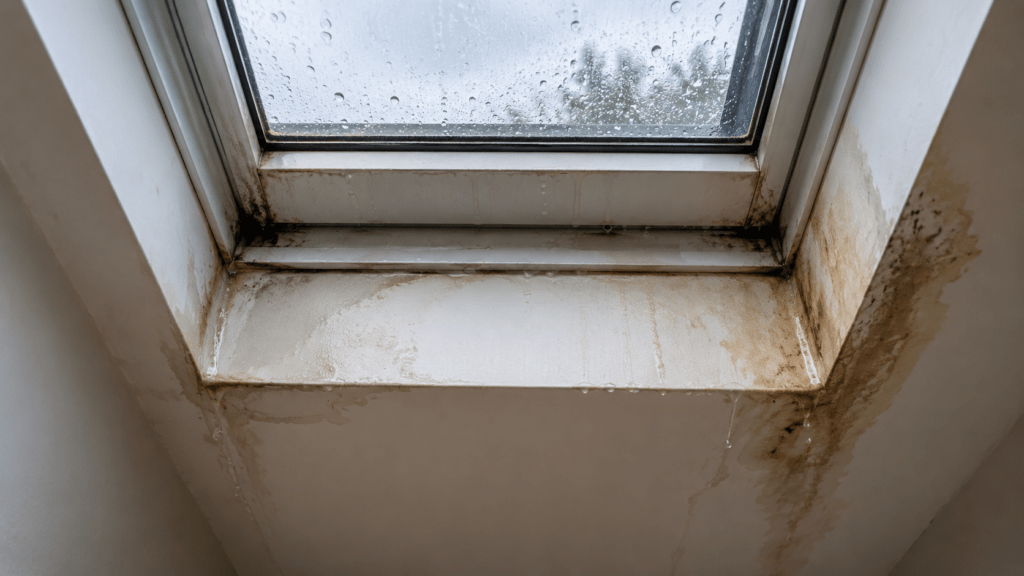
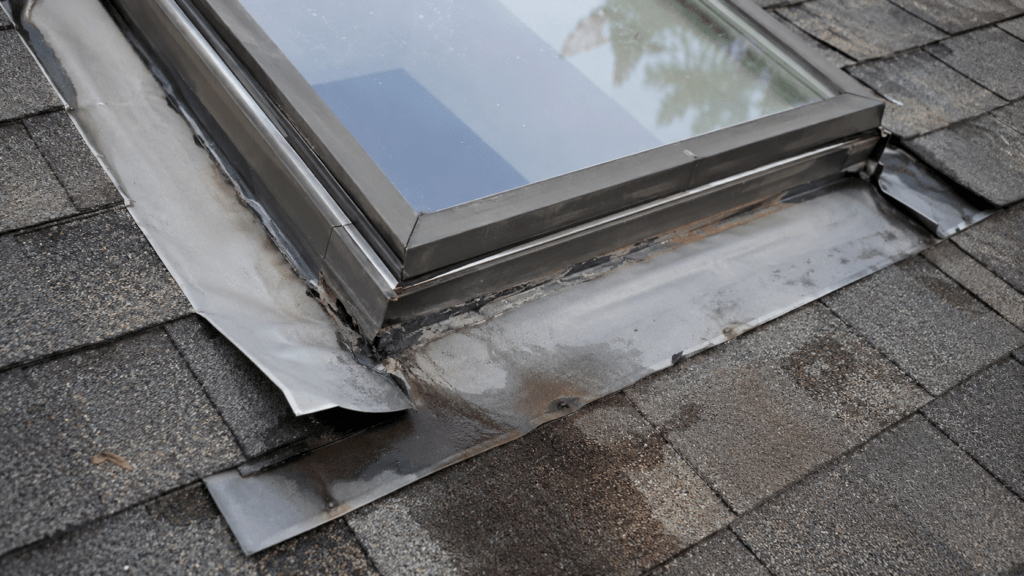
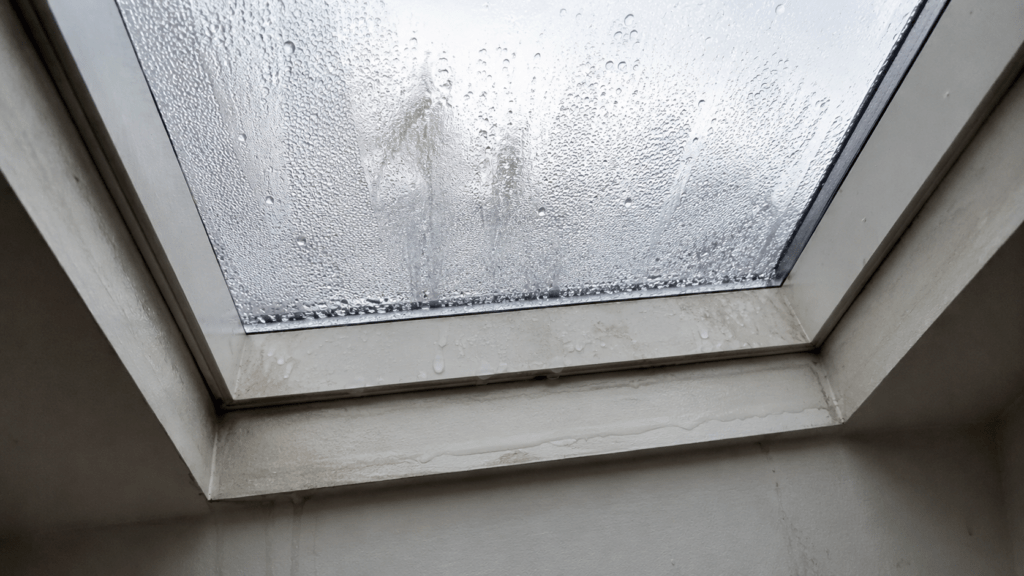
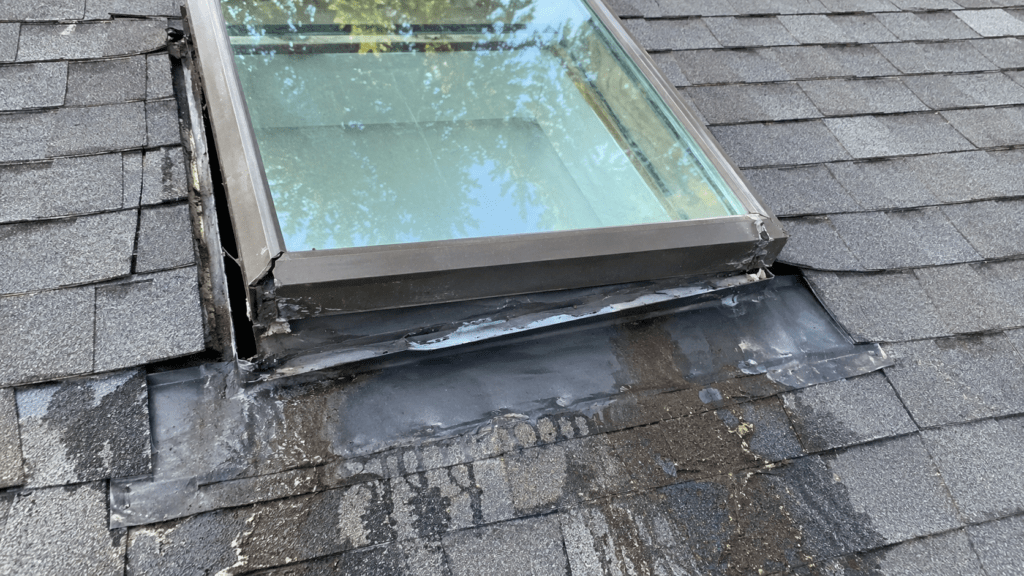
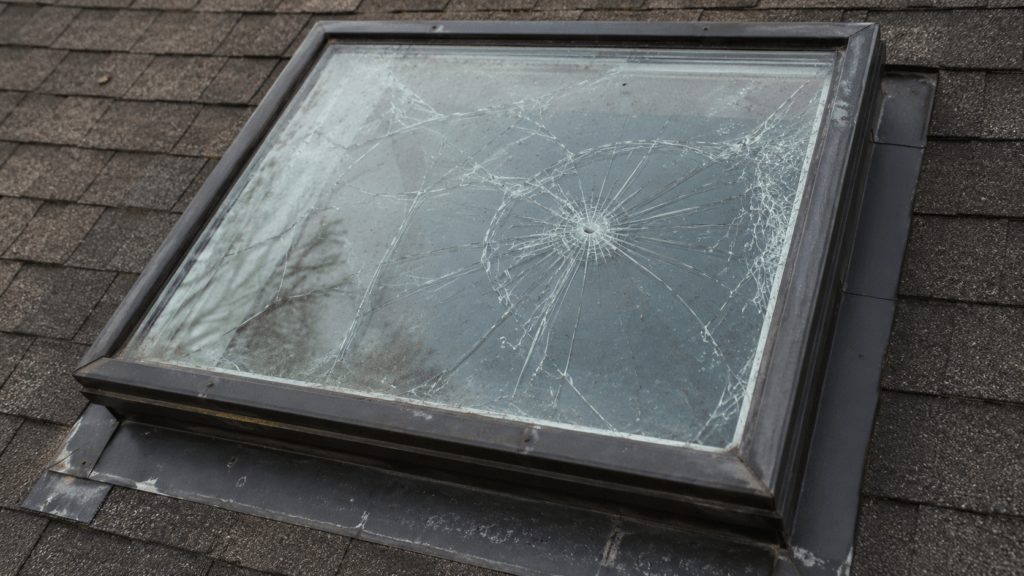
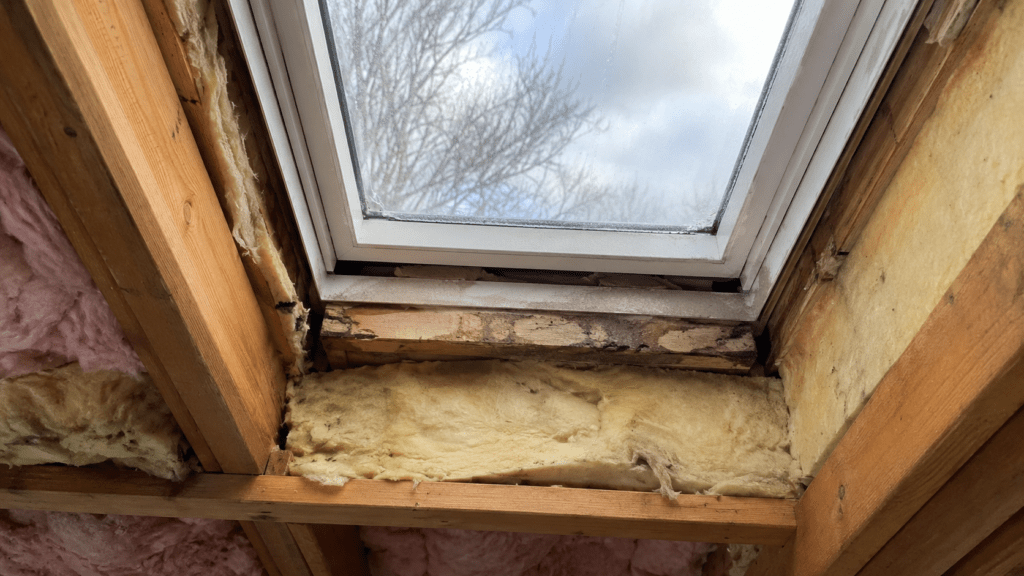
Common skylight problems are easier to manage when homeowners know what warning signs to look for and what may be causing them. A skylight issue may start with a small stain, light fogging, or a minor draft, but those early signs can point to flashing failure, worn seals, cracked glass, poor insulation, or installation concerns.
The table below gives homeowners a simple way to compare the most common skylight issues, likely causes, visible warning signs, and the next step to consider. This can help narrow down the problem, but a professional skylight inspection is still the best way to confirm the source because leaks, condensation, and roof related moisture can sometimes look very similar from inside the home.
| Problem | Likely Cause | Signs Homeowners May Notice | Recommended Next Step |
|---|---|---|---|
| Skylight leaks | Damaged flashing, worn seals, poor installation, or worn roof materials around the skylight | Dripping water, ceiling stains, wet drywall, peeling paint, or moisture near the skylight opening | Schedule a skylight inspection or skylight repair |
| Condensation | Warm indoor air meeting cold skylight glass, high indoor humidity, poor ventilation, or weak insulation | Moisture on the glass, fogging, dripping during colder weather, mildew smells, or damp trim | Check ventilation, insulation, indoor humidity, and skylight seals |
| Poor flashing | Loose, corroded, cracked, or improperly installed flashing around the skylight | Water stains near skylight edges, leaks after rain, damp roof decking, or moisture around the frame | Have the flashing inspected, resealed, or replaced |
| Cracked glass | Hail, debris, falling branches, age, storm impact, or temperature stress | Visible cracks, fogging, leaks, rattling glass, water inside the frame, or increased drafts | Consider skylight glass replacement or full skylight replacement |
| Drafts and energy loss | Old insulation, failed seals, inefficient glass, or gaps around the frame | Hot or cold spots, higher energy bills, uncomfortable rooms, or air movement near the skylight | Inspect the seals, glass type, insulation, and frame area |
| Poor installation | Incorrect flashing, poor roof integration, bad sealing, wrong slope placement, or weak underlayment protection | Recurring leaks, rot, mildew, roof damage, soft drywall, or repeated repair issues | Schedule a professional skylight inspection to diagnose the full system |
This table can help homeowners describe the issue more clearly when speaking with a roofing or skylight professional. For example, water that appears only during rain may point to flashing, seal, or roof material problems, while moisture that appears on the inside glass during colder weather may point to condensation or ventilation issues.
A skylight may be leaking or collecting condensation if water is dripping near the opening, but the source of the moisture is different in each case. A skylight leak usually means outside water is entering through damaged flashing, worn seals, cracked glass, roof gaps, or nearby roofing materials. Condensation usually means indoor moisture is collecting on cold skylight glass because of humidity, poor ventilation, weak insulation, or temperature differences.
Skylight leaks and condensation can both cause dripping, stains, damp drywall, and moisture around the skylight. The main difference is where the water starts. A leak usually comes from outside the roof, while condensation usually starts inside the home.
| What to Check | Signs of a Skylight Leak | Signs of Skylight Condensation |
|---|---|---|
| Moisture source | Outside water enters through damaged flashing, worn seals, cracked glass, roof gaps, or nearby roofing materials. | Indoor moisture collects on cold skylight glass because of humidity, poor ventilation, weak insulation, or temperature changes. |
| When it happens | Water usually appears during rain, after storms, or when wind driven rain pushes water beneath weak roof materials. | Moisture often appears during colder weather, humid indoor conditions, or times when warm air meets cold glass. |
| Where water appears | Water may show near the skylight opening, flashing, roof edges, ceiling stains, or damp drywall. | Water droplets usually appear on the inside surface of the glass, frame, trim, or skylight shaft. |
| Common causes | Damaged flashing, failed seals, cracked glass, poor installation, worn shingles, or storm damage around the skylight. | High indoor humidity, poor airflow, weak insulation, cold glass, bathroom steam, kitchen moisture, or attic ventilation issues. |
| Warning signs | Stains around the skylight, soft drywall, water after rain, leaks that worsen during storms, or moisture near roof edges. | Foggy glass, droplets on the interior pane, dripping without rain, mildew smell, damp trim, or moisture during cold mornings. |
| Possible damage | Leaks can damage drywall, insulation, roof decking, shingles, framing, and interior finishes if water spreads behind surfaces. | Condensation can damage trim, paint, drywall, insulation, and indoor air quality when moisture builds up repeatedly. |
| Recommended next step | Schedule a skylight inspection to check flashing, seals, glass, frame, roof materials, decking, and storm damage. | Check humidity, ventilation, insulation, interior seals, attic airflow, and whether the skylight glass needs an upgrade. |
This difference matters because both problems can damage the same parts of the home. Ceiling stains, damp drywall, mold, mildew, peeling paint, and wet insulation can happen whether the water starts outside the roof or inside the room. For homeowners, the safest approach is to look at when the moisture appears, where the water collects, and whether the problem happens during rain, cold weather, or humid indoor conditions. The content brief also identifies this leak versus condensation comparison as a strong opportunity because many competitor pages mention moisture but do not clearly separate the two problems.
A skylight should be inspected when moisture, drafts, glass damage, seal wear, flashing issues, or comfort changes appear around the opening. These warning signs can point to leaks, condensation, insulation problems, poor installation, aging materials, or storm related damage.
| Warning Sign | What It May Mean | Why It Should Be Checked | Recommended Next Step |
|---|---|---|---|
| Water stains around the skylight | Water may be entering through flashing, seals, glass, roof gaps, or nearby shingles. | Stains can mean moisture has already reached drywall, insulation, or ceiling materials. | Schedule an inspection to trace the source before hidden water damage spreads. |
| Dripping during rain | Rainwater may be getting past damaged flashing, worn sealant, cracked glass, or roof materials around the skylight. | Active dripping can worsen quickly during Texas storms and wind driven rain. | Have the skylight, flashing, roof surface, and underlayment checked as soon as possible. |
| Moisture or fogging on the glass | Indoor humidity, failed glass seals, condensation, or poor ventilation may be causing moisture buildup. | Repeated moisture can affect trim, drywall, insulation, and indoor air quality. | Check the glass, seals, ventilation, insulation, and humidity conditions around the skylight. |
| Mold or mildew near the opening | Moisture may be collecting repeatedly from a leak, condensation issue, or poor airflow. | Mold and mildew can indicate that damp materials are not drying properly. | Inspect the skylight area and surrounding roof system to find the moisture source. |
| Drafts around the frame | Air may be entering through weak seals, gaps, poor insulation, or installation issues. | Drafts can affect comfort and may increase heating or cooling demand. | Have the frame, seals, skylight shaft, and insulation checked for air movement. |
| Higher energy bills | The skylight may be allowing heat gain in summer or heat loss during cooler weather. | Poor thermal performance can make the room below the skylight harder to cool or heat. | Ask about insulation improvements, seal repair, glass upgrades, or skylight replacement options. |
| Cracked or broken glass | Hail, debris, falling branches, age, or thermal movement may have damaged the skylight glass. | Even a small crack can allow water and air to enter the skylight system. | Inspect the glass, frame, flashing, and interior area to decide if glass replacement or full replacement is needed. |
| Loose or damaged flashing | The weather barrier where the skylight meets the roof may be failing. | Flashing problems can let water move beneath shingles and into the roof deck. | Have the flashing, sealant, underlayment, and nearby shingles evaluated for repair or replacement. |
| Deteriorated seals | Sealant may have cracked, shrunk, loosened, or worn down from age, heat, UV rays, or storms. | Weak seals can allow water intrusion, air leaks, fogging, and recurring moisture problems. | Check whether resealing is enough or whether the skylight unit needs a larger repair. |
| Peeling paint or soft drywall | Moisture may be trapped behind the ceiling finish or skylight shaft. | Soft drywall can mean water has been present long enough to weaken interior materials. | Inspect both the inside finish and the exterior skylight system before repainting or patching. |
| Debris buildup around the skylight | Leaves, branches, dirt, or roofing debris may be trapping moisture near the flashing. | Debris can slow drainage and increase the chance of water backing up around the skylight. | Clear debris safely and have the surrounding roof area checked for drainage or flashing issues. |
| Heat gain or heat loss | The skylight may have inefficient glass, weak insulation, worn seals, or poor thermal protection. | Comfort issues can show that the skylight is no longer performing well for the room below. | Review options such as low-e glass, improved insulation, better sealing, or a more efficient skylight replacement. |
Homeowners should repair or replace a skylight based on the skylight’s age, damage level, glass condition, seal performance, flashing condition, and the surrounding roof materials. A targeted repair may work when the issue is isolated, while replacement may be the better choice when the skylight is older, repeatedly leaking, inefficient, or damaged beyond a simple fix.
| What to Check | Repair May Be Enough When | Replacement May Be Better When | Why It Matters |
|---|---|---|---|
| Age of the skylight | The skylight is newer and still in good overall condition. | The skylight is older and has recurring problems with leaks, drafts, fogging, or poor performance. | Older skylights may have worn materials that no longer seal or insulate as well as they should. |
| Leak source | The leak comes from a small seal gap, minor flashing issue, or isolated maintenance problem. | The leak keeps returning after repairs or appears to come from the frame, glass, flashing system, or roof opening. | Repeated leaks can point to a deeper problem that a surface repair may not solve. |
| Flashing condition | The flashing is mostly sound but needs resealing, adjustment, or minor repair. | The flashing is loose, corroded, poorly installed, badly damaged, or tied into damaged roof materials. | Flashing protects the connection between the skylight and the roof, so failure can allow water beneath shingles. |
| Seal condition | The sealant is worn in a small area and the skylight frame is still stable. | The seals are badly deteriorated, repeatedly failing, or allowing water, drafts, or fogging to return. | Weak seals can allow both moisture and air movement around the skylight opening. |
| Glass condition | The glass is intact, clear, secure, and not showing cracks or major seal failure. | The glass is cracked, broken, foggy between panes, loose, or no longer insulating well. | Damaged glass can affect water protection, comfort, energy performance, and safety. |
| Frame condition | The frame is stable, properly seated, and only needs minor adjustment or sealing. | The frame is warped, rotted, corroded, loose, or poorly fitted into the roof opening. | A damaged frame can make leaks and drafts return even after sealant or flashing repairs. |
| Surrounding roof materials | The shingles, underlayment, decking, and nearby roof area are still in good condition. | The surrounding shingles, underlayment, decking, or roof structure show water damage, rot, or wear. | A skylight repair may not last if the roof materials around the opening are already compromised. |
| Condensation or ventilation issues | The moisture problem is tied to humidity, poor airflow, or minor insulation gaps that can be corrected. | The skylight continues to collect moisture because of poor glass performance, weak insulation, or aging materials. | Repeated condensation can still damage drywall, trim, insulation, and indoor air quality over time. |
| Energy efficiency | The skylight only needs better sealing, insulation improvement, or a minor ventilation correction. | The skylight causes regular heat gain in summer, heat loss in cooler weather, drafts, or comfort problems. | A better sealed and more energy efficient skylight can help improve comfort in Texas homes. |
| Best next step | Choose repair when the problem is limited and the skylight system is still dependable. | Choose replacement when repairs are no longer solving the problem or the skylight is causing ongoing risk. | A full inspection helps homeowners avoid guessing and choose the option that protects the roof, ceiling, and home interior. |
Legacy Roofing Pros can help homeowners find out whether a skylight problem is caused by a leak, condensation, flashing damage, failed seals, cracked glass, or poor installation. Many skylight issues look similar from inside the home, especially when the first sign is dripping water, ceiling stains, foggy glass, or damp drywall. The real source may be in the skylight glass, frame, flashing, surrounding shingles, attic ventilation, insulation, or roof materials around the opening.
Not sure whether your skylight problem is a leak, condensation, or flashing issue? Legacy Roofing Pros can inspect your skylight, surrounding roof materials, seals, flashing, and interior warning signs so you can understand what is happening and what repair option makes sense. Our team provides free roof inspections, clear recommendations, and practical guidance so homeowners can make informed decisions without pressure.
Legacy Roofing Pros offers roof skylight repair services for leak repair, glass replacement, flashing and seal replacement, frame repair, full skylight replacement, insulation improvements, condensation fixes, ventilation repair, cleaning, maintenance, and storm damage repair. If your skylight was damaged by hail, loosened by wind, affected by age, or causing moisture inside your home, scheduling an inspection is the best next step. A careful inspection can help protect your ceiling, roof system, insulation, and living space before the problem spreads.
Leaks are one of the most common skylight problems homeowners face. They are often caused by damaged flashing, deteriorated seals, poor installation, cracked roof materials, or worn shingles around the skylight.
A leak may start as a small ceiling stain or occasional drip, but it can spread into drywall, insulation, trim, and nearby roof decking if the source is not repaired. Homeowners should schedule an inspection when water appears around the skylight, especially after rain or storms.
A skylight may be leaking because of failed seals, flashing problems, cracked glass, roof damage, or improper installation. Since the skylight is built into the roof surface, any weak point around the frame can allow rainwater to enter.
The leak does not always come from the skylight glass itself. Water can also enter through nearby shingles, gaps in the flashing, damaged underlayment, or worn sealant around the skylight. A professional inspection can locate the source before repairs are made.
A skylight may be leaking if dripping happens during or after rain, while moisture on the inside glass during cold or humid conditions may point to condensation. Both problems can look similar because both can cause water to collect near the skylight opening.
Condensation usually comes from warm indoor air meeting colder skylight glass. A leak usually comes from outside water entering through flashing, seals, glass, or roof materials. Homeowners should avoid guessing because both issues can damage drywall, paint, trim, and insulation.
Yes, damaged skylight seals can increase energy bills because they may allow air movement and reduce insulation performance. When a skylight seal fails, conditioned air can escape and outdoor air can enter, making the room harder to heat or cool.
Homeowners may notice drafts, hot spots, cold spots, or higher energy use when seals, glass, or insulation around the skylight are no longer performing well. Repairing seals, improving insulation, or upgrading the skylight may help improve comfort and energy performance.
Skylight glass can crack because of hail, flying debris, falling branches, age, temperature movement, or storm impact. Since skylights face upward on the roof, they are more exposed to direct impact than standard vertical windows.
Even a small crack should be checked because it can create a path for water, air, and moisture. Depending on the damage, the solution may involve glass replacement, frame repair, seal repair, or full skylight replacement.
Skylights should be inspected during routine roof maintenance, after major storms, or anytime warning signs appear. Homeowners should also have skylights checked when they notice leaks, fogging, drafts, cracked glass, loose flashing, or stains around the ceiling opening.
Annual roof maintenance is a practical schedule for many homeowners because it allows a roofing professional to check the skylight, seals, flashing, roof materials, ventilation, and insulation together. This can help catch small problems before they become costly repairs.
Yes, poor installation can cause skylight leaks because it can create gaps, flashing issues, seal problems, and roof integration problems that allow water to enter. A skylight must be installed with the roof slope, underlayment, flashing, shingles, and interior finish in mind.
When installation is not done correctly, homeowners may see recurring leaks, damp drywall, mildew, rot, drafts, or water stains around the skylight. A professional skylight inspection can determine whether the problem comes from installation, aging materials, storm damage, or another roofing issue.
Older or poorly insulated skylights can contribute to heat loss in winter, especially when seals, glass, frames, or insulation are worn. A skylight with air leakage or inefficient glass can make the room below feel colder during cooler weather.
Modern skylight options, proper sealing, better insulation, low-e glass, double-paned glass, triple-paned glass, and window treatments can help improve comfort. A roofing professional can inspect the skylight area and recommend whether repair, insulation improvement, glass replacement, or full replacement makes the most sense.
CONTACT US TODAY!
Fill out the form below to schedule your free roof inspection with Legacy Roofing Pros, and our team will check your skylight, surrounding roof materials, seals, flashing, and interior warning signs so you can understand what is happening and what repair option makes sense.
Tell us what’s going on and our team will follow up quickly.