How Long Can You Leave a Leaking Roof?
Find out how long you can leave a leaking roof before serious damage occurs. Learn the risks, warning signs, and why quick action helps protect your home and reduce repair costs.
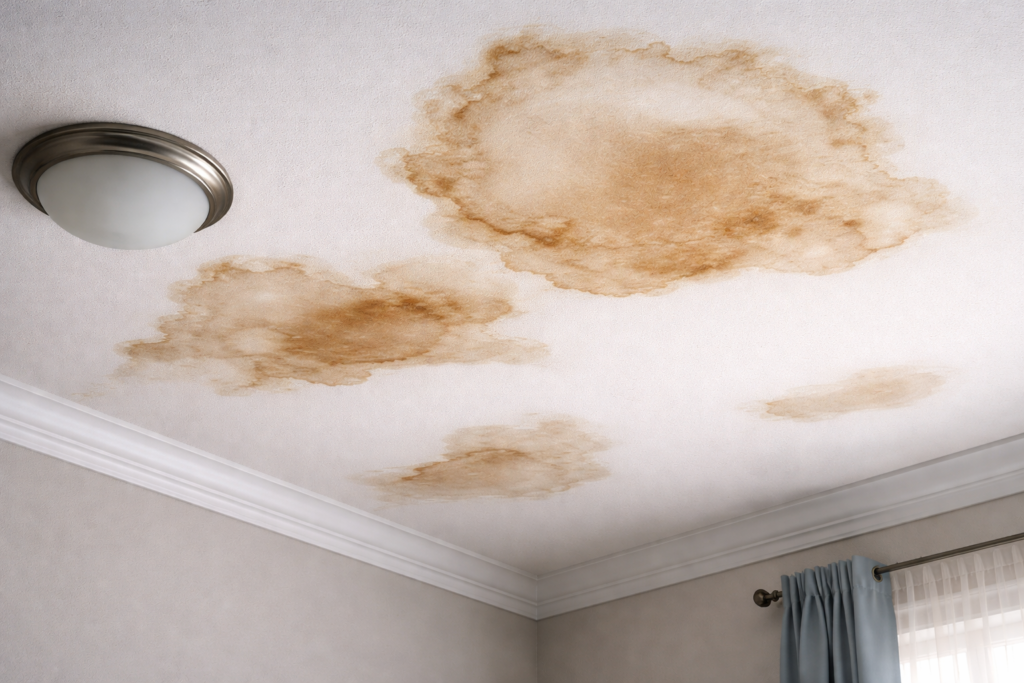
You should not leave a leaking roof unattended for more than a few days. Acting within a week helps prevent water damage, mold growth, structural problems, and rising repair costs.
A roof leak may seem small at first, but it can quickly spread beyond the visible area. Water can travel through insulation, ceiling materials, and walls, creating hidden damage that becomes harder and more expensive to fix over time.
Many homeowners hope the issue will resolve or stay contained, especially after a minor storm. That approach often leads to bigger problems. Moisture buildup can weaken wood decking, stain ceilings, damage electrical systems, and create conditions where mold begins to grow.
Fast action gives you more control over the situation. A quick inspection can determine whether the issue is a simple repair or something that needs more attention. Taking care of a leak early protects your home, reduces stress, and helps you avoid unexpected costs later.
What Happens When a Roof Starts Leaking?
A leaking roof allows water to enter your home, leading to damage that spreads quickly beyond the initial problem area. Even a small leak can affect multiple parts of the home if it is not addressed right away.
Water often travels along rafters, insulation, and interior surfaces, which makes the source of the leak harder to identify. Stains on ceilings or walls may only show a fraction of the actual damage happening above. Over time, trapped moisture can weaken wood structures, reduce insulation effectiveness, and create an environment where mold can grow.
The longer the leak continues, the more it impacts your home’s overall condition. Structural components may begin to deteriorate, indoor air quality can decline, and repair costs increase as more areas are affected. Acting early helps limit the damage and keeps the repair process more manageable.
A leaking roof allows water to enter your home, leading to damage that spreads quickly beyond the initial problem area. Even a small leak can affect multiple parts of the home if it is not addressed right away.
Water often travels along rafters, insulation, and interior surfaces, which makes the source of the leak harder to identify. Stains on ceilings or walls may only show a fraction of the actual damage happening above. Over time, trapped moisture can weaken wood structures, reduce insulation effectiveness, and create an environment where mold can grow.
The longer the leak continues, the more it impacts your home’s overall condition. Structural components may begin to deteriorate, indoor air quality can decline, and repair costs increase as more areas are affected. Acting early helps limit the damage and keeps the repair process more manageable.
What Are the Immediate Effects of a Leaking Roof?
A leaking roof can quickly cause water damage inside your home, trigger mold and mildew growth, and weaken structural components. These issues can begin within a short period after the leak starts.
Water entering your home often leads to stained ceilings, peeling paint, warped drywall, and potential electrical concerns. Moisture does not stay in one place, which means the visible damage may only be a small part of the overall problem. Mold and mildew can begin forming within 24 to 48 hours, which may affect indoor air quality and lead to allergy or respiratory concerns.
Structural materials such as wood decking and framing can also absorb moisture, causing them to weaken over time. This can lead to sagging areas and more extensive repairs if the issue continues.
A quick inspection can help you spot early warning signs. Look for discoloration on ceilings and walls, musty odors, or visible mold growth. Contacting a professional roofer as soon as these signs appear can help limit the damage and prevent the situation from getting worse.
What Are the Long-Term Consequences of a Leaking Roof?
A leaking roof can quickly cause water damage inside your home, trigger mold and mildew growth, and weaken structural components. These issues can begin within a short period after the leak starts.
Water entering your home often leads to stained ceilings, peeling paint, warped drywall, and potential electrical concerns. Moisture does not stay in one place, which means the visible damage may only be a small part of the overall problem. Mold and mildew can begin forming within 24 to 48 hours, which may affect indoor air quality and lead to allergy or respiratory concerns.
Structural materials such as wood decking and framing can also absorb moisture, causing them to weaken over time. This can lead to sagging areas and more extensive repairs if the issue continues.
A quick inspection can help you spot early warning signs. Look for discoloration on ceilings and walls, musty odors, or visible mold growth. Contacting a professional roofer as soon as these signs appear can help limit the damage and prevent the situation from getting worse.
What Factors Affect How Long You Can Leave a Leaking Roof?
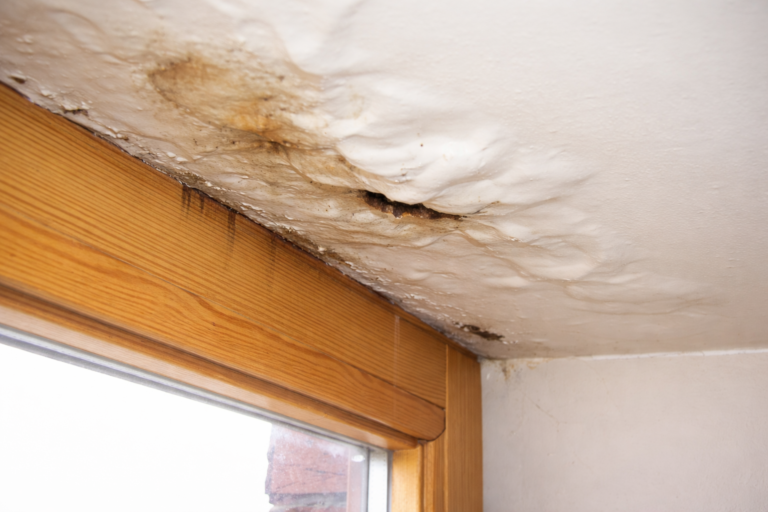
The time you can leave a leaking roof depends on the severity of the leak, weather conditions, roofing materials, the age of the roof, and how quickly repairs are made.
Several key factors influence how fast damage develops:
- Severity of the Leak
A minor drip may seem manageable for a short time, but a larger or active leak can spread quickly and cause immediate interior damage. - Weather Conditions
Ongoing rain, storms, and humidity can accelerate damage. Homes in Texas often face sudden heavy storms, which can turn a small issue into a major problem within hours. - Roofing Materials
Different materials respond differently to water exposure. Asphalt shingles, metal, tile, and synthetic systems each have varying levels of resistance to moisture. - Age and Condition of the Roof
Older roofs or those with existing wear are more vulnerable. Small leaks can expand faster when materials have already weakened over time. - Speed of Response and Repairs
Quick action can limit damage to a small repair. Delays often allow water to spread deeper into the structure, increasing the scope and cost of repairs.
Each of these factors affect how quickly a leak becomes a serious issue. Paying attention to these conditions can help you act early and protect your home from avoidable damage.
How Does the Severity of the Leak Affect Repair Time?
The severity of the leak determines how quickly repairs need to be made and how extensive those repairs will be. Small leaks may allow for short term solutions, while larger leaks require immediate attention.
Minor leaks, such as occasional drips, can sometimes be managed briefly with temporary measures like a tarp or sealant. These solutions only slow down the problem and do not fix the underlying issue. Water can still spread beneath the surface and cause hidden damage.
More severe leaks that allow steady or heavy water intrusion need urgent professional repair. These situations can quickly affect insulation, ceilings, electrical systems, and structural components, leading to more complex and costly repairs.
You can assess the severity by looking at how much water is entering your home and how quickly the damage is spreading. Temporary measures can help reduce immediate impact for small leaks, but scheduling a professional inspection as soon as possible ensures the problem is properly identified and resolved.
How Does the Type of Roofing Material Affect Leak Repairs?
The type of roofing material affects how leaks develop, how quickly damage spreads, and the type of repair needed. Each material responds differently to water, weather, and wear over time.
Asphalt shingles are more prone to damage from wind, hail, and aging, which can lead to faster leak development. Metal roofs tend to resist water penetration better, but leaks can still occur around seams, fasteners, or flashing. Tile roofs handle heat well but can crack or shift, allowing water to enter beneath the surface. Synthetic materials offer durability but still require proper installation and maintenance to prevent leaks.
Each roofing system has its own repair approach. Some materials allow for simple spot repairs, while others may require more detailed work to ensure proper sealing and protection.
Identifying your roofing material helps you understand its common issues and maintenance needs. Regular inspections and timely repairs based on your specific roof type can help extend its lifespan and reduce the risk of leaks turning into larger problems.
What Signs Indicate You Need Immediate Roof Repair?
You need immediate roof repair if you notice active leaks, water stains, mold growth, sagging areas, or visible roof damage. These signs often mean the problem is already affecting multiple parts of your home.
Several warning signs should not be ignored:
- Active Water Leaks
Water dripping from the ceiling or running down walls is a clear sign that the roof is allowing moisture inside. - Ceiling Stains and Discoloration
Brown spots, yellow stains, or peeling paint often indicate ongoing water intrusion. - Mold or Mildew Growth
Musty odors or visible mold patches suggest moisture has been present for some time. - Sagging Roof or Ceiling Areas
Soft or sagging spots may point to trapped water weakening structural materials. - Missing, Cracked, or Lifted Shingles
Visible damage on the roof surface can create openings where water enters. - Granules in Gutters
Excess shingle granules may signal that your roof is aging and becoming more vulnerable to leaks. - Sudden Increase in Energy Bills
Poor insulation caused by moisture can affect indoor temperature and efficiency.
Noticing any of these signs means it is time to act quickly. Prompt attention can prevent further damage and help keep repair costs under control.
What Are the Visible Signs You Need Immediate Roof Repair?
Visible water stains, active drips, and discoloration on ceilings or walls are clear signs that you need immediate roof repair. These indicators usually mean water is already entering your home and causing damage.
Stains may appear as brown or yellow spots, while peeling paint or bubbling drywall can signal ongoing moisture exposure. Active dripping during or after rain is a strong warning that the issue is progressing. Discoloration often spreads over time, which suggests the problem is not contained to one area.
Ignoring these signs can lead to more extensive interior damage and higher repair costs. Water can travel beyond what you see, affecting insulation, framing, and other hidden areas.
Check ceilings, walls, and corners regularly for changes in color or texture. Use a flashlight in darker areas to spot moisture or damp spots. Contact a professional roofer as soon as you notice any of these signs to prevent the damage from getting worse.
What Structural Signs Indicate the Need for Repair?
Sagging areas, uneven roof lines, and cracked or missing shingles are strong signs that your roof may have structural damage. These issues often mean the problem goes beyond the surface and is affecting the underlying support system.
A sagging roof or ceiling can indicate that moisture has weakened the decking or framing. This type of damage can worsen over time and may lead to more serious structural concerns if not addressed. Uneven areas along the roofline can also suggest that parts of the structure are no longer properly supported.
Cracked, curled, or missing shingles expose the layers beneath your roof, allowing water to enter and spread. Once water reaches the decking, it can lead to rot and further weaken the structure.
Inspect your roofline from the ground for any dips or irregular shapes, and check for damaged or missing shingles. If you notice any of these signs, schedule a professional inspection to identify the extent of the damage and determine the right repair approach.
What Health Hazard Indicators Suggest Immediate Roof Repair?
Mold growth, mildew buildup, and musty odors are clear health related signs that your roof needs immediate repair. These conditions often mean moisture has been present long enough to affect indoor air quality.
Mold and mildew can develop quickly in damp areas such as attics, ceilings, and wall cavities. Once they spread, they can trigger allergy symptoms, respiratory issues, and other health concerns, especially for children, older adults, or anyone with existing sensitivities.
A musty smell is often one of the first signs of hidden moisture. Even if visible damage is limited, that odor can indicate water is trapped behind walls or above ceilings.
Pay attention to unusual smells and check for visible signs of mold or mildew in areas prone to moisture. Contact a professional roofer to address the source of the leak and consider a mold specialist if growth is already present. Acting early helps protect both your home and your health.
What Happens If You Delay Roof Repairs?
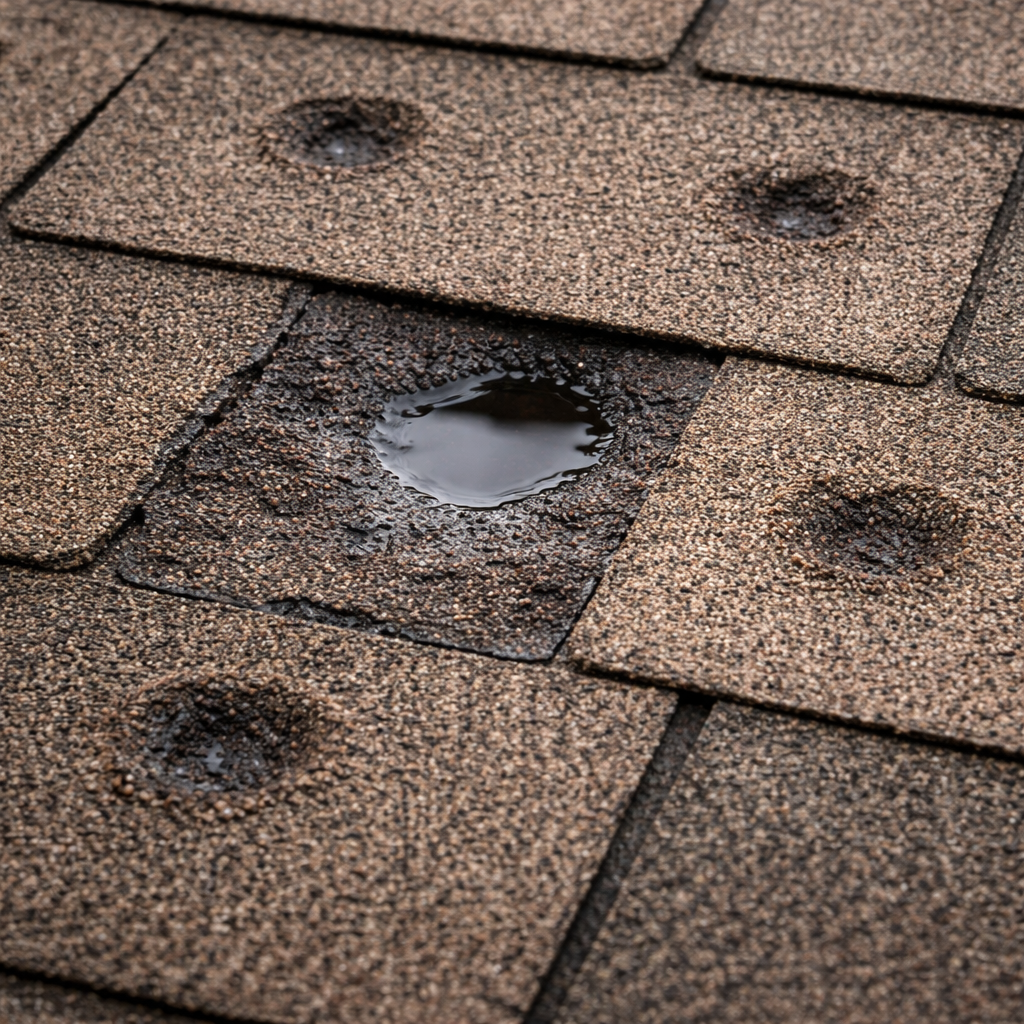
Delaying roof repairs can lead to increased damage, higher repair costs, and risks to your home’s structure and indoor environment. What starts as a small issue can quickly grow into a much larger and more expensive problem.
Water continues to spread the longer a leak is left untreated. It can move through insulation, ceilings, and walls, affecting areas far from the original source. This often results in hidden damage that becomes harder to detect and repair.
Repair costs also rise over time. A simple fix may turn into a partial or full roof replacement if structural components become weakened. Interior repairs may also be needed for drywall, flooring, and electrical systems.
Health concerns can develop as moisture creates conditions for mold and mildew growth. Poor indoor air quality can affect comfort and well being, especially in enclosed spaces.
Acting early helps limit the extent of the damage and keeps repair costs more manageable. Prompt repairs protect your home and reduce the stress that comes with unexpected issues.
How Does Delaying Roof Repairs Increase Costs?
Delaying roof repairs increases costs by allowing minor issues to grow into larger problems that require more extensive work. What could have been a simple repair can turn into a major project if water damage continues.
Small leaks can spread into insulation, ceilings, and structural components. As moisture builds up, materials begin to weaken, leading to rot, mold growth, and interior damage. Repairing multiple affected areas costs significantly more than fixing the original issue early.
Delays can also complicate insurance claims. Ongoing damage that appears to result from neglect may not be covered, which can leave homeowners responsible for a larger portion of the cost.
Addressing leaks as soon as they are discovered helps keep repairs manageable. Keeping records of inspections and maintenance also supports timely action and ensures your roof stays in good condition over time.
How Does a Leaking Roof Affect Property Value?
A leaking roof lowers property value by causing visible damage and raising concerns about the home’s overall condition. Buyers often see roof issues as a sign of deeper problems.
Water stains, mold, and damaged ceilings reduce the visual appeal of a home and make it harder to attract serious buyers. Many buyers expect a roof to be in good condition, and visible leaks can lead to lower offers or requests for costly repairs before closing.
A leaking roof also creates uncertainty. Potential buyers may worry about hidden structural damage, future repair costs, and ongoing maintenance issues. This can delay the sale or reduce the number of interested buyers.
Keeping your roof in good condition helps protect both the appearance and function of your home. Regular inspections and timely repairs can maintain property value and make your home more appealing when it is time to sell.
What Are the Best Practices for Roof Maintenance to Avoid Leaks?
The best practices for roof maintenance to avoid leaks include regular inspections, prompt repairs, proper cleaning, and monitoring for early signs of damage. Consistent care helps extend the life of your roof and reduces the risk of costly problems.
A proactive approach makes a big difference:
- Schedule Regular Roof Inspections
Have your roof checked at least once a year and after major storms. Inspections help identify small issues before they turn into larger repairs. - Address Repairs Quickly
Fixing minor problems early prevents water from spreading and causing more damage. Small repairs are easier and more affordable when handled right away. - Keep Gutters and Drainage Clear
Clogged gutters can cause water to back up onto the roof. Keeping them clean allows proper water flow and reduces the risk of leaks. - Watch for Early Warning Signs
Look for missing shingles, granule loss, discoloration, or soft spots. Catching these signs early can prevent more serious damage. - Trim Overhanging Branches
Branches can scrape roofing materials and drop debris that traps moisture. Keeping them trimmed helps protect the roof surface. - Maintain Proper Ventilation and Insulation
Balanced airflow in the attic helps regulate temperature and moisture levels, which supports the overall health of your roof.
Following these practices helps you stay ahead of potential issues. Regular maintenance keeps your roof performing well and protects your home over the long term.
How Often Should You Inspect Your Roof?
You should inspect your roof at least twice a year, ideally in the spring and fall, along with additional checks after major storms. Regular inspections help catch small issues before they turn into costly repairs.
Seasonal changes can affect your roof in different ways. Spring inspections help identify damage from winter weather, while fall inspections prepare your roof for colder conditions or heavy rain. Storms with high winds or hail can also create sudden damage that should be checked as soon as possible.
Look for signs such as cracked or missing shingles, loose flashing, debris buildup, and any visible wear. Interior checks are also helpful, especially for spotting ceiling stains or moisture in the attic.
A professional roofer can provide a more detailed assessment and identify issues that are not visible from the ground. Scheduling routine inspections keeps your roof in good condition and helps you stay ahead of potential problems.
Why Should You Call Professional Roofers for Repairs?
Calling a professional roofer ensures the problem is correctly identified and repaired, which helps prevent further damage and protects your home. Experienced contractors understand how to address both visible issues and hidden damage.
Roof leaks often involve more than what you can see from the surface. A professional can inspect the full roofing system, including flashing, underlayment, and ventilation areas, to find the true source of the problem. Proper repairs help prevent recurring leaks and reduce the risk of larger structural issues.
Working with a qualified contractor also helps protect your investment. Licensed and insured professionals follow proper installation and safety practices, which can support warranty requirements and avoid complications with insurance claims.
Take time to choose a contractor with a strong reputation, verified credentials, and positive customer feedback. A reliable professional provides clear communication, thorough inspections, and lasting repair solutions that give you confidence in your roof’s performance.
What Preventive Measures Can You Take to Avoid Roof Leaks?
Preventive measures such as maintaining gutters, clearing debris, and protecting vulnerable areas can help reduce the risk of roof leaks. Consistent upkeep keeps water flowing properly and prevents buildup that can lead to damage.
Clogged gutters and downspouts can cause water to back up onto the roof, increasing the chance of leaks. Keeping them clean allows water to drain away from your home as intended. Installing gutter guards can also help limit debris buildup and reduce the need for frequent cleaning.
Overhanging branches can scrape roofing materials and drop leaves that trap moisture. Trimming trees around your home helps protect the roof surface and reduces the risk of damage during storms.
Regular maintenance and simple preventive steps go a long way in protecting your roof. Staying ahead of these small tasks helps you avoid bigger issues and keeps your roof performing well over time.
What Should Homeowners, Renters, and Commercial Property Owners Do If They Notice a Roof Leak?
Homeowners, renters, and commercial property owners should act quickly by identifying warning signs, limiting immediate damage, and contacting a professional for inspection and repair. Fast action helps control damage, reduce costs, and protect the property.
Start by checking for visible signs such as water stains, active drips, or musty odors. If water is entering the space, place containers to catch the leak and move furniture, equipment, or valuables away from the affected area. This step helps minimize interior damage while repairs are arranged.
Homeowners should schedule a professional roof inspection right away. A roofer can locate the source of the leak and recommend the proper repair. Keeping records of inspections and maintenance helps track the condition of the roof and supports long term care.
Renters should report the issue to their landlord or property manager as soon as possible. Sharing photos and clear details can help speed up the response and ensure the problem is documented.
Commercial property owners should take immediate steps to protect operations and assets. Check for leaks around equipment, inventory, and high traffic areas. Temporary measures can help reduce disruption, but a professional inspection is needed to fully address the issue and prevent further damage.
Taking prompt action, maintaining clear communication, and scheduling regular inspections help prevent small leaks from becoming larger problems.
Why Is It Important to Address a Leaking Roof Promptly?
Addressing a leaking roof quickly helps prevent extensive damage and keeps repair costs from increasing. Early action limits how far water can spread and reduces the risk of larger structural issues.
Hiring a professional roofer ensures the problem is identified correctly and repaired with the right approach. Proper repairs help prevent recurring leaks and protect key areas such as decking, insulation, and interior finishes.
Delays often lead to more expensive repairs as moisture continues to affect multiple parts of the home. What could have been a simple fix may turn into a larger project involving structural work and interior restoration.
Regular maintenance and prompt attention to leaks help preserve the condition of your roof. Staying proactive protects your home, supports long term value, and gives you peace of mind.
When Should You Schedule a Roof Inspection and Repair Leaks?
You should schedule a roof inspection as soon as you notice a leak or any signs of damage. Acting quickly helps prevent further issues and keeps repairs more manageable.
Small leaks can escalate fast, especially during storms or continued exposure to moisture. Early inspections allow a professional to identify the source of the problem and recommend the right solution before damage spreads.
Waiting too long can lead to interior damage, mold growth, and higher repair costs. Prompt repairs help protect your home, your belongings, and the overall condition of your roof.
Contact a professional roofing service as soon as you notice any warning signs. Regular inspections and timely repairs help keep your home safe, dry, and well maintained over time.
What Should Homeowners, Renters, and Commercial Property Owners Do If They Notice a Roof Leak?
You should schedule a roof inspection as soon as you notice a leak or any signs of damage. Acting quickly helps prevent further issues and keeps repairs more manageable.
Small leaks can escalate fast, especially during storms or continued exposure to moisture. Early inspections allow a professional to identify the source of the problem and recommend the right solution before damage spreads.
Waiting too long can lead to interior damage, mold growth, and higher repair costs. Prompt repairs help protect your home, your belongings, and the overall condition of your roof.
Contact a professional roofing service as soon as you notice any warning signs. Regular inspections and timely repairs help keep your home safe, dry, and well maintained over time.
When Should You Schedule a Roof Inspection and Repair Leaks?
Addressing a leaking roof quickly helps prevent extensive damage and keeps repair costs from increasing. Early action limits how far water can spread and reduces the risk of larger structural issues.
Hiring a professional roofer ensures the problem is identified correctly and repaired with the right approach. Proper repairs help prevent recurring leaks and protect key areas such as decking, insulation, and interior finishes.
Delays often lead to more expensive repairs as moisture continues to affect multiple parts of the home. What could have been a simple fix may turn into a larger project involving structural work and interior restoration.
Regular maintenance and prompt attention to leaks help preserve the condition of your roof. Staying proactive protects your home, supports long term value, and gives you peace of mind.
Why Is It Important to Address a Leaking Roof Promptly?
Homeowners, renters, and commercial property owners should act quickly by identifying warning signs, limiting immediate damage, and contacting a professional for inspection and repair. Fast action helps control damage, reduce costs, and protect the property.
Start by checking for visible signs such as water stains, active drips, or musty odors. If water is entering the space, place containers to catch the leak and move furniture, equipment, or valuables away from the affected area. This step helps minimize interior damage while repairs are arranged.
Homeowners should schedule a professional roof inspection right away. A roofer can locate the source of the leak and recommend the proper repair. Keeping records of inspections and maintenance helps track the condition of the roof and supports long term care.
Renters should report the issue to their landlord or property manager as soon as possible. Sharing photos and clear details can help speed up the response and ensure the problem is documented.
Commercial property owners should take immediate steps to protect operations and assets. Check for leaks around equipment, inventory, and high traffic areas. Temporary measures can help reduce disruption, but a professional inspection is needed to fully address the issue and prevent further damage.
Taking prompt action, maintaining clear communication, and scheduling regular inspections help prevent small leaks from becoming larger problems.
CONTACT US TODAY!
Legacy Roofing Pros specializes in identifying and repairing roof leaks before they turn into major problems.
Don’t let a small leak compromise the safety and integrity of your home. Schedule your free roof leak inspection now, and our team of experienced professionals will thoroughly assess your roof, provide a detailed report, and recommend the best solutions to keep your home safe and dry.
We are offering a free roof inspection and consultation to help you determine the best roofing solutions for your needs. Our experts will thoroughly inspect your roof, provide a detailed assessment, and recommend the best options for repair, replacement, or upgrade.
Fill out the form below to schedule your FREE ROOF INSPECTION today!
Message Request
Tell us what’s going on and our team will follow up quickly.