
Monday to Friday
Drop your queries
Round Rock, TX 78681,
United States
Head Office
Texas weather can be tough on roofs. Learn the differences between asphalt shingles, metal, tile, wood, slate, synthetic, and flat roofs. Compare durability, cost, and performance so you can choose the right roof for your home with confidence.
Choosing the right roof type for your home in Texas is a critical decision that affects not only the aesthetic appeal of your property but also its durability, energy efficiency, and overall performance.
The climate in Texas is highly varied, with hot summers, occasional cold winters, heavy rains, and the potential for hurricanes and tornadoes in certain areas. Therefore, selecting a roofing material that can withstand these diverse weather conditions is essential for ensuring the longevity and protection of your home.
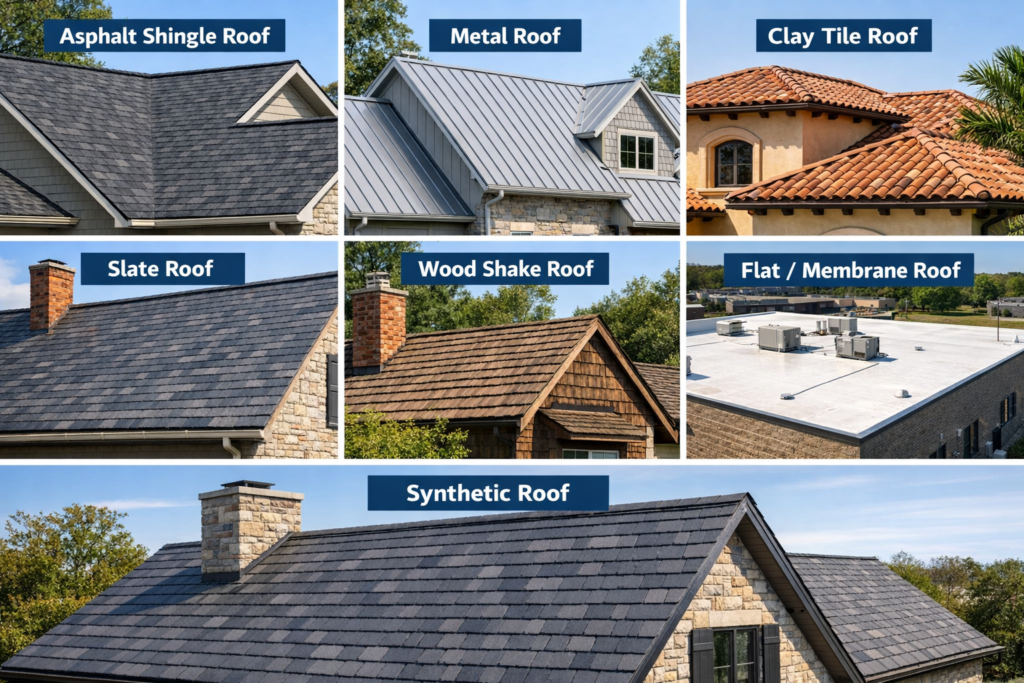
In Texas, homeowners have a variety of roofing options to choose from, each with its unique set of advantages and disadvantages. Some of the most common roof types include asphalt shingles, metal roofing, tile roofing, wood shingles and shakes, slate roofing, and flat roofing.
Each of these roof types offers distinct benefits in terms of durability, energy efficiency, and aesthetic appeal, making it crucial to understand their characteristics to make an informed decision.
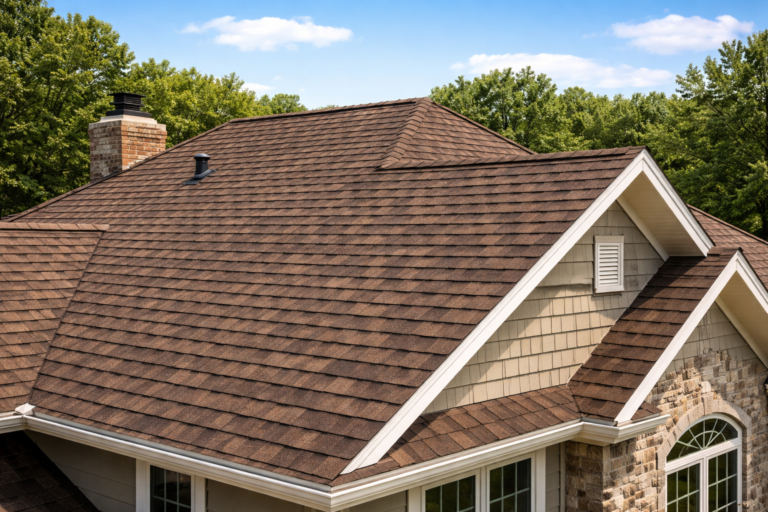
Asphalt shingles are a roofing material made of a base mat, waterproof asphalt, and ceramic granules that protect against UV rays while adding color. They are the most commonly used roofing material in Texas and across the United States because they balance affordability, availability, and ease of installation.
These shingles typically come in two main types: three tab shingles and architectural shingles. Three tab shingles offer a flat and uniform look, while architectural shingles provide a more dimensional appearance that can enhance curb appeal. Their layered design helps shed water effectively, making them a practical option for many residential roofs.
| Category | Details |
|---|---|
| Pros |
Cost Effective: One of the most affordable roofing options available, making it accessible for many homeowners. Versatile: Available in a wide range of styles and colors, making it easier to match different home designs. Easy Installation: A quick and straightforward installation process can help reduce labor costs and shorten project time. |
| Cons |
Durability: Asphalt shingles usually last around 20 to 30 years, which is shorter than many other roofing materials. Weather Sensitivity: They can be vulnerable to high winds, hail, and intense heat, which are common in Texas. UV Exposure: Long periods of sun exposure can speed up wear and deterioration. |
| Why Choose Asphalt Shingles | Asphalt shingles are a strong choice for homeowners who want an affordable roofing option with flexible design choices. They work well for people planning to stay in their home for about 20 to 30 years and who prefer a fast, efficient installation process. |
| Why Asphalt Shingles May Not Be for You | Asphalt shingles may not be the best fit for homes in areas that often experience severe weather, including hail, strong winds, and extreme heat. Homeowners looking for a longer lasting roof with less maintenance may want to explore other roofing materials. |
Asphalt shingles are cost effective, versatile, and easy to install, which makes them one of the most popular choices for homeowners.
One of the biggest advantages is affordability. Asphalt shingles are among the most economical roofing materials, making them accessible for a wide range of budgets. This makes them especially appealing for homeowners who want reliable protection without a high upfront investment.
They are also highly versatile in design. Homeowners can choose from a wide variety of colors and styles to match their home’s architecture, whether traditional or modern. This flexibility allows for both functional and aesthetic improvements.
Installation is another key benefit. Asphalt shingles are relatively quick and straightforward to install, which can reduce labor time and overall project costs. This also means repairs and replacements can often be completed faster compared to more complex roofing systems.
Asphalt shingles have a shorter lifespan and can be sensitive to harsh weather conditions.
In terms of durability, asphalt shingles typically last around 20 to 30 years, which is shorter compared to materials like metal, tile, or synthetic roofing. This means homeowners may need to plan for replacement sooner.
They are also more vulnerable to extreme weather. High winds, hail, and intense heat, which are common in Texas, can cause damage such as granule loss, cracking, or lifting. Over time, prolonged exposure to sunlight can accelerate wear and reduce their overall performance.
You should choose asphalt shingles if you want an affordable roofing solution with a wide range of style options and a straightforward installation process.
They are a great fit for homeowners who plan to stay in their home for the next 20 to 30 years and want a balance between cost and performance. The variety of available designs also makes them ideal for improving curb appeal without significantly increasing the budget.
For many homes, especially in neighborhoods with similar roofing styles, asphalt shingles provide a practical and visually consistent option that meets both functional and aesthetic needs.
Asphalt shingles may not be the right choice if you need a roof that can withstand severe weather or last significantly longer with minimal maintenance.
Homes in areas prone to strong winds, frequent hail, or extreme heat may require a more durable roofing material. In these conditions, asphalt shingles can wear out faster and may need more frequent repairs.
They may also not be ideal for homeowners looking for a long term investment with minimal upkeep. In those cases, materials like metal, tile, or synthetic roofing systems may offer better longevity and resilience.
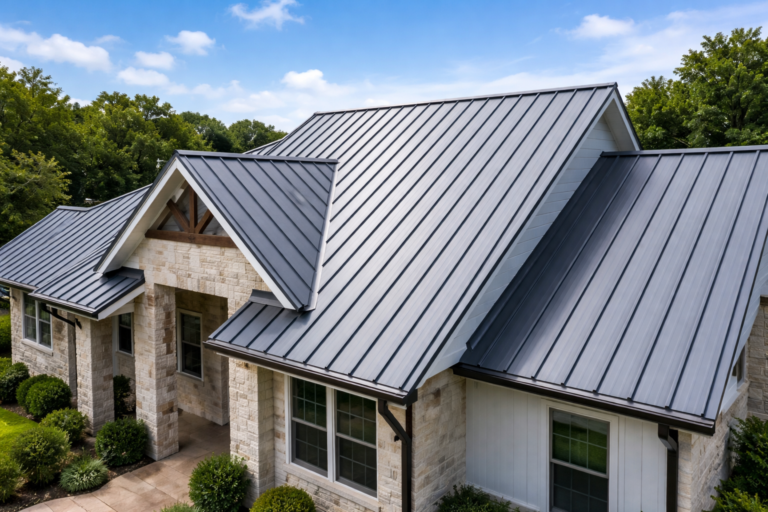
A metal roof is a durable roofing system made from materials such as aluminum, steel, copper, or zinc that protects homes by shedding water and reflecting heat. It is becoming increasingly popular in Texas because it performs well in extreme weather and offers long term value.
Metal roofs can be installed as large panels or designed to mimic shingles, tiles, or other styles. This gives homeowners flexibility in both function and appearance. The material itself is engineered to resist corrosion and withstand environmental stress, making it a strong option for residential properties.
| Category | Details |
|---|---|
| Pros |
Longevity: Metal roofs can last between 40 to 70 years, making them a strong long-term investment. Energy Efficiency: Reflects solar radiant heat, helping reduce cooling costs by up to 25% in hot climates like Texas. Durability: Resistant to high winds, hail, and heavy rain. Metal roofing is also fire-resistant, adding extra protection. |
| Cons |
Cost: Higher upfront cost compared to asphalt shingles, which may not fit all budgets. Noise: Can be louder during rain or hail without proper insulation. Expansion and Contraction: Temperature changes can cause movement in the material, which may loosen fasteners over time. |
| Why Choose Metal Roof | Metal roofing is ideal for homeowners who want a long-lasting and durable roofing system that performs well in Texas weather. Its energy efficiency helps lower cooling costs, while its fire-resistant properties add an extra layer of safety. |
| Why Metal Roof May Not Be for You | Metal roofing may not be suitable if you are working within a tight budget due to its higher initial cost. It may also be less ideal for homeowners sensitive to noise or those living in areas with frequent rain or hail unless additional insulation is installed. |
A metal roof offers long lifespan, strong durability, and high energy efficiency.
One of the biggest benefits is longevity. Metal roofs can last between 40 to 70 years, which makes them one of the longest lasting roofing materials available. This reduces the need for frequent replacements and can provide better long term value.
Energy efficiency is another major advantage. Metal roofs reflect solar heat instead of absorbing it, which can help reduce indoor temperatures and lower cooling costs. This is especially beneficial in Texas where heat is a constant concern.
Durability also stands out. Metal roofing is designed to withstand high winds, hail, and heavy rain. It is also fire resistant, which adds an extra layer of protection for homeowners and can contribute to overall peace of mind.
A metal roof has a higher upfront cost and may produce more noise without proper insulation.
The initial investment is one of the main drawbacks. Metal roofing costs more than asphalt shingles, which can make it less accessible for homeowners with a limited budget.
Noise can also be a concern. During heavy rain or hail, metal roofs can be louder compared to other materials. Proper insulation can reduce this issue, but it is something homeowners should consider.
Another factor is expansion and contraction. Metal naturally reacts to temperature changes, which can cause movement over time. This may lead to fasteners loosening if the roof is not installed correctly or maintained properly.
You should choose a metal roof if you want a long lasting, durable, and energy efficient solution that performs well in extreme weather.
It is an excellent option for homeowners in Texas who want a roof that can handle strong winds, hail, and intense heat. The reflective properties also make it a smart choice for reducing energy costs over time.
A metal roof is also ideal for those who plan to stay in their home long term and want to invest in a system that offers both protection and long term savings.
A metal roof may not be the right choice if you have a tight budget or are sensitive to noise during storms.
The higher upfront cost can be a barrier for some homeowners, especially when compared to more affordable materials like asphalt shingles. While the long term value is strong, the initial expense may not fit every situation.
It may also not be ideal for those who are sensitive to sound, particularly in areas with frequent rain or hail. Even with insulation, some noise may still be noticeable depending on the structure of the home.
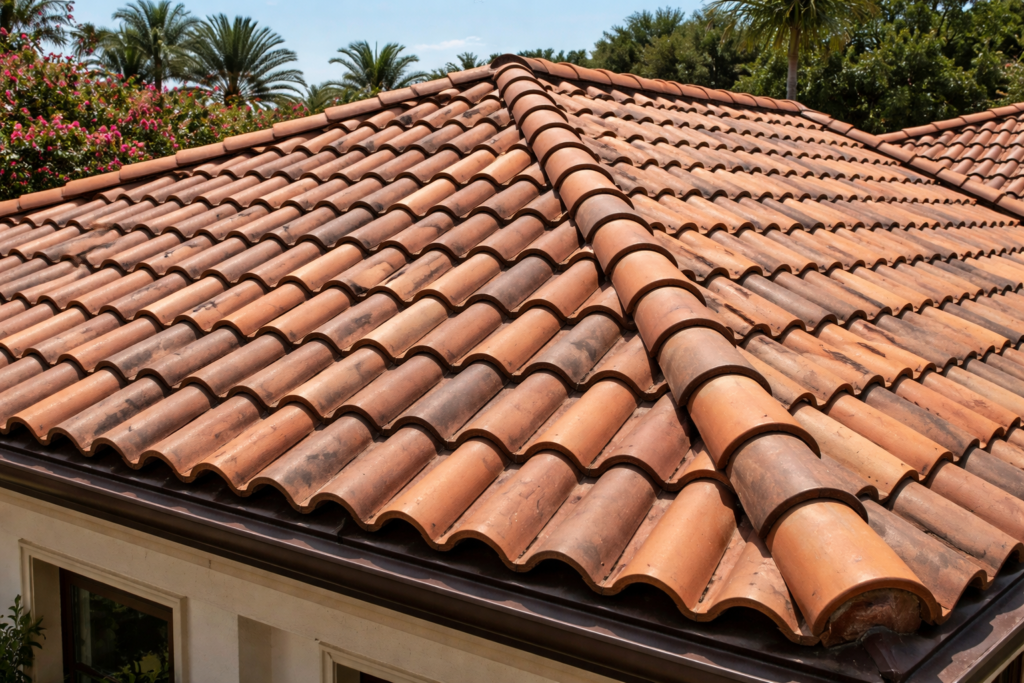
A tile roof is a roofing system made from clay or concrete tiles that protect a home by overlapping to create a water shedding barrier. It is widely recognized for its distinctive appearance and is especially popular in Texas for homes with Mediterranean, Spanish, or Southwestern designs.
Tiles come in a variety of shapes, including flat, curved, and interlocking styles. These options allow homeowners to achieve a specific architectural look while maintaining strong protection against the elements. The density and composition of the material help tile roofs perform well in hot climates.
| Category | Details |
|---|---|
| Pros |
Aesthetic Appeal: Offers a distinctive and elegant look that enhances curb appeal, especially for Mediterranean and Spanish-style homes. Durability: Can last between 50 to 100 years with proper maintenance, making it one of the longest-lasting roofing materials. Fire Resistance: Clay and concrete tiles are non-combustible, providing excellent fire protection. |
| Cons |
Weight: Heavier than most roofing materials and may require structural reinforcement. Cost: Higher installation and repair costs compared to asphalt and other common materials. Fragility: Tiles can crack or break if walked on or hit with significant force. |
| Why Choose Tile Roof | Tile roofing is an excellent choice for homeowners seeking long-term durability, strong fire resistance, and a distinctive architectural style. It is especially well-suited for homes designed with Mediterranean, Spanish, or Southwestern aesthetics. |
| Why Tile Roof May Not Be for You | Tile roofing may not be ideal if your home cannot support the added weight or if you are working with a limited budget. It may also be less practical if frequent roof access is required due to the risk of tile breakage. |
A tile roof offers strong visual appeal, long lifespan, and excellent fire resistance.
One of the most noticeable benefits is its aesthetic appeal. Tile roofs create a unique and upscale appearance that can significantly enhance curb appeal. This makes them a popular choice for homeowners who want their home to stand out.
Durability is another major advantage. Tile roofs can last between 50 to 100 years with proper maintenance, making them one of the longest lasting roofing options available. This longevity can offset the higher upfront cost over time.
A tile roof is also non combustible. Both clay and concrete tiles provide excellent fire resistance, which adds an extra level of safety and protection for the home.
A tile roof is heavy, more expensive, and can be fragile under certain conditions.
One of the main concerns is weight. Tile roofs are significantly heavier than most other roofing materials, which means the home may need structural reinforcement before installation. This can add to the overall cost and complexity of the project.
Cost is another factor. Both installation and repairs tend to be more expensive compared to materials like asphalt shingles. The specialized labor required also contributes to the higher price.
Although tile roofs are durable, the individual tiles can be fragile. Walking on the roof or heavy impacts can cause tiles to crack or break, which may require careful handling during maintenance or inspections.
You should choose a tile roof if you want a long lasting roof with strong visual appeal and built in fire resistance.
It is an excellent option for homeowners who appreciate Mediterranean or Spanish style architecture and want a roofing material that complements that design. The longevity also makes it a smart investment for those planning to stay in their home long term.
A tile roof performs well in hot climates like Texas, where its thermal properties can help regulate temperature and maintain durability over time.
| Category | Details |
|---|---|
| Pros |
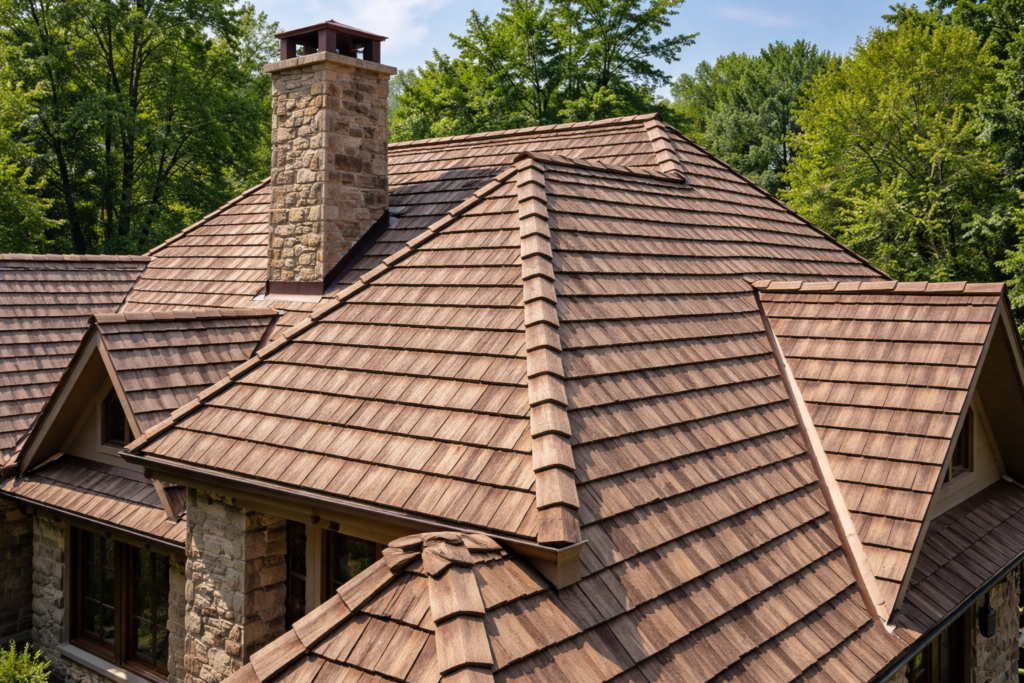
Aesthetic: Provides a natural, timeless look that enhances curb appeal, especially for rustic or historic homes. Insulation: Offers natural insulation, helping keep homes cooler in summer and warmer in winter. Eco-Friendly: Made from renewable materials, with some options sourced from sustainably harvested timber. |
| Cons |
Maintenance: Requires regular upkeep to prevent mold, rot, and insect damage, including treatments and preservatives. Fire Risk: Higher fire risk unless treated with fire-resistant coatings. Durability: More vulnerable to weather damage, especially in humid or wet conditions. |
| Why Choose Wood Shingles and Shakes | Wood shingles and shakes are a strong choice for homeowners who want a natural, rustic aesthetic and are willing to maintain their roof regularly. They are especially well-suited for historic properties and rural settings where appearance and character matter. |
| Why Wood Shingles and Shakes May Not Be for You | This option may not be ideal if you live in areas prone to wildfires or if you prefer a low-maintenance roofing system. The ongoing upkeep and sensitivity to weather conditions can make it less practical for some homeowners. |
| Category | Details |
|---|---|
| Pros |
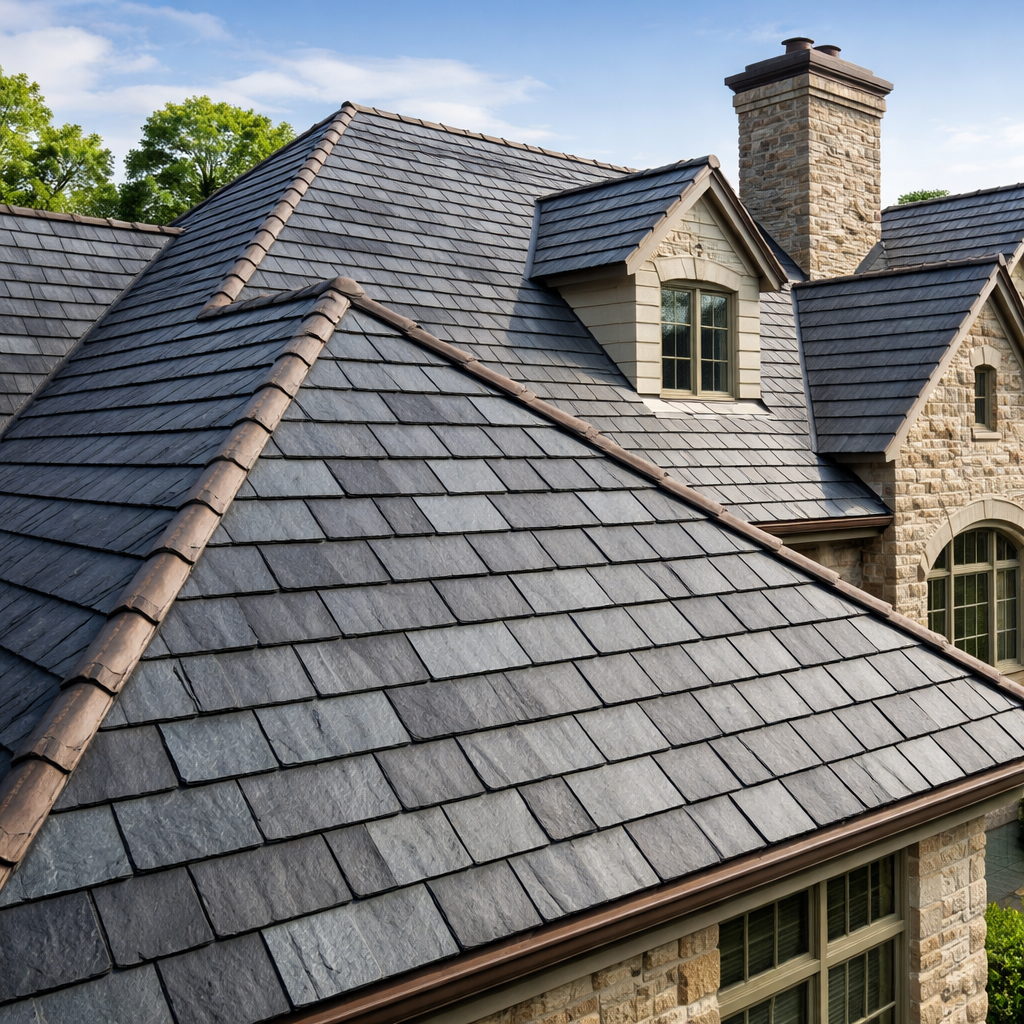
Longevity: Slate roofs can last over 100 years with proper care, making them one of the longest-lasting roofing materials available. Aesthetic: Provides a unique and elegant appearance that enhances the value and visual appeal of high-end homes. Durability: Highly resistant to fire, water, and strong winds, offering excellent protection in extreme weather conditions. |
| Cons |
Cost: One of the most expensive roofing materials due to both material and labor costs. Weight: Extremely heavy and requires a reinforced or specially designed roof structure. Installation: Complex installation process that requires experienced and skilled professionals. |
| Why Choose Slate Roof | Slate roofing is ideal for homeowners who want a premium, long-lasting roofing solution with timeless elegance. It is especially well-suited for historic properties and high-end homes where durability and aesthetics are a priority. |
| Why Slate Roof May Not Be for You | Slate roofing may not be the right choice if you are working with a limited budget or if your home cannot support its significant weight. The specialized installation and higher costs can also make it less practical for some homeowners. |
| Category | Details |
|---|---|
| Pros |
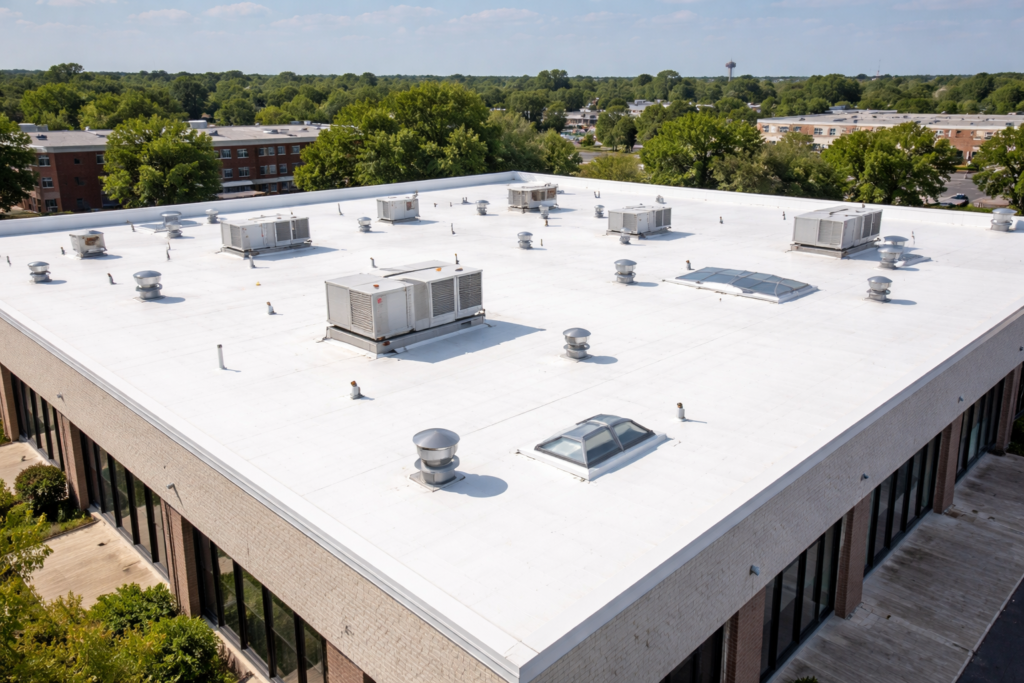
Cost: Typically lower installation costs compared to sloped roofing systems. Space Utilization: Can be used for rooftop gardens, solar panels, or additional living space, maximizing usable property area. Maintenance: Easier to access, inspect, and maintain due to the low slope. |
| Cons |
Drainage: Poor drainage can lead to water pooling and potential leaks if not properly designed and maintained. Lifespan: Typically shorter lifespan than sloped roofs, usually lasting 10 to 20 years depending on materials. Heat Absorption: Can absorb more heat, which may increase cooling costs unless reflective materials are used. |
| Why Choose Flat Roof | Flat roofing is a strong option for homeowners and businesses looking to maximize rooftop functionality. It supports modern architectural designs and allows for added features like solar panels or rooftop living spaces when properly maintained. |
| Why Flat Roof May Not Be for You | Flat roofing may not be ideal in areas with heavy rainfall or for homeowners seeking a long-lasting roofing system. Drainage concerns and potential heat absorption can also be drawbacks without proper materials and design. |
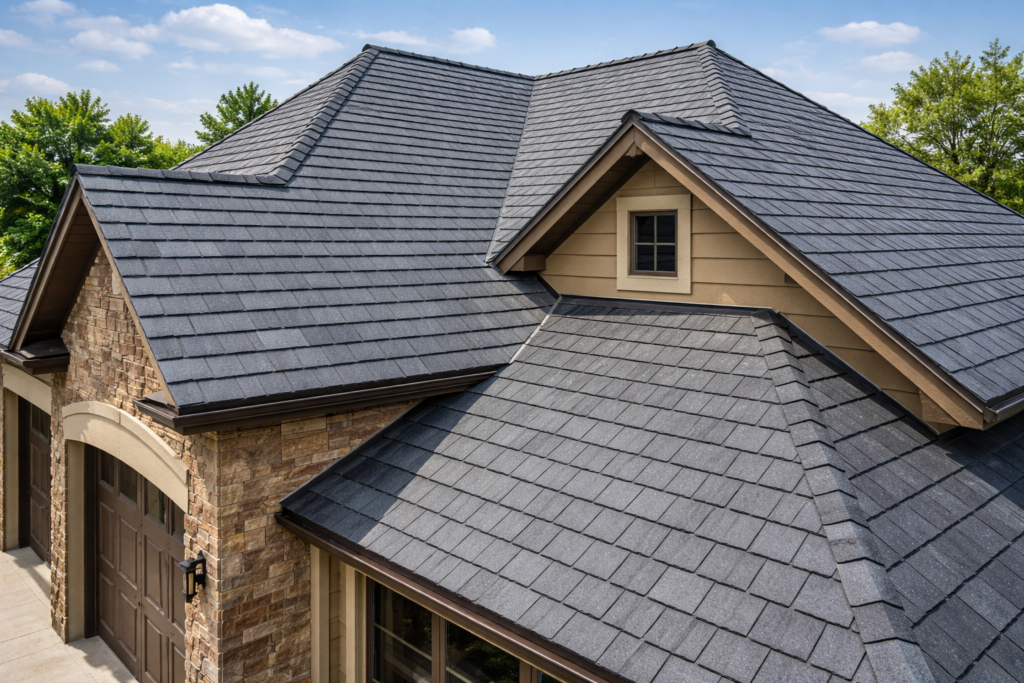
| Category | Details |
|---|---|
| Pros |
Durability: Built to handle harsh weather conditions including hail, strong winds, and UV exposure. Many systems carry high impact ratings ideal for Texas storms. Low Maintenance: Does not rot, crack, or split like natural materials, reducing long-term maintenance needs. Lightweight: Significantly lighter than slate or concrete tile, reducing structural load and expanding installation flexibility. Aesthetic Appeal: Designed to closely replicate the look of natural slate or cedar shake with realistic textures and color variations. Longevity: Typically lasts 40 to 50 years or more, making it a long-term roofing investment. |
| Cons |
Higher Upfront Cost: More expensive than standard asphalt shingles, requiring a larger initial investment. Specialized Installation: Requires experienced and trained contractors familiar with synthetic roofing systems. Limited Familiarity: Less commonly known than traditional materials, which may make decision-making more challenging for some homeowners. |
| Why Choose Synthetic Roof | Synthetic roofing is ideal for homeowners seeking a balance between durability and high-end design. It performs well in demanding weather conditions while offering the appearance of premium materials without the common drawbacks. It is especially suitable for long-term homeowners looking to upgrade both protection and curb appeal. |
| Why Synthetic Roof May Not Be for You | Synthetic roofing may not be the best option if you are working with a tighter budget or prefer a more traditional and familiar material like asphalt shingles. It may also be less suitable for projects focused on short-term solutions rather than long-term upgrades. |
Choosing the right roof type in Texas requires careful consideration of various factors, including climate, budget, and personal preferences. Whether you opt for the affordability of asphalt shingles, the durability of metal and synthetic roofing, the aesthetic appeal of tile or wood, the longevity of slate, or the versatility of flat roofing, it’s important to select a material that can withstand Texas’s diverse weather conditions while enhancing the beauty and value of your home.
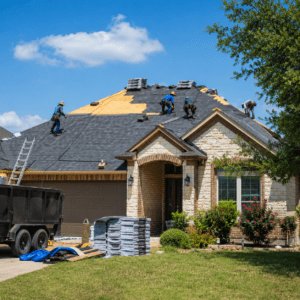
A roof replacement or upgrade is a significant investment, and making the right choice can save you time, money, and stress in the long run. Our free roof inspection and consultation service is designed to provide you with all the information you need to make an informed decision.
Don’t wait until a small issue becomes a major problem. Protect your home and enhance its value with the right roofing solution. Take advantage of our free roof inspection and consultation service to discover the perfect roof for your Texas home.
The most important things to know about roof types in Texas are how they perform in extreme weather, how long they last, and how much maintenance they require. Texas roofs must handle intense heat, strong winds, hail, and heavy rain, so choosing a material that can withstand these conditions is essential for protecting your home. Each roofing type, from asphalt shingles to metal, tile, slate, wood, and synthetic options, offers different levels of durability, energy efficiency, and cost.
It is also important to consider your budget, the style of your home, and how long you plan to stay in the property. Some materials have a lower upfront cost but require more frequent replacement, while others cost more initially but provide long term value and reduced maintenance. Working with a knowledgeable roofing contractor can help you compare options and choose a roof that fits your needs, climate, and long term goals.
The most common roof types used in Texas homes include asphalt shingles, metal roofs, tile roofs, wood shingles and shakes, slate roofs, flat roofs, and synthetic roofing systems.
Each of these materials is chosen based on factors such as durability, cost, and how well they perform in Texas weather. Asphalt shingles remain the most popular due to affordability, while metal and synthetic roofs are gaining attention for their durability and energy efficiency. Tile and slate are often selected for their long lifespan and upscale appearance, while flat roofs are common in modern designs and certain residential or commercial properties.
The most common roof types used in Texas homes include asphalt shingles, metal roofs, tile roofs, wood shingles and shakes, slate roofs, flat roofs, and synthetic roofing systems.
Each of these materials is chosen based on factors such as durability, cost, and how well they perform in Texas weather. Asphalt shingles remain the most popular due to affordability, while metal and synthetic roofs are gaining attention for their durability and energy efficiency. Tile and slate are often selected for their long lifespan and upscale appearance, while flat roofs are common in modern designs and certain residential or commercial properties.
The main differences between popular roofing materials in Texas come down to durability, lifespan, cost, maintenance, and how well each material performs in extreme weather. Asphalt shingles are affordable and easy to install but have a shorter lifespan, while metal roofs offer strong durability and energy efficiency with a higher upfront cost. Tile and slate roofs provide exceptional longevity and a premium appearance, but they require a stronger structure due to their weight and come with higher installation costs.
Other materials like wood shingles and shakes offer a natural look and insulation benefits but require regular maintenance and are more sensitive to moisture and fire. Flat roofs are practical for modern designs and space utilization but need proper drainage and typically have a shorter lifespan. Synthetic roofing stands out as a balanced option, offering the appearance of slate or shake with improved durability and lower maintenance. Choosing the right material depends on your budget, desired appearance, and how well the roof can handle Texas heat, storms, and long term wear.
Asphalt shingles are affordable and versatile but have a shorter lifespan and lower resistance to extreme weather.
They are widely used because they are easy to install and come in many styles. However, they may wear out faster in Texas heat and storms compared to more durable materials.
A metal roof is popular because it is durable, energy efficient, and performs well in extreme weather.
It reflects heat to help lower cooling costs and can withstand strong winds and hail. Its long lifespan also makes it a strong long term investment.
A tile roof offers long lifespan, strong visual appeal, and fire resistance.
It is especially popular for homes with Mediterranean or Spanish designs. However, it requires a strong structure due to its weight and has a higher upfront cost.
Wood shingles and shakes offer a natural look and insulation benefits but require regular maintenance.
They provide a rustic appearance and help regulate indoor temperatures, but they are more vulnerable to moisture, pests, and fire unless treated.
Wood shingles and shakes can be suitable for Texas homes if properly maintained and treated for fire resistance.
They work best in areas where homeowners are committed to regular upkeep and want a natural aesthetic, but they may not be ideal in humid or high risk fire zones.
A flat roof offers space efficiency and a modern design but requires proper drainage and maintenance.
It is commonly used for rooftop installations like solar panels or outdoor spaces, though it may have a shorter lifespan compared to sloped roofs.
A flat roof can be practical for residential properties in Texas if it is properly designed and maintained.
It works well for modern homes and urban settings, but homeowners must ensure proper drainage systems are in place to prevent water pooling and heat buildup.
You should consider climate, budget, durability, lifespan, and maintenance requirements when choosing a roof type. In Texas, roofs must handle intense heat, hail, strong winds, and heavy rain, so selecting a material that performs well in these conditions is essential. Some materials, like metal, tile, and synthetic roofing, offer higher durability and longer lifespans, while others like asphalt shingles provide a more budget friendly option with shorter longevity.
You should also think about the appearance of your home, structural limitations, and long term value. Heavier materials like tile and slate may require additional support, while low maintenance options can reduce future costs and effort. Balancing upfront investment with long term performance will help you choose a roofing system that fits your goals and provides reliable protection over time.
You should consider climate, budget, appearance, and lifespan when choosing a roofing material.
Each factor affects how your roof performs over time, so balancing cost, durability, and style is essential for making the right decision.
Budget and long term value determine whether you prioritize upfront savings or long lasting performance.
Lower cost materials may require more frequent replacement, while higher cost options often provide better durability and lower maintenance over time.
Roof lifespan and maintenance needs are critical in determining long term costs and performance.
Some materials require regular upkeep, while others are designed for minimal maintenance. Choosing the right balance can reduce unexpected expenses.
You choose the right roofing contractor in Texas by evaluating their experience, credentials, reputation, and the quality of their communication. A reliable contractor should be properly licensed and insured, have strong customer reviews, and provide clear, detailed estimates. These factors help ensure the work is done correctly and that your home is protected throughout the project.
It is also important to look for transparency and professionalism throughout the process. A trustworthy contractor will explain your options, answer questions clearly, and set realistic expectations for timelines and costs. Choosing a contractor who understands Texas weather conditions and roofing requirements can make a significant difference in the long term performance and reliability of your roof.
You should look for experience, licensing, insurance, and strong customer reviews.
A reliable contractor will provide clear communication, detailed estimates, and quality workmanship to ensure long term performance.
You can verify a contractor’s credibility by checking reviews, references, and certifications.
Confirming insurance coverage and warranties also helps protect your investment and ensures accountability.
Working with a professional roofing company ensures proper installation, safety, and long term reliability.
Experienced contractors understand local conditions and building requirements, helping prevent costly mistakes and ensuring your roof performs as expected.
CONTACT US TODAY!
Legacy Roofing Pros specializes in providing expert roofing services tailored to your needs.
Fill out our quick and easy form to schedule your FREE roof estimate. Our certified professionals will assess the condition of the roof, provide a detailed report, and work with you or your landlord to ensure the issue is resolved efficiently.
Tell us what’s going on and our team will follow up quickly.