
Monday to Friday
Drop your queries
Round Rock, TX 78681,
United States
Head Office
Understand what is included in a roof replacement, including decking, underlayment, shingles, flashing, and ventilation. Learn the full process, costs, and signs you need a new roof.
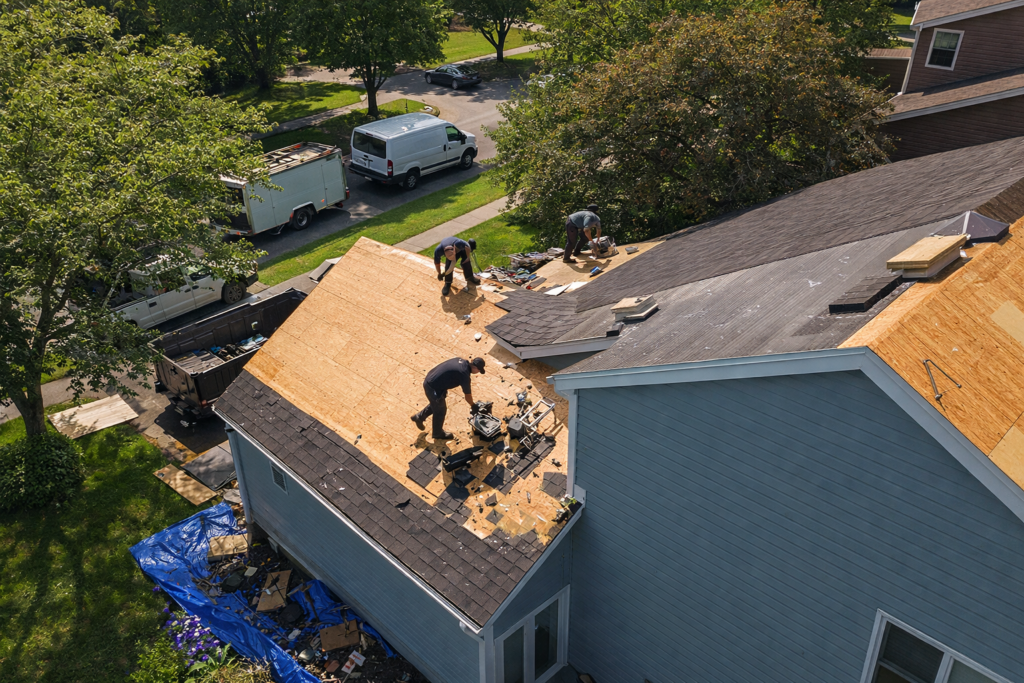
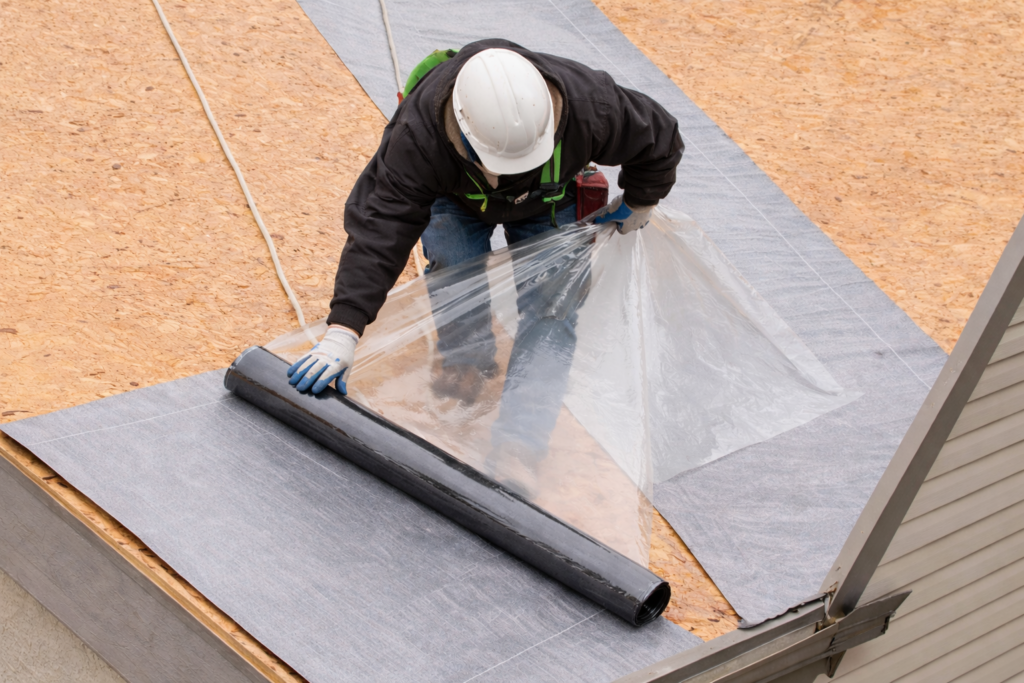
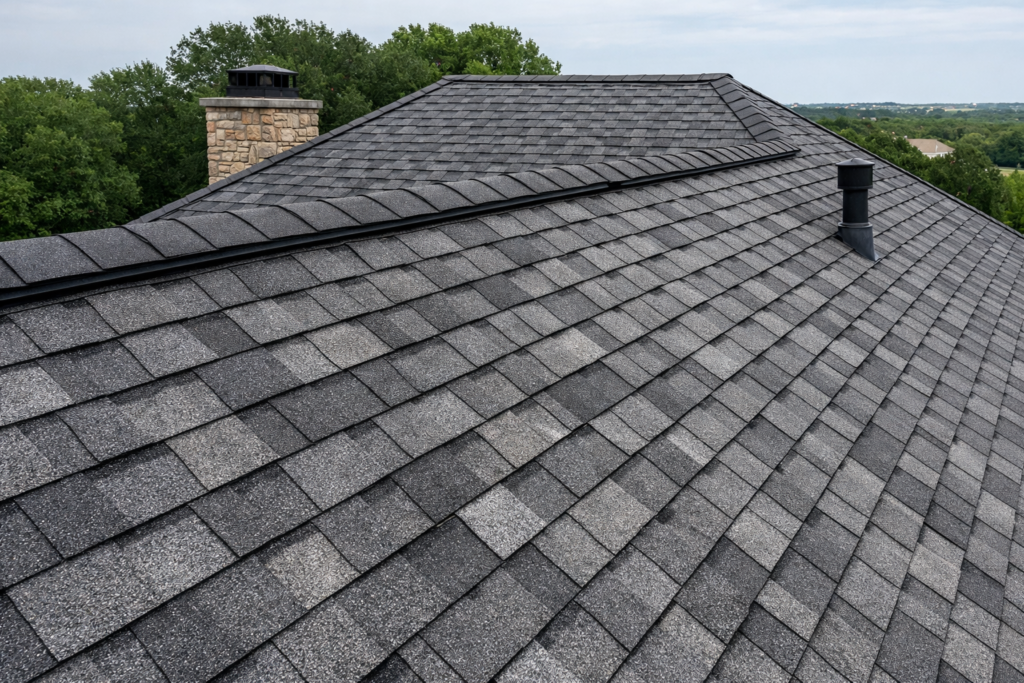
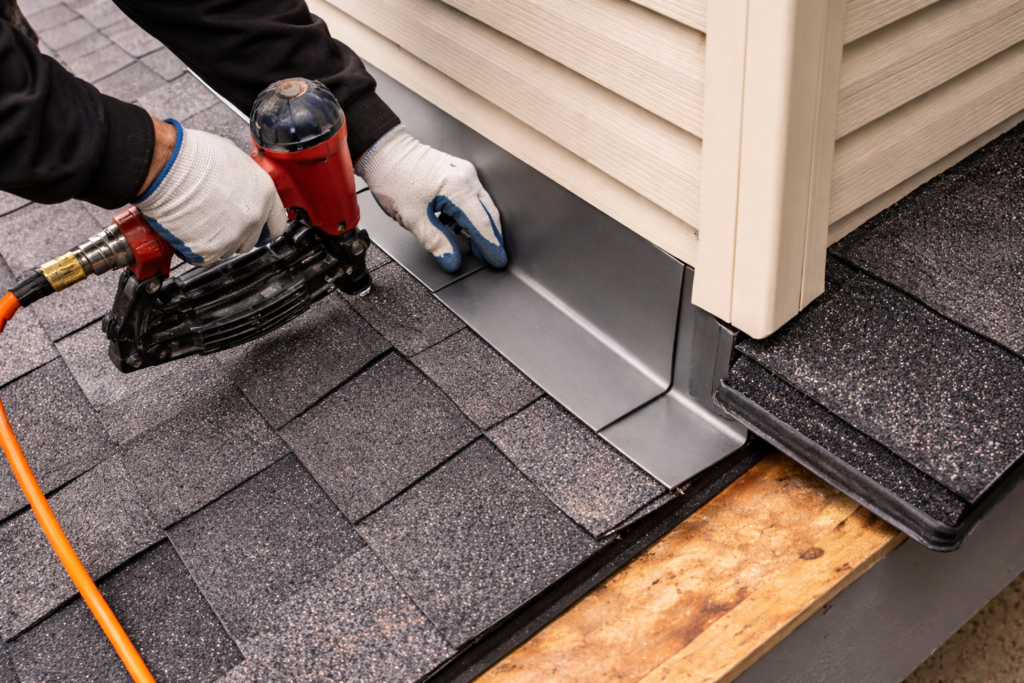
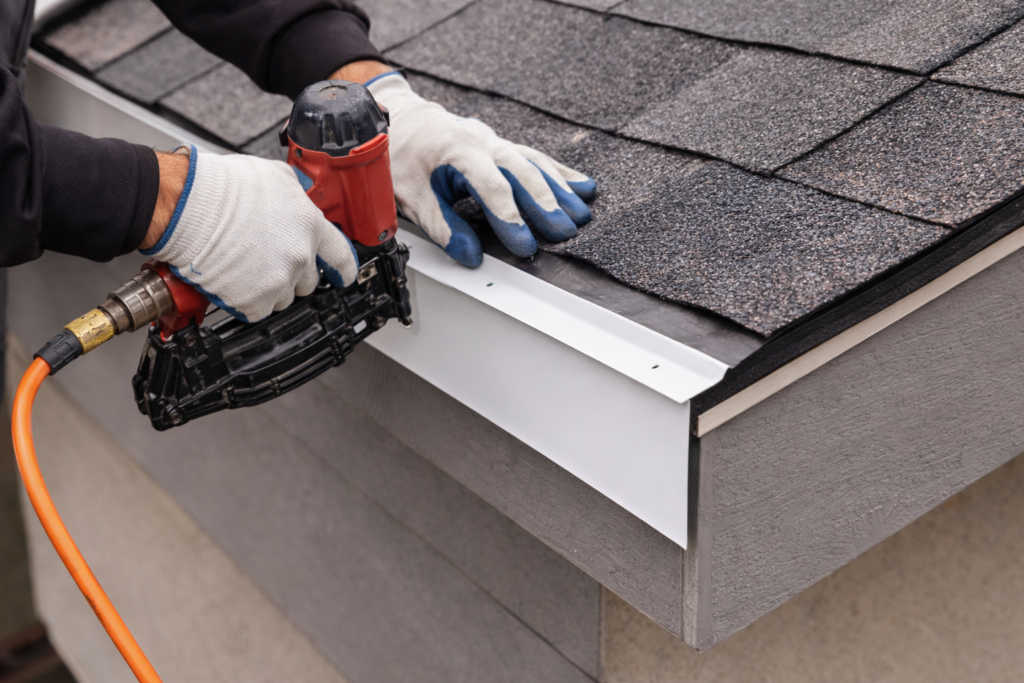
A roof replacement includes removing the old roofing materials and installing a complete new roofing system made up of multiple protective layers and components that work together to protect your home. This process goes beyond just replacing shingles. It involves inspecting and repairing the roof decking, installing underlayment and ice and water barriers, adding flashing and drip edge, securing materials with proper fasteners, and finishing with ventilation, ridge caps, and sometimes gutters and downspouts to ensure full functionality.
Each component in a roof replacement is necessary in durability, weather resistance, and energy efficiency. From the foundational decking to the outer roofing material, every layer is designed to prevent leaks, improve airflow, and extend the lifespan of your roof. Understanding what is included helps homeowners make informed decisions, ensures quality workmanship, and provides peace of mind knowing their home is fully protected from the elements.
A roof replacement is the process of completely removing an existing roof and installing a brand new roofing system to restore full protection and performance. Unlike minor fixes, this process replaces all major roofing components, ensuring the structure is secure, watertight, and built to last.
This process is needed for homeowners when a roof can no longer provide reliable protection due to age, widespread damage, or ongoing issues like leaks and energy loss. Over time, even small problems can develop into costly structural damage, mold growth, or reduced efficiency if not addressed. Replacing the roof ensures the home remains safe, improves overall performance, and helps prevent more expensive repairs in the future.
You need a roof replacement when your roof can no longer provide reliable protection due to age, widespread damage, or declining performance. Common indicators include missing or damaged shingles, persistent leaks, sagging areas, and signs of water damage inside the home, all of which suggest the roof is failing as a complete system.
Recognizing the right time for a replacement is important because delaying it can lead to more serious structural issues and higher repair costs. As problems worsen, they can affect insulation, increase energy bills, and cause damage to other parts of the home. Replacing the roof at the right time helps maintain safety, improve efficiency, and prevent costly complications in the future.
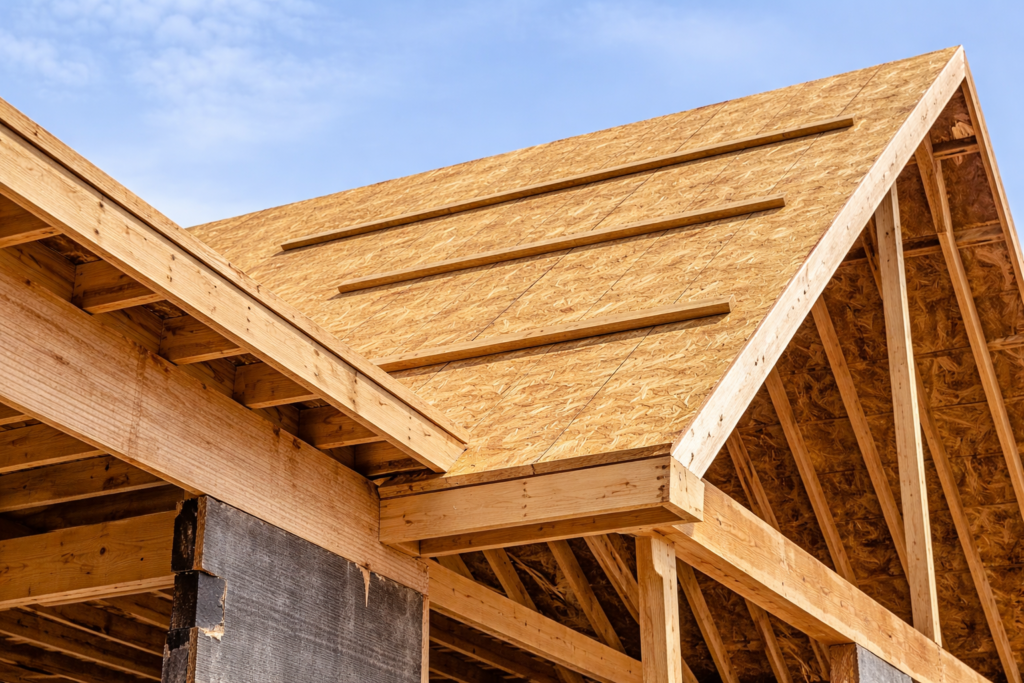
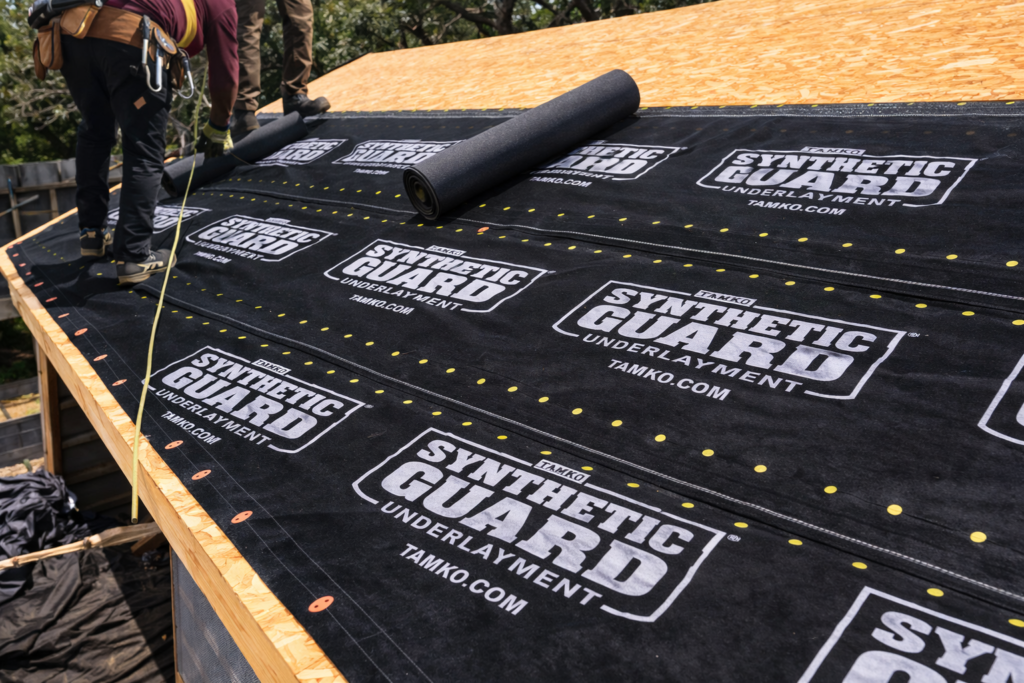
The components included in a roof replacement consist of all the essential layers and materials that work together to create a complete, durable, and weather resistant roofing system. These components typically include roof decking, underlayment, ice and water shield, shingles or other roofing materials, flashing, drip edge, ventilation systems, ridge caps, fasteners, sealants and adhesives, and sometimes gutters and downspouts.
Each of these components plays a specific role in protecting your home and ensuring long term performance. From providing structural support and preventing water intrusion to improving airflow and securing materials in place, every part of the system is necessary for a properly functioning roof. Understanding these components helps homeowners see the full scope of a roof replacement and why each step is critical to the overall integrity of the roof.
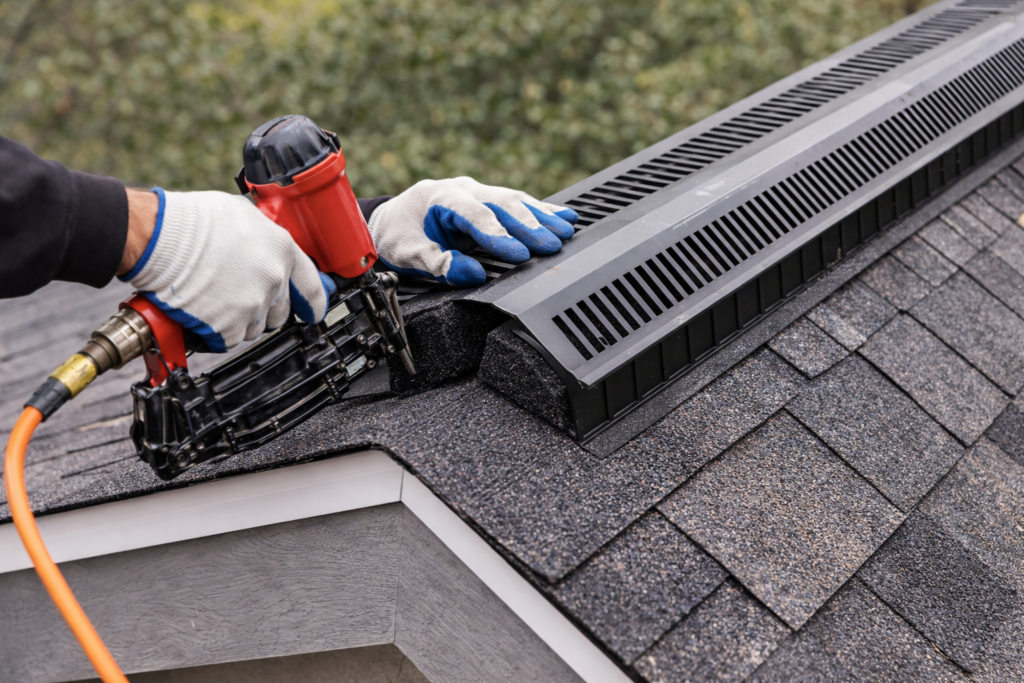
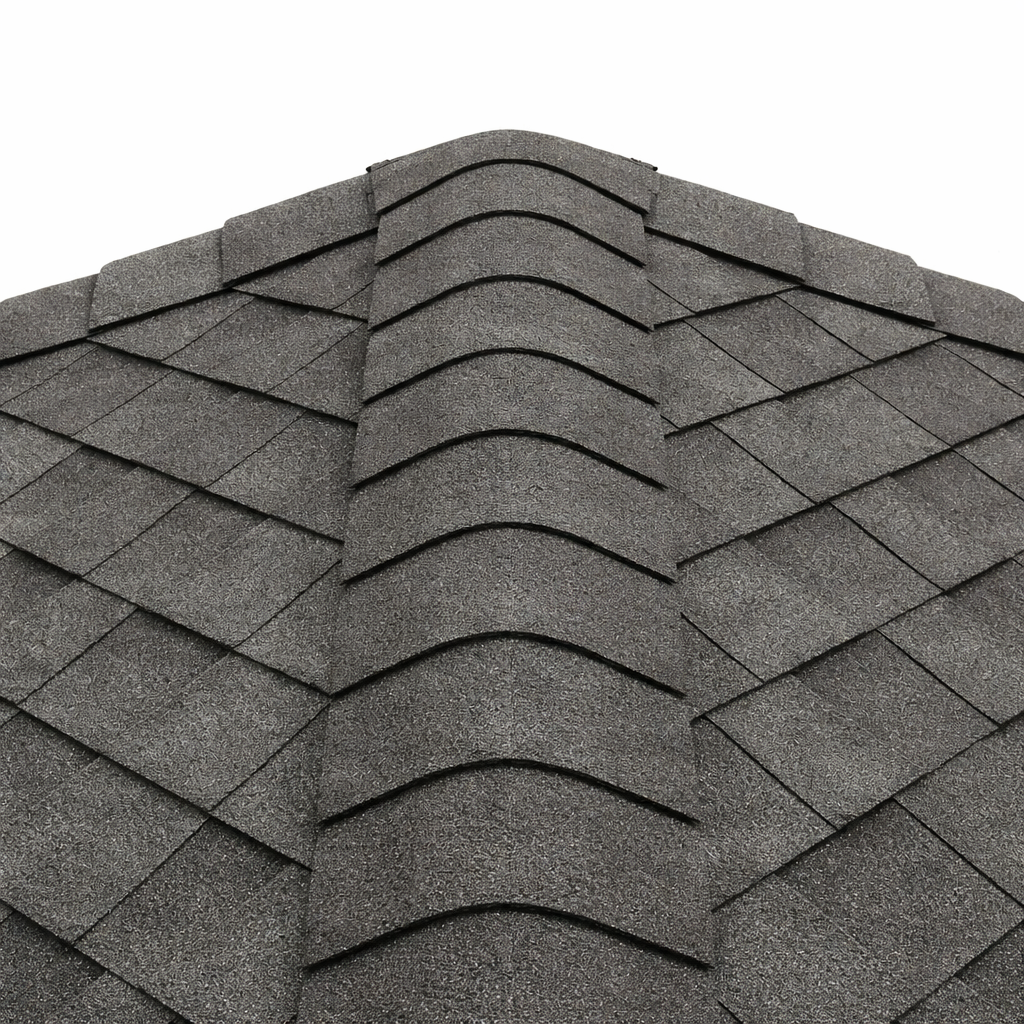
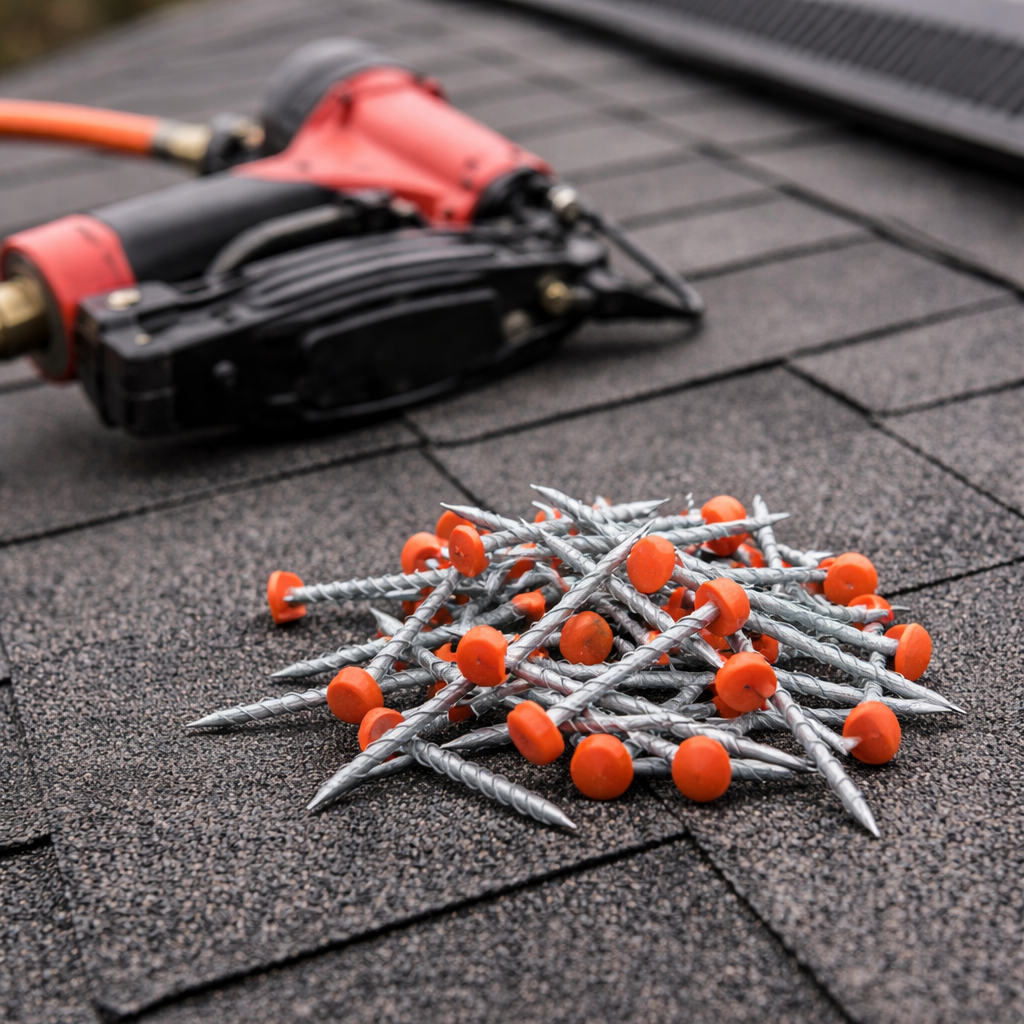
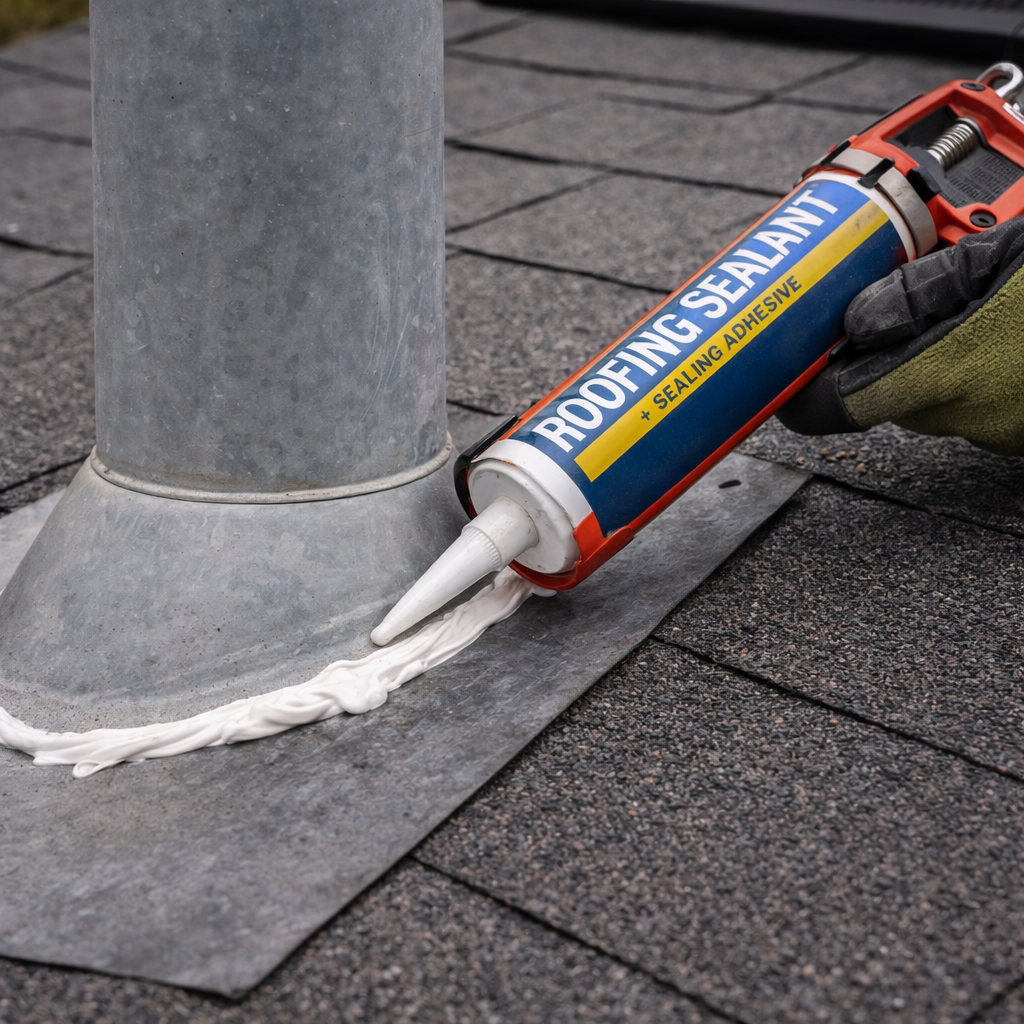
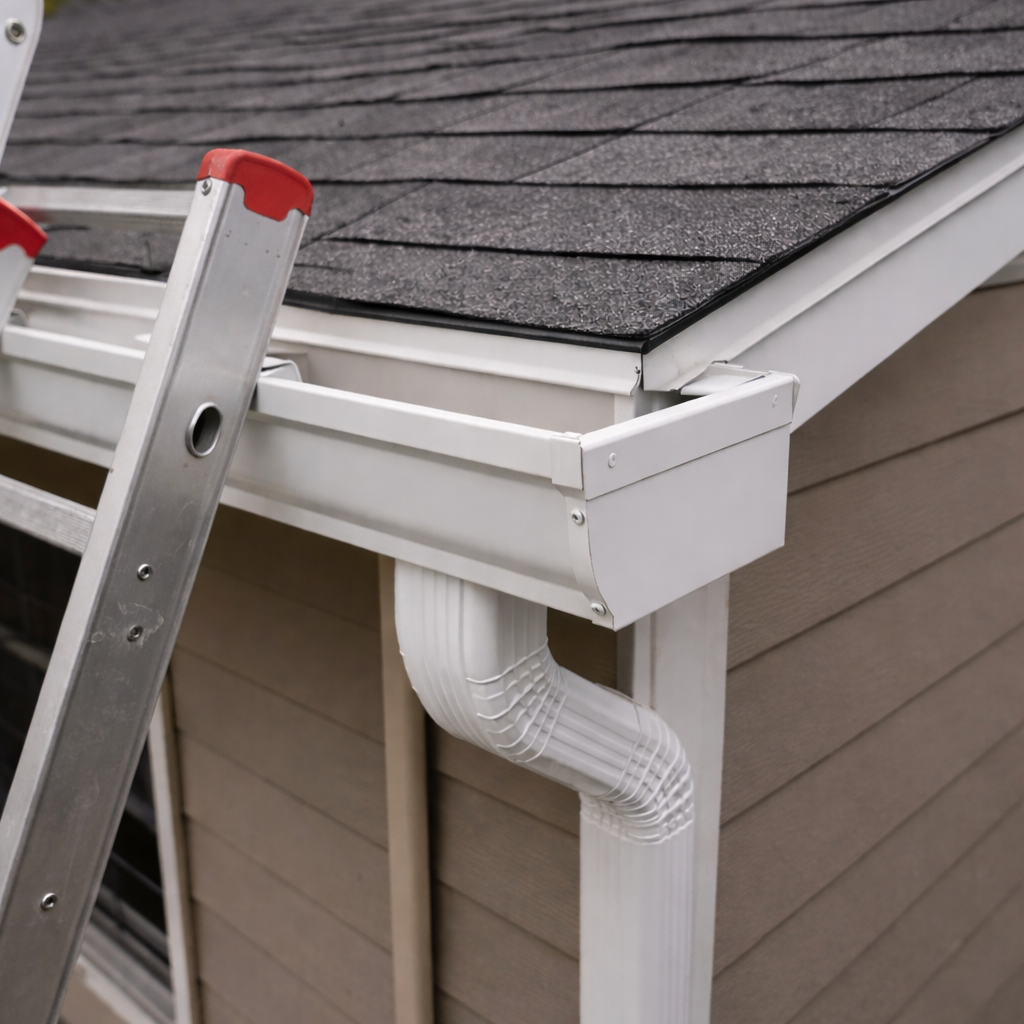
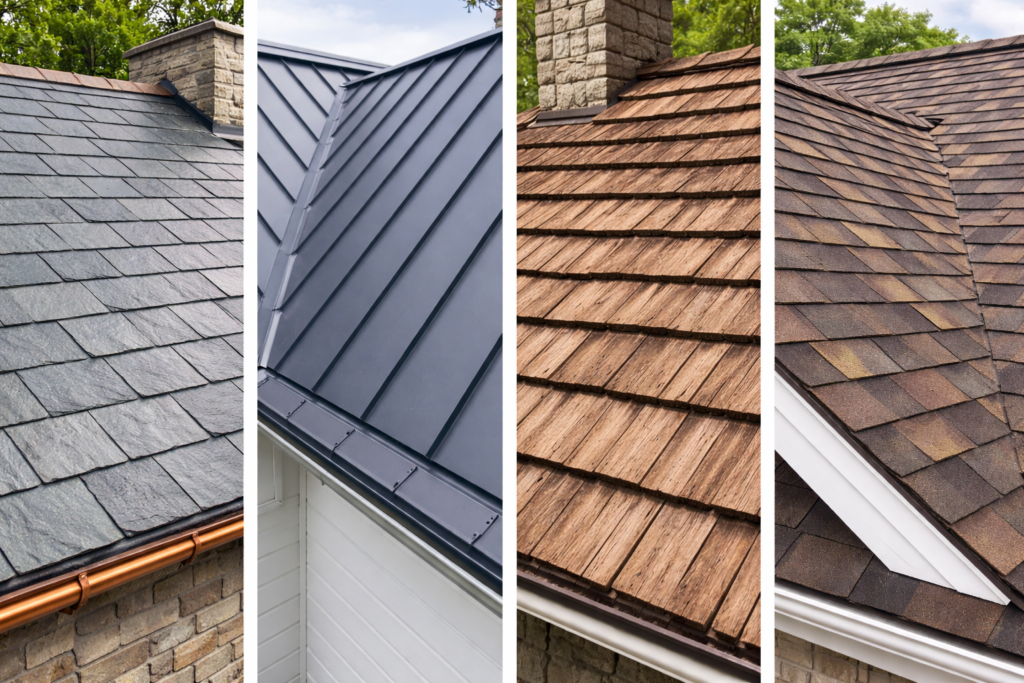
Preparing for a roof replacement involves evaluating your current roof condition, planning the project timeline, and making informed decisions about materials and contractors to ensure a smooth installation process. This includes scheduling a professional inspection, selecting the right roofing materials based on your needs and climate, and understanding the estimated costs involved.
Proper preparation helps prevent delays, unexpected expenses, and installation issues. An organized approach allows homeowners to manage the project efficiently and ensures the new roof is installed correctly for long term performance and reliability.
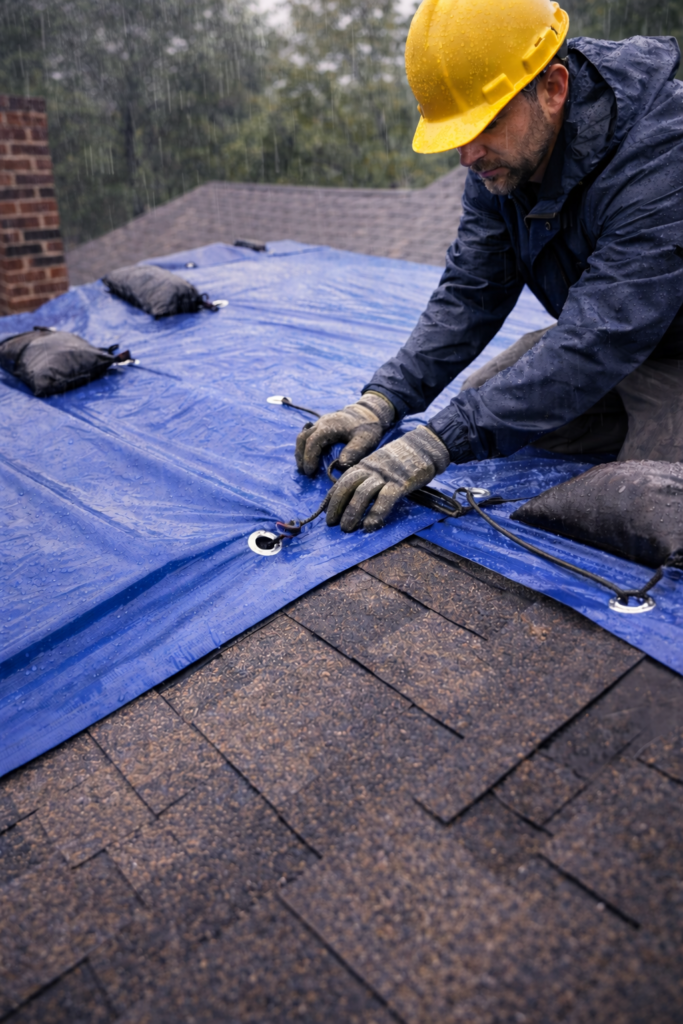
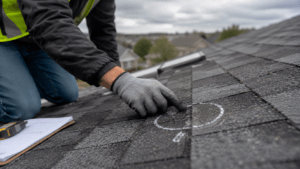
Pre replacement services are the preliminary steps and professional services performed before the actual roof replacement begins to ensure the project is completed safely and effectively. These services typically include a detailed roof inspection, assessment of structural conditions, and any necessary preparations such as identifying damage or areas that require attention before installation.
These services are important because they help uncover issues that could impact the success of the roof replacement if left unaddressed. Proper preparation ensures the new roofing system is installed on a stable and secure foundation, reducing the risk of delays, additional costs, and future problems.
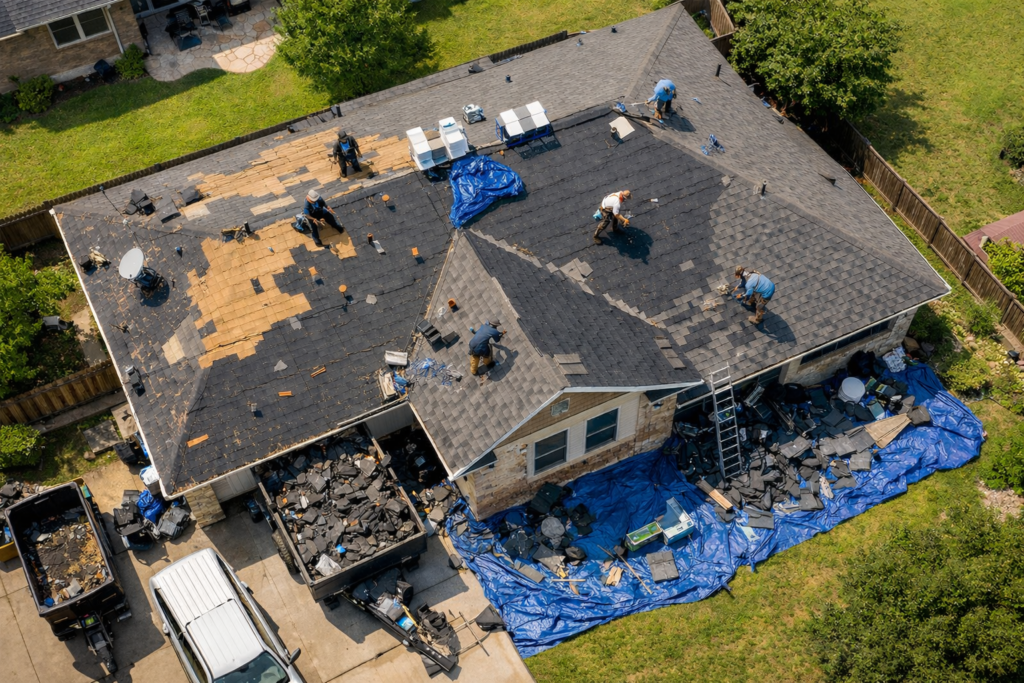
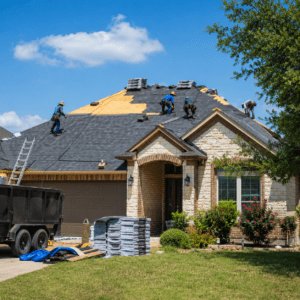
The roof replacement process involves removing the existing roof, making necessary structural repairs, and installing a new roofing system step by step to ensure proper protection and performance. This process typically includes planning and scheduling, tearing off old materials, repairing the decking if needed, and installing new layers such as underlayment, roofing materials, and finishing components.
Understanding what happens during the process is important because it helps homeowners know what to expect and ensures the work is done correctly. A well executed replacement follows a structured sequence that protects the home during installation, maintains safety, and results in a durable and reliable roofing system.
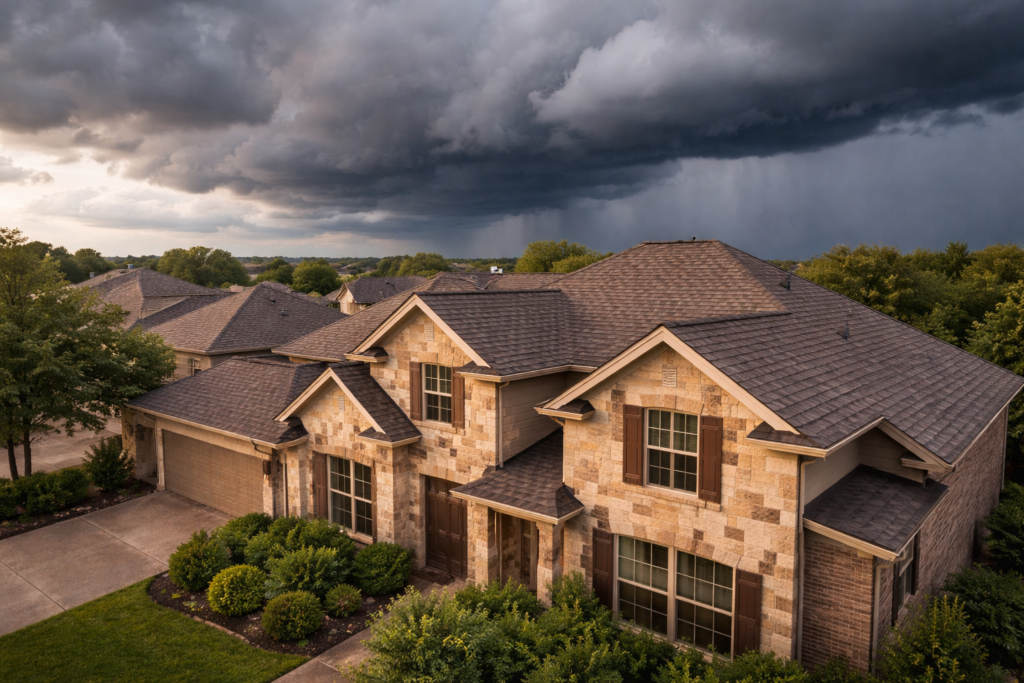
After a roof replacement, you should expect a final inspection, thorough clean up, and clear information about your roof’s warranty and maintenance requirements. The contractor will review the completed work, ensure all components are properly installed, and confirm that the roof meets quality and safety standards.
These steps are important because they ensure the project is completed correctly and your property is left in good condition. A proper post installation process helps identify any remaining issues, provides guidance on maintaining your new roof, and gives homeowners confidence that their investment will perform reliably over time.
Roof replacement is a smart investment because it improves your home’s protection, increases property value, and enhances energy efficiency over the long term. A new roof strengthens the overall structure, prevents leaks and damage, and provides a more reliable barrier against weather conditions.
This investment is important for homeowners because it reduces the risk of costly repairs and improves the overall performance of the home. A well installed roof can lower energy costs, boost curb appeal, and make the property more attractive to potential buyers, ensuring lasting value and peace of mind.
How Do I Know If I Need a Roof Replacement?
You may need a roof replacement if your roof shows signs of aging, widespread damage, or reduced performance. Common indicators include missing or damaged shingles, leaks, sagging areas, mold growth, and increasing energy costs.
Recognizing these signs early helps prevent more serious structural damage and costly repairs. Replacing the roof at the right time ensures your home remains protected and avoids ongoing issues that repairs may not fully resolve.
What Materials Are Used in a Roof Replacement?
A roof replacement uses a combination of structural and protective materials including decking, underlayment, shingles or other roofing materials, flashing, drip edge, ridge caps, fasteners, and sealants. Optional components may include ventilation systems and gutters.
The choice of materials affects the durability, appearance, and energy efficiency of your roof. Selecting the right combination ensures better performance in your local climate and helps extend the lifespan of the roofing system.
How Long Does a Roof Replacement Take?
A roof replacement typically takes a few days to a week depending on the size of the roof, the complexity of the project, weather conditions, and the type of materials used.
Project timelines can vary, but proper planning and experienced installation help keep the process efficient. Understanding the timeline allows homeowners to prepare for temporary disruptions and ensures expectations are clear before work begins.
What Should I Do to Prepare for a Roof Replacement?
Preparing for a roof replacement involves clearing the area around your home, protecting belongings inside, and coordinating with your contractor before the project begins. Moving vehicles and outdoor items away from the work area is also recommended.
Taking these steps helps prevent damage to property and allows the roofing team to work safely and efficiently. Proper preparation reduces delays and ensures the project runs smoothly from start to finish.
How Much Does a Roof Replacement Cost?
The cost of a roof replacement depends on factors such as roof size, material selection, labor, and any repairs required during the project.
Understanding the cost breakdown helps homeowners plan their budget and avoid unexpected expenses. Getting detailed estimates and comparing options ensures you receive quality work while staying within your financial goals.
How Do You Address Roof Damage Before Replacement?
Addressing roof damage before replacement involves inspecting the roof, identifying structural issues, and documenting any damage caused by weather or wear.
Proper assessment ensures all problems are resolved before installation begins. Taking this step helps prevent future issues and ensures the new roofing system is built on a stable and secure foundation.
What Happens During the Roof Replacement Process?
Addressing roof damage before replacement involves inspecting the roof, identifying structural issues, and documenting any damage caused by weather or wear.
Proper assessment ensures all problems are resolved before installation begins. Taking this step helps prevent future issues and ensures the new roofing system is built on a stable and secure foundation.
How Can I Choose the Right Roofing Contractor?
Choosing the right roofing contractor involves checking experience, licensing, insurance, reviews, and the quality of their estimates and warranties.
Working with a qualified contractor ensures proper installation and long term reliability. Taking time to evaluate your options helps protect your investment and reduces the risk of future issues. Legacy Roofing Pros provides experienced, licensed professionals who deliver quality workmanship, transparent estimates, and dependable service you can trust.
What Are the Benefits of a Roof Replacement?
The benefits of a roof replacement include improved protection, increased property value, better energy efficiency, and reduced risk of future repairs.
A new roof enhances both performance and appearance while providing long term peace of mind. Investing in a replacement helps ensure your home remains safe, efficient, and well protected for years to come. Legacy Roofing Pros helps homeowners achieve these benefits with high quality materials, expert installation, and reliable roofing solutions built for long term performance.
CONTACT US TODAY!
Let Legacy Roofing Pros help! We are offering a free roof inspection and consultation to help you determine the best roofing solutions for your needs.
Fill out the form below to schedule your FREE ROOF INSPECTION today!
Tell us what’s going on and our team will follow up quickly.